How do you grow herbs indoors?
Short answer
Growing herbs indoors requires a sunny windowsill or supplemental lighting, well-draining soil, and consistent moisture. Choose containers with drainage holes to prevent root rot. Start with hardy varieties like basil, mint, or chives. Monitor your plants daily, ensuring they receive at least six hours of direct sunlight for optimal growth and flavor.
On this page
Which herbs grow best indoors?
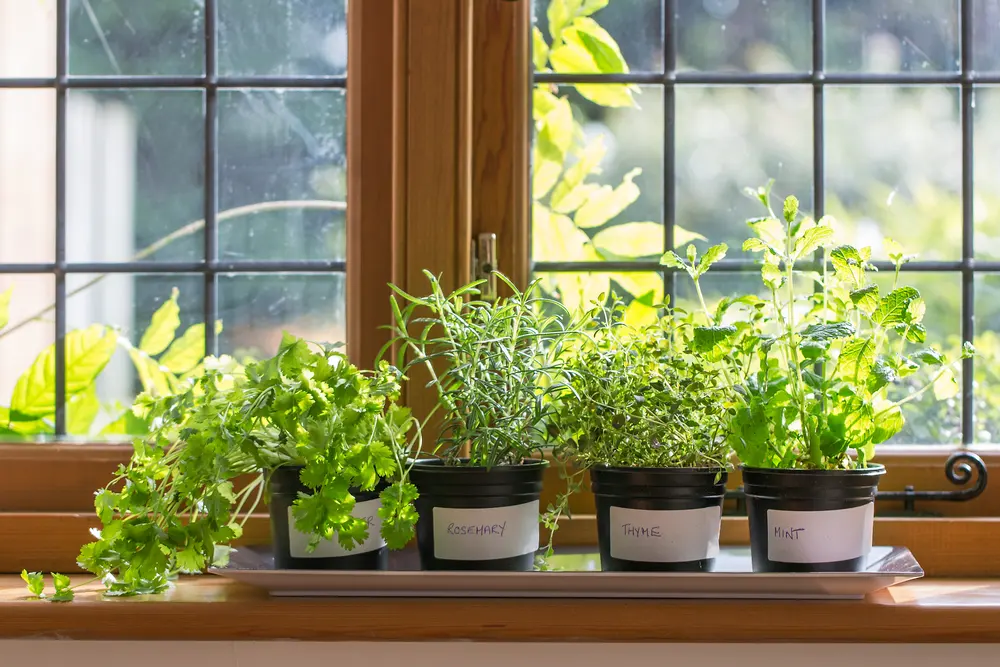
The most successful indoor herbs are those that adapt well to container life and indoor temperatures. Culinary staples like basil, chives, parsley, and mint are excellent choices for beginners because they are resilient and provide a quick harvest. Oregano and thyme also thrive indoors, provided they receive adequate light, though they prefer slightly drier soil conditions than leafy herbs like cilantro.
When selecting herbs, consider your specific indoor environment. If your home is naturally dim, focus on shade-tolerant varieties like mint or parsley. If you have a bright, south-facing window, you can experiment with sun-loving Mediterranean herbs such as rosemary or sage. Regardless of the variety, ensure your plants have adequate airflow to prevent fungal issues.
- Basil: Needs high light and consistent moisture.
- Mint: Grows aggressively; keep it in its own pot.
- Chives: Very hardy and tolerates lower light levels.
- Parsley: Prefers cooler temperatures and moderate light.
- Thyme: Requires excellent drainage and bright, direct sun.
How much light do indoor herbs need?
Light is the most critical factor for indoor herb gardening. Most culinary herbs require at least six to eight hours of direct sunlight every day to develop strong stems and flavorful leaves. A south-facing window is generally the best location, as it receives the most intense light throughout the day. If your home lacks sufficient natural light, your herbs will become "leggy," meaning they grow thin and weak as they stretch toward the source.
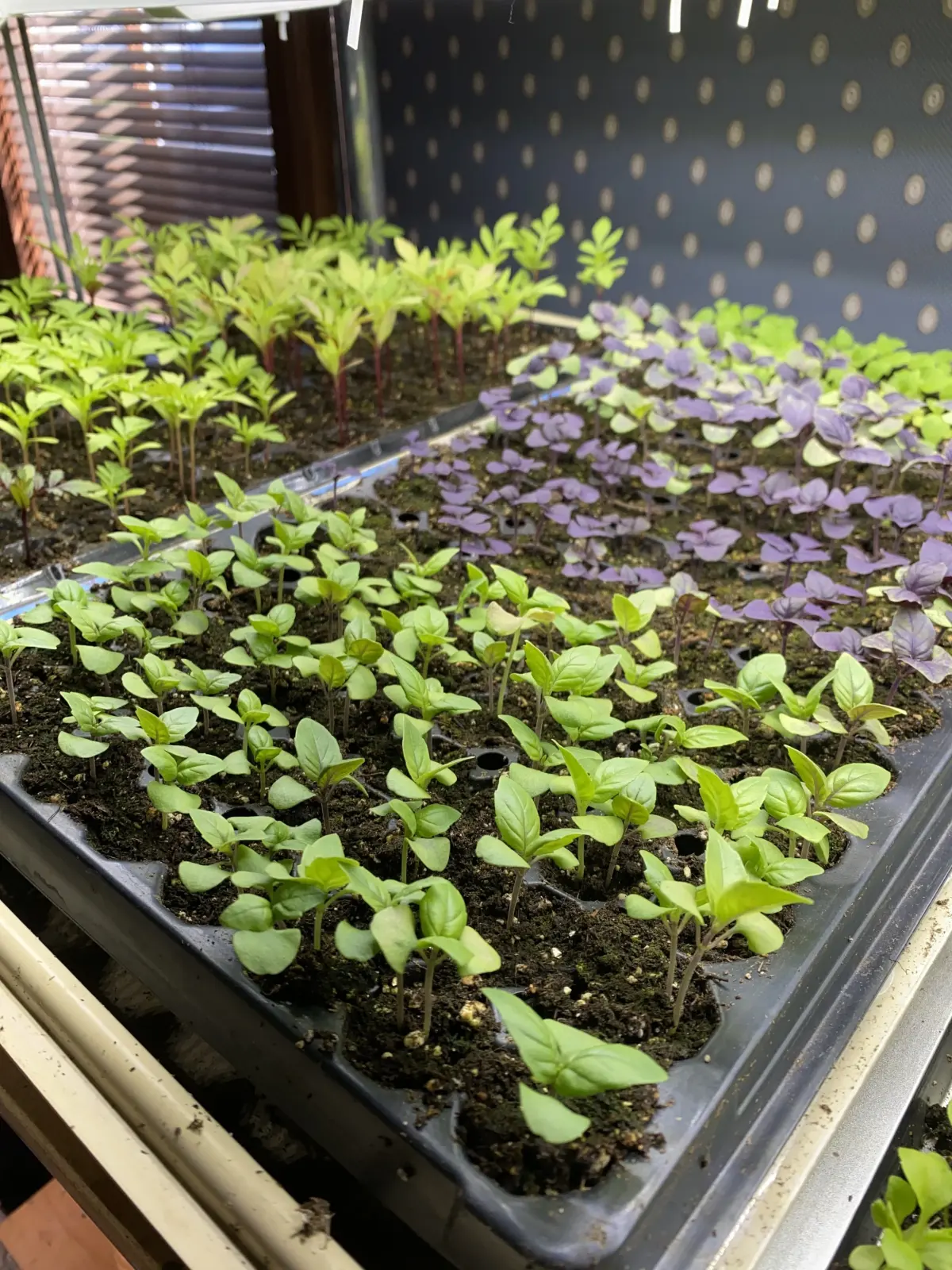
To compensate for low-light conditions, many gardeners use supplemental LED grow lights. These lights should be positioned about 6 to 12 inches above the tops of the plants and left on for 12 to 14 hours daily. This mimics the intensity of the sun and ensures the plants have enough energy for photosynthesis. Without adequate light, even well-watered plants will struggle to produce the aromatic oils that give herbs their distinct taste.
What is the best way to water herbs?
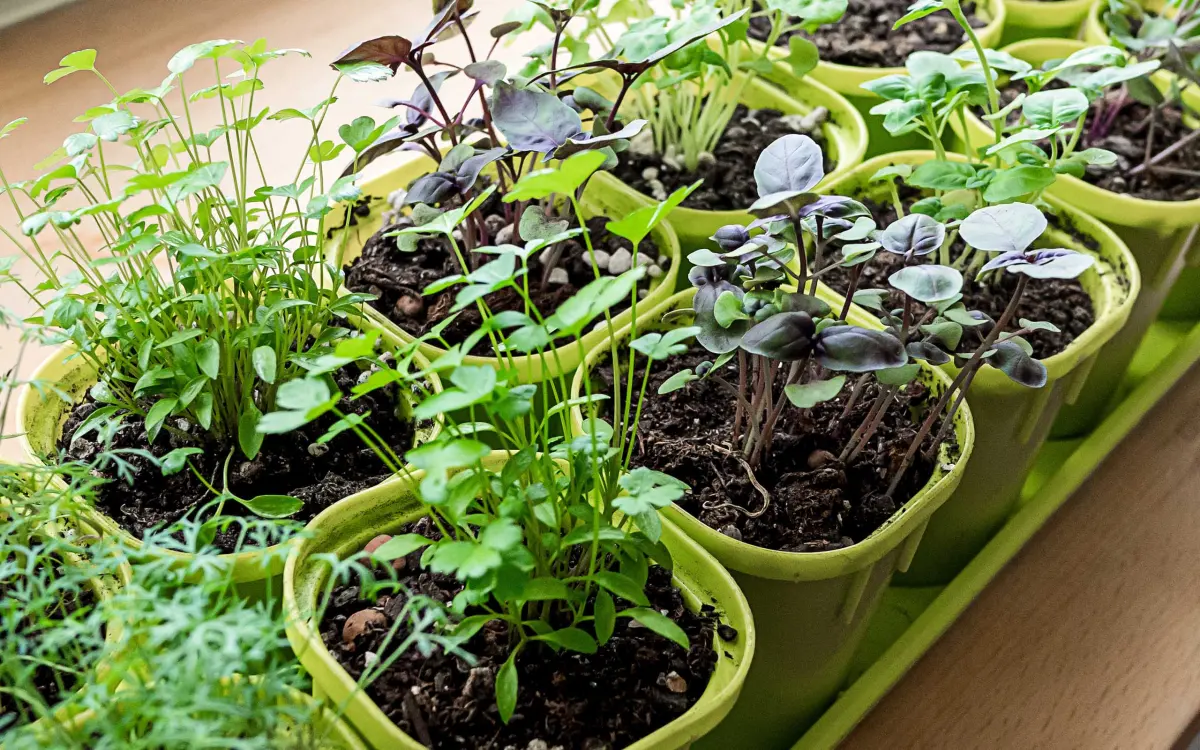
Proper watering is a balancing act between keeping the soil moist and preventing root rot. A common mistake is overwatering, which suffocates the roots and leads to yellowing leaves or mold growth. Before watering, stick your finger about an inch into the soil; if it feels dry, it is time to add water. If the soil still feels damp, wait another day or two before checking again.
Always use pots with drainage holes at the bottom to allow excess water to escape. If you use decorative pots without holes, place the herb in a plastic nursery liner inside the decorative container. When you water, pour until liquid runs out of the bottom, then discard the excess water from the saucer. This prevents the roots from sitting in stagnant water, which is a leading cause of plant death in indoor environments.
- Check soil moisture daily by touch.
- Water only when the top inch of soil is dry.
- Pour water directly onto the soil, avoiding the leaves.
- Empty the saucer beneath the pot after 15 minutes.
- Reduce watering frequency during the winter months when growth slows.
How to maintain healthy indoor herbs?
Maintenance goes beyond basic watering and light. Fertilizing is necessary because nutrients in potting soil are depleted over time. Use a balanced, water-soluble organic fertilizer diluted to half-strength once every four to six weeks during the active growing season, which is typically spring through early autumn. Avoid fertilizing during the winter when the plants are dormant, as this can cause salt buildup in the soil.
Pruning is equally important for maintaining a bushy, productive plant. Regularly pinch off the top sets of leaves to encourage the plant to grow outward rather than upward. This process, known as "pinching back," prevents the plant from flowering prematurely. Once a herb flowers, it often shifts its energy away from leaf production, which can make the foliage taste bitter. Always harvest the outer leaves first to allow the center of the plant to continue growing.
Common mistakes when growing herbs indoors?
Many indoor gardeners fail because they use the wrong soil or container size. Standard garden soil is too heavy and compact for pots, leading to poor drainage and root suffocation. Always use a high-quality, lightweight potting mix specifically designed for indoor containers. Additionally, ensure your pots are the correct size; a pot that is too large will hold too much moisture, while one that is too small will restrict root growth and dry out too quickly.
Another frequent error is placing herbs near drafty windows or heating vents. Rapid temperature fluctuations can stress the plants, causing leaves to drop or growth to stall. Keep your herbs away from direct air currents, such as those from air conditioners or radiators. Finally, resist the urge to harvest too much at once. Never remove more than one-third of the plant at any single time, as this prevents the herb from having enough foliage to photosynthesize and recover.
Key facts
- Most culinary herbs require at least six hours of direct sunlight daily to thrive indoors.
- Use pots with drainage holes at the bottom to prevent root rot caused by standing water.
- Rotate your pots every few days to ensure all sides of the plant receive equal light exposure.
- Herbs like rosemary and thyme prefer drier soil, while basil and parsley require consistently moist conditions.
- Indoor temperatures between 65°F and 75°F (18°C to 24°C) are ideal for the majority of common herbs.
- Avoid placing herbs directly in front of heating vents or air conditioning units, which cause rapid moisture loss.
The bottom line
Growing herbs indoors is a rewarding practice that provides fresh flavors year-round with minimal space. Success relies on providing adequate sunlight or artificial light, using well-draining soil, and practicing consistent but moderate watering. By monitoring your plants for signs of stress and harvesting them carefully, you can maintain a productive indoor garden that enhances your cooking and brings a touch of nature into your home.
People also ask
Can I grow herbs in a room without windows?
Yes, you can grow herbs in windowless rooms by using full-spectrum LED grow lights. Position the lights 6 to 12 inches above the plants and keep them on for 12 to 14 hours each day.
Should I use garden soil for my indoor herb pots?
No, never use garden soil because it is too heavy and may contain pests or diseases. Always use a high-quality, sterile indoor potting mix designed for containers to ensure proper drainage and aeration.
How often should I fertilize indoor herbs?
Herbs generally require very little fertilizer compared to other houseplants. Apply a balanced, water-soluble fertilizer at half-strength once every four to six weeks during the active growing season.
Why are my indoor herbs getting tall and spindly?
This condition, known as etiolation, happens when the plant is not receiving enough light. Move the plant to a brighter location or supplement with artificial grow lights to encourage compact, bushy growth.
Is it better to start from seeds or buy nursery transplants?
Starting from transplants is easier for beginners because it provides an immediate harvest. Seeds are more cost-effective but require more time, patience, and specific conditions to germinate successfully.
How do I harvest herbs without killing the plant?
Always use sharp scissors and harvest no more than one-third of the plant at a time. Cut just above a leaf node to encourage the plant to branch out and produce more foliage.
This answer was created with the help of AI research tools and reference sources. Spotted an error? Let us know — we correct mistakes quickly. See our editorial policy.