How do you keep houseplants alive?
Short answer
Keeping houseplants alive requires balancing light, water, and humidity according to each species' specific needs. Most failures stem from overwatering, which causes root rot, or insufficient light. By observing leaf color, soil moisture, and growth patterns, you can adjust your care routine to provide an environment that mimics the plant's natural habitat.
On this page
How to determine the right light for houseplants
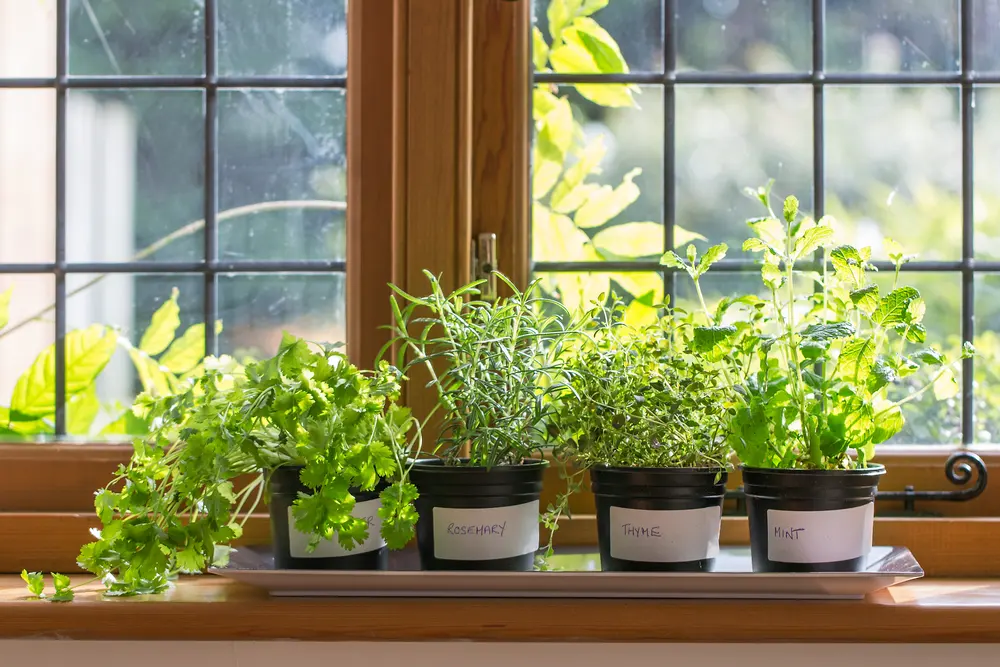
Light is the primary energy source for photosynthesis, yet indoor environments often provide significantly less intensity than natural outdoor settings. Most houseplants thrive in bright, indirect light, which is found near east-facing windows or a few feet away from south-facing windows. Direct sunlight can scorch the leaves of tropical plants, while insufficient light leads to "leggy" growth, where stems stretch thin as the plant searches for a light source.
To assess your home's light levels, observe where shadows fall throughout the day. A high-light area is one where the sun hits the floor directly for several hours. Medium light is bright enough to read a book comfortably without artificial lamps. Low light is typically found in corners or rooms with small north-facing windows. If a plant is not growing, it is likely receiving too little light; if it develops brown, crispy patches, it may be suffering from sunburn.
- High light: Place plants directly in or within two feet of a south or west-facing window.
- Medium light: Position plants in rooms with bright, ambient light but no direct sun rays.
- Low light: Use shade-tolerant species like snake plants or ZZ plants that survive with minimal exposure.
How to water indoor plants correctly
Overwatering is the most common cause of houseplant death. It is important to understand that roots require oxygen as much as they require moisture. When soil remains constantly saturated, the air pockets are filled with water, leading to root rot, a condition where roots turn mushy and black, preventing the plant from absorbing any nutrients. Always check the soil moisture before adding more water rather than following a rigid calendar schedule.
A simple rule is to touch the soil before watering. For most tropical foliage plants, wait until the top one to two inches of soil feel dry to the touch. Succulents and cacti, however, prefer to dry out completely between waterings. When you do water, ensure the container has drainage holes at the bottom to allow excess liquid to escape. If a decorative pot lacks holes, keep the plant in its plastic nursery liner inside the decorative vessel to prevent water from pooling at the roots.
- Use a moisture meter or your finger to test soil depth.
- Ensure the pot has drainage holes to avoid waterlogging.
- Discard excess water from the saucer after 15 minutes to prevent root sitting.
Best houseplants for beginners
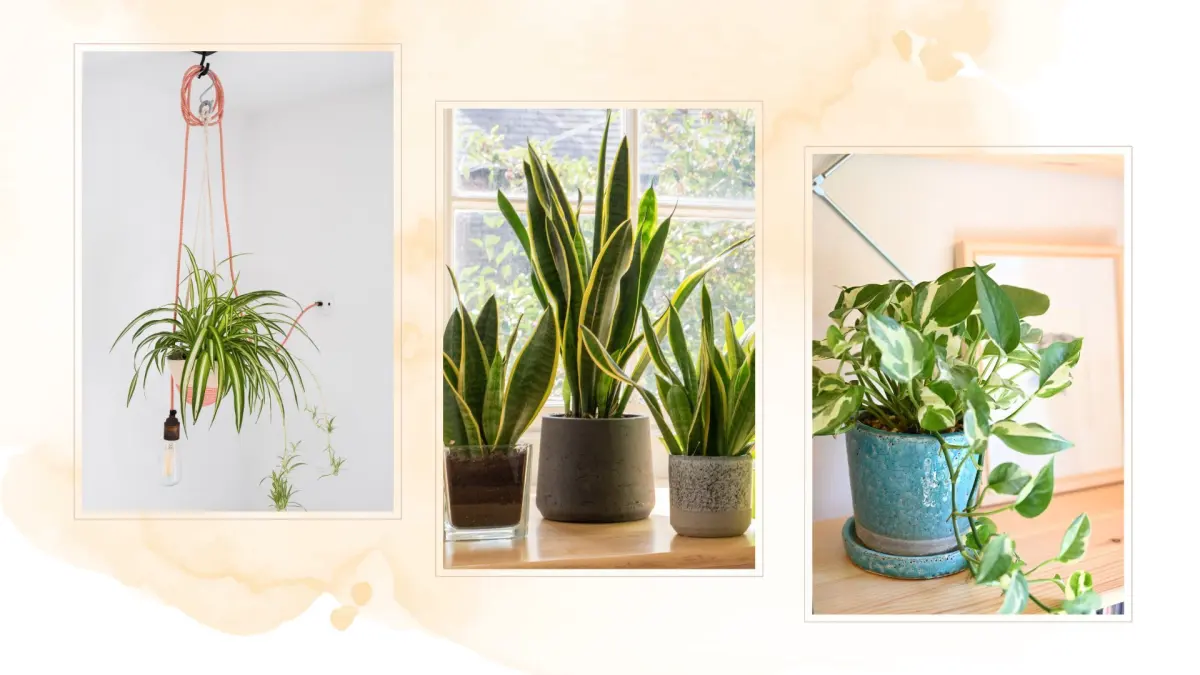
If you are new to indoor gardening, select resilient species that tolerate inconsistent care and lower light conditions. These plants have evolved to survive in environments where water and light may fluctuate. Popular choices include the snake plant (Dracaena trifasciata), which is nearly indestructible and thrives on neglect, and the pothos (Epipremnum aureum), a trailing vine that signals when it needs water by slightly wilting.
Another excellent option is the ZZ plant (Zamioculcas zamiifolia), which features waxy, deep green leaves and handles low light exceptionally well. Spider plants (Chlorophytum comosum) are also highly recommended for their adaptability and the ease with which they produce "pups" or offshoots. By starting with these hardy varieties, you can build your confidence and learn the basics of plant physiology without the frustration of high-maintenance species that require precise humidity or temperature controls.
- Snake plant: Requires minimal water and tolerates low light.
- Pothos: Fast-growing and easy to propagate in water.
- ZZ plant: Highly drought-tolerant with few pest issues.
- Spider plant: Adaptable and produces visible new growth.
Why yellow leaves happen
Yellowing leaves, or chlorosis, are a common distress signal indicating that the plant's internal systems are compromised. The most frequent culprit is improper watering. If the leaves turn yellow and feel soft or mushy, the plant is likely being overwatered. Conversely, if the leaves turn yellow, become brittle, and drop off, the plant may be suffering from underwatering or low humidity. It is essential to inspect the soil and the plant's environment to diagnose the specific cause.
Other factors include nutrient deficiencies or pest infestations. If the yellowing occurs primarily on older leaves while new growth remains green, the plant may need a balanced fertilizer during the growing season. If the yellowing appears in a mottled or speckled pattern, check the undersides of the leaves for tiny pests like spider mites or aphids. Addressing these issues early prevents the spread of damage to the rest of the plant and helps restore its natural health.
- Identify if the yellowing is on old or new leaves.
- Check the soil moisture levels against the plant's specific needs.
- Inspect for pests by looking closely at the leaf stems and undersides.
Common mistakes when caring for houseplants
One major mistake is repotting a plant into a container that is too large. When a pot is too big, the excess soil holds onto too much water, which the plant's current root system cannot absorb quickly enough, leading to rot. Only move a plant to a pot that is one to two inches larger in diameter than its current container. Additionally, many owners forget to clean the leaves, which accumulate dust over time and block the plant's ability to absorb light efficiently.
Another frequent error is placing plants near heating or cooling vents. These drafts cause rapid fluctuations in temperature and humidity, which stress the plant and lead to leaf drop. Furthermore, avoid fertilizing plants during the winter months when they are in a dormant state. During this time, they require less energy and nutrients. By avoiding these common pitfalls and providing consistent care, you will create a stable, thriving indoor environment for your plants to grow successfully throughout the year.
Key facts
- Most houseplants die from overwatering, which causes root rot by depriving roots of oxygen.
- Use pots with drainage holes to allow excess water to escape the soil.
- Place plants in light conditions that mimic their natural habitat, such as bright indirect light for tropical species.
- Wipe dust off leaves with a damp cloth every few weeks to improve photosynthesis.
- Fertilize plants only during their active growing season, typically from spring to early autumn.
- Research the specific humidity requirements of your plant, as many tropical species struggle in dry indoor air.
The bottom line
Successful houseplant care relies on observing individual plant needs rather than following a rigid schedule. By ensuring proper drainage, matching light levels to the species, and avoiding the common pitfall of overwatering, you can create a thriving indoor garden. Regularly monitor your plants for signs of distress or pests, and adjust your care routine as the seasons change to keep your greenery healthy and vibrant year-round.
People also ask
How do I know when it is time to water my plant?
Stick your finger about two inches into the soil; if it feels dry, it is likely time to water. Alternatively, check if the pot feels significantly lighter when lifted.
Can I use tap water for all my houseplants?
Many plants are sensitive to chlorine or fluoride found in tap water. If your plant develops brown leaf tips, try using filtered water or letting tap water sit out overnight before use.
Why are the leaves on my plant turning yellow?
Yellowing leaves often indicate overwatering, poor drainage, or a lack of sunlight. Inspect the soil moisture and ensure the plant is not sitting in standing water.
Do houseplants need to be repotted?
Yes, plants should be repotted when they become root-bound, meaning roots are circling the bottom of the pot. Move the plant to a container only one or two inches larger in diameter.
Should I mist my plants to increase humidity?
Misting provides only temporary humidity and can encourage fungal growth on leaves. Using a humidifier or placing plants on a tray of pebbles and water is more effective.
What is the best way to deal with houseplant pests?
Isolate the affected plant immediately to prevent spread. Wipe leaves with a mixture of water and mild dish soap or apply neem oil to eliminate common pests like spider mites or aphids.
This answer was created with the help of AI research tools and reference sources. Spotted an error? Let us know — we correct mistakes quickly. See our editorial policy.