How often should you water houseplants?
Short answer
There is no universal schedule for watering houseplants because needs vary by species, light, and humidity. Instead of a calendar, check the soil moisture manually. Most plants thrive when the top inch or two of soil dries out between waterings, preventing root rot while ensuring the roots remain hydrated.
On this page
How to tell when a plant needs water
The most reliable method for determining if a plant needs water is the finger test. Insert your index finger into the soil up to the second knuckle. If the soil feels dry at your fingertip, it is time to water. If it feels damp or cool, wait a few more days.
You can also observe physical cues from the plant. Many species will show subtle signs of thirst before they reach the point of wilting. Leaves may lose their luster, appear slightly dull, or begin to droop downward. Succulents and cacti often show slight puckering on their leaves when they are dehydrated.
- Check the weight of the pot by lifting it; a dry plant feels significantly lighter than a hydrated one.
- Observe the soil surface for cracks or pulling away from the edges of the pot.
- Use a moisture meter if you are unsure, though manual testing remains the gold standard for accuracy.
Why watering schedules fail
Following a strict weekly calendar is the most common cause of houseplant death. Watering needs fluctuate based on the season, the plant's growth stage, and your home's microclimate. During the winter, plants enter a period of dormancy where they consume significantly less water. Conversely, during the long, bright days of summer, plants grow rapidly and require more frequent hydration.
Environmental factors also dictate water consumption. A plant placed near a heating vent or in direct sunlight will dry out much faster than the same species kept in a cool, dimly lit corner. Furthermore, the type of pot matters; unglazed terracotta is porous and wicks moisture away from the soil, while plastic or ceramic pots retain water for much longer periods.
- Humidity levels in your home change throughout the year.
- Airflow from fans or open windows increases evaporation rates.
- The size of the root ball relative to the pot size affects how quickly the soil dries.
Best watering techniques for beginners
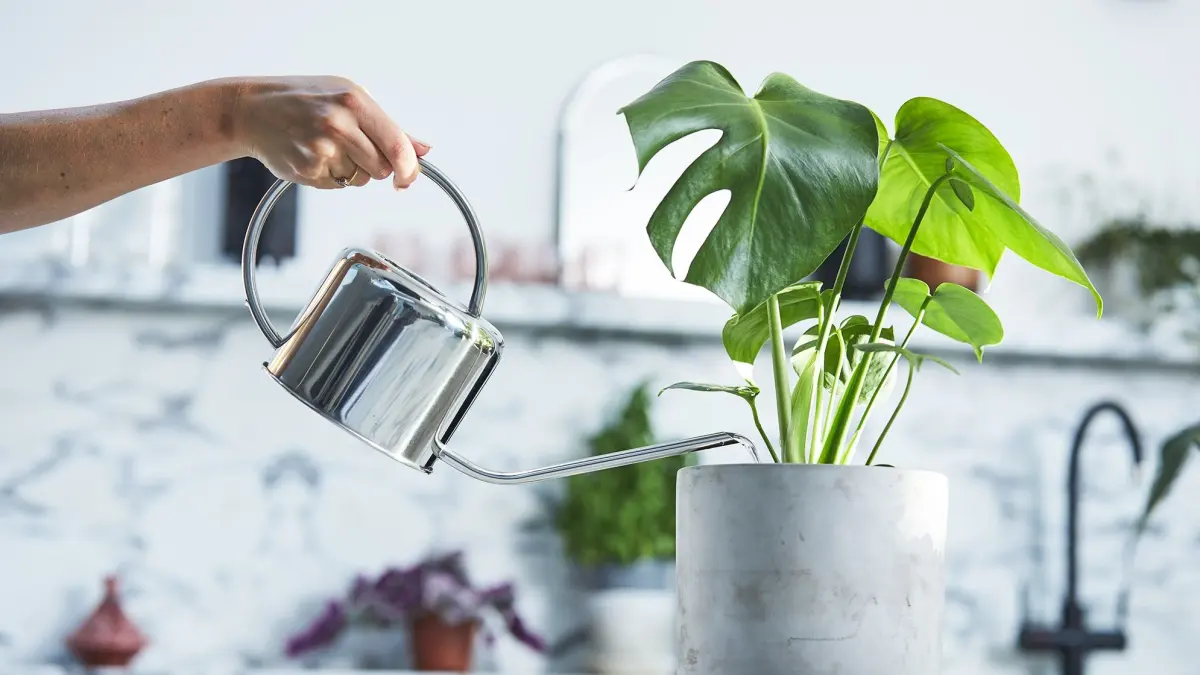
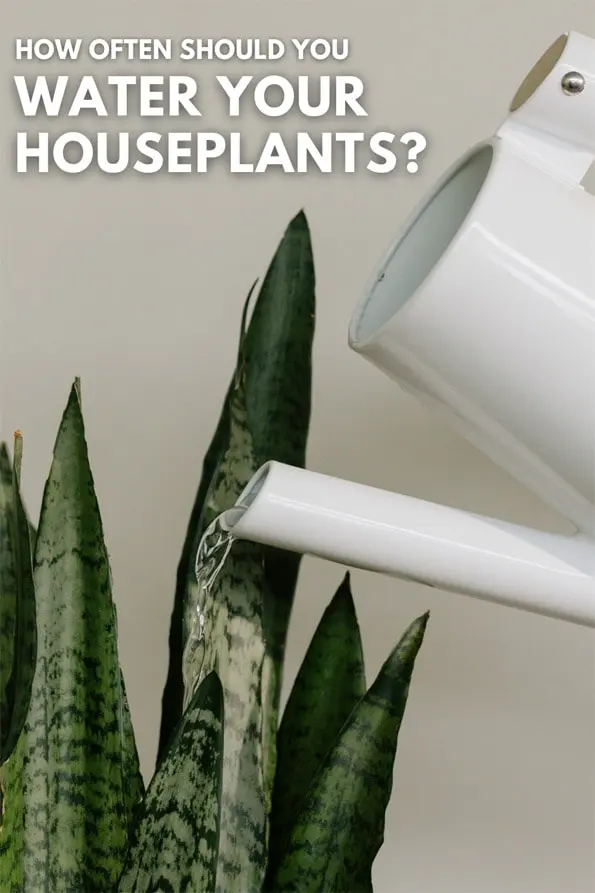
When it is time to water, aim for consistency and thoroughness. Pour water slowly over the soil surface until you see it begin to drain out of the bottom holes of the pot. This ensures that the entire root system receives moisture rather than just the top layer. Never let your plant sit in a saucer of standing water for more than an hour, as this leads to oxygen deprivation in the roots.
Bottom watering is an excellent alternative for plants with delicate foliage or those that are difficult to soak from the top. Place the pot in a sink or basin filled with a few inches of water. Allow the soil to soak up the moisture through the drainage holes for about 15 to 30 minutes. Once the top of the soil feels moist, remove the plant and let it drain completely before returning it to its spot.
Common mistakes when watering plants
The most frequent error is overwatering, which creates a waterlogged environment where fungi thrive. When roots are constantly submerged, they cannot absorb oxygen and eventually begin to rot, turning mushy and brown. Signs of overwatering include yellowing leaves, a foul smell from the soil, or the sudden appearance of fungus gnats. If you suspect overwatering, stop immediately and allow the soil to dry out completely.
Underwatering is equally problematic but easier to rectify. When a plant is chronically dry, the soil may become hydrophobic, meaning it repels water rather than absorbing it. If you pour water into a very dry pot and it runs straight out the sides, the soil has likely shrunk away from the pot walls. In this case, use the bottom watering method to rehydrate the soil medium thoroughly and restore its ability to hold moisture.
- Using water that is extremely cold, which can shock tropical plants.
- Leaving plants in decorative pots that lack drainage holes.
- Watering only the surface of the soil, which leaves the deep roots thirsty.
How to adjust for different plant types
Different plant families have evolved in vastly different climates, and their watering needs reflect these origins. Desert-dwelling plants like cacti and succulents store water in their leaves and stems, allowing them to go weeks or even months without a drink. These plants prefer to dry out completely between waterings. Tropical plants, such as ferns and peace lilies, originate from rainforest floors and prefer consistently moist—but not soggy—soil.
To manage a diverse collection, group plants with similar needs together. Place your moisture-loving plants in areas with higher humidity, like a bathroom or kitchen, and keep your drought-tolerant species in the sunniest spots. By observing your plants as individuals rather than a collection, you will learn to recognize their unique signals. With practice, you will develop an intuitive sense of when each plant requires attention, ensuring a healthy indoor garden that thrives throughout the year.
Key facts
- Most houseplants die from overwatering, not underwatering, as roots need oxygen to survive.
- Check soil moisture by inserting your finger two inches deep; if it feels dry, it is time to water.
- Use pots with drainage holes to prevent excess water from pooling at the bottom and causing root rot.
- Tropical plants like ferns prefer consistently moist soil, while succulents and cacti thrive when allowed to dry out completely.
- Water temperature should be room temperature to avoid shocking sensitive root systems with extreme cold.
- Reduce watering frequency during the winter months when lower light levels slow down plant growth.
The bottom line
Successful houseplant care relies on observing the soil rather than following a rigid calendar. By checking the top two inches of soil for dryness and ensuring your containers have adequate drainage, you can prevent the most common cause of plant death: root rot. Tailor your watering frequency to the specific species, light conditions, and seasonal growth cycles to keep your indoor greenery healthy and vibrant year-round.
People also ask
Why are the leaves on my plant turning yellow?
Yellow leaves are often a sign of overwatering, which prevents roots from absorbing oxygen. Check the soil for sogginess and ensure the pot has proper drainage before adjusting your schedule.
Should I use tap water for my houseplants?
Most plants tolerate tap water, but some sensitive varieties like spider plants or calatheas may react to fluoride or chlorine. If you notice brown tips, try using filtered or distilled water instead.
Does the type of pot affect how often I should water?
Yes, porous materials like unglazed terracotta wick moisture away from the soil, causing it to dry faster than plastic or glazed ceramic pots. Adjust your watering frequency based on the specific material of your container.
How do I know if my plant is thirsty?
Wilting, drooping leaves, or soil that pulls away from the edges of the pot are common indicators of dehydration. Lift the pot to feel its weight; a dry plant will feel significantly lighter than a well-hydrated one.
Can I water my plants from the bottom?
Bottom watering involves placing the pot in a tray of water for 15–30 minutes, allowing roots to soak up moisture through drainage holes. This method ensures even saturation and prevents water from sitting on the foliage.
Do plants need more water in the summer?
Plants typically require more frequent watering during the spring and summer because increased light and warmth stimulate active growth. Always check the soil moisture manually rather than relying on a strict calendar schedule.
This answer was created with the help of AI research tools and reference sources. Spotted an error? Let us know — we correct mistakes quickly. See our editorial policy.