Are tigers endangered?
Short answer
Tigers are officially classified as endangered by the International Union for Conservation of Nature (IUCN). While global population numbers have shown a slight increase in recent years, they remain critically threatened. Fewer than 4,500 wild tigers exist today, occupying only a small fraction of their historical range across Asia due to human activity.
On this page
Why are tigers endangered?
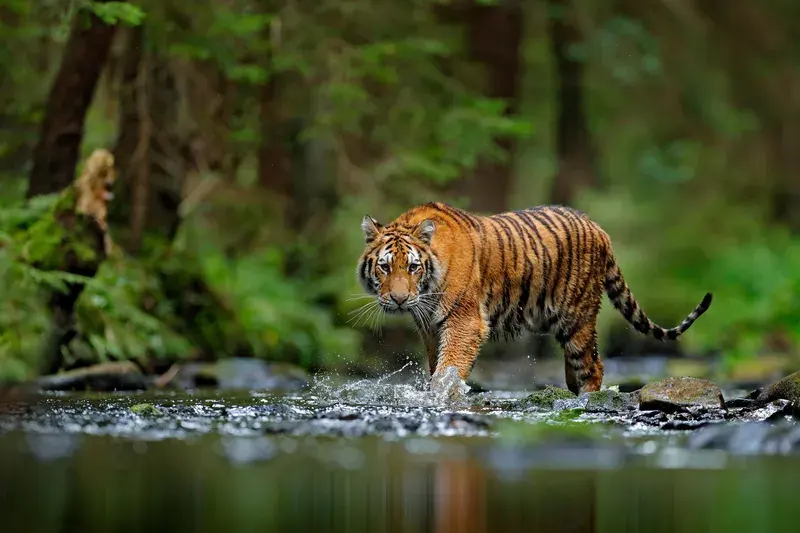
The primary driver of the tiger’s decline is habitat loss caused by rapid human development. As forests are cleared for agriculture, timber, and infrastructure, the tiger’s territory shrinks, forcing individuals into smaller, disconnected pockets of land. This fragmentation makes it difficult for tigers to find mates and sufficient prey, leading to a higher risk of inbreeding and local extinction.
Illegal poaching remains a devastating threat to the species. Tigers are hunted for their skins, bones, and other body parts, which are highly valued in some traditional medicine markets and as luxury status symbols. Despite international bans on the trade of tiger products, the black market continues to incentivize organized criminal networks to target these animals. This constant pressure prevents populations from recovering, even in areas where habitat protection is relatively strong.
How many tigers are left in the wild?
Current estimates suggest there are between 3,700 and 4,500 tigers living in the wild today. This represents a significant drop from the estimated 100,000 individuals that roamed Asia at the start of the 20th century. While conservation efforts have helped stabilize some populations in countries like India, Nepal, and Thailand, other regions have seen local extinctions of specific subspecies, such as the Javan and Caspian tigers.
The distribution of these remaining tigers is highly uneven across their range. The Bengal tiger accounts for the majority of the population, while other subspecies face much bleaker prospects. The South China tiger, for instance, is considered "functionally extinct" in the wild, as none have been sighted in their natural habitat for decades. Tracking these animals is difficult, but modern technology has improved accuracy:
- Camera traps placed along wildlife corridors track individual striped patterns.
- DNA analysis of scat samples helps researchers estimate genetic diversity.
- Satellite imagery monitors forest loss in real-time to identify encroachment.
Where do tigers still live?
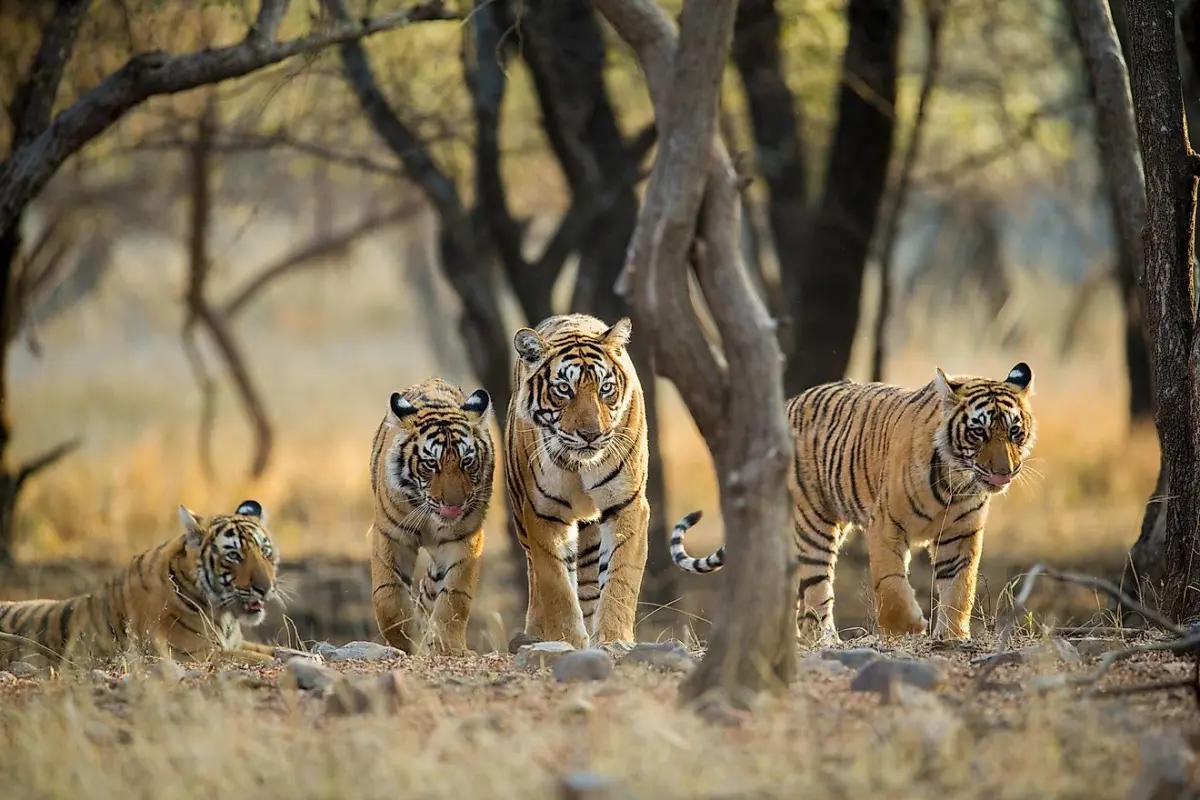
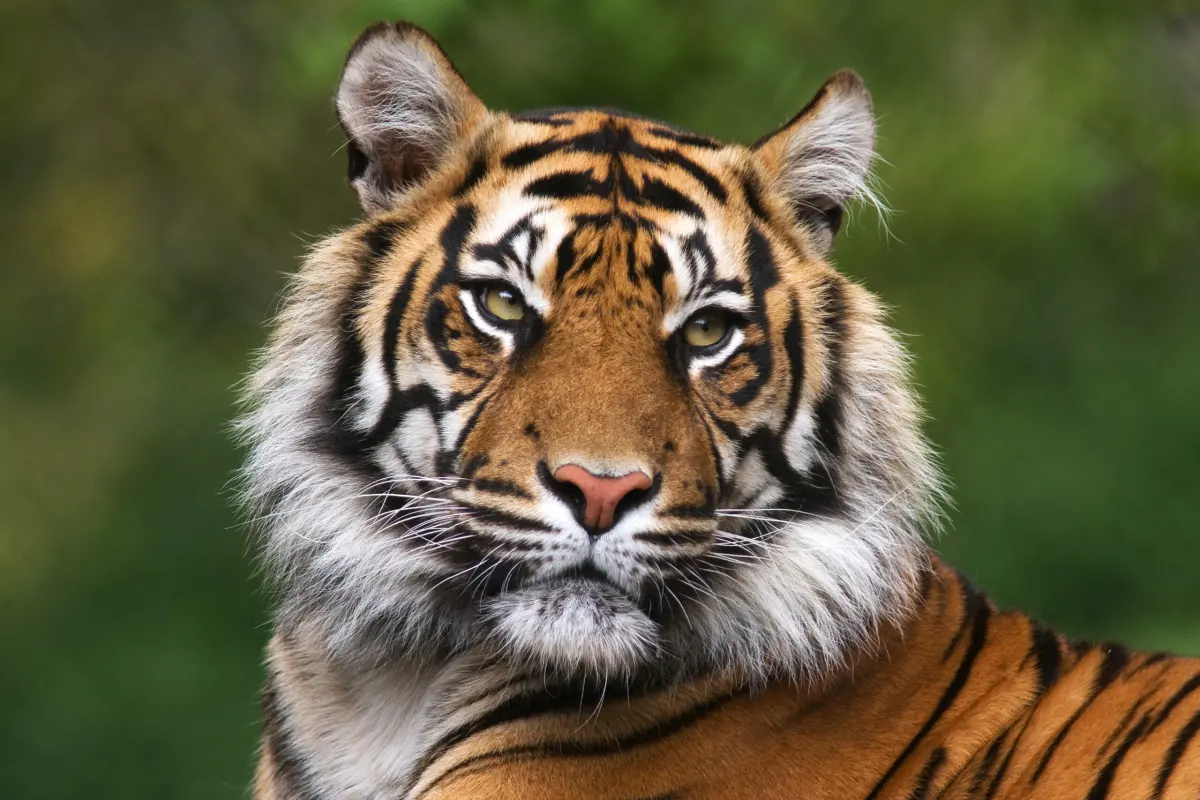
Tigers are found exclusively in Asia, spanning a diverse range of environments from the frozen forests of the Russian Far East to the tropical mangroves of the Sundarbans. India currently holds the largest population, housing approximately 75 percent of all wild tigers. Other significant populations are found in Nepal, Bhutan, Russia, and Southeast Asian nations like Thailand and Malaysia.
The survival of these populations depends on the quality of the protected areas they inhabit. Tigers require vast territories to hunt and thrive, often spanning hundreds of square kilometers per individual. When these areas are not properly managed, tigers may wander into nearby human settlements in search of food. This leads to human-wildlife conflict, which often results in retaliatory killings of tigers by local farmers protecting their livestock.
What is being done to save tigers?
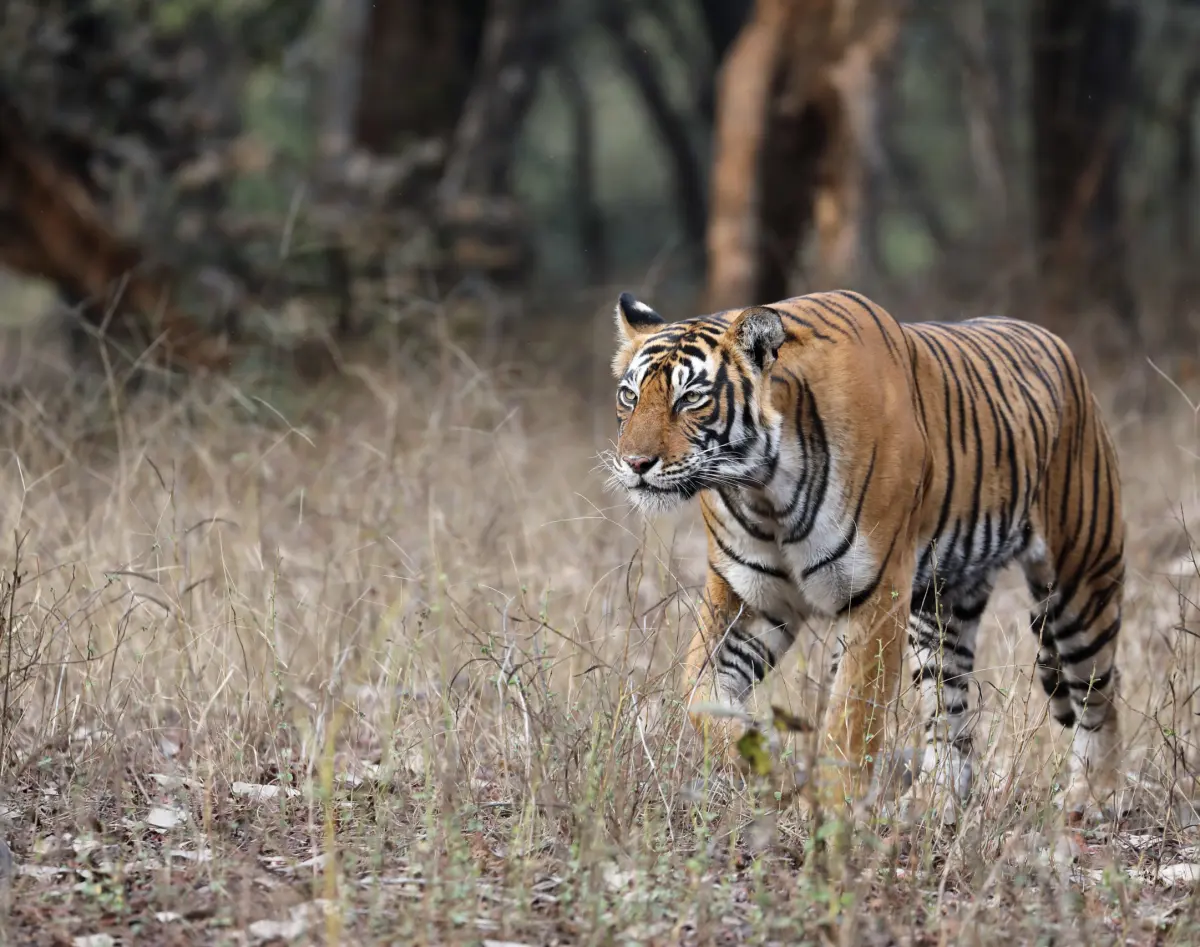
International conservation organizations and local governments are working together to implement strategies that prioritize habitat restoration and anti-poaching measures. The most successful programs focus on "landscape-level" conservation, which involves protecting large, connected corridors that allow tigers to migrate safely between different forest patches. This approach ensures that populations remain genetically healthy and resilient to environmental changes.
Community engagement is another critical component of modern tiger conservation. By providing local people with economic alternatives to poaching and forest encroachment, conservationists can turn former hunters into forest guardians. Successful initiatives often include the following steps:
- Establishing community-managed buffer zones around core tiger habitats.
- Providing compensation schemes for farmers who lose livestock to tigers.
- Increasing the presence of forest rangers to deter illegal logging and poaching.
- Implementing eco-tourism programs that provide direct financial benefits to local villages.
Common mistakes when helping tigers
A common mistake people make is supporting organizations that keep tigers in captivity for entertainment or "cuddle" experiences. These facilities often contribute to the illegal trade by breeding tigers for profit rather than for genuine conservation or reintroduction purposes. True conservation focuses on keeping tigers in the wild, not in cages or private homes where they cannot contribute to the survival of the species.
Another error is assuming that donating to any wildlife charity automatically helps tigers. Many organizations lack the resources or expertise to implement effective field programs on the ground. Before donating, verify that the group works directly with local authorities in tiger-range countries to address the root causes of habitat loss and poaching. By focusing on evidence-based, transparent conservation efforts, supporters can ensure their contributions have a meaningful impact on the long-term survival of these magnificent predators in their natural, wild homes.
Key facts
- The International Union for Conservation of Nature (IUCN) classifies the tiger (Panthera tigris) as Endangered.
- Wild tiger populations have plummeted from an estimated 100,000 in 1900 to fewer than 5,000 individuals today.
- Habitat loss due to deforestation, agriculture, and urban expansion remains the primary threat to tiger survival.
- Poaching for the illegal wildlife trade, driven by demand for tiger parts in traditional medicine, continues to decimate populations.
- Conservationists prioritize protecting "source sites," which are protected areas where tiger populations have the potential to breed and expand.
- Supporting reputable conservation organizations that work with local communities to mitigate human-wildlife conflict is the most effective way to help.
The bottom line
Tigers remain a critically endangered species, facing persistent threats from habitat destruction, poaching, and climate change. While targeted conservation efforts in countries like India have stabilized some populations, the overall outlook remains precarious. Protecting wild tigers requires global cooperation to preserve vast landscapes, eliminate the illegal trade in wildlife parts, and foster coexistence between local human communities and these apex predators in their natural environments.
People also ask
How many tigers are left in the wild?
Current estimates suggest there are approximately 3,700 to 4,500 tigers living in the wild across Asia. While some populations in India, Nepal, and Thailand have shown signs of recovery due to strict protection, many other groups remain critically small and isolated.
What is the biggest threat to tiger survival?
The loss and fragmentation of their natural habitat is the most significant danger, as tigers require vast territories to hunt and breed. As forests are cleared for palm oil plantations, timber, and infrastructure, tigers are forced into closer contact with humans, leading to retaliatory killings.
Are there more tigers in captivity than in the wild?
Yes, it is estimated that there are more tigers held in private facilities, roadside zoos, and breeding centers in the United States alone than exist in the entire wild. These captive tigers are rarely part of legitimate conservation programs and cannot be released into the wild.
Can tigers be reintroduced into the wild?
Reintroduction is an incredibly complex and expensive process that requires vast, secure, and prey-rich habitats. Success depends on ensuring the original threats, such as poaching and habitat loss, have been fully addressed before releasing any animals.
What is a tiger range state?
A range state is a country where tigers still exist in the wild, such as India, Nepal, Bhutan, Bangladesh, Russia, China, and several Southeast Asian nations. India currently holds the largest population, accounting for more than 70 percent of the world's wild tigers.
How does climate change affect tigers?
Rising sea levels threaten the Sundarbans mangrove forest, one of the last remaining habitats for the Bengal tiger. As saltwater encroaches on the land, the ecosystem degrades, reducing the available prey and forcing tigers to move into human-populated areas.
This answer was created with the help of AI research tools and reference sources. Spotted an error? Let us know — we correct mistakes quickly. See our editorial policy.