Are orangutans endangered?
Short answer
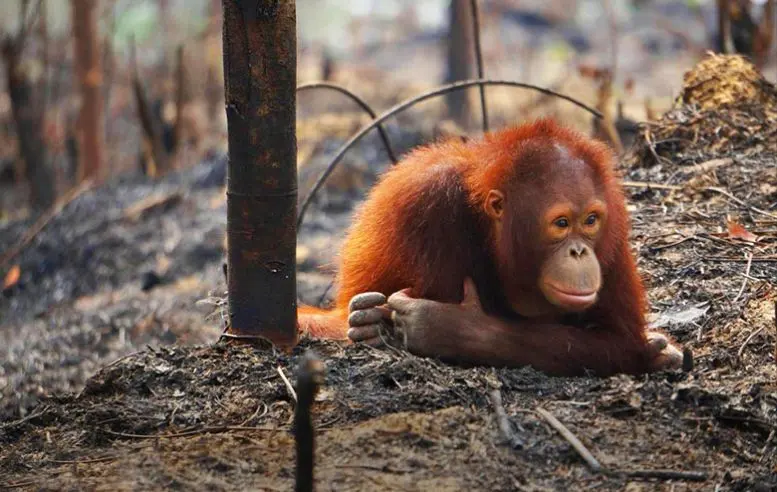
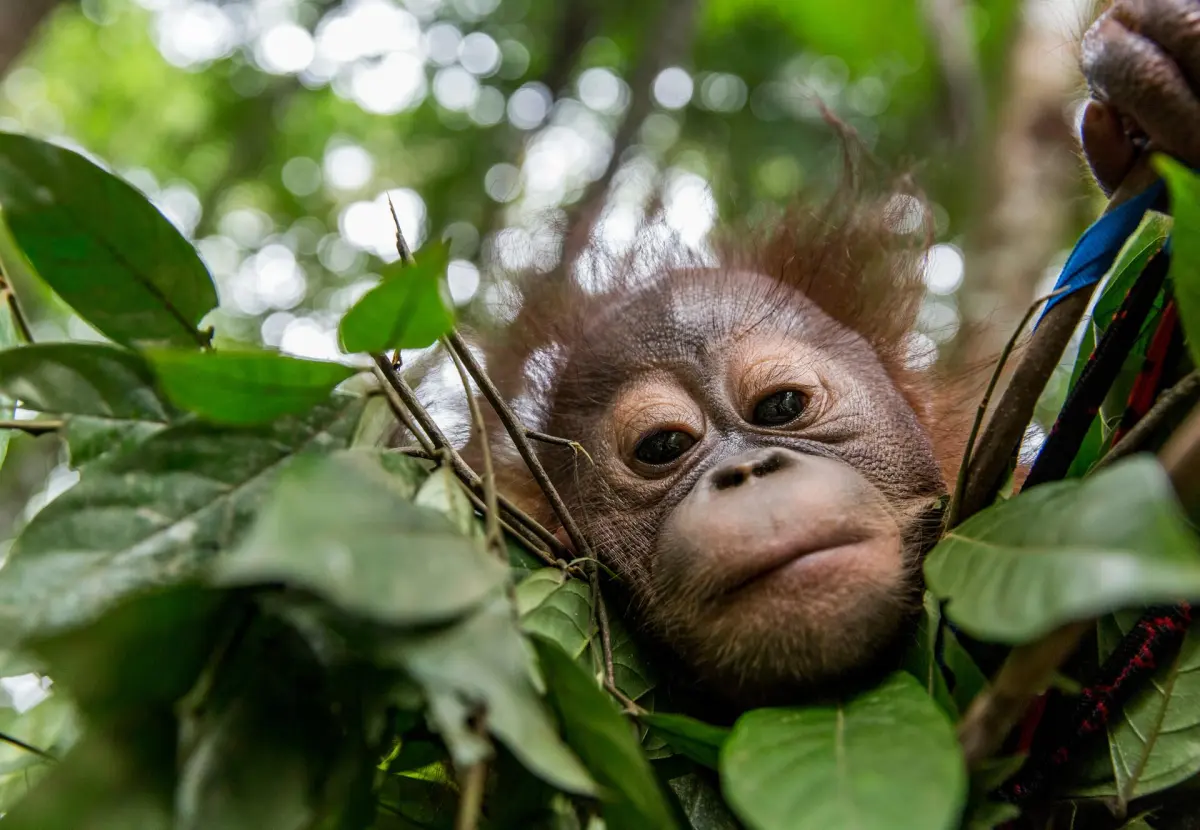
Yes, all three species of orangutans are critically endangered. According to the International Union for Conservation of Nature (IUCN), their populations have declined significantly due to habitat loss and illegal hunting. Without urgent intervention and habitat protection, these great apes face a high risk of extinction in the wild within our lifetime.

On this page
Why are orangutans endangered?
The primary driver of the orangutan population decline is the rapid destruction of their natural habitat in Borneo and Sumatra. Tropical rainforests are being cleared at an alarming rate to make way for palm oil plantations, paper pulp industries, and small-scale agriculture. As these forests disappear, orangutans lose their primary source of food and shelter, forcing them into fragmented areas where they struggle to survive.
Beyond habitat loss, illegal hunting and the pet trade pose severe threats to the species. Adult orangutans are often killed when they wander into plantations, while infants are frequently captured to be sold as exotic pets. Because orangutans have a very slow reproductive rate—females typically give birth only once every seven to nine years—the population cannot recover quickly from these losses.
Which orangutan species are at risk?
Scientists recognize three distinct species of orangutans, all of which are categorized as critically endangered. Each species faces unique challenges based on their specific geographical range and the human activities occurring within those regions.
- Bornean orangutan (Pongo pygmaeus): Found on the island of Borneo, this species has seen its population drop by more than 50 percent over the past 60 years.
- Sumatran orangutan (Pongo abelii): Restricted to the northern part of Sumatra, this population is highly vulnerable due to intense deforestation and road construction.
- Tapanuli orangutan (Pongo tapanuliensis): Discovered as a distinct species in 2017, this is the rarest great ape in the world, with fewer than 800 individuals remaining in the Batang Toru ecosystem.
How can individuals help save orangutans?
Supporting conservation efforts is a practical way for individuals to contribute to the survival of these primates. You can make a tangible difference by being mindful of your daily consumption habits and supporting reputable organizations that work on the ground in Indonesia and Malaysia.
- Choose products containing sustainable palm oil certified by the RSPO (Roundtable on Sustainable Palm Oil).
- Reduce your consumption of paper and wood products that are not certified by the Forest Stewardship Council (FSC).
- Donate to or volunteer with established conservation groups like the Orangutan Foundation International or the Borneo Orangutan Survival Foundation.
- Educate others about the plight of the orangutan to build broader public awareness and political pressure.
Common mistakes when trying to help
Many well-intentioned people make errors that inadvertently undermine conservation goals. One common mistake is boycotting all palm oil products entirely, which can be counterproductive because palm oil is an incredibly high-yielding crop. If the world stopped using palm oil, companies might switch to other crops that require even more land, leading to further deforestation. Instead, the focus should be on demanding transparency and sustainable practices from manufacturers.
Another mistake is supporting unethical wildlife tourism. Some facilities claim to be sanctuaries but actually facilitate the exploitation of orangutans for photo opportunities or entertainment. Always research a facility thoroughly before visiting. A legitimate sanctuary will prioritize the rehabilitation and eventual release of animals back into the wild, keeping human interaction to a strict minimum to prevent the spread of diseases and maintain the animals' natural behaviors.
What is the future outlook for orangutans?
The future of the orangutan depends on the enforcement of environmental laws and the restoration of degraded forest corridors. Conservationists are currently working to create "wildlife bridges" that connect fragmented forest patches, allowing orangutans to travel safely between feeding grounds. International pressure on governments to stop the conversion of peatlands into plantations is also essential for maintaining the integrity of these vital ecosystems.
While the situation remains dire, there have been small successes in rehabilitation and reintroduction programs. By returning rescued orangutans to protected forest reserves, scientists are slowly building new, self-sustaining populations. Continued commitment from the global community, combined with stronger local protections, is the only way to ensure that these intelligent, gentle creatures do not vanish from the planet forever. The path forward requires a balance between economic development and the preservation of the world's most critical biodiversity hotspots.
Key facts
- All three orangutan species—Bornean, Sumatran, and Tapanuli—are classified as critically endangered by the IUCN.
- The Tapanuli orangutan is the rarest great ape, with an estimated population of fewer than 800 individuals.
- Habitat loss due to palm oil plantation expansion is the primary driver of rapid population decline.
- Orangutans are the largest arboreal mammals, spending nearly all of their time in the forest canopy.
- You can support conservation by purchasing products containing only certified sustainable palm oil (RSPO).
- Avoid visiting tourist attractions that offer direct contact or photo opportunities with captive orangutans.
The bottom line
Orangutans are currently facing an existential threat due to the rapid destruction of their Indonesian and Malaysian rainforest habitats. As critically endangered species, their survival depends on global efforts to curb deforestation and regulate the palm oil industry. By choosing sustainable products and avoiding exploitative wildlife tourism, individuals can contribute to the preservation of these intelligent primates and ensure their continued existence for future generations.
People also ask
Why are orangutans considered critically endangered?
They face severe threats from illegal hunting, the pet trade, and the destruction of their rainforest homes. As slow-breeding animals, they cannot recover quickly from these population losses.
How long do orangutans live in the wild?
In their natural habitat, orangutans typically live between 30 and 45 years. Their long lifespans are balanced by a slow reproductive rate, as females only give birth once every six to eight years.
What is the biggest threat to orangutan survival?
The conversion of tropical rainforests into industrial palm oil plantations is the most significant threat. This deforestation fragments their habitat and isolates individual groups, preventing natural migration and breeding.
Can orangutans survive in captivity?
While zoos and rescue centers provide safety, captivity is not a substitute for their natural environment. Reintroduction programs are difficult because young orangutans must spend years learning essential survival skills from their mothers.
How can I identify sustainable palm oil products?
Look for the RSPO (Roundtable on Sustainable Palm Oil) logo on packaging or use mobile apps like "PalmOil Scan." These tools help consumers identify companies that source oil without contributing to deforestation.
Are there any successful conservation efforts?
Yes, organizations like the Borneo Orangutan Survival Foundation rescue and rehabilitate displaced apes. These groups also work to protect existing forest corridors to ensure the species has a viable future in the wild.
This answer was created with the help of AI research tools and reference sources. Spotted an error? Let us know — we correct mistakes quickly. See our editorial policy.