How does hydroelectric power work?
Short answer
Hydroelectric power generates electricity by converting the kinetic energy of flowing water into mechanical energy. A dam typically holds back a reservoir, releasing water through turbines that spin a generator. This process produces clean, renewable energy by harnessing gravity, making it one of the most reliable and efficient power sources globally.
On this page
- How does a hydroelectric dam generate electricity?
- What are the main types of hydroelectric systems?
- How do engineers maintain hydroelectric efficiency?
- What are the common mistakes when managing water resources?
- Why is hydroelectric power considered a sustainable energy source?
- Key facts
- People also ask
How does a hydroelectric dam generate electricity?
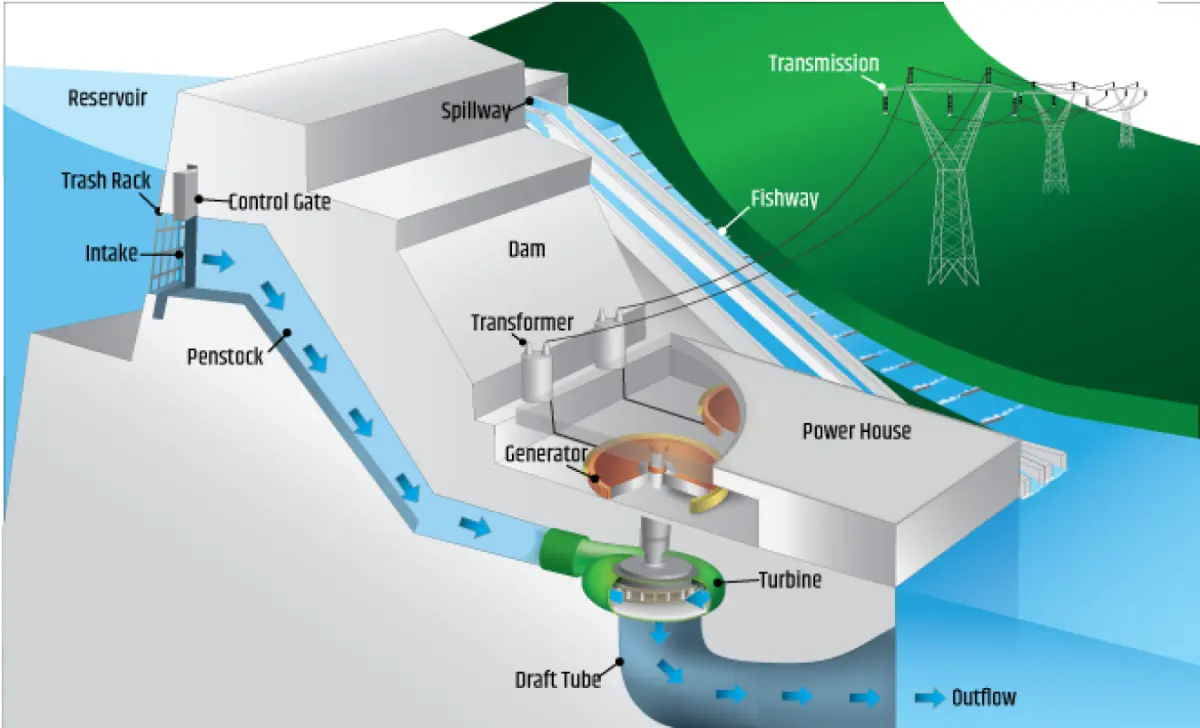
The process of generating hydroelectricity relies on the fundamental principles of gravity and motion. When water is stored in a reservoir behind a dam, it possesses potential energy due to its elevated position. When the intake gates open, gravity pulls the water downward through a large pipe known as a penstock. As the water rushes through, it gains significant velocity and pressure.
Upon reaching the powerhouse at the base of the dam, the high-pressure water strikes the blades of a turbine. The force of the water causes the turbine to rotate, which in turn spins a shaft connected to a generator. Inside the generator, magnets rotate past copper coils to produce an alternating current. This electricity is then sent through transformers to increase the voltage for efficient long-distance transmission across the power grid.
What are the main types of hydroelectric systems?
Hydroelectric facilities are categorized based on how they manage water flow and storage. The most common types include impoundment, diversion, and pumped-storage facilities. Each system is designed to suit different geographical landscapes and energy demand requirements.
- Impoundment: Uses a dam to store water in a reservoir, allowing operators to control the output based on electricity demand.
- Diversion (Run-of-River): Channels a portion of a river through a canal or penstock without requiring a large storage reservoir.
- Pumped-Storage: Acts like a giant battery by pumping water to a higher elevation reservoir during low-demand periods and releasing it during peak hours.
Pumped-storage is particularly vital for modern grids. It allows utility companies to store excess energy generated by intermittent sources like wind or solar, releasing it exactly when consumers need it most.
How do engineers maintain hydroelectric efficiency?
Maintaining a hydroelectric plant requires constant monitoring of mechanical components and water management systems. Engineers must ensure that the turbine blades remain free of debris and that the generator cooling systems function correctly. Regular inspections prevent cavitation, a phenomenon where air bubbles collapse against turbine blades, causing significant structural damage over time.
- Perform routine vibration analysis on turbine shafts to detect early signs of mechanical wear.
- Clear trash racks at the intake gates to ensure maximum water flow.
- Calibrate governor systems that regulate the speed of the turbine to match grid frequency requirements.
- Monitor reservoir sedimentation levels, as silt buildup can reduce storage capacity and damage equipment.
By following these procedures, operators can extend the lifespan of a facility by decades. Proper maintenance ensures that the plant operates at peak performance, maximizing the amount of electricity produced per cubic meter of water released.
What are the common mistakes when managing water resources?
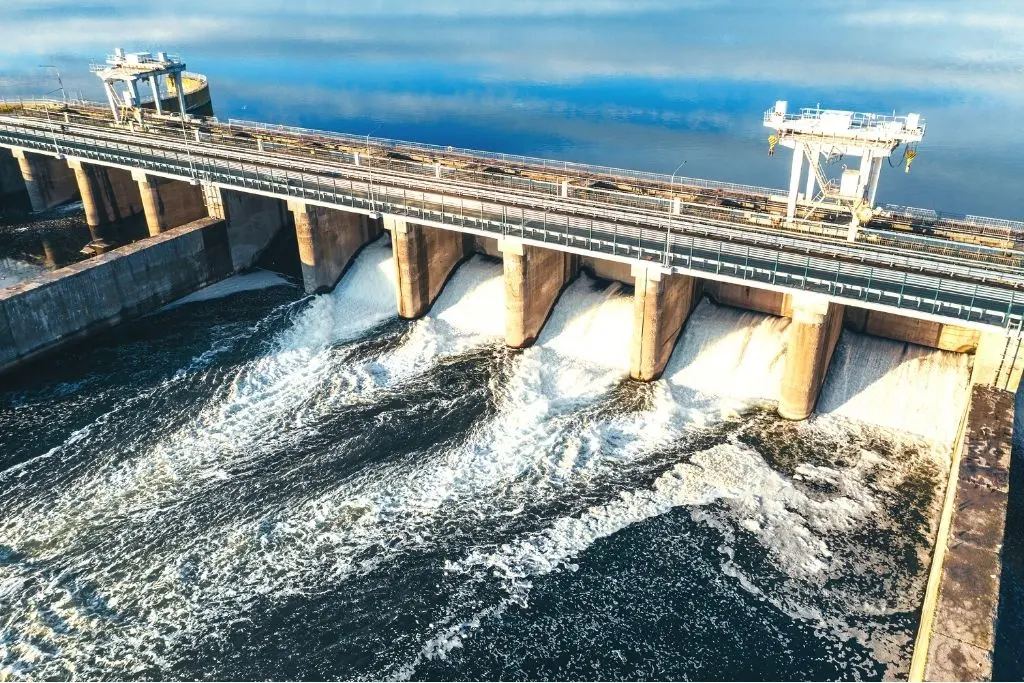
Poor water management can lead to significant operational failures and environmental degradation. A frequent mistake is failing to account for seasonal variations in precipitation, which can result in reservoir levels dropping too low to generate power or rising too high, forcing dangerous emergency releases. Operators must balance power production with the needs of downstream ecosystems and local communities.
Another error is ignoring the impact of sediment management. If sediment is allowed to accumulate excessively, it can clog intake structures and reduce the efficiency of the entire plant. Furthermore, overlooking the environmental impact of fish migration can lead to regulatory shutdowns. Modern plants must incorporate fish ladders or bypass systems to allow aquatic life to move past the dam safely. Failing to integrate these ecological protections often results in legal challenges and costly retrofits that could have been avoided with better initial planning.
Why is hydroelectric power considered a sustainable energy source?
Hydroelectric power is a cornerstone of the global transition to renewable energy because it provides a consistent "baseload" supply. Unlike solar or wind, which are weather-dependent, hydroelectric plants can provide power on demand. This reliability makes them essential for stabilizing electrical grids that incorporate high percentages of variable renewable energy.
The environmental footprint of hydroelectricity is also relatively low over the long term. Once the initial construction phase is complete, the facility produces no carbon emissions while generating electricity. Many modern plants are designed to be "fish-friendly" and incorporate advanced aeration systems to ensure that the water released downstream remains oxygenated and suitable for aquatic life. As technology improves, existing dams are being retrofitted with more efficient turbines that extract more energy from the same volume of water, further increasing the sustainability of this proven technology for future generations.
Key facts
- Hydroelectric power generates about 15% of the world's total electricity supply.
- The process converts the kinetic energy of flowing water into mechanical energy using a turbine.
- A generator then transforms that mechanical energy into electrical energy via electromagnetic induction.
- The Grand Coulee Dam in Washington state is the largest hydroelectric facility in the United States.
- Reservoirs allow operators to store water and release it on demand to meet peak electricity needs.
- Pumped-storage plants act like giant batteries by moving water between two reservoirs at different elevations.
The bottom line
Hydroelectric power remains a cornerstone of global renewable energy by transforming the movement of water into reliable electricity. By utilizing turbines and generators, these facilities provide stable power that can be adjusted to meet grid demands. While environmental considerations regarding ecosystems are essential, the ability to store energy in reservoirs makes hydroelectricity a vital, long-term solution for supporting a sustainable and carbon-neutral energy future.
People also ask
What is the difference between a dam and a run-of-river plant?
A dam facility uses a large reservoir to store water for controlled release, while run-of-river plants rely on the natural flow of a river. Run-of-river systems have little to no water storage capacity and are more sensitive to seasonal changes in water levels.
How long do hydroelectric power plants typically last?
Hydroelectric plants are exceptionally durable, with many dams remaining operational for 50 to 100 years or more. While the civil engineering structures last for decades, the mechanical turbines and electrical generators usually require upgrades every 30 to 40 years.
Does hydroelectric power produce greenhouse gas emissions?
While the electricity generation process itself is emission-free, the decomposition of organic matter in newly flooded reservoirs can release methane and carbon dioxide. These emissions are generally much lower than those produced by fossil fuel power plants over the same period.
Can hydroelectric power be used as a base load energy source?
Yes, hydroelectric power is highly reliable and can provide a steady "base load" of electricity to the grid. Because operators can control the flow of water, it is also one of the few renewable sources that can easily adjust output to meet fluctuating demand.
What are the primary environmental impacts of building a dam?
Dams can disrupt fish migration patterns, alter natural water temperatures, and change the sediment flow of a river. Modern facilities often mitigate these issues by installing fish ladders and bypass systems to help aquatic life navigate the structures.
Is hydroelectric power considered a renewable energy source?
Hydroelectric power is considered renewable because it relies on the Earth's water cycle, which is constantly replenished by solar-driven evaporation and precipitation. As long as the river continues to flow, the energy source remains available for human use.
This answer was created with the help of AI research tools and reference sources. Spotted an error? Let us know — we correct mistakes quickly. See our editorial policy.