Who invented the car?
Short answer
Karl Benz is widely credited with inventing the modern automobile in 1886. His Patent-Motorwagen, a three-wheeled vehicle powered by an internal combustion engine, marked the transition from horse-drawn carriages to motorized transport. While others experimented with steam and electric power earlier, Benz created the first practical, gasoline-powered car intended for commercial production.
On this page
Who actually invented the car?
The invention of the car was not a single "eureka" moment but a culmination of centuries of engineering. While Karl Benz is formally recognized for the 1886 Patent-Motorwagen, his wife, Bertha Benz, was instrumental in proving its viability. In 1888, she took the vehicle on the first long-distance road trip, covering 66 miles to demonstrate that the invention was reliable for everyday travel.
Before Benz, several pioneers laid the technical groundwork for self-propelled vehicles. Nicolas-Joseph Cugnot built a steam-powered tricycle for the French military in 1769, though it was heavy and difficult to steer. Later, inventors like Siegfried Marcus and Gottlieb Daimler experimented with liquid-fuel engines. However, Benz integrated the chassis and engine into a unified design, making his machine the first true automobile rather than a motorized carriage.
How did early cars work?
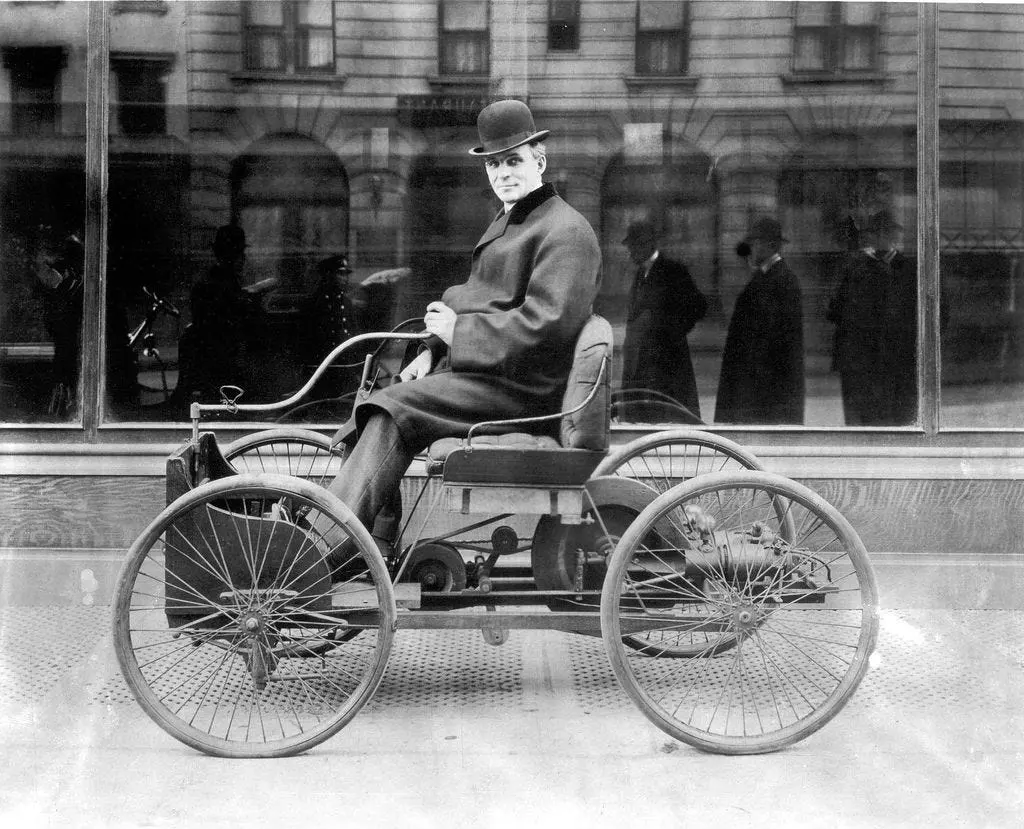
Early automobiles functioned much differently than the sophisticated vehicles seen on roads today. The Patent-Motorwagen utilized a rear-mounted, single-cylinder four-stroke engine that produced less than one horsepower. Because there were no fuel pumps or sophisticated cooling systems, the engine relied on a simple surface carburetor and a thermosyphon cooling system to prevent overheating during operation.
Operating these machines required significant mechanical knowledge and physical effort. Drivers had to manage several manual tasks simultaneously to keep the engine running and the vehicle moving. Key components of these early designs included:
- Tiller steering: A simple lever used to direct the front wheel.
- Leather belt drive: Used to transfer power from the engine to the wheels.
- Open-crank starting: A manual process requiring the driver to spin the engine by hand.
- Solid rubber tires: These lacked air pressure, resulting in a very rough ride on unpaved roads.
Why did gasoline engines win?
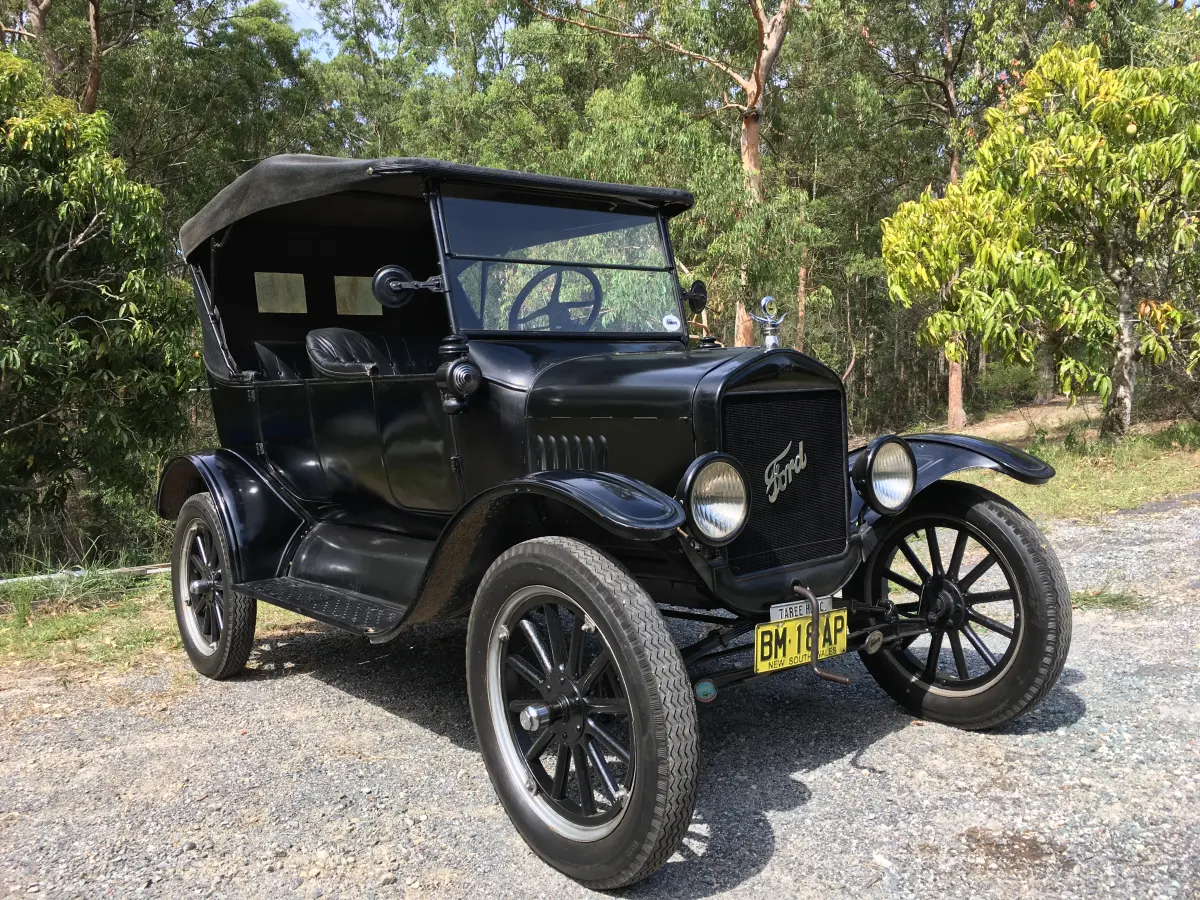
In the late 19th century, three distinct technologies competed for dominance: steam, electricity, and gasoline. Steam engines were powerful but required long startup times and frequent water stops. Electric cars were quiet and easy to start, but their heavy lead-acid batteries offered very limited range and slow charging times. Gasoline emerged as the victor due to its high energy density and the rapid expansion of fuel infrastructure.
The internal combustion engine offered a superior balance of power, weight, and range that steam and electricity could not match at the time. As production methods improved, gasoline vehicles became cheaper to manufacture, further distancing them from their competitors. This transition was solidified by the introduction of mass-production techniques, which made gasoline-powered cars affordable for the average middle-class family rather than just the wealthy elite.
Common mistakes when researching car history
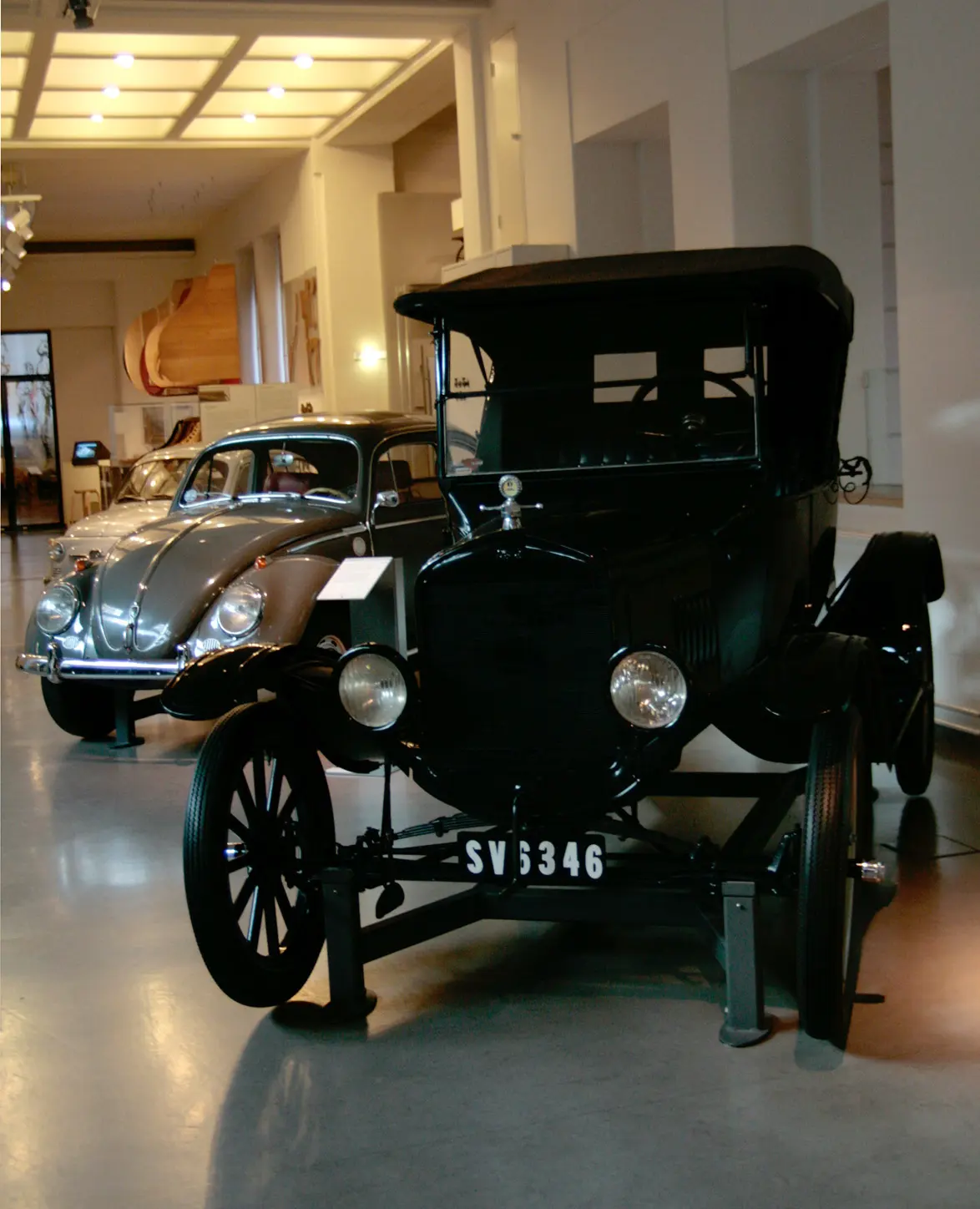
Many people mistakenly attribute the invention of the car to Henry Ford. While Ford was a brilliant industrialist who revolutionized the industry with the Model T and the moving assembly line, he did not invent the automobile. He popularized it by making it accessible through efficient manufacturing, but the fundamental technology existed decades before his factory began operations in the early 20th century.
Another common error is ignoring the role of non-gasoline prototypes. History is often simplified to focus only on the winners of the technological race, leading to the exclusion of important steam and electric pioneers. When studying this history, keep these tips in mind:
- Distinguish between an "invention" and a "commercial success."
- Research the specific patent dates to verify claims of priority.
- Look for regional variations, as inventors in France, Germany, and the United States were often working simultaneously.
- Avoid relying on singular narratives; acknowledge that multiple engineers contributed to the evolution of steering, braking, and transmission systems.
How can you learn more about classic cars?
If you are interested in the evolution of automotive technology, the best approach is to visit specialized museums or examine primary patent documents. Many national transport museums house original 19th-century vehicles that allow you to see the mechanical components up close. Seeing the scale and simplicity of a Benz Patent-Motorwagen provides a much better understanding of the engineering constraints faced by early inventors than reading descriptions alone.
To deepen your knowledge, focus on the transition from custom-built prototypes to assembly-line manufacturing. Understanding how standardized parts changed the industry is just as important as knowing who turned the first engine. By studying the technical manuals and historical blueprints available through digital archives, you can trace how specific innovations—such as the differential gear or the pneumatic tire—transformed the car from a dangerous novelty into the primary mode of global transportation.
Key facts
- Karl Benz is widely credited with inventing the modern automobile in 1886 with his Patent-Motorwagen.
- The 1886 Benz Patent-Motorwagen was the first vehicle designed specifically to be propelled by an internal combustion engine.
- Nicolas-Joseph Cugnot built the first self-propelled mechanical vehicle, a steam-powered tricycle, in 1769.
- Henry Ford did not invent the car, but he revolutionized the industry by introducing the moving assembly line in 1913.
- Avoid conflating the invention of the engine with the invention of the car; many early inventors experimented with steam or electric motors before gasoline engines became standard.
- When researching automotive history, distinguish between "horseless carriages" and mass-produced automobiles to understand the evolution of the technology.
The bottom line
The invention of the car was not the work of a single person but a gradual evolution of engineering. While Karl Benz is credited with the first modern gasoline-powered automobile in 1886, his success built upon earlier steam and electric experiments. Understanding this history requires recognizing that the transition from horse-drawn carriages to mass-produced vehicles involved decades of global innovation, trial, and mechanical refinement.
People also ask
Was the first car powered by gasoline?
No, the very first self-propelled vehicles used steam power. Gasoline engines became the standard only after inventors like Karl Benz and Gottlieb Daimler refined the internal combustion process in the late 19th century.
Did Henry Ford invent the assembly line?
While Ford did not invent the concept of the assembly line, he was the first to successfully apply it to large-scale automobile production. This innovation drastically reduced the time and cost required to build a single Model T.
Why are there multiple people credited with inventing the car?
Automotive history is a collection of incremental improvements rather than a single "eureka" moment. Different inventors in France, Germany, and the United States were working on steam, electric, and gasoline prototypes simultaneously throughout the 19th century.
What was the first car sold to the public?
The Benz Patent-Motorwagen is generally considered the first production automobile. Karl Benz began selling his three-wheeled vehicle in 1888, marking the start of the commercial automotive industry.
Were electric cars invented recently?
Electric vehicles have existed since the early 19th century. In fact, electric cars were quite popular in the late 1890s and early 1900s because they were quieter and easier to operate than early gasoline-powered models.
How did early cars steer?
Many of the earliest automobiles used a tiller—a simple lever—rather than the circular steering wheel we use today. The steering wheel was not standardized until the early 20th century to provide better control at higher speeds.
This answer was created with the help of AI research tools and reference sources. Spotted an error? Let us know — we correct mistakes quickly. See our editorial policy.