What is Chicago known for?
Short answer
Chicago is globally recognized for its iconic skyline, pioneering architectural history, and deep-rooted influence on jazz and blues music. As a major cultural and economic hub in the American Midwest, the city offers world-class museums, expansive lakefront parks, and a distinct culinary identity defined by deep-dish pizza and Chicago-style hot dogs.
On this page
Why is Chicago architecture famous?
Chicago is widely considered the birthplace of the modern skyscraper. Following the Great Chicago Fire of 1871, architects utilized new steel-frame construction techniques to rebuild the city, leading to the development of the "Chicago School" of architecture. This movement emphasized verticality and large plate-glass windows, setting the standard for urban design throughout the 20th century. Landmarks such as the Monadnock Building and the Rookery showcase this historical innovation.
Today, the city remains a living museum of architectural styles, ranging from the Gothic revival of the Tribune Tower to the sleek, minimalist aesthetics of modern glass towers. The Willis Tower, formerly the Sears Tower, held the title of the world’s tallest building for 25 years after its completion in 1974. Visitors can explore this legacy through various guided tours, including boat cruises along the Chicago River that offer unobstructed views of the city's structural evolution.
- The Rookery Building: Famous for its lobby redesigned by Frank Lloyd Wright.
- Marina City: Known for its distinctive "corn-cob" shaped residential towers.
- Aqua Tower: A modern example of sculptural, wave-like architectural design.
How to experience Chicago food culture
Culinary traditions in Chicago are hearty, unique, and deeply tied to the city’s working-class history. The Chicago-style hot dog is a quintessential local staple, featuring an all-beef frankfurter on a poppy seed bun, topped with yellow mustard, neon green relish, chopped onions, tomato wedges, a pickle spear, sport peppers, and celery salt. Crucially, true enthusiasts insist that ketchup is never permitted on a Chicago-style hot dog.
Deep-dish pizza is another iconic dish, characterized by a thick, buttery crust and a deep layer of cheese topped with chunky tomato sauce. Because of its density, it is baked in a round steel pan and requires a longer cooking time than traditional thin-crust varieties. When visiting, consider these tips to navigate the dining scene:
- Order your deep-dish pizza at least 45 minutes before you are hungry, as the baking process takes significant time.
- Visit local neighborhood "taverns" for thin-crust, square-cut pizza, which is actually the most common style eaten by locals.
- Explore the West Loop neighborhood for high-end, award-winning restaurants that have put the city on the global fine-dining map.
Where are the best museums in Chicago?
Chicago’s museum campus is a premier destination for science and art enthusiasts alike. Located along the shores of Lake Michigan, the campus hosts the Adler Planetarium, the Field Museum of Natural History, and the Shedd Aquarium. These institutions are clustered together, allowing visitors to walk between them while enjoying panoramic views of the skyline. The Field Museum is particularly famous for housing "Sue," one of the most complete Tyrannosaurus rex skeletons ever discovered.
Beyond the campus, the Art Institute of Chicago stands as a titan of the art world. It holds an extensive collection of impressionist and post-impressionist paintings, including Grant Wood’s "American Gothic" and Georges Seurat’s "A Sunday on La Grande Jatte." The museum is housed in a historic building that serves as a gateway to Millennium Park. To make the most of your visit, prioritize specific collections, as the galleries are vast and can easily take an entire day to traverse.
Common mistakes when visiting Chicago
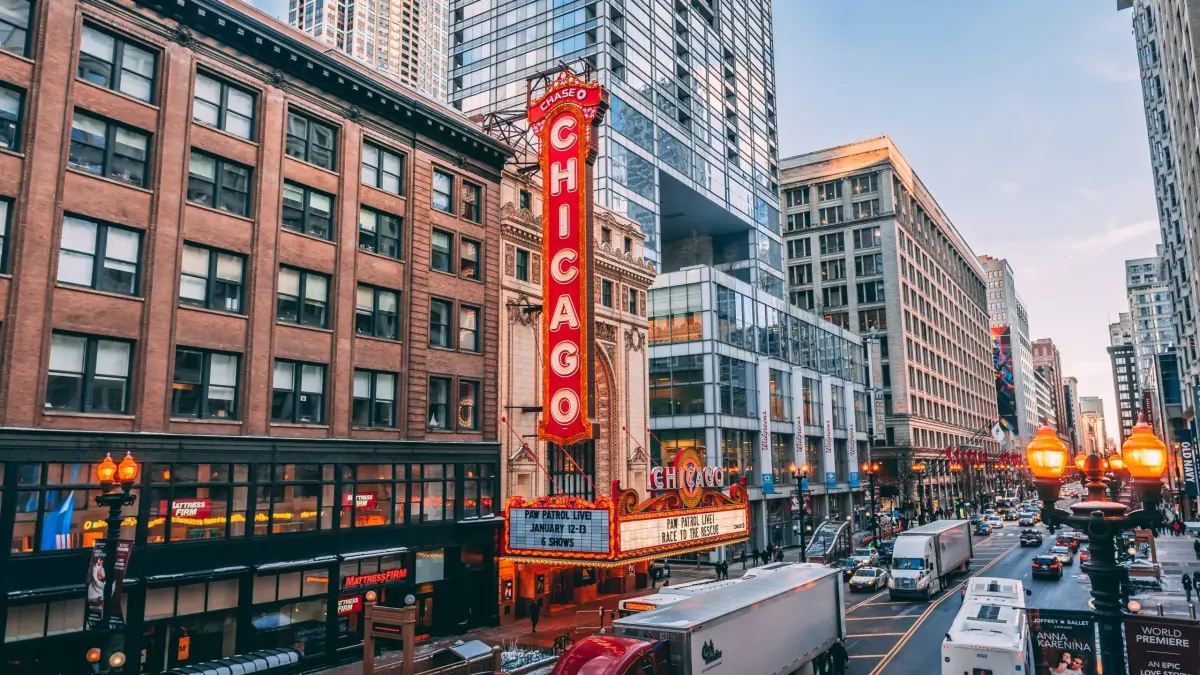
Travelers often underestimate the scale of the city and the impact of the weather. A common error is attempting to walk between distant neighborhoods, as Chicago is geographically expansive. While the downtown area, known as the Loop, is walkable, utilizing the "L" train system—the city's elevated rapid transit network—is essential for reaching areas like Lincoln Park, Wicker Park, or Hyde Park. Always check the transit map before departing to ensure you are heading in the correct direction.
Another frequent mistake involves ignoring the weather conditions, especially during shoulder seasons. Chicago is known as the "Windy City," a nickname derived partly from its blustery lakefront climate. Even on sunny days, temperatures near the water can be significantly cooler than inland. Dressing in layers is the most practical strategy for comfort. Additionally, avoid visiting during the peak of winter if you are not prepared for sub-zero temperatures and heavy snow, which can significantly alter your planned outdoor activities.
What is the history of Chicago jazz and blues?
Chicago played a pivotal role in the evolution of American music during the 20th century. As African Americans migrated from the South to the North during the Great Migration, they brought the blues with them, which evolved into the electrified "Chicago Blues" sound. Artists like Muddy Waters and Howlin' Wolf transformed the genre by adding amplification, creating a grittier, more urban rhythm that eventually laid the foundation for rock and roll.
The city’s jazz scene was equally influential, flourishing in the 1920s with legends like Louis Armstrong and King Oliver. Today, this musical heritage is preserved in numerous clubs throughout the city, particularly in neighborhoods like Bronzeville and the Near North Side. To experience this history firsthand, look for venues that host live performances nightly. Whether you prefer an intimate basement club or a larger concert hall, the city’s commitment to its musical roots remains a vital part of its identity, ensuring that the legacy of these genres continues to thrive for new generations of listeners.
Key facts
- Chicago is home to the Willis Tower, which held the title of the world's tallest building from its completion in 1974 until 1998.
- The city is famous for its deep-dish pizza, characterized by a thick, buttery crust and a layer of cheese beneath the tomato sauce.
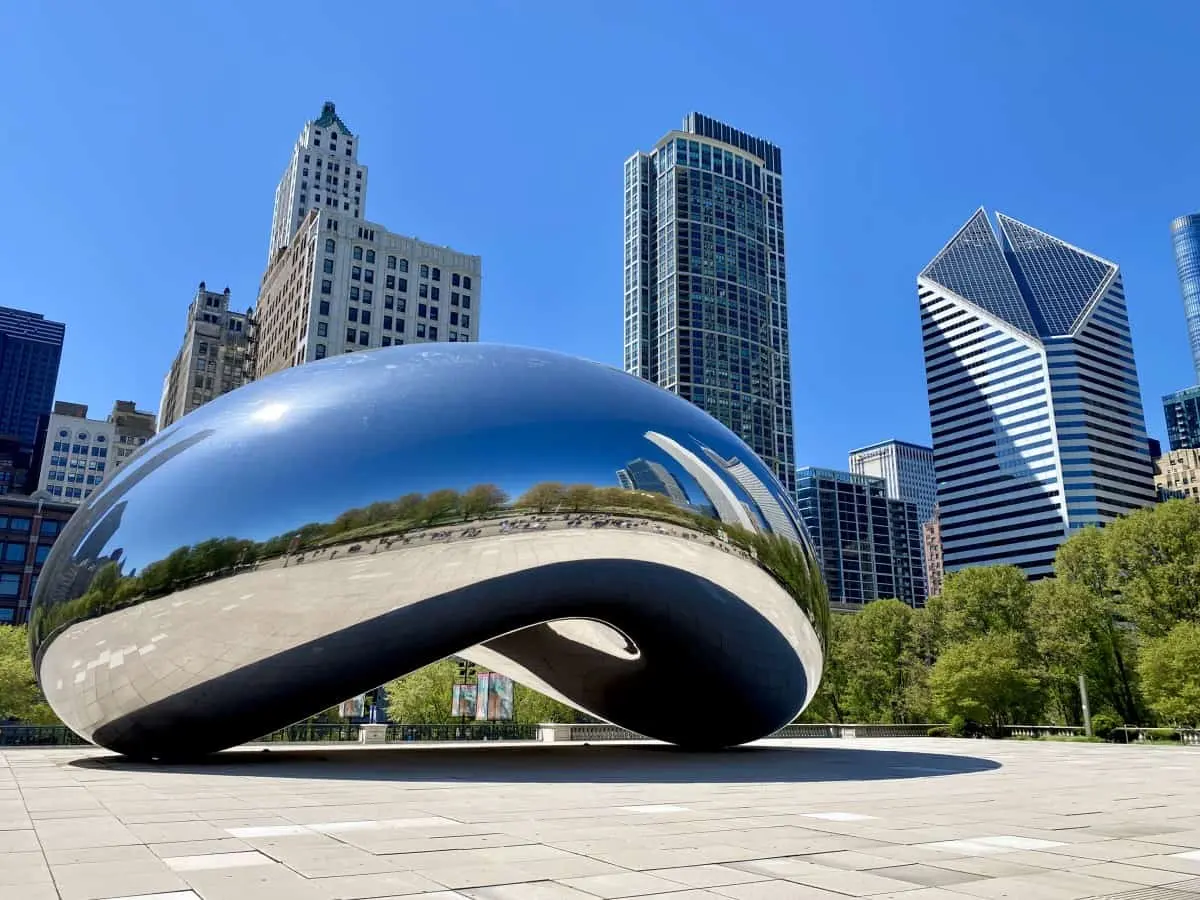
- Millennium Park, opened in 2004, features the iconic "Cloud Gate" sculpture, colloquially known as "The Bean."
- Chicago serves as a major transportation hub, hosting O'Hare International Airport, which consistently ranks among the busiest airports globally.
- The city features a unique architectural skyline, famously rebuilt following the Great Chicago Fire of 1871.
- To avoid long lines at major attractions, visit the Art Institute of Chicago on weekday mornings rather than weekends.
The bottom line
Chicago is a world-class destination defined by its resilient history, innovative architecture, and deep-rooted culinary traditions. From the soaring heights of the Willis Tower to the tranquil shores of Lake Michigan, the city offers a blend of urban energy and cultural depth. By utilizing public transit and exploring diverse neighborhoods, visitors can experience the authentic character that makes Chicago a cornerstone of American life and commerce.
People also ask
What is the best time of year to visit Chicago?
Late spring and early autumn are ideal, as temperatures are mild and the city's parks and lakefront are most accessible. Winters are notoriously harsh and windy, which can limit outdoor sightseeing.
Is it necessary to rent a car in Chicago?
No, renting a car is often a mistake due to expensive parking and heavy traffic. The Chicago Transit Authority (CTA) operates an extensive train and bus network that reaches almost every major neighborhood.
What are the must-see neighborhoods for tourists?
The Loop is essential for architecture and museums, while Lincoln Park offers beautiful green spaces and a free zoo. Wicker Park and Logan Square are popular for their vibrant local art, dining, and nightlife scenes.
How should I dress for the weather in Chicago?
Always dress in layers, regardless of the season. The "Windy City" nickname is accurate, and temperatures near Lake Michigan can drop rapidly even on sunny days.
Are there any specific safety tips for visitors?
Stick to well-populated, tourist-friendly areas and remain aware of your surroundings, especially when using public transit at night. Like any large metropolis, keep your belongings secure and avoid displaying expensive items in crowded locations.
What is the most iconic way to see the city's architecture?
Taking an architectural boat tour along the Chicago River is widely considered the best way to view the skyline. These tours provide historical context and unobstructed views of landmarks like the Tribune Tower and Marina City.
This answer was created with the help of AI research tools and reference sources. Spotted an error? Let us know — we correct mistakes quickly. See our editorial policy.