What is Lima known for?
Short answer
Lima is the coastal capital of Peru, globally recognized as the gastronomic capital of the Americas. Founded in 1535, it serves as the nation’s political and cultural heart. The city is famous for its well-preserved colonial architecture, Pacific cliffside views, vibrant nightlife, and a sophisticated culinary scene that blends indigenous and international influences.
On this page
Why is Lima famous for food?
Lima has earned a reputation as one of the world's premier culinary destinations. This status stems from a unique fusion of traditional Andean ingredients and historical influences from Spanish, African, Chinese, and Japanese immigrants. The city is home to several restaurants consistently ranked among the best in the world, including Central and Maido. Visitors flock to the city to experience authentic Peruvian flavors that have been refined over centuries.
The local food culture is defined by diversity and fresh ingredients sourced from the nearby Pacific Ocean and the fertile valleys of the Andes. Seafood plays a central role, particularly in dishes like ceviche, which consists of raw fish marinated in citrus juices. To experience the best of Lima’s food scene, consider these essential dishes:
- Ceviche: Fresh fish cured in lime juice, chili, and onions.
- Lomo Saltado: A stir-fry combining beef, onions, tomatoes, and french fries.
- Ají de Gallina: A creamy, mildly spicy chicken stew served with rice.
- Anticuchos: Grilled beef heart skewers, a popular street food staple.
How to explore Lima’s colonial history?
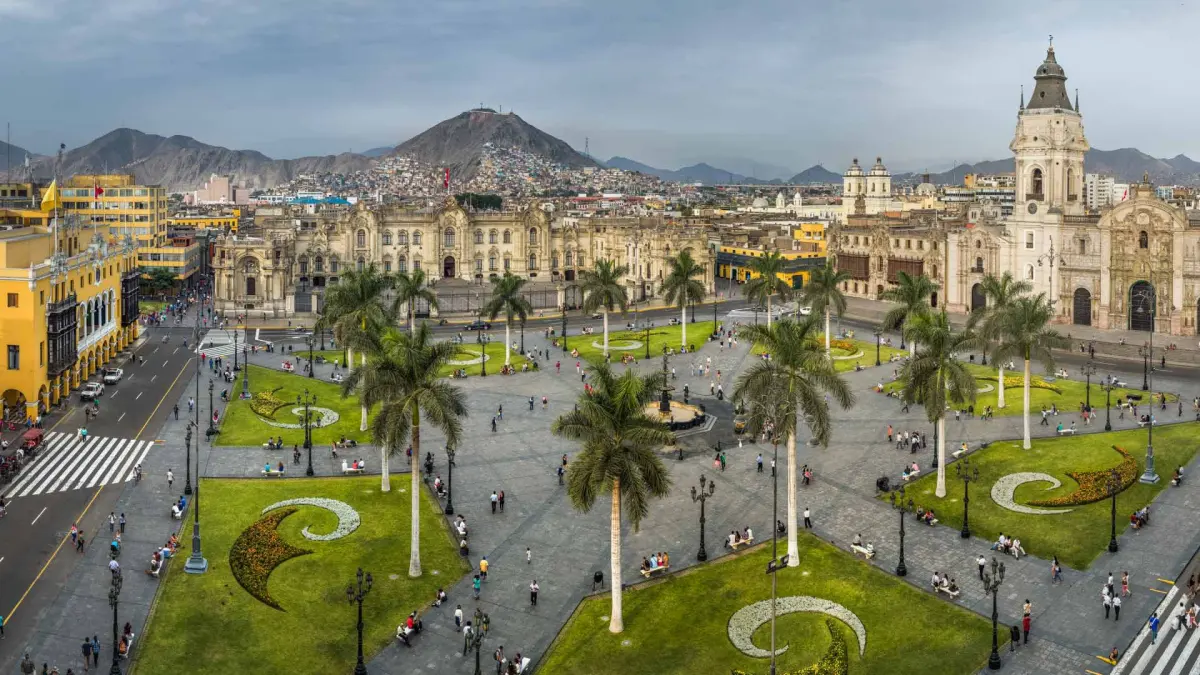
The Historic Centre of Lima, a UNESCO World Heritage site, offers a window into the city’s past as the "City of Kings." Founded by Francisco Pizarro, the area features grand squares and ornate religious buildings. The architecture showcases a blend of Spanish Baroque and Neoclassical styles, reflecting the wealth of the Spanish Viceroyalty. Walking through the Plaza Mayor allows visitors to see the Government Palace and the Lima Cathedral.
Exploring the historic district requires careful planning to appreciate the intricate details of the colonial structures. Many of the most significant sites are located within walking distance of one another, but the area can be crowded during peak hours. Follow these steps for an effective walking tour:
- Start at the Plaza Mayor to view the changing of the guard at the Government Palace.
- Enter the Lima Cathedral to see the tomb of Pizarro and the religious art collection.
- Visit the Monastery of San Francisco to tour the underground catacombs and the historic library.
- Walk toward the Basilica and Convent of Santo Domingo for panoramic views from the tower.
What is the best way to see the Pacific coast?
The Miraflores and Barranco districts are the primary hubs for coastal tourism in Lima. These areas are situated atop high cliffs overlooking the Pacific Ocean, offering dramatic views and expansive parks. The Malecón, a six-mile-long stretch of boardwalk, connects these neighborhoods and provides a scenic path for walking, jogging, and cycling. It is the most popular area for tourists due to its safety, modern amenities, and proximity to the ocean.
Barranco, located just south of Miraflores, is known as the bohemian district of the city. It is characterized by colorful colonial mansions, street art, and a relaxed atmosphere that attracts artists and musicians. The Bridge of Sighs, or Puente de los Suspiros, is a famous landmark here that serves as a gathering spot for locals and visitors alike. Whether you prefer the upscale shopping malls of Miraflores or the artistic charm of Barranco, the coastal cliffside remains Lima's most iconic landscape.
Common mistakes when visiting Lima
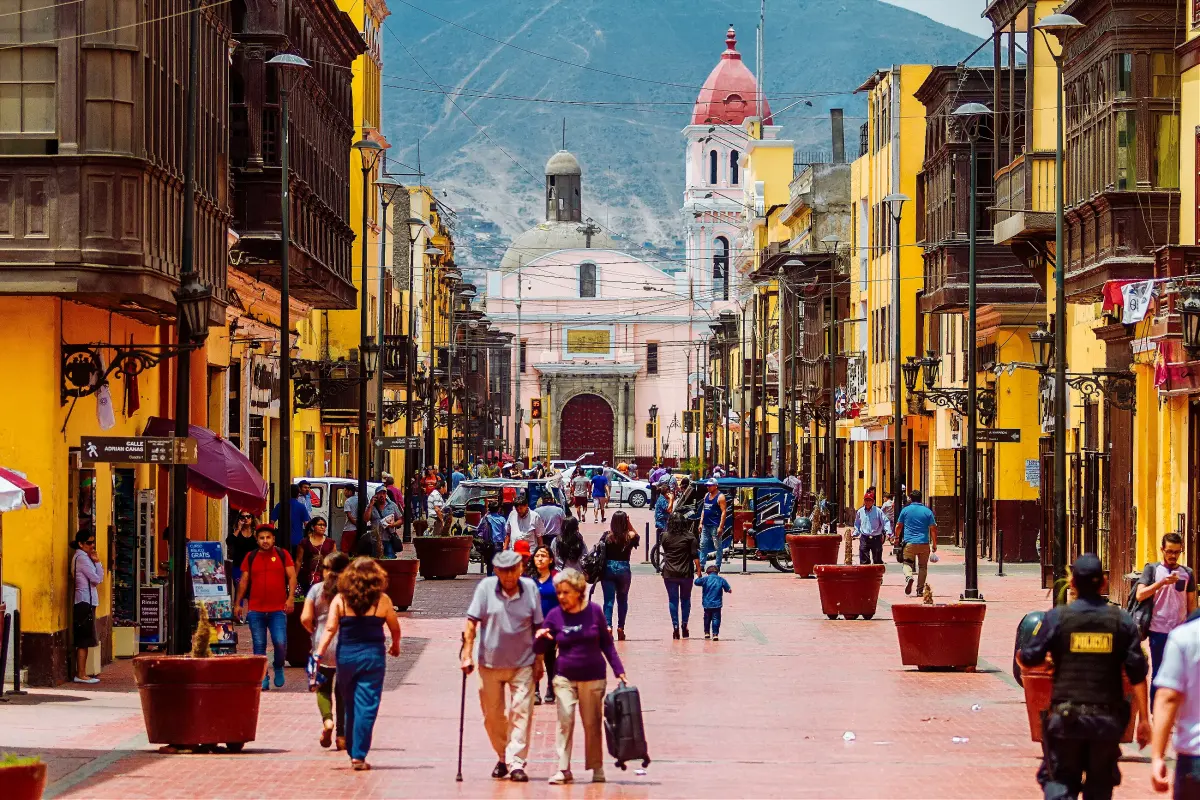
Many travelers underestimate the scale of the city and the complexity of its traffic. Lima is a sprawling metropolis with over 10 million residents, and congestion is a significant daily challenge. Relying on public buses can be confusing for newcomers, as the system lacks a unified map. To avoid frustration, stick to reputable taxi apps or hire private drivers recommended by your hotel when traveling between distant districts.
Another common error is failing to account for the "garúa," a persistent coastal fog that blankets the city during the winter months from June to October. While it rarely rains, the sky remains grey, which can be surprising for those expecting a tropical climate. Do not assume that the lack of sun means you are safe from UV rays, as the radiation levels remain high even on cloudy days. Always wear sunscreen and carry a light jacket, as the humidity can make the air feel colder than the thermometer suggests.
Why is Lima a gateway to Peru?
Lima serves as the primary entry point for international travelers heading to other parts of Peru, such as Cusco or the Amazon rainforest. Most flights into the country land at Jorge Chávez International Airport, making the city an unavoidable stop for those seeking to explore the wonders of the Inca Empire. Rather than treating the capital as a mere transit hub, many visitors find that spending two or three days here adds significant depth to their overall understanding of Peruvian history and modern identity.
Beyond the museums and restaurants, the city acts as a cultural laboratory where the rural traditions of the Andes meet the fast-paced life of a modern metropolis. By visiting the Larco Museum, travelers can view an extensive collection of pre-Columbian gold and silver artifacts, providing necessary context for the ruins they will encounter later in their journey. Engaging with the city’s vibrant markets and local crafts ensures that your visit to Peru begins with a comprehensive appreciation of the nation's rich and complex heritage.
Key facts
- Lima is the only South American capital city that sits directly on the Pacific Ocean, offering dramatic cliffside views from the Miraflores district.
- It is widely considered the "Gastronomic Capital of the Americas," hosting three of the world’s top 50 restaurants, including Central and Maido.
- The city was founded by Spanish conquistador Francisco Pizarro on January 18, 1535, and was originally named the "City of Kings."
- Lima’s historic center is a UNESCO World Heritage site, famous for its well-preserved colonial architecture and ornate wooden balconies.
- The city experiences a unique microclimate; it is often overcast and misty from June to October, a phenomenon locals call "la garúa."
- When visiting, always use registered taxi apps like Uber or Cabify rather than hailing unmarked street cabs to ensure personal safety.
The bottom line
Lima serves as the vibrant cultural and culinary heart of Peru, seamlessly blending colonial history with a modern, world-class dining scene. While its misty coastal climate and sprawling urban layout require some logistical planning, the city rewards travelers with exceptional seafood, historic architecture, and a unique fusion of indigenous and international influences. It remains an essential destination for anyone seeking to understand the soul of South America.
People also ask
Is it safe to drink tap water in Lima?
No, you should avoid drinking tap water in Lima as it is not treated for human consumption. Stick to bottled or boiled water to prevent gastrointestinal issues during your stay.
What is the best time of year to visit Lima?
The best time to visit is during the summer months from December to April. During this period, the coastal fog clears, providing sunny skies and warmer temperatures perfect for beach activities.
How do I get from the airport to the city center?
The Jorge Chávez International Airport is located in Callao, about 30 to 60 minutes from the main tourist hubs. It is highly recommended to book an official airport shuttle or a pre-arranged hotel transfer service.
What is a must-try dish in Lima?
Ceviche is the quintessential dish of Lima, consisting of fresh raw fish cured in citrus juices and spiced with chili peppers. You should also try lomo saltado, a stir-fry that reflects the city's Chinese-Peruvian fusion heritage.
Do I need to tip at restaurants in Lima?
Tipping is not mandatory in Peru, but it is common to leave about 10 percent in upscale restaurants. Check your bill for a "servicio" charge, as some establishments include a gratuity automatically.
Is Spanish the only language spoken in Lima?
Spanish is the official and most widely spoken language in the capital. While English is commonly understood in hotels, tourist areas, and high-end restaurants, learning basic Spanish phrases will significantly improve your experience.
This answer was created with the help of AI research tools and reference sources. Spotted an error? Let us know — we correct mistakes quickly. See our editorial policy.