Who invented the lawn mower?
Short answer
Edwin Budding, an English engineer, invented the first mechanical lawn mower in 1830. He designed the machine to trim grass on sports grounds and large gardens, replacing the labor-intensive use of scythes. His invention featured a bladed cylinder that rotated against a fixed edge, a mechanism still used in modern reel mowers.
On this page
Who invented the first lawn mower?
Edwin Budding, a textile engineer from Stroud, Gloucestershire, is credited with inventing the first lawn mower in 1830. Inspired by a machine used in textile mills to trim the nap off cloth, Budding realized the same principle could be applied to grass. He collaborated with John Ferrabee, a local engineer, to manufacture the device at the Phoenix Iron Works.
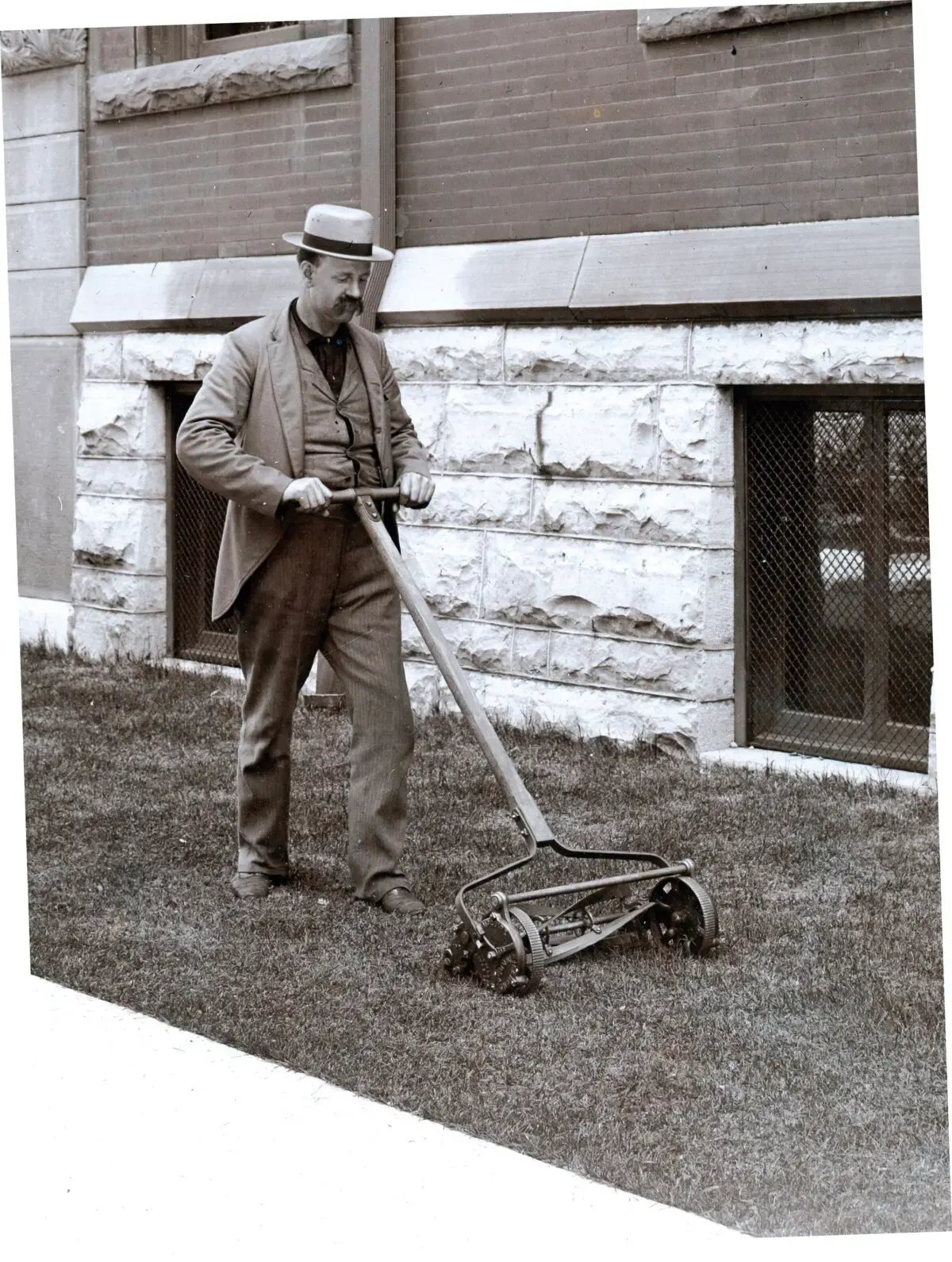
The original design consisted of a cast-iron frame with a large rear roller and a front cylinder equipped with helical blades. As the operator pushed the machine, the gears transferred motion to the cylinder, which sheared the grass against a stationary blade. This invention revolutionized garden maintenance, moving away from the scythe, which required immense skill and physical effort to operate effectively.
How did lawn mowers evolve over time?
Following Budding’s success, the technology underwent significant refinements to improve efficiency and ease of use. In 1842, Alexander Shanks introduced a horse-drawn mower, which allowed for the maintenance of much larger estates and public parks. By the late 19th century, manufacturers began experimenting with steam power, though these machines were often too heavy and dangerous for residential use.
The transition to modern mowing occurred in the early 20th century with the arrival of the internal combustion engine. Companies like Ransomes, Sims & Jefferies began producing gasoline-powered mowers, making them more accessible to the general public. Later innovations included:
- The introduction of rotary blades, which provided better suction for tall grass.
- The development of electric motors, both corded and battery-powered, for quieter operation.
- The invention of the hover mower, which uses an air cushion to glide over uneven terrain.
- The emergence of robotic mowers that navigate lawns autonomously using sensors and GPS technology.
How to choose the right lawn mower?
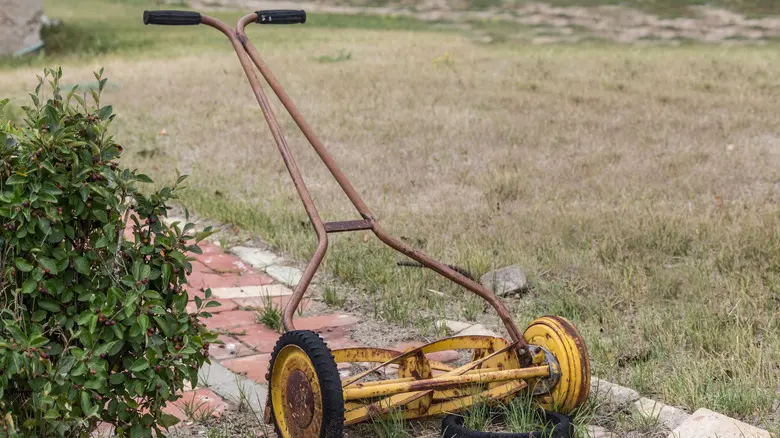
Selecting the best mower depends largely on the size of your lawn, the terrain, and your physical preference. For small, flat urban gardens, a manual reel mower is often sufficient and environmentally friendly. If you have a medium-sized yard with gentle slopes, a walk-behind electric or gas mower offers the best balance of power and maneuverability.
For larger properties exceeding half an acre, ride-on mowers or zero-turn models are highly recommended to save time. When shopping, consider these practical factors:
- Cutting width: A wider deck reduces the number of passes required for large lawns.
- Power source: Battery-powered units are quieter and lower maintenance, while gas models provide longer run times.
- Mulching capabilities: Machines that mulch return nutrients to the soil, promoting a healthier lawn.
- Storage space: Ensure the mower fits comfortably in your shed or garage when not in use.
What are common mistakes when mowing?
Many homeowners inadvertently damage their lawns by failing to follow basic maintenance principles. The most frequent error is cutting the grass too short, which exposes the soil to the sun, encourages weed growth, and stresses the root system. A good rule of thumb is the "one-third rule," which dictates that you should never remove more than one-third of the grass blade height in a single session.
Another common mistake is neglecting the mower’s blades. Dull blades do not cut grass cleanly; instead, they tear the tissue, leaving the tips jagged and brown. This damage makes the turf more susceptible to disease and pests. To maintain a healthy lawn, follow these maintenance steps:
- Sharpen the blades at least once per season to ensure a clean, precise cut.
- Check the oil and air filter regularly if using a gasoline-powered engine.
- Clean the underside of the deck after each use to prevent grass buildup.
- Avoid mowing when the grass is wet, as it causes clumping and damages the mower's internal components.
Why is regular lawn maintenance important?
Consistent mowing is essential for maintaining the aesthetic appeal and biological health of your landscape. Regular trimming encourages lateral growth, which creates a denser, more uniform carpet of grass that naturally crowds out weeds. Furthermore, frequent mowing prevents grass from going to seed, which redirects the plant's energy toward root development and overall durability.
Beyond the health of the grass, a well-maintained lawn increases property value and improves the local environment. Healthy turf acts as a natural air filter and helps cool the surrounding area through transpiration. By understanding the history of the lawn mower and using the machine correctly, you can ensure your outdoor space remains a vibrant, functional, and beautiful part of your home for many years to come.
Key facts
- Edwin Budding, an English engineer, invented the first mechanical lawn mower in 1830.
- The original design was inspired by a machine used to trim the nap off woven cloth in textile mills.
- Early mowers were made of cast iron and were heavy, often requiring two people to operate.
- Always clear your lawn of rocks and debris before mowing to prevent blade damage and dangerous projectiles.
- Adjust your mower deck to the highest setting during hot, dry spells to help the grass retain moisture.
- Sharpen mower blades at least once per season to ensure a clean cut that promotes healthy grass growth.
The bottom line
Edwin Budding’s 1830 invention revolutionized landscape maintenance, transforming a labor-intensive task into a manageable chore. While technology has evolved from heavy cast-iron push mowers to efficient gas and electric machines, the core principle of maintaining a healthy lawn remains consistent. By choosing the right equipment, sharpening blades regularly, and following proper mowing techniques, you can ensure a lush, vibrant lawn throughout the growing season.
People also ask
How did people cut grass before the invention of the mower?
Before the mechanical mower, people used hand-held scythes or shears to trim grass. This was a labor-intensive process usually reserved for wealthy estates that could afford teams of workers.
When were gasoline-powered lawn mowers introduced?
Gasoline-powered mowers became commercially available in the early 20th century, around 1902. These machines replaced the manual push-mower for large properties and professional landscaping.
Why should you avoid mowing wet grass?
Mowing wet grass causes the clippings to clump together, which can clog the mower deck and suffocate the lawn. It also results in an uneven cut and increases the risk of the mower slipping on damp turf.
What is the benefit of a mulching mower?
A mulching mower finely chops grass clippings and returns them to the soil as natural fertilizer. This practice recycles nutrients, reduces waste, and helps the lawn maintain moisture levels.
How often should I mow my lawn?
You should mow often enough that you never remove more than one-third of the grass blade height at once. Frequent, light trimming is much healthier for the grass than infrequent, heavy cutting.
What is the difference between a reel mower and a rotary mower?
A reel mower uses a spinning cylinder of blades to shear grass like scissors, providing a very clean cut. A rotary mower uses a single horizontal blade spinning at high speeds, which is better for tall or thick weeds.
This answer was created with the help of AI research tools and reference sources. Spotted an error? Let us know — we correct mistakes quickly. See our editorial policy.