What is Big Ben?
Short answer
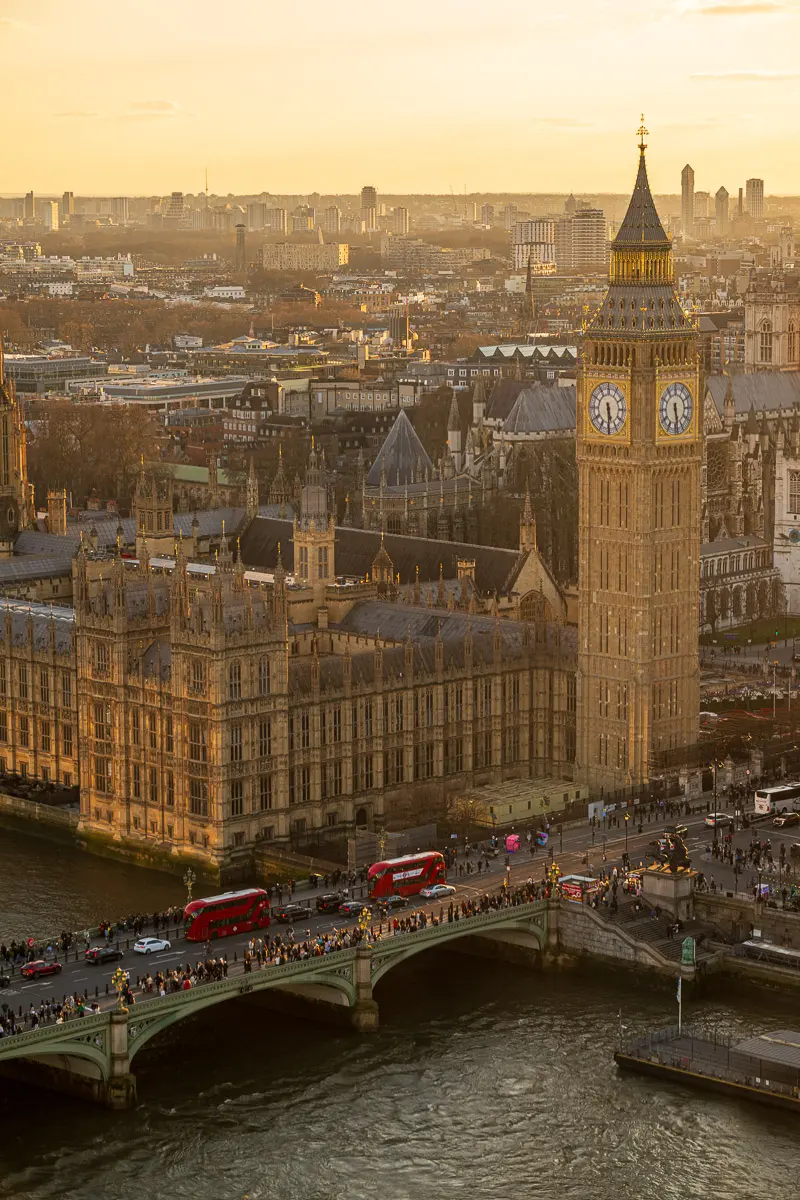
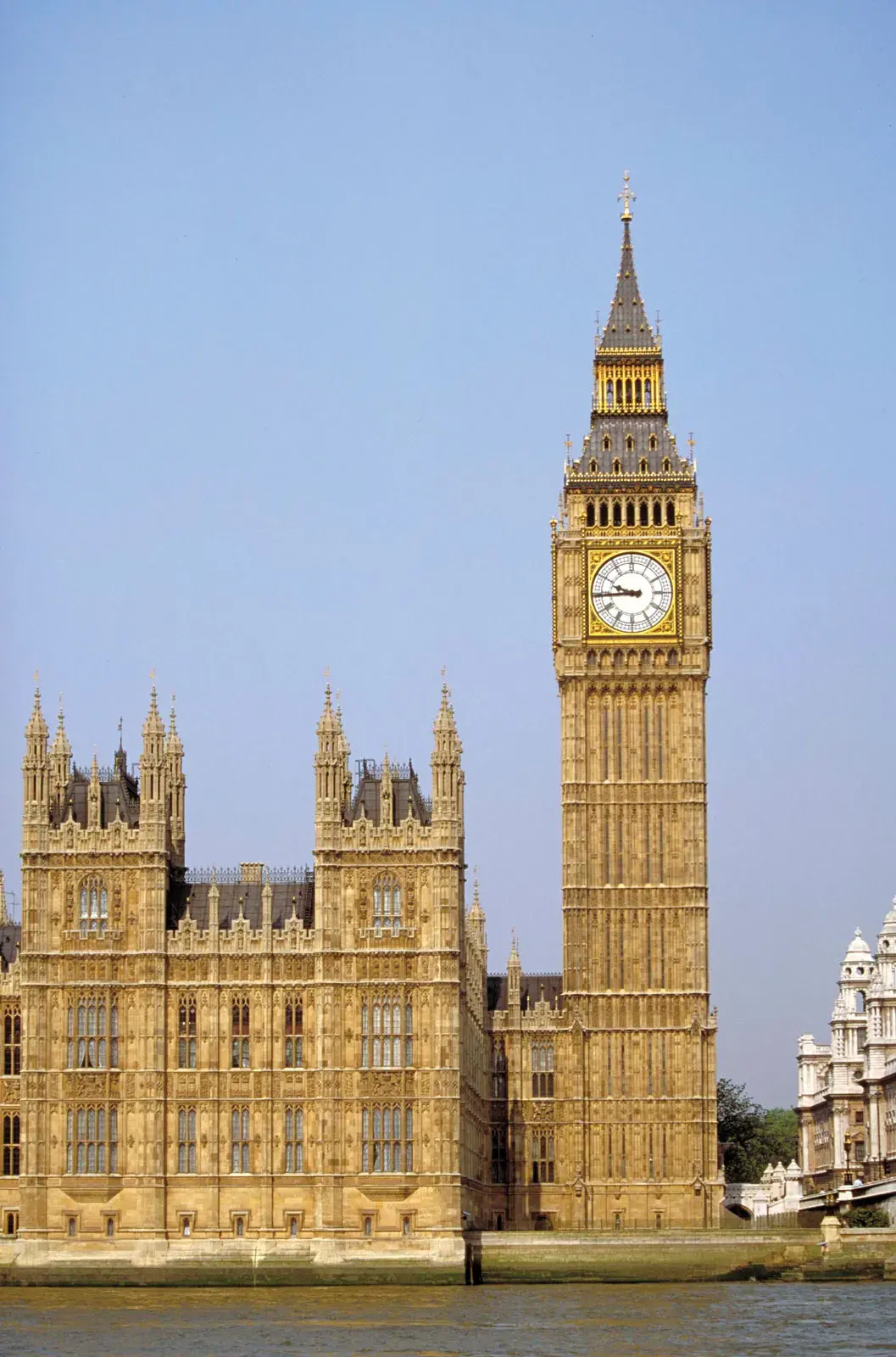
Big Ben is the nickname for the Great Bell located within the Elizabeth Tower at the north end of the Palace of Westminster in London. While often used to refer to the entire clock tower, the name strictly applies to the 13.7-ton bell that strikes the hour inside the belfry.
On this page
What is the history of Big Ben?
The clock tower was designed by Augustus Pugin as part of the new Palace of Westminster, which was rebuilt after a fire destroyed the original structure in 1834. Construction of the tower began in 1843 and was completed in 1859. The Great Bell, cast by the Whitechapel Bell Foundry, was transported to the site by a barge pulled by sixteen white horses. It was named after Sir Benjamin Hall, the First Commissioner of Works, who oversaw the installation of the bells.
The tower was officially renamed the Elizabeth Tower in 2012 to commemorate the Diamond Jubilee of Queen Elizabeth II. Before this change, the structure was simply known as the Clock Tower. Despite its iconic status, the tower has faced several structural challenges over the decades, including damage from German bombing raids during World War II. Major conservation projects have been undertaken periodically to ensure the integrity of the masonry and the precision of the clock mechanism.
How does the clock mechanism work?
The Great Clock of Westminster is a masterpiece of Victorian engineering, relying on a gravity escapement mechanism that ensures high accuracy. The clock is wound three times a week by a team of horologists who climb the 334 steps to the belfry. The pendulum, which measures 13 feet in length, swings once every two seconds to maintain the rhythm of the four clock faces.
Key components of the clock system include:
- The Great Bell: Strikes the hour.
- The Quarter Bells: Four smaller bells that chime every fifteen minutes.
- The Pendulum: A heavy weight that regulates the timekeeping.
- The Weights: Large iron masses that provide the necessary power to drive the gears.
The clock is adjusted for daylight saving time twice a year, a process that requires the horologists to stop the mechanism or manually adjust the speed of the pendulum. Precision is maintained by adding or removing old pre-decimal pennies from the pendulum to speed up or slow down the clock by a fraction of a second.

Can you visit Big Ben?
Public access to the Elizabeth Tower is limited and highly regulated due to the narrow, winding nature of the staircase and the sensitive nature of the clock mechanism. Visitors who secure a spot on an official tour are guided through the interior of the tower, where they can see the clock room and the belfry. It is important to note that the tower does not have an elevator, requiring visitors to be physically capable of climbing hundreds of steps.
If you are planning to visit, follow these steps:
- Check the official UK Parliament website for tour availability, as tickets are released in limited batches.
- Book your tickets several months in advance, as they sell out almost immediately upon release.
- Arrive at the security checkpoint at least 30 minutes before your scheduled tour time.
- Wear comfortable, flat-soled shoes, as the climb is strenuous and the stairs are steep.
Why do people confuse the name?
A common misconception is that the name Big Ben refers to the entire tower or the clock itself. In reality, the tower is the Elizabeth Tower, and the clock is the Great Clock of Westminster. Big Ben is specifically the nickname for the massive bell that hangs inside the belfry. This confusion is so widespread that even official tourist literature sometimes uses the terms interchangeably, which reinforces the popular misunderstanding among the general public.
The name likely originated from the sheer size of the bell compared to others of its era. There is also a secondary theory that the bell was named after a contemporary heavyweight boxing champion, Benjamin Caunt, who was known as Big Ben. Regardless of the specific origin, the name has become a global metonym for London and the United Kingdom. When people hear the iconic chimes broadcast by the BBC, they are hearing the sound of the Great Bell, not the clock mechanism itself.
Common mistakes when visiting the area
One frequent error is assuming that you can simply walk into the tower without a pre-booked ticket. Many tourists arrive at the base of the Elizabeth Tower expecting to pay for entry at the door, only to be turned away by security. Because the tower remains a functioning part of the parliamentary estate, it is not a traditional museum or public attraction with open access. Always verify your booking status before traveling to the site.
Another mistake is failing to account for the noise level while standing near the tower during the hour. The bells are incredibly loud, and the sound can be jarring if you are standing directly beneath the belfry. Additionally, visitors often overlook the fact that the clock faces are illuminated at night, providing a better photographic opportunity than during the day. Avoid standing in the middle of the busy roads surrounding the Palace of Westminster to take photos, as traffic is heavy and local authorities strictly enforce pedestrian safety rules around the perimeter.
Key facts
- Big Ben is the nickname for the Great Bell inside the Elizabeth Tower, not the clock or the tower itself.
- The tower was officially renamed the Elizabeth Tower in 2012 to commemorate Queen Elizabeth II’s Diamond Jubilee.
- The bell weighs 13.7 tons and stands over 7 feet tall, with a diameter of 9 feet.
- Construction of the current tower was completed in 1859 following the destruction of the original Palace of Westminster by fire.
- The clock faces are 23 feet in diameter and are illuminated at night by energy-efficient LED lights.
- Visitors should avoid calling the entire structure "Big Ben," as this is a common error that confuses the bell with the building.
The bottom line
Big Ben is the iconic Great Bell housed within London’s Elizabeth Tower, a masterpiece of Gothic Revival architecture. While many people mistakenly refer to the entire tower as Big Ben, the name strictly applies to the 13.7-ton bell that chimes across the city. Understanding its history and precise mechanical maintenance offers a fascinating glimpse into the enduring legacy of Victorian engineering and British cultural identity.
People also ask
Can tourists go inside the Elizabeth Tower to see the clock mechanism?
Public tours are available, but they must be booked well in advance through the UK Parliament website. Visitors must be at least 11 years old and prepared to climb 334 stone steps to reach the top.
Why does the clock sometimes appear to be slightly off in its timing?
The clock is exceptionally accurate, but it is manually adjusted using old pennies placed on the pendulum. Adding or removing a penny changes the center of gravity, causing the clock to speed up or slow down by fractions of a second.
Is the bell currently ringing?
Yes, the bell chimes every hour, and smaller bells chime every quarter-hour. It was silenced for several years during a major conservation project that concluded in 2022.
What architectural style is the Elizabeth Tower?
The tower is designed in the Gothic Revival style, which was popular in Victorian England. It was created by architects Charles Barry and Augustus Pugin to harmonize with the surrounding Palace of Westminster.
How many clock faces does the tower have?
The tower features four clock faces, one on each side of the structure. Each face is made of 312 pieces of opal glass and is set within a cast-iron frame.
What happens to the clock during the winter and summer time changes?
The clock is adjusted manually twice a year for British Summer Time. Technicians perform this task during the early hours of the morning to ensure the time remains synchronized with the rest of the country.
This answer was created with the help of AI research tools and reference sources. Spotted an error? Let us know — we correct mistakes quickly. See our editorial policy.