What is Norway known for?
Short answer
Norway is renowned for its dramatic natural landscapes, including deep fjords and the Northern Lights, and its high standard of living. It is a global leader in renewable energy, particularly hydroelectric power, and maintains a robust social welfare state. Additionally, the nation is celebrated for its rich Viking history and maritime heritage.
On this page
Why is Norway famous for fjords?
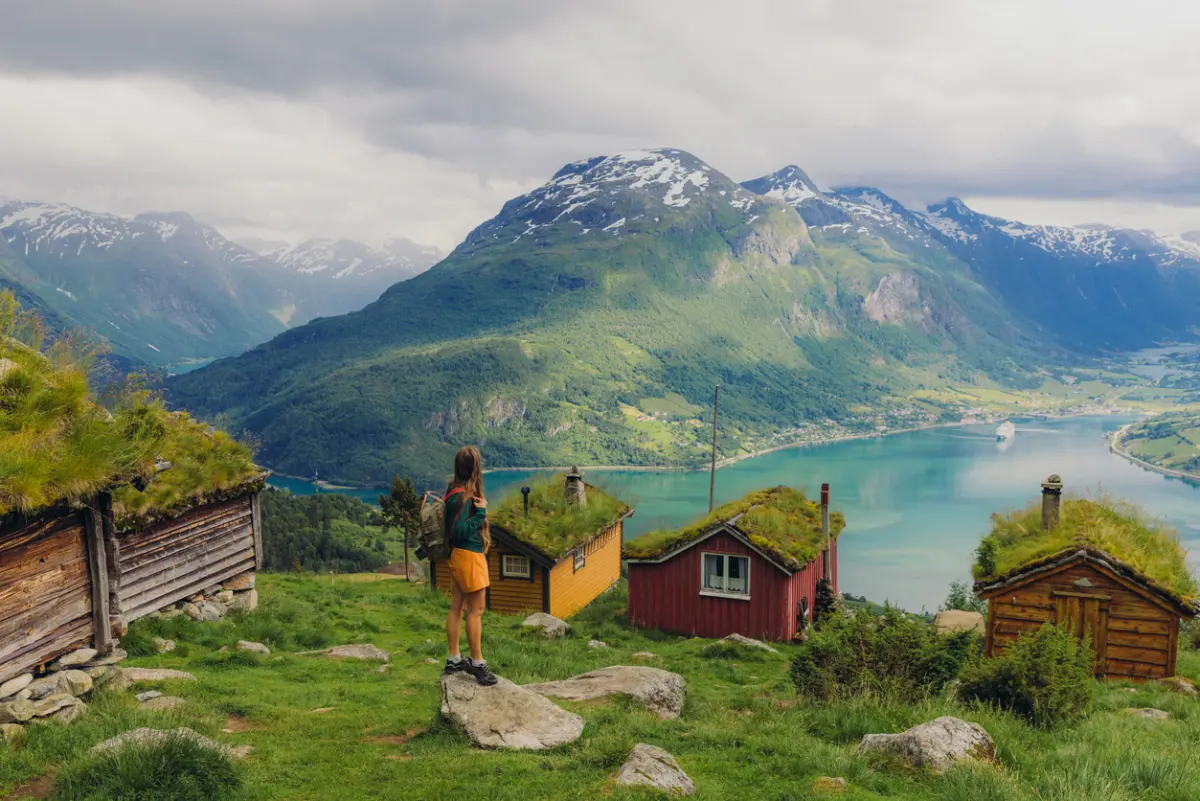
Norway’s coastline is defined by its deep, narrow fjords, which were carved by massive glaciers during the last ice age. The most famous of these, such as Geirangerfjord and Nærøyfjord, are UNESCO World Heritage sites. These geological wonders feature steep cliff walls that rise dramatically from the sea, often reaching heights of over 1,000 meters. The unique geography creates a calm, mirror-like water surface that attracts millions of travelers annually who wish to experience the country’s rugged wilderness.
Beyond their aesthetic appeal, fjords have shaped Norwegian culture and settlement patterns for centuries. Historically, these waterways served as the primary transport routes for coastal communities, connecting isolated villages before modern road networks were constructed. Today, they are central to the nation's tourism industry and maritime economy. Visitors can explore these inlets via ferries, cruise ships, or kayaks, providing an intimate perspective on the sheer scale of the landscape.
How to see the Northern Lights in Norway?
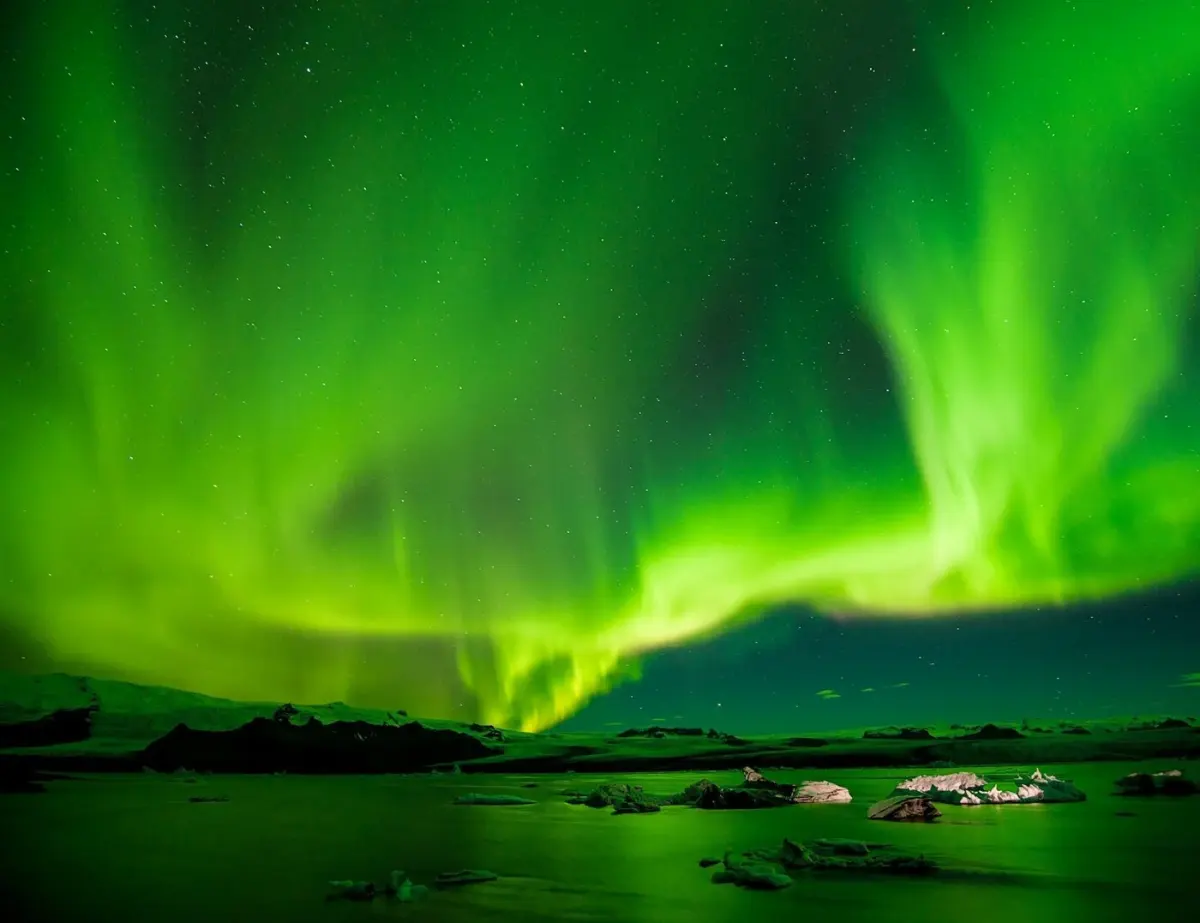
The Aurora Borealis, or Northern Lights, is a natural phenomenon caused by solar particles colliding with the Earth's atmosphere. Northern Norway, particularly locations above the Arctic Circle like Tromsø, the Lofoten Islands, and Alta, offers the best viewing conditions. The optimal season for observation runs from late September to late March, when the nights are at their longest and darkest. Clear, cloudless skies are essential for witnessing the vibrant green, purple, and pink displays.
To maximize your chances of success, consider these practical steps:
- Monitor space weather forecasts and local aurora apps to track solar activity levels.
- Travel away from city light pollution to rural areas with open horizons.
- Dress in multiple layers of wool and windproof outer shells to withstand sub-zero temperatures.
- Bring a tripod for your camera, as long exposure settings are necessary to capture the faint light.
- Stay in a location for at least three to four nights to increase your odds against unpredictable coastal weather.
What is the Norwegian social model?
Norway is consistently ranked among the world’s most prosperous and egalitarian nations due to its unique social democratic model. This system relies on high levels of taxation, which fund universal healthcare, free higher education, and comprehensive family support programs. The government manages the Government Pension Fund Global, one of the world's largest sovereign wealth funds, which is fueled by the nation's petroleum revenues. This fund ensures long-term economic stability for future generations.
The Norwegian approach to society emphasizes "dugnad," a cultural concept involving collective, voluntary community work. This spirit of cooperation extends to the workplace, where hierarchical structures are often flat and informal. Employees typically enjoy a strong work-life balance, with generous parental leave and vacation time. This focus on individual well-being and social equity has fostered a high degree of public trust in government institutions and a consistently high ranking in the United Nations' World Happiness Report.
Best ways to explore Norwegian history
Norway’s history is deeply intertwined with the Viking Age, which lasted roughly from 793 to 1066 AD. During this period, Norse seafarers explored, traded, and raided across Europe and the North Atlantic. Today, visitors can engage with this heritage through well-preserved artifacts and reconstructions. The Viking Ship Museum in Oslo, which houses the Oseberg and Gokstad ships, provides an unparalleled look at the craftsmanship and maritime technology of the era.
If you are planning a historical tour, follow these recommendations:
- Visit the stave churches, such as Borgund Stave Church, to see unique wooden medieval architecture.
- Explore the Bryggen wharf in Bergen, a historic Hanseatic trading post with colorful wooden buildings.
- Tour the Nidaros Cathedral in Trondheim, which served as the coronation site for Norwegian monarchs.
- Attend a local museum exhibit to learn about the Sami people, the indigenous population of the northern regions.
- Avoid visiting during major national holidays, as many smaller museums may have limited operating hours.
Common mistakes when visiting Norway
Many travelers underestimate the cost of living and the vast distances between major attractions in Norway. A frequent error is attempting to see too many regions in a single week. Because the country is long and mountainous, travel between cities can take significantly longer than expected, even if they appear close on a map. Relying solely on trains or buses can be limiting; renting a car is often the most efficient way to access remote areas, though drivers must be prepared for narrow, winding roads.
Another common mistake is failing to prepare for rapid weather shifts. Even in summer, temperatures can drop sharply, and rain is frequent along the western coast. Travelers often pack insufficient rain gear or neglect to bring sturdy footwear for hiking. Additionally, visitors should be aware that alcohol and dining out are significantly more expensive than in most other European countries. By budgeting accordingly and planning a realistic itinerary that focuses on one or two specific regions, you can ensure a much more enjoyable and authentic experience in this Nordic nation.
Key facts
- Norway is home to over 1,000 fjords, with Geirangerfjord and Næroyfjord listed as UNESCO World Heritage sites.
- The country consistently ranks among the top nations in the UN Human Development Index due to its robust welfare state.
- Norway is the world’s largest producer of oil and natural gas in Western Europe, managed by the Government Pension Fund Global.
- The "Midnight Sun" occurs north of the Arctic Circle, providing 24 hours of daylight during summer months.
- The Nobel Peace Prize is awarded annually in Oslo, while the other Nobel Prizes are presented in Stockholm, Sweden.
- When visiting, always book train tickets in advance via Vy.no to secure "Minipris" fares, which are significantly cheaper than standard tickets.
The bottom line
Norway is defined by its breathtaking natural landscapes, ranging from deep, glacial fjords to the dramatic peaks of the Arctic north. Beyond its geography, the nation is recognized for its high standard of living, progressive social policies, and significant energy wealth. Whether you are chasing the Northern Lights or exploring modern urban centers like Oslo, Norway offers a unique blend of rugged wilderness and refined Scandinavian culture.
People also ask
Is Norway an expensive country to visit?
Yes, Norway is one of the most expensive countries in the world due to high labor costs and taxes. Budget travelers can save money by shopping at discount grocery stores like REMA 1000 and preparing their own meals.
What is the best time of year to see the Northern Lights?
The best time to view the aurora borealis is between late September and late March. You must travel to Northern Norway, such as Tromsø or the Lofoten Islands, during dark, clear nights away from city light pollution.
Do I need a visa to visit Norway?
Citizens of the European Union and many other countries, including the United States, do not need a visa for short tourist stays under 90 days. Always check the current UDI (Norwegian Directorate of Immigration) requirements before booking your travel.
What is the official currency of Norway?
The official currency is the Norwegian krone (NOK). Norway is a virtually cashless society, so you can pay for almost everything, including small street snacks, with a credit or debit card.
What is the traditional food of Norway?
Traditional cuisine often features seafood, such as smoked salmon and stockfish, alongside brown cheese called brunost. Lutefisk, a dried whitefish treated with lye, is a famous, albeit polarizing, dish served during the Christmas season.
Is it easy to get around Norway without a car?
Norway has an extensive public transport network including trains, express boats, and buses that reach even remote areas. However, in rural regions like the fjords, renting a car provides much greater flexibility for sightseeing.
This answer was created with the help of AI research tools and reference sources. Spotted an error? Let us know — we correct mistakes quickly. See our editorial policy.