What is the raven in Indigenous stories?
Short answer
The raven is a central figure in many Indigenous cultures, particularly among Pacific Northwest Coast peoples. It serves as a complex trickster, culture hero, and creator deity. Often portrayed as greedy or mischievous, the bird is credited with bringing light, fire, and water to the world, shaping human existence through transformative acts.
On this page
Why is the raven so important in Indigenous mythology?
The raven occupies a dual role in Indigenous oral traditions, functioning simultaneously as a creator and a buffoon. This complexity reflects the natural world, where the bird is observed as both a scavenger and a highly intelligent creature capable of problem-solving. By embodying these contradictions, the raven serves as an essential teacher who demonstrates the consequences of selfishness and the necessity of balance.
In the Pacific Northwest, particularly among the Haida, Tlingit, and Tsimshian nations, the raven is often credited with stealing the sun and placing it in the sky. This act is rarely depicted as a purely altruistic deed; rather, it is often the result of the raven’s own curiosity or desire for food. Through these narratives, Indigenous stories explain the origin of the physical world while emphasizing that even flawed beings can perform great deeds. The raven represents the idea that transformation often arises from chaos, appetite, and unpredictable behavior.
How does the raven act as a trickster figure?
The trickster archetype is a staple of global folklore, but the raven’s specific iteration is defined by its insatiable hunger and cunning. Unlike a traditional hero who follows a moral code, the raven often breaks social taboos to satisfy its own whims. These stories serve as cautionary tales, illustrating how greed or deceit can lead to unintended, yet sometimes beneficial, outcomes for the community.
Common traits associated with the raven as a trickster include:
- Shape-shifting: The raven frequently transforms into a human or other animal to deceive others.
- Gluttony: Many stories center on the raven’s failed attempts to steal food or trick others out of their meals.
- Intellectual superiority: The raven often outwits more powerful beings through clever wordplay or elaborate ruses.
- Social disruption: By challenging established norms, the raven forces characters—and listeners—to reconsider their own behaviors and social structures.
By observing the raven’s antics, listeners learn about the risks of vanity and the importance of communal cooperation. The trickster does not represent evil, but rather the raw, unrefined forces of nature that exist outside of human social constraints.
Where do raven stories originate?
While the raven is most famously associated with the Pacific Northwest, its presence in oral traditions extends across the Arctic and into parts of the North American interior. The stories are deeply rooted in the specific ecosystems of these regions, where the raven’s actual behavior influences the mythological content. Because the bird is a constant presence in these environments, it became a natural focal point for explaining seasonal changes and environmental phenomena.
These stories are not static; they have been passed down through generations via oral storytelling, totem poles, and ceremonial masks. Each nation has its own unique variations, ensuring that the raven remains a living part of their cultural identity. The following groups maintain rich traditions regarding this figure:
- The Haida, who feature the raven prominently in their creation accounts and art.
- The Tlingit, who view the raven as a primary ancestor and culture hero.
- The Inuit, who have diverse stories about the raven’s role in the creation of the land and the stars.
- The Tsimshian, who integrate the raven into complex social structures and family crests.
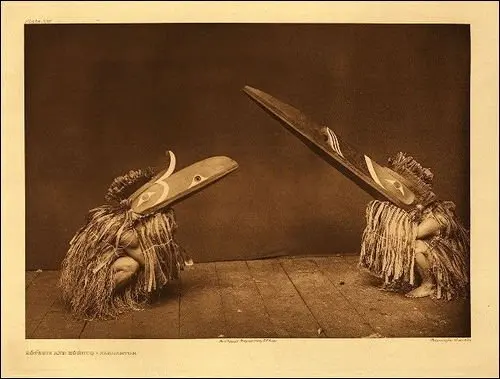
What should you avoid when studying these stories?
One of the most common mistakes when interpreting raven myths is viewing them through a Western lens of "good versus evil." In many Indigenous belief systems, such binary classifications do not apply. The raven is not a villain, nor is it a saint; it is a force of nature that operates on its own terms. Labeling the raven as a "demon" or a "god" in the classical sense often obscures the nuanced reality of these stories, which are meant to reflect the complexity of human nature and the environment.
Another error is treating these stories as mere fairy tales or children's fables. These narratives are foundational to the legal, social, and spiritual frameworks of the cultures that tell them. They contain vital information about kinship, environmental stewardship, and historical migration patterns. When engaging with these traditions, it is essential to respect their cultural context and recognize that they are living, breathing components of Indigenous identity rather than historical artifacts. Always approach these stories with the understanding that they belong to specific communities with their own protocols for sharing.
How can you learn more about these traditions?
To gain a deeper understanding of the raven, it is best to engage directly with the art and literature produced by Indigenous creators. Many museums and cultural centers in British Columbia and Alaska offer educational resources that explain the significance of the raven in totem pole carving and dance. Supporting Indigenous-led publications and listening to accounts from tribal elders provides a more authentic perspective than secondary academic summaries.
If you are interested in exploring these stories further, consider these steps:
- Visit cultural heritage sites managed by Indigenous nations to see how the raven is depicted in traditional art.
- Read collections of oral histories curated by Indigenous authors, which preserve the original voice and intent of the narratives.
- Attend community events or public lectures where Indigenous storytellers share their cultural heritage.
- Research the specific cultural protocols of the nation whose stories you are reading, as these vary significantly between groups.
By prioritizing these sources, you ensure that your knowledge is grounded in respect and accuracy, honoring the long-standing traditions that have kept the raven at the heart of Indigenous culture for thousands of years.
Key facts
- The Raven is a central figure in the oral traditions of many Indigenous peoples of the Pacific Northwest Coast, including the Tlingit, Haida, and Tsimshian.
- In these stories, the Raven is typically characterized as a "trickster," a complex figure who is simultaneously a creator, a glutton, and a teacher.
- A primary narrative involves the Raven stealing the sun, moon, and stars from a greedy chief to bring light to a dark world.
- Raven stories often explain the origin of natural phenomena, such as the tides, the colors of birds, or the existence of salmon.
- When sharing these stories, it is crucial to respect cultural protocols, as many narratives are owned by specific clans or families.
- Avoid treating these stories as mere fairy tales; for many Indigenous communities, they represent sacred history and provide essential moral and social guidance.
The bottom line
The Raven serves as a multifaceted cultural icon, embodying the complexities of human nature through his role as a trickster and creator. By stealing light and shaping the landscape, he provides a framework for understanding the world’s origins. Respecting the cultural ownership of these stories is essential, as they remain vital, living components of Indigenous identity, social structure, and moral education for communities today.
People also ask
Is the Raven considered a god in Indigenous cultures?
The Raven is generally not viewed as a god in the Western sense but rather as a supernatural being or a transformer. He possesses immense power and influence over the physical world, yet he is prone to human-like flaws such as vanity and hunger.
Why is the Raven often depicted as a trickster?
The trickster role allows the Raven to disrupt the status quo, which often leads to unintended positive outcomes for humanity. By breaking rules or acting selfishly, he inadvertently teaches lessons about social consequences and the balance of nature.
Do all Indigenous groups share the same Raven stories?
No, Raven stories vary significantly across different regions and nations. While the character remains consistent in his trickster nature, the specific plot points and moral lessons are tailored to the unique environment and history of each tribe.
Can anyone tell Raven stories?
Many Raven stories are considered intellectual property belonging to specific families or clans. It is common practice to ask permission or acknowledge the source community before retelling these narratives in a public or professional setting.
How does the Raven differ from the Eagle in these stories?
While the Raven is associated with transformation and trickery, the Eagle is frequently linked to prestige, leadership, and spiritual connection to the heavens. These two figures often act as dualities, representing different aspects of the natural and social order.
Are there Raven stories from outside the Pacific Northwest?
Yes, the Raven appears in the folklore of many circumpolar peoples, including the Inuit and various Athabaskan groups. While the specific attributes may shift, his role as a clever, world-altering figure remains a consistent theme across the Arctic and sub-Arctic regions.
This answer was created with the help of AI research tools and reference sources. Spotted an error? Let us know — we correct mistakes quickly. See our editorial policy.