Who invented the bulldozer?
Short answer
The bulldozer was not invented by a single individual but evolved from early agricultural tractors. Benjamin Holt is widely credited with the primary innovation, as his company developed the first practical continuous-track tractor in 1904. Later, in the 1920s, companies like LaPlant-Choate refined these machines by adding the iconic front-mounted steel blade.
On this page
Who actually invented the bulldozer?
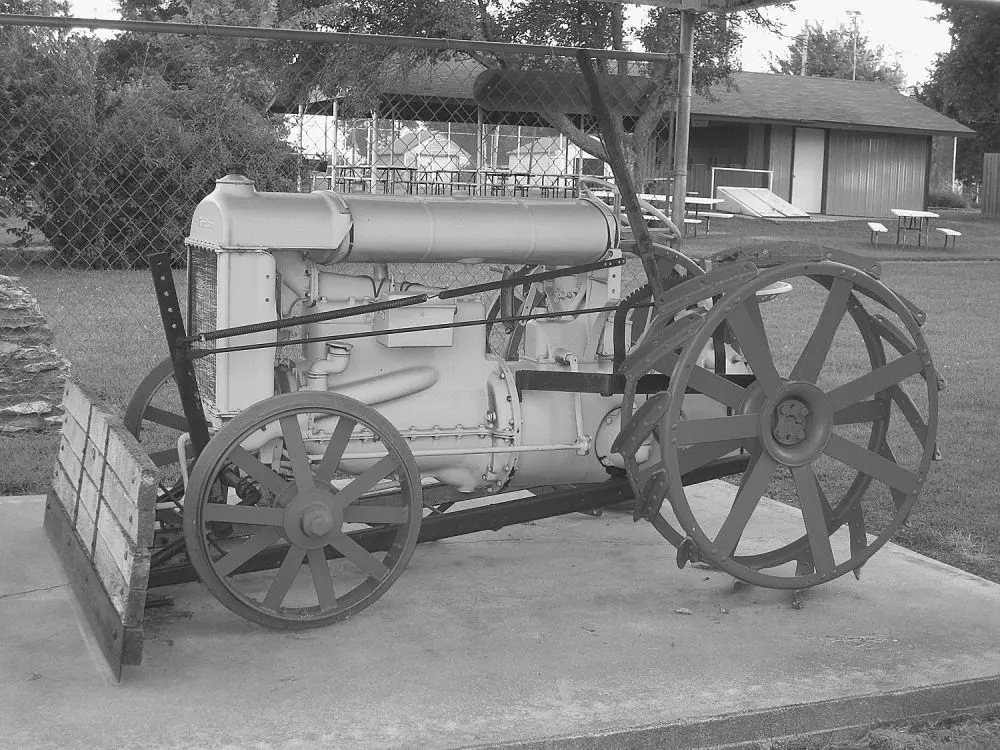
The bulldozer emerged through a series of mechanical refinements rather than a single "eureka" moment. In the early 20th century, farmers struggled with heavy tractors sinking into soft soil. Benjamin Holt, founder of the Holt Manufacturing Company, solved this by replacing wheels with continuous tracks in 1904. This innovation provided the necessary traction for heavy earthmoving tasks.
While Holt created the base vehicle, the "dozer" blade was an independent development. In the 1920s, engineers at companies like LaPlant-Choate began attaching heavy steel plates to the front of these tractors to push dirt. This combination of the Holt track system and the front-mounted blade effectively created the modern bulldozer. By the late 1920s, the design became standardized across the construction industry.
How do bulldozers work?
A bulldozer operates on the principle of high-torque, low-speed movement. The engine powers a hydraulic system that controls the blade's height and angle, while the tracks distribute the machine's massive weight over a large surface area. This low ground pressure allows the machine to traverse mud, sand, and rocky terrain without becoming immobilized.
The operator controls the machine using a combination of joysticks and pedals. To move earth effectively, the operator must manage several key functions simultaneously:
- Blade pitch: Adjusting the angle of the blade to cut or spread material.
- Transmission: Shifting gears to maintain power during heavy pushing.
- Track speed: Using differential steering to turn the machine in tight spaces.
- Hydraulic lift: Raising or lowering the blade to control the depth of the cut.
What are the different types of bulldozers?
Bulldozers are categorized primarily by their undercarriage and blade configuration. Small, maneuverable models are often used for finish grading, while massive machines are reserved for large-scale mining and land clearing. Understanding these distinctions is essential for selecting the right equipment for a specific project.
The most common configurations include:
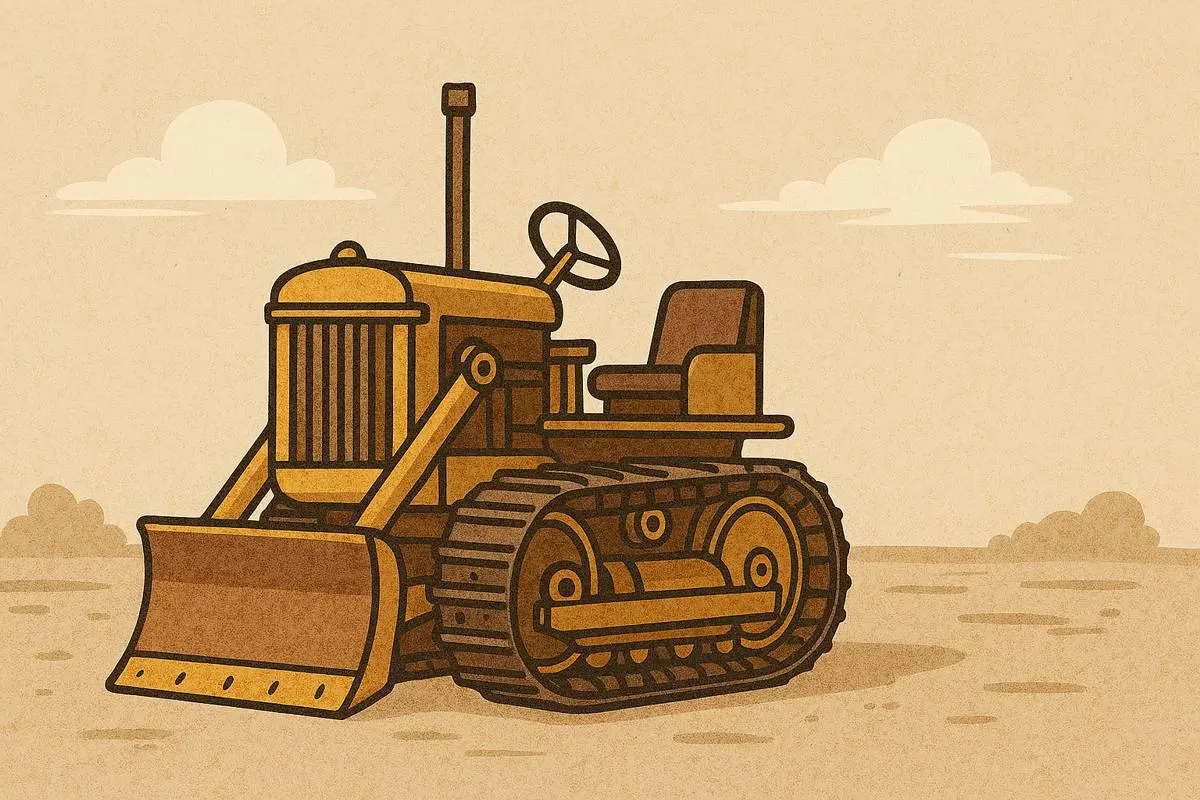
- Crawler dozers: These use tracks for maximum traction on uneven or soft ground.
- Wheel dozers: These use large rubber tires, offering higher speeds on paved or firm surfaces.
- Angle dozers: These feature blades that can be angled to the side to push material away from the path.
- U-blade dozers: Designed with a curved shape to hold more material, ideal for pushing large volumes of loose soil.
How to operate a bulldozer for beginners?
Operating a bulldozer requires a focus on safety and precision. Beginners should always start in an open, flat area to practice basic maneuvers before attempting to move large volumes of earth. The primary goal is to maintain a consistent grade while managing the weight of the material in front of the blade.
When starting out, avoid these common mistakes:
- Overloading the blade: Trying to push too much material causes the tracks to slip and reduces control.
- Ignoring the terrain: Failing to account for slopes can lead to dangerous tipping or loss of traction.
- Improper blade angle: Using the wrong angle for the task results in uneven surfaces and excessive fuel consumption.
- Neglecting maintenance checks: Always inspect hydraulic lines and track tension before beginning any operation to prevent mechanical failure.
Why are bulldozers essential for construction?
Bulldozers remain the backbone of the construction industry because they perform tasks that no other machine can match. They are primarily used for "rough grading," which involves leveling a site to prepare it for foundations, roads, or landscaping. Their ability to push massive amounts of earth in a short time significantly reduces the labor required for infrastructure projects.
Beyond simple earthmoving, bulldozers are vital for clearing debris and preparing sites in extreme environments. They are the first machines on a job site and often the last to leave. By providing a stable, level surface, they act as the foundation for all subsequent construction work. As technology evolves, modern bulldozers now incorporate GPS and laser-leveling systems, allowing operators to achieve precision within millimeters, further increasing their utility in complex urban and industrial development projects.
Key facts
- Benjamin Holt is widely credited with inventing the first practical crawler-type tractor in 1904, which served as the bulldozer's foundation.
- The term "bulldozer" originally referred to the blade attachment itself, not the entire machine.
- Early blades were often operated by manual winches or rudimentary cable systems before hydraulic power became standard in the 1930s.
- James Cummings and J. Earl McLeod are recognized for building the first design of a bulldozer blade specifically mounted to a tractor in 1923.
- Modern bulldozers utilize a ripper on the rear to break up hard earth, a feature not present on the earliest models.
- When operating a bulldozer, always maintain three points of contact when mounting or dismounting to prevent serious falls.
The bottom line
The bulldozer evolved from early crawler tractor designs, with pioneers like Benjamin Holt and innovators Cummings and McLeod shaping its development. While the tractor provided the mobility, the addition of the front-mounted blade revolutionized earthmoving. Today, these machines remain essential for heavy construction and land clearing. Understanding their mechanical history and proper operational techniques ensures safety and productivity on any job site involving significant terrain modification.
People also ask
What is the difference between a bulldozer and a crawler loader?
A bulldozer features a large, front-mounted blade designed for pushing material, while a crawler loader has a bucket for scooping and lifting. Bulldozers are optimized for grading and clearing, whereas loaders are better for loading trucks or moving loose piles.
How does a bulldozer steer?
Bulldozers steer by varying the speed of the tracks on either side of the machine. By slowing or stopping one track while the other continues to move, the machine pivots or turns in the desired direction.
What is the primary purpose of the ripper on the back of a dozer?
The ripper is a claw-like device used to penetrate and break up compacted soil, rock, or frozen ground. This process makes it easier for the blade to move the material afterward.
Are bulldozers street-legal?
Most bulldozers are not street-legal because their metal tracks cause severe damage to asphalt and concrete surfaces. They must be transported between job sites using heavy-duty flatbed trailers.
What is the most common mistake when operating a bulldozer?
A common error is attempting to push too much material at once, which causes the tracks to lose traction and "spin out." Operators should take smaller, controlled passes to maintain machine stability and efficiency.
How do you maintain a bulldozer's undercarriage?
Regularly clean mud and debris from the tracks and rollers to prevent premature wear. Check track tension frequently, as loose tracks can derail and tight tracks can damage the drive components.
This answer was created with the help of AI research tools and reference sources. Spotted an error? Let us know — we correct mistakes quickly. See our editorial policy.