How big do alligators get?
Short answer
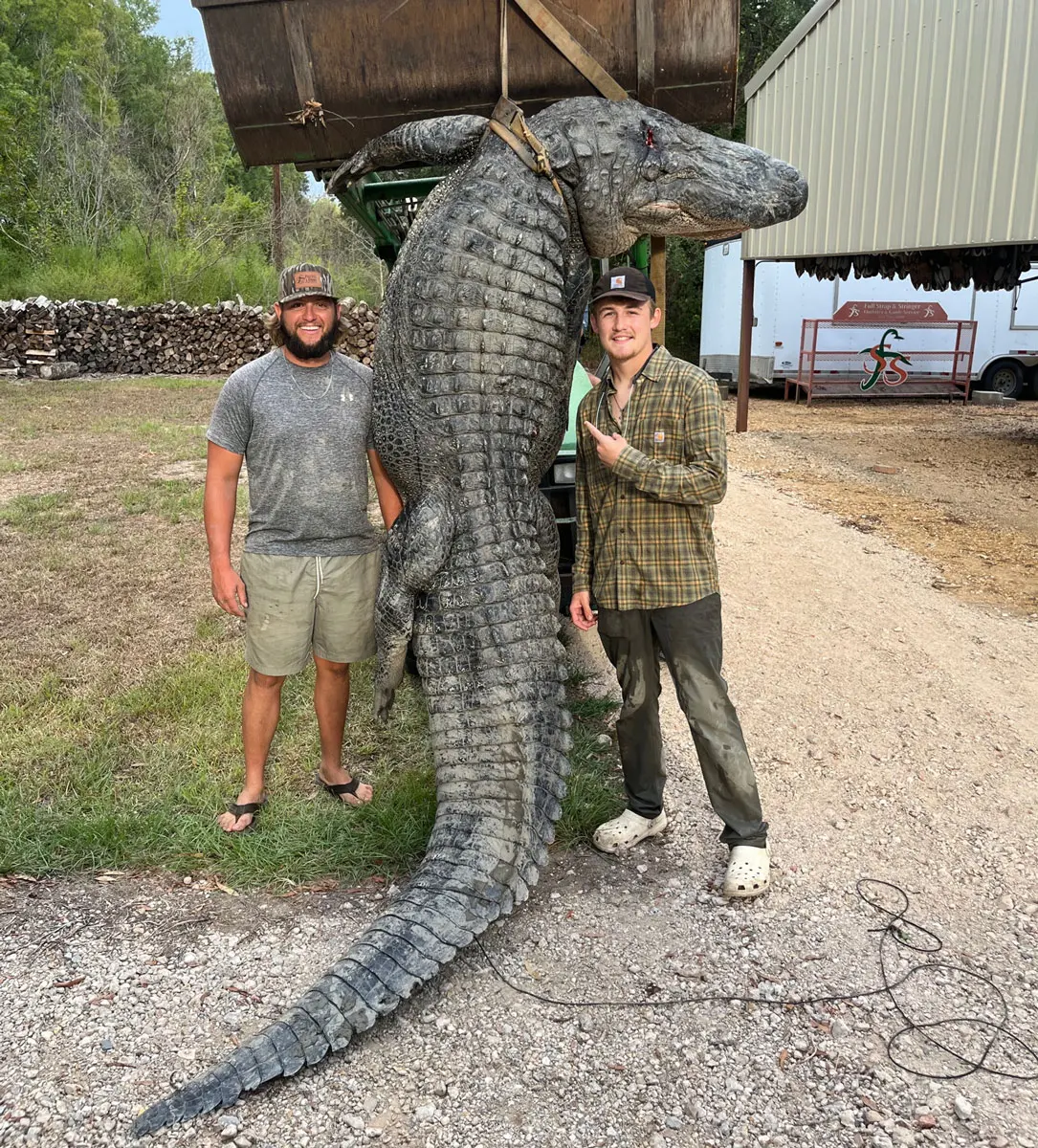
American alligators typically reach lengths of 10 to 15 feet, with males growing significantly larger than females. While most adults measure between 8 and 12 feet, exceptional specimens can exceed 14 feet. Weight varies drastically based on age and habitat, with large males often weighing between 500 and 1,000 pounds.
On this page
How big do alligators grow on average?
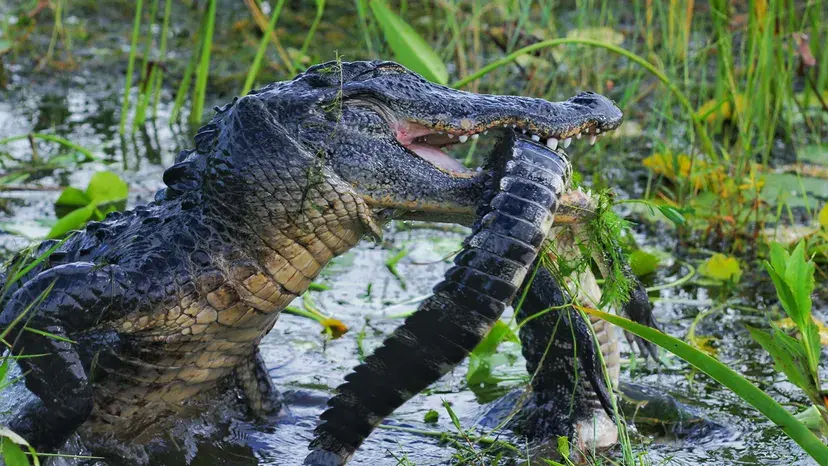
The American alligator (Alligator mississippiensis) exhibits significant sexual dimorphism, meaning males and females grow to different sizes. A mature female typically reaches a length of 8 to 9 feet, while males commonly grow to 11 or 12 feet. While it is biologically possible for them to grow larger, these figures represent the standard size for a healthy adult in the wild.
Growth is not uniform throughout an alligator's life; it is highly dependent on environmental factors such as water temperature, food availability, and population density. In nutrient-rich environments like the Florida Everglades, alligators may reach maturity faster and achieve greater lengths than those in more resource-scarce regions. Because they are ectothermic, their metabolic rates—and consequently their growth rates—are directly influenced by the ambient temperature of their habitat.
What is the largest alligator ever recorded?
The record for the largest alligator ever documented is a subject of historical interest, often involving unverified reports. The longest officially measured American alligator was a 15-foot, 9-inch male harvested in Alabama in 2014. Another notable specimen, captured in Louisiana in 1890, was reported to be 19 feet long, though this measurement remains scientifically disputed due to a lack of modern verification standards.
When evaluating claims of "giant" alligators, it is important to consider the following factors:
- Measurement techniques: Measuring a live or recently deceased alligator accurately is difficult due to the animal's muscular body and tail curvature.
- Historical inflation: Older records often lacked the standardized measurement protocols used by modern wildlife biologists.
- Skeletal versus total length: Some historical reports measured the skin after it was removed from the carcass, which can stretch significantly, leading to exaggerated length claims.
How long does it take for an alligator to reach full size?
Alligators grow rapidly during their first few years, but their growth rate slows significantly as they reach sexual maturity, which typically occurs between 10 and 12 years of age. Unlike mammals, which stop growing after reaching adulthood, alligators continue to grow throughout their lives, albeit at a much slower pace. A 20-year-old alligator might be significantly larger than a 12-year-old, provided it has access to a consistent food supply.
To estimate the age of an alligator based on its length, biologists often use the following general guidelines:
- Hatchlings: Approximately 6 to 8 inches at birth.
- Juvenile stage: Growing about 1 foot per year for the first five years.
- Mature stage: Growth slows to a few inches per year as energy is diverted toward reproduction.
- Senescence: Growth becomes negligible as the animal reaches the upper limits of its species' potential size.
Common mistakes when estimating alligator size
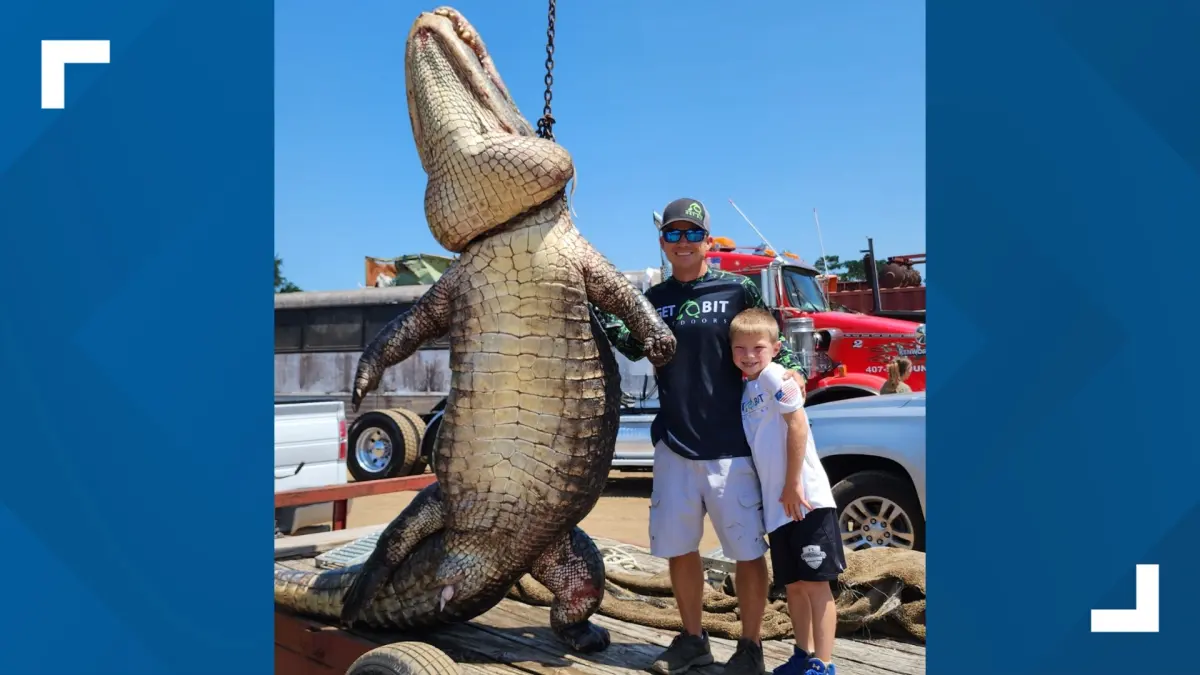
One of the most frequent errors people make when observing alligators in the wild is overestimating their length. Because alligators are often seen from a distance or partially submerged in water, the lack of a clear reference point makes it difficult to judge scale accurately. A common mistake is focusing on the width of the head rather than the total body length, which can lead to a distorted perception of the animal's mass.
Another error involves assuming that all large alligators are extremely old. While size is generally correlated with age, an alligator that has had access to abundant prey—such as turtles, fish, and birds—will grow much faster than one living in a less productive environment. Consequently, a 12-foot alligator might be a "young" adult in a prime habitat or a much older individual in a resource-poor area. Always keep a safe distance rather than attempting to gauge size closely.
Why do some alligators grow larger than others?
The primary driver of size variation within the species is the quality of the habitat. Alligators are apex predators, and their ability to secure high-protein prey is essential for reaching maximum physical dimensions. Wetlands that support large populations of fish, crustaceans, and mammals provide the necessary caloric intake to fuel the massive growth seen in the largest males. Conversely, alligators in cooler or more crowded areas often remain smaller due to competition and metabolic limitations.
Genetic factors also play a subtle role, though they are often overshadowed by environmental influences. Some individuals may possess a higher metabolic efficiency, allowing them to convert food into body mass more effectively. However, regardless of genetics, if an alligator does not have access to a warm climate and sufficient food, it will never reach the upper limits of its potential size. Understanding these environmental constraints helps wildlife managers protect the species and maintain healthy, balanced populations in their natural ecosystems.
Key facts
- Male American alligators typically grow between 10 and 15 feet in length.
- The heaviest recorded American alligator weighed 1,011.5 pounds and measured 13.5 feet.
- Female alligators are smaller than males, rarely exceeding 10 feet in length.
- Alligators continue to grow throughout their lives, though growth slows significantly after maturity.
- Never approach a large alligator, as they can move with surprising speed on land and in water.
- If you encounter an alligator in the wild, maintain a distance of at least 60 feet.
The bottom line
While American alligators can grow to impressive lengths of 15 feet and weigh over 1,000 pounds, most individuals remain smaller. These reptiles are long-lived, opportunistic predators that demand respect and distance. By understanding their growth patterns and behavior, you can safely appreciate these prehistoric survivors from afar. Always prioritize caution when recreating near Florida or Gulf Coast wetlands to ensure a safe, conflict-free experience.
People also ask
How fast can an alligator run?
An alligator can reach speeds of up to 30 miles per hour in short bursts on land. However, they lack stamina and tire quickly, making them unlikely to pursue prey over long distances.
Do alligators ever stop growing?
While they do not have a set maximum size like mammals, their growth rates decrease drastically as they age. Most reach their full adult size by the time they are 15 to 20 years old.
What is the difference between an alligator and a crocodile?
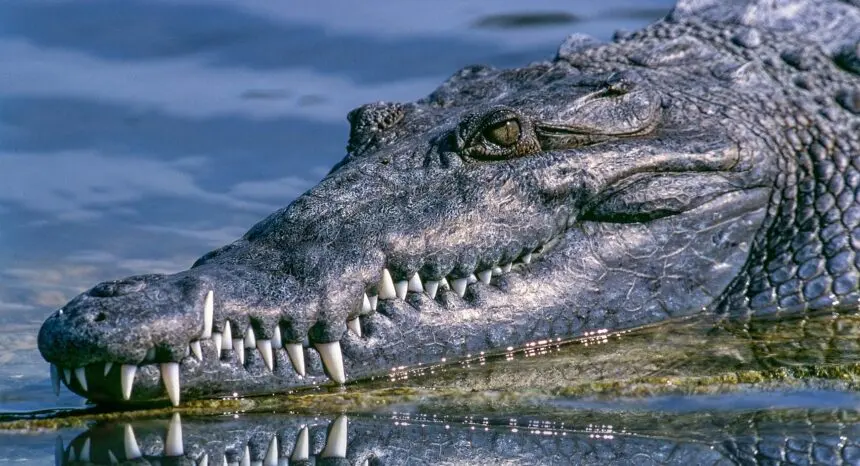
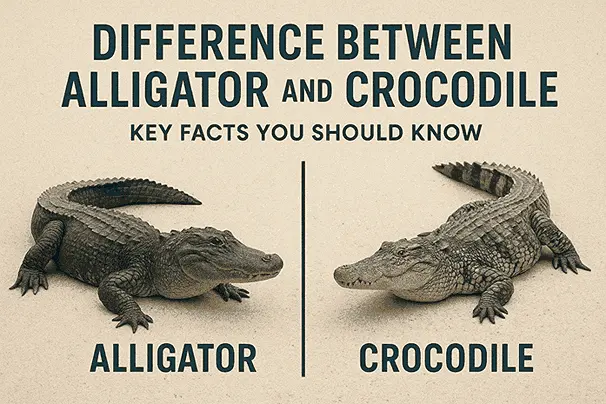
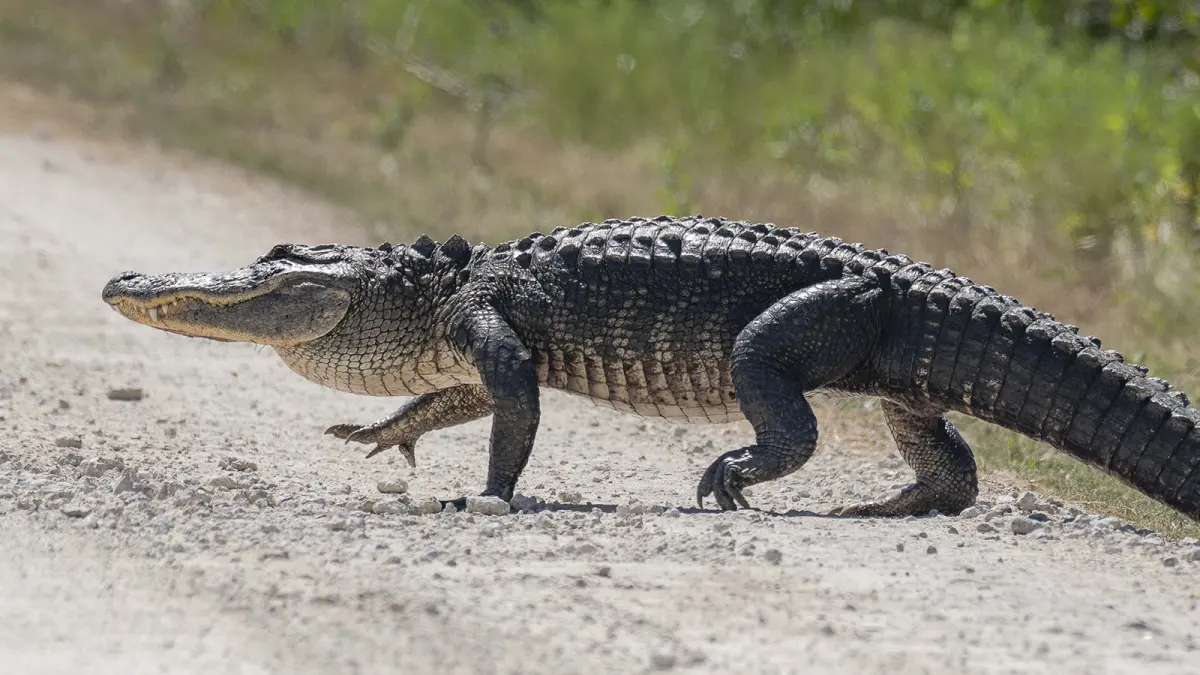
The most obvious difference is the snout shape; alligators have a wide, U-shaped snout, while crocodiles have a longer, V-shaped snout. Additionally, when a crocodile’s mouth is closed, its fourth bottom tooth remains visible.
Are alligators dangerous to humans?
Alligators are apex predators and can be dangerous if they feel threatened or are accustomed to human food. Unprovoked attacks are rare, but it is essential to stay alert near bodies of water in alligator-populated regions.
Read the full answer →What do alligators eat?
Young alligators feed on insects, snails, and small fish. As they grow larger, their diet expands to include turtles, snakes, birds, and mammals like raccoons or deer.
Read the full answer →How can I tell how old an alligator is?
Scientists estimate an alligator's age by measuring the growth rings in their scutes, which are the bony plates on their backs. This method is similar to counting tree rings to determine the age of a tree.
This answer was created with the help of AI research tools and reference sources. Spotted an error? Let us know — we correct mistakes quickly. See our editorial policy.