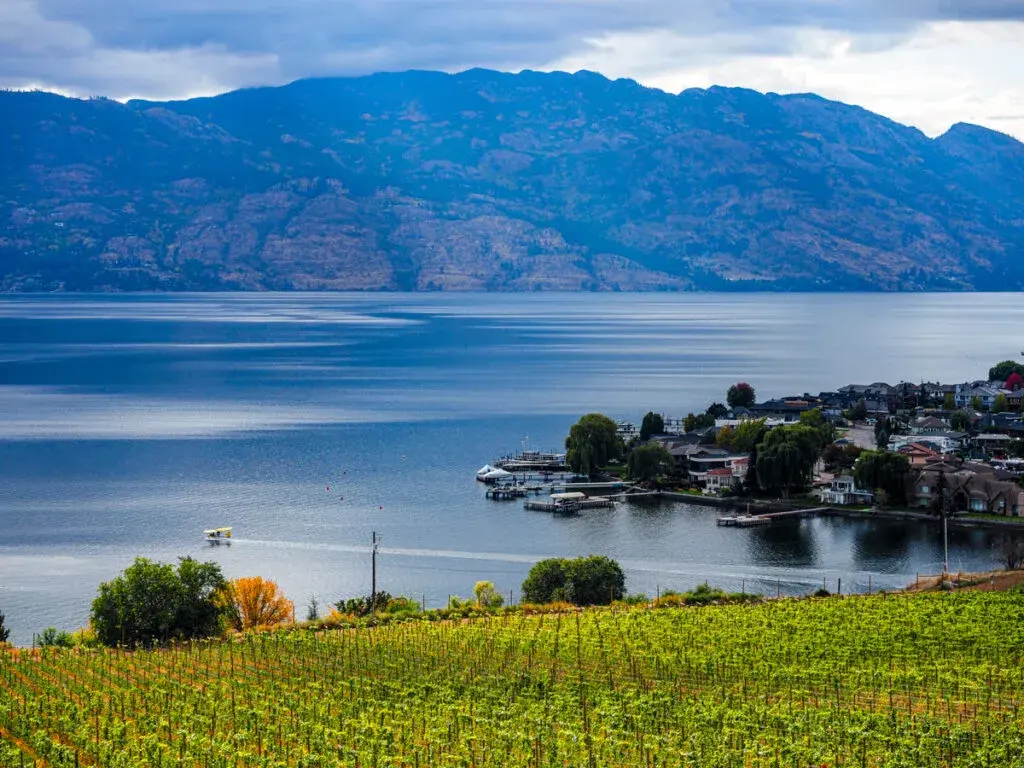
What is a fjord?
Short answer
A fjord is a long, deep, and narrow inlet of the sea that is flanked by high, steep cliffs on at least three sides. These dramatic geological features are carved by the slow movement of massive glaciers over thousands of years, typically during successive ice ages when sea levels were significantly lower.
On this page
How are fjords formed by glaciers
Fjords are the direct result of glacial erosion. During an ice age, massive glaciers move slowly down mountain valleys toward the sea. Because of their immense weight and the debris trapped beneath them, these glaciers act like giant rasps, grinding down the valley floor and widening the sides. This process creates a characteristic U-shaped valley that is much deeper than the surrounding landscape.
As the climate warms and the glaciers retreat, the deep, U-shaped troughs are flooded by the rising ocean. The entrance to the fjord, known as the mouth, often remains shallower than the interior because the glacier lost some of its erosive power as it began to float or melt. This underwater threshold, called a sill, restricts the flow of water between the open ocean and the inner basin.
- Glaciers carve deep, U-shaped valleys through mountain ranges.
- Rising sea levels fill these troughs after the ice melts.
- The depth of a fjord is often greatest in the middle rather than at the mouth.
- Sills at the entrance can create unique marine ecosystems by limiting water circulation.
Where to find the world's most famous fjords
While fjords exist globally, they are most concentrated in high-latitude regions where historical glaciation was intense. Norway is perhaps the most famous destination, boasting thousands of inlets along its rugged coastline. The Sognefjord, often called the "King of the Fjords," reaches depths of over 1,300 meters and extends 205 kilometers inland, showcasing the sheer scale of these natural wonders.
Other regions also feature spectacular fjords that draw millions of visitors annually. New Zealand’s South Island is home to Milford Sound, which is technically a fjord despite its name, known for its sheer granite cliffs and cascading waterfalls. Chile, Canada, and Alaska also possess extensive fjord networks. These areas are characterized by their dramatic vertical relief and the presence of temperate rainforests that cling to the steep slopes.
- Sognefjord, Norway: The longest and deepest in the country.
- Milford Sound, New Zealand: Famous for Mitre Peak and abundant rainfall.
- Geirangerfjord, Norway: A UNESCO World Heritage site known for its abandoned mountain farms.
- Tracy Arm, Alaska: Renowned for its active glaciers and floating icebergs.
Why fjords have unique water conditions
The water within a fjord is often a complex mixture of saltwater from the ocean and freshwater from melting glaciers or river runoff. Because freshwater is less dense than saltwater, it tends to stay near the surface, creating a distinct layer known as a halocline. This stratification can lead to unique environmental conditions, such as the formation of ice on the surface even when the deeper water remains relatively warm.
The limited exchange of water over the shallow entrance sill can also lead to oxygen depletion in the deepest parts of the fjord. In some instances, the water at the bottom remains stagnant for years, creating an environment where only specific types of bacteria can survive. This creates a stark contrast between the vibrant, life-filled surface waters and the dark, quiet depths of the basin.
How to explore fjords safely
Visiting a fjord requires careful planning, especially if you intend to travel by boat or kayak. The weather in these environments can change within minutes, with sudden high winds known as katabatic winds rushing down the steep valley walls. Always check local marine forecasts before heading out and ensure your vessel is equipped for cold water conditions, as the water temperature remains low year-round.
When hiking the surrounding cliffs, stay on marked trails to avoid unstable terrain. The steep slopes are prone to rockfalls and landslides, particularly after heavy rainfall. If you are participating in guided tours, follow the instructions of your experts regarding safety gear and restricted zones. Respecting the environment is essential, as these delicate ecosystems are highly sensitive to human pollution and disturbance.
- Wear layers of moisture-wicking clothing to manage temperature fluctuations.
- Carry a reliable navigation tool, as GPS signals can be blocked by steep cliffs.
- Maintain a safe distance from glaciers, as they can calve and create large waves.
- Never drink untreated water from the fjord, regardless of how clear it appears.
Common mistakes when visiting fjords
A frequent error travelers make is underestimating the sheer size of these features. Because the cliffs are so massive, they create an optical illusion that makes distances seem shorter than they actually are. Many visitors plan to traverse an entire fjord in a single day, only to realize that the scale of the landscape requires significantly more travel time than standard maps suggest.
Another mistake is ignoring the importance of timing regarding seasonal access. Many mountain roads leading to the best vantage points are closed during winter due to heavy snow and avalanche risks. Furthermore, visitors often forget to pack rain gear, even in summer months. Fjords frequently create their own microclimates, and persistent drizzle is a common feature that defines the landscape's lush, green appearance. Always prepare for wet conditions to ensure your experience remains comfortable and enjoyable throughout your trip.
Key facts
- A fjord is a long, narrow, deep inlet of the sea between high cliffs, formed by glacial erosion.
- The word "fjord" originates from Old Norse and is most famously associated with the landscapes of Norway.
- Fjords are characterized by a "threshold" or "sill," which is a shallow area at the mouth where the glacier deposited rocks.
- The Sognefjord in Norway is the world's second-longest fjord, stretching 127 miles inland.
- Fjords are often deeper than the adjacent open sea because the massive weight of the glacier carved the floor below sea level.
- When visiting, avoid confusing fjords with "rias," which are river valleys submerged by rising sea levels rather than carved by glaciers.
The bottom line
Fjords are spectacular geological formations created when ancient glaciers retreated, leaving behind deep, U-shaped valleys that were subsequently flooded by the sea. These dramatic landscapes are defined by their steep cliff walls and immense depths. Whether you are exploring the rugged coastlines of Norway or the pristine waters of New Zealand, understanding their glacial origins adds a profound layer of appreciation to these natural wonders.
People also ask
Are fjords only found in Norway?
While Norway is the most famous location, fjords are found globally in regions that experienced significant glaciation. Notable examples exist in New Zealand, Chile, Canada, Greenland, and Alaska.
How deep can a fjord be?
Fjords are exceptionally deep, often reaching depths of over 3,000 feet. The Sognefjord, for instance, reaches a maximum depth of approximately 4,291 feet below sea level.
Can you swim in a fjord?
You can swim in a fjord, but the water is typically very cold, even in summer, due to snowmelt and depth. Always check local safety warnings regarding currents and water temperature before entering.
How do fjords differ from bays?
A bay is a broad inlet of the sea where the land curves inward, whereas a fjord is specifically a narrow, steep-sided glacial valley. Fjords are defined by their geological origin, not just their shape.
Do fjords have freshwater or saltwater?
Fjords contain a mix of both. A layer of freshwater from rivers and melting ice often sits on top of the denser, saltier ocean water, creating a unique stratified environment.
What is the best way to see a fjord?
The most practical way to view a fjord is by boat, which allows you to appreciate the scale of the towering cliffs. Many regions also offer hiking trails along the ridges for panoramic views from above.
This answer was created with the help of AI research tools and reference sources. Spotted an error? Let us know — we correct mistakes quickly. See our editorial policy.