Can you ski near Vancouver?
Short answer
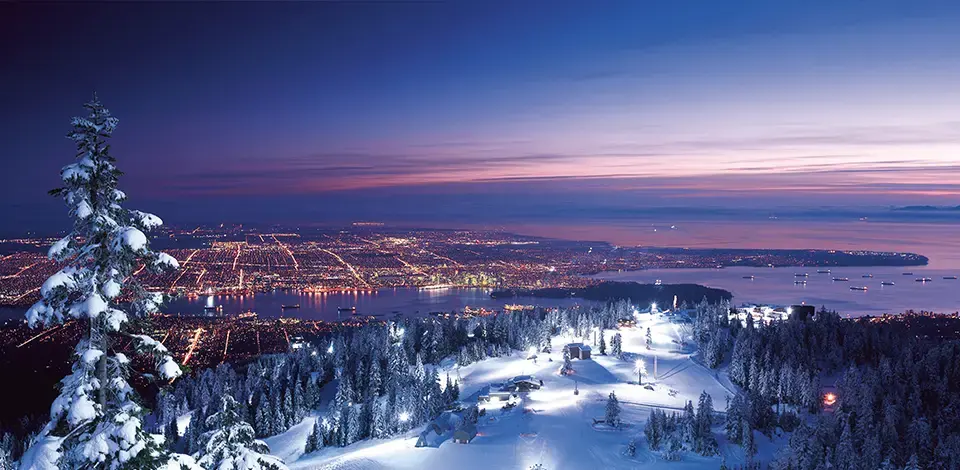
Yes, Vancouver is a premier destination for skiing, featuring three major mountains located within 30 minutes of the downtown core. Cypress Mountain, Grouse Mountain, and Mount Seymour offer diverse terrain, night skiing, and spectacular views of the Pacific Ocean. These resorts are easily accessible by public transit, shuttle buses, or private vehicle.
On this page
How to get to the ski hills from Vancouver
Reaching the local mountains is straightforward due to their proximity to the city. Cypress Mountain, the largest of the three, is located in West Vancouver and is typically reached by a 30-minute drive or a dedicated shuttle service from various pickup points in the city. Grouse Mountain is the most accessible, situated just 15 minutes from downtown; visitors can take the SeaBus to Lonsdale Quay and transfer to a public bus that drops passengers directly at the base of the Skyride gondola. Mount Seymour is located in North Vancouver and also offers a shuttle service from the Rupert SkyTrain station.
When planning your trip, consider the following transportation tips:
- Check the official resort websites daily for road conditions, as winter tires or chains are often mandatory on mountain access roads.
- Book shuttle tickets in advance during weekends and holidays to guarantee a seat, as these services frequently sell out.
- Use the TransLink "Trip Planner" tool if you prefer public transit, as schedules adjust based on the specific mountain's operating hours.
Best mountains for beginners and families
Each of the three local mountains offers distinct advantages for those learning to ski or traveling with children. Mount Seymour is widely considered the most family-friendly option, known for its relaxed atmosphere, dedicated "Magic Carpet" lifts for beginners, and extensive snow tubing lanes. It provides a less intimidating environment for children and first-time skiers compared to the larger, busier resorts. Grouse Mountain is ideal for those who want a mix of skiing and sightseeing, as the gondola ride itself provides panoramic views of the city skyline and the surrounding coastal mountains.
Cypress Mountain offers the most expansive terrain, making it a great choice for beginners who want to progress quickly. It features:
- A large, dedicated learning area for ski and snowboard lessons.
- Multiple green-rated runs that allow novices to explore more of the mountain.
- Night skiing facilities that remain open until 10:00 PM, providing extra time for practice after work or school.
When is the best time to ski
The ski season in Vancouver typically runs from early December through mid-April, depending on annual snowfall and temperatures. January and February are generally considered the peak months for snow quality, as the coastal climate provides consistent precipitation. However, because these mountains are at a relatively low elevation compared to interior resorts like Whistler, heavy rain can occasionally affect the lower slopes. Monitoring the "snow report" on each mountain's website is essential for determining the base depth and current surface conditions before heading up.
To maximize your time on the slopes, follow these scheduling strategies:
- Aim for mid-week visits to avoid the heavy crowds that gather on Saturdays and Sundays.
- Arrive at the parking lots before 8:00 AM on weekends, as parking capacity is limited and often fills up quickly.
- Utilize night skiing passes if you are a local, as the slopes are significantly quieter on weekday evenings after the workday ends.
Common mistakes when planning your trip
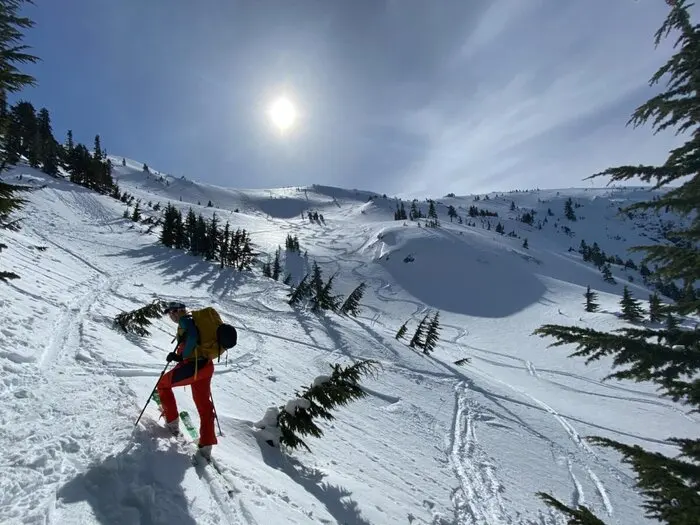
One of the most frequent errors visitors make is underestimating the importance of proper gear for the Pacific Northwest climate. Unlike the dry, cold snow found in the Canadian Rockies, Vancouver snow is often "wet" or heavy due to the coastal influence. Wearing non-waterproof clothing will lead to discomfort within an hour of being on the mountain. Always ensure your outer layers are fully waterproof, and bring an extra pair of gloves, as they will likely become damp throughout the day.
Another mistake is failing to check the mountain status before leaving the city. Because the weather changes rapidly in the North Shore mountains, a sunny day in downtown Vancouver can quickly turn into a blizzard or heavy fog at the summit. Always verify the following before departing:
- The current operating status of the chairlifts, as high winds can cause temporary closures.
- The live webcam feeds to gauge visibility and crowd levels.
- The specific parking requirements, as some mountains now require pre-booked parking passes during peak periods to manage traffic flow.
How to prepare for your first ski day
Preparation is the key to a successful day on the slopes, especially if you are renting equipment. Most visitors find it more convenient to rent gear at the mountain base rather than carrying it from the city. If you are a beginner, it is highly recommended to book a lesson package that includes your lift ticket, equipment rental, and professional instruction. This ensures you learn the fundamental safety rules of the mountain, such as how to properly load a chairlift and how to yield to other skiers who are downhill from you.
Before you head out, pack these essential items in your bag:
- A high-SPF sunscreen, as the sun reflecting off the snow can be intense even on cloudy days.
- A reusable water bottle and high-energy snacks, as mountain lodge food can be expensive and crowded during peak lunch hours.
- A portable power bank for your phone, as cold temperatures significantly reduce battery life, and you will need your device for navigation and communication.
Key facts
- Vancouver is unique because it offers three major ski resorts within a 30-minute drive from the downtown core.
- Cypress Mountain, Grouse Mountain, and Mount Seymour are the three local peaks accessible via public transit or car.
- The ski season typically runs from early December through mid-April, depending on annual snowfall and temperatures.
- Cypress Mountain offers the highest vertical drop and the most terrain of the three local options.
- Night skiing is available at all three resorts, allowing visitors to hit the slopes after work or school.
- Always check the official resort websites for real-time mountain conditions and road closure alerts before departing.
The bottom line
Vancouver is an exceptional destination for skiers because it combines urban convenience with immediate access to mountainous terrain. Whether you choose the expansive slopes of Cypress, the iconic views of Grouse, or the family-friendly atmosphere of Seymour, you can enjoy a full day of winter sports without leaving the metropolitan area. Always prioritize safety by checking weather conditions and securing your transportation arrangements well in advance.
People also ask
Do I need a car to reach the ski resorts from Vancouver?
No, you do not need a car. Cypress and Grouse Mountains offer dedicated shuttle bus services from central locations in the city, and Mount Seymour provides a shuttle from the Parkgate Community Centre.
Which mountain is best for beginners?
Mount Seymour is widely considered the most beginner-friendly and family-oriented resort. Its layout is less intimidating than the larger Cypress Mountain, making it ideal for those learning to ski or snowboard.
Are these resorts suitable for expert skiers?
While they are smaller than Whistler Blackcomb, Cypress Mountain features challenging black diamond runs and glades. They are excellent for a quick day trip, though experts may find the terrain limited for a full week of skiing.
Is it expensive to ski near Vancouver?
Lift tickets are generally cheaper than at major destination resorts like Whistler. However, prices vary based on the time of day and whether you purchase tickets online in advance.
Can I rent ski equipment at the mountains?
Yes, all three resorts have full-service rental shops on-site. It is highly recommended to book your equipment online ahead of time to ensure availability and save time upon arrival.
What is the biggest mistake people make when visiting these mountains?
The most common mistake is failing to check the snow report or road conditions during heavy storms. Winter tires or chains are mandatory for driving up the mountains, and failing to have them can lead to fines or being turned away.
This answer was created with the help of AI research tools and reference sources. Spotted an error? Let us know — we correct mistakes quickly. See our editorial policy.