What mountains surround Vancouver?
Short answer
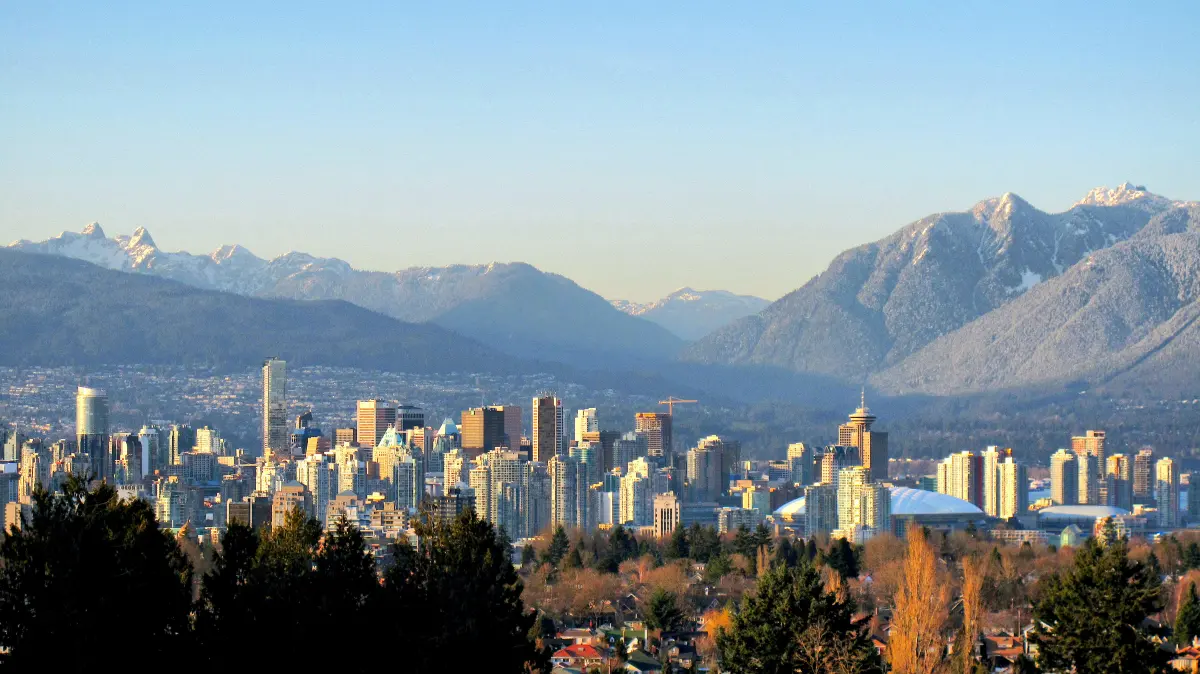
Vancouver is framed by the North Shore Mountains, a rugged sub-range of the Pacific Ranges within the Coast Mountains. These peaks, including the iconic Grouse, Cypress, and Seymour mountains, dominate the northern skyline. To the east and south, the landscape is further defined by the distant, snow-capped Mount Baker and the Fraser Valley.
On this page
What are the North Shore Mountains?
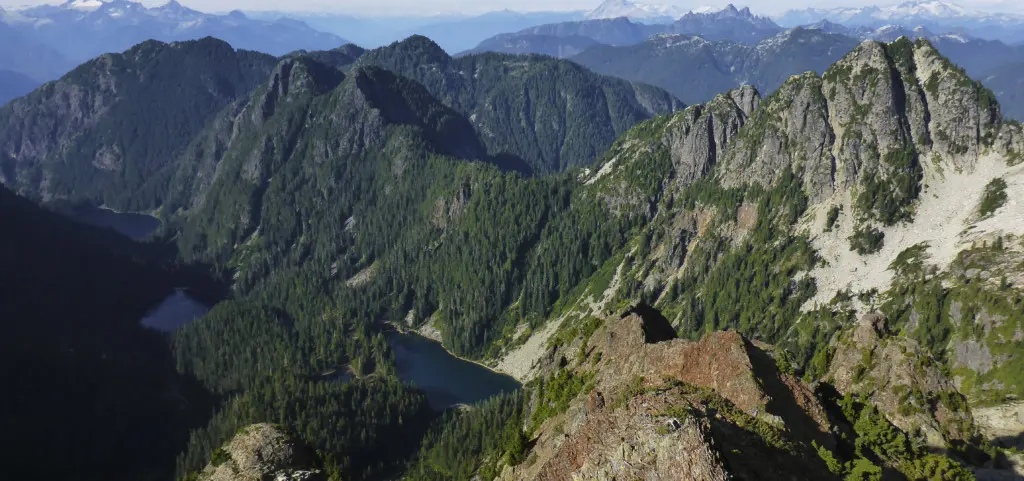
The North Shore Mountains are the most prominent geological feature defining Vancouver’s northern horizon. This range consists of several steep, heavily forested peaks that rise abruptly from the Burrard Inlet. While they are part of the larger Coast Mountains, they are distinct due to their immediate proximity to the metropolitan area. The three primary mountains accessible for recreation are Grouse, Cypress, and Seymour.
These mountains serve as a vital natural barrier and a playground for residents. They are characterized by dense coniferous forests, deep valleys, and high annual snowfall, which makes them ideal for winter sports. Because they are so close to the city, they provide a dramatic backdrop that influences the local climate and defines the aesthetic character of the region. Visitors often underestimate the elevation gain, as these peaks rise from sea level to over 1,400 meters in a very short horizontal distance.
How to visit the North Shore Mountains
Visiting these mountains is straightforward, as they are located just 15 to 30 minutes from downtown Vancouver by car. Each mountain offers a unique experience depending on the season and your activity level. Grouse Mountain is the most commercialized, featuring a skyride, restaurants, and year-round activities. Cypress and Seymour are more focused on traditional skiing, snowboarding, and backcountry hiking.
- Check the weather forecast specifically for the mountain elevation, as it is often significantly colder and wetter than in the city.
- Ensure your vehicle has winter tires if you are traveling between October and April, as provincial regulations are strictly enforced.
- Use public transit options, such as the SeaBus and connecting shuttle buses, to avoid parking congestion during peak weekends.
- Always pack the "Ten Essentials," including extra clothing, a headlamp, and navigation tools, even for short hikes.
Best mountains for beginners and families
For those new to the area or traveling with children, choosing the right mountain is essential for a positive experience. Grouse Mountain is the most accessible choice because the gondola eliminates the need for strenuous climbing. It offers paved paths, wildlife exhibits, and easy dining options that are perfect for a casual afternoon. The mountain is well-maintained and provides clear signage throughout its primary recreational areas.
If you prefer a more natural setting without the crowds of a resort, Mount Seymour offers excellent beginner-friendly trails. The park features well-marked paths that wind through old-growth forests and lead to scenic vistas of the city and the ocean. These trails are generally less steep than those found on other peaks, making them suitable for families. Regardless of your choice, always stick to the marked trails to protect the fragile alpine ecosystem and ensure your personal safety.
Why the weather changes so quickly
The climate in the North Shore Mountains is heavily influenced by the Pacific Ocean, leading to rapid and often unpredictable shifts in weather. Moist air from the ocean hits the steep slopes of the mountains and is forced upward, a process known as orographic lift. This results in heavy precipitation, which falls as rain at the base and often as deep, wet snow at the summits. It is common to experience sunshine in downtown Vancouver while the peaks remain shrouded in thick clouds.
Because of this phenomenon, conditions on the mountain can change within minutes. A clear morning can quickly turn into a whiteout, making navigation difficult for inexperienced hikers. Always monitor local mountain webcams and official park reports before heading out. Never assume that the weather at sea level accurately reflects the conditions you will encounter at the summit, as the temperature difference can be as much as 10 degrees Celsius.
Common mistakes when hiking in Vancouver
One of the most frequent errors visitors make is underestimating the difficulty of the terrain. The trails in the North Shore Mountains are notoriously rugged, featuring steep root-filled paths and slippery rock faces. Many hikers attempt trails that exceed their fitness level, leading to exhaustion or injury. Avoid these common pitfalls to ensure a safe trip:
- Starting a hike too late in the afternoon, which leaves you vulnerable to darkness on the descent.
- Wearing inappropriate footwear, such as flip-flops or smooth-soled sneakers, which provide no traction on wet granite.
- Relying solely on a smartphone for navigation, as cold temperatures drain batteries and cell service is often non-existent in the backcountry.
- Ignoring warning signs regarding bear or cougar activity, which are common in these wilderness areas.
By respecting the environment and preparing for the volatile conditions of the Pacific Northwest, you can safely enjoy the stunning vistas that these mountains provide. Always inform someone of your planned route and expected return time before you depart the city. Proper preparation is the difference between a memorable adventure and a dangerous situation in the wild mountains surrounding Vancouver.
Key facts
- Vancouver is framed by the North Shore Mountains, a sub-range of the Pacific Ranges of the Coast Mountains.
- The three most prominent peaks visible from the city are Cypress Mountain, Grouse Mountain, and Mount Seymour.
- These mountains rise abruptly from sea level to elevations exceeding 1,400 meters (4,600 feet).
- The North Shore Mountains are technically part of the North Shore Range, which extends from Howe Sound to Indian Arm.
- Visitors should avoid hiking these trails during the winter months without professional avalanche gear and training.
- Always check local weather reports before heading up, as mountain temperatures are often 5 to 10 degrees Celsius cooler than in the city.
The bottom line
The North Shore Mountains provide a dramatic backdrop to Vancouver, offering world-class outdoor recreation just minutes from the urban core. Whether you are skiing at Cypress or hiking the challenging Grouse Grind, these peaks define the local landscape. Always prioritize safety by checking conditions, carrying proper supplies, and respecting wildlife. These mountains are a vital part of the region's geography, culture, and active lifestyle.
People also ask
Can you hike the North Shore Mountains in the winter?
While some lower trails remain accessible, high-elevation routes are dangerous due to deep snow and avalanche risks. Stick to marked, low-altitude paths and ensure you have proper footwear and navigation tools.
How long does it take to reach the mountains from downtown Vancouver?
You can reach the base of Grouse Mountain or Cypress Mountain in approximately 20 to 30 minutes by car. Public transit options, such as the SeaBus and local buses, also provide direct access to these recreation areas.
Do I need a permit to hike in these mountains?
Most hiking trails in the North Shore Mountains do not require a permit for individual day hikers. However, you must check specific park regulations for areas like Garibaldi Provincial Park, which may require day-use passes during peak season.
What is the highest peak in the North Shore Mountains?
The highest peak in the North Shore Mountains is Brunswick Mountain, which stands at 1,788 meters (5,866 feet). It offers a challenging climb and panoramic views of Howe Sound and the surrounding ranges.
Are there bears in the mountains near Vancouver?
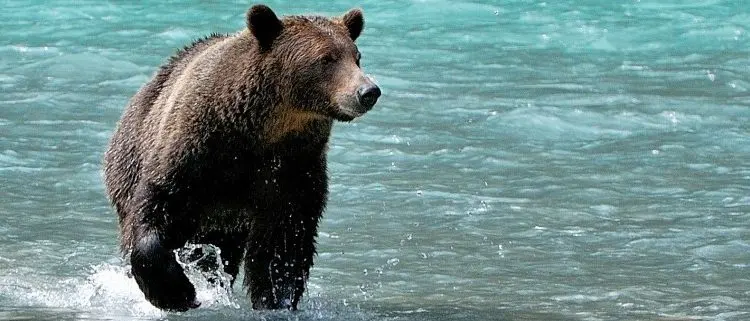
Yes, black bears are common throughout the North Shore Mountains. Hikers should carry bear spray, make noise while walking, and never leave food or garbage on the trails.
Is the Grouse Grind considered a difficult hike?
The Grouse Grind is a steep, strenuous 2.9-kilometer trail often called "Mother Nature's Stairmaster." It is physically demanding and requires a good level of cardiovascular fitness, so beginners should start with easier local trails.
This answer was created with the help of AI research tools and reference sources. Spotted an error? Let us know — we correct mistakes quickly. See our editorial policy.