What are the best parks in Vancouver?
Short answer
Vancouver’s best parks offer diverse experiences, ranging from expansive coastal forests to manicured urban gardens. Stanley Park is the city’s crown jewel, while Queen Elizabeth Park provides the highest vantage point. Other notable destinations include Pacific Spirit Regional Park for hiking and VanDusen Botanical Garden for curated, seasonal floral displays.
On this page
Why is Stanley Park considered the best park?
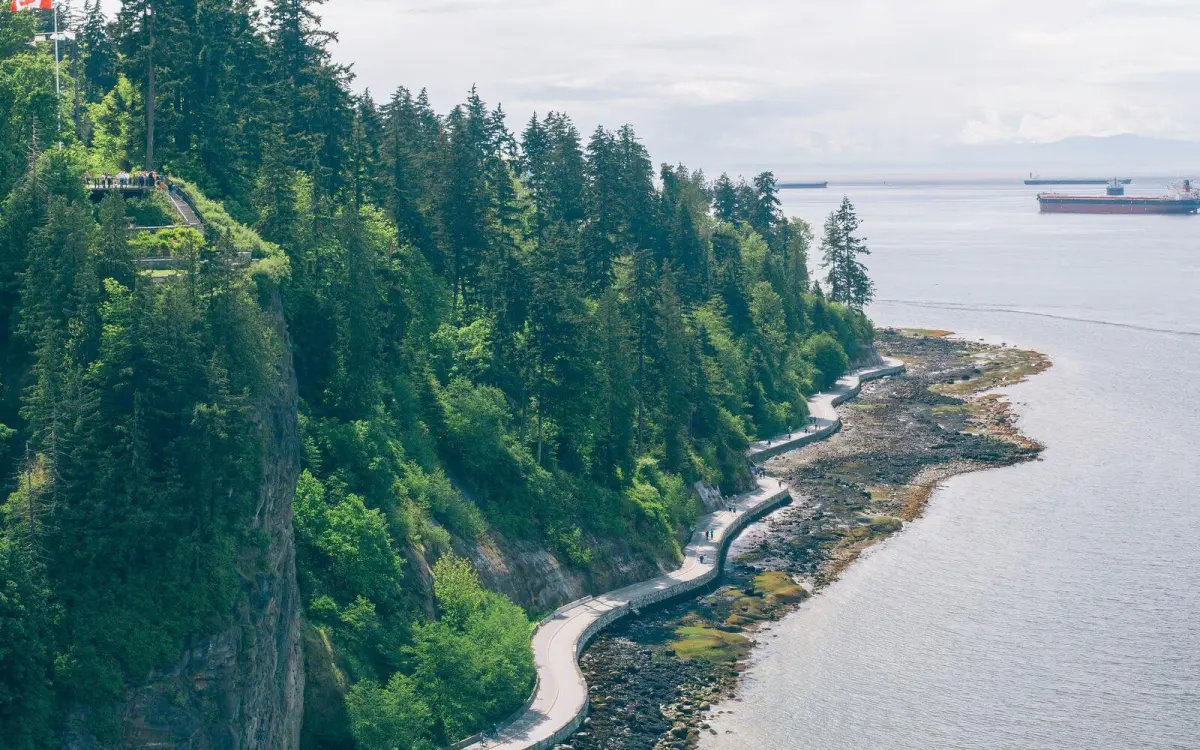
Stanley Park is a 405-hectare public park that serves as a massive green oasis bordering the downtown core. Established in 1888, it remains one of the largest urban parks in North America, featuring a mix of dense temperate rainforest and accessible coastline. The park is world-renowned for its 8.8-kilometer Seawall, which attracts millions of cyclists, joggers, and walkers annually. Beyond the path, visitors explore the totem poles at Brockton Point, the Vancouver Aquarium, and various sandy beaches like Second and Third Beach.
The park offers a unique blend of historical significance and natural beauty. It is managed by the Vancouver Board of Parks and Recreation, which ensures the preservation of its old-growth trees and diverse wildlife habitats. Whether you are looking for a quiet picnic spot or an active afternoon of sightseeing, the park’s sheer size ensures that it rarely feels overcrowded. It is the definitive starting point for any visitor looking to understand Vancouver's relationship with nature.
How to explore the Seawall effectively
The Seawall is a paved path that encircles the entire Stanley Park peninsula and continues along the city's waterfront. To make the most of your trip, consider these practical tips for navigating the route:
- Rent a bicycle from the shops located on Denman Street near the park entrance to save time.
- Travel in a counter-clockwise direction, as this is the standard flow for cyclists to maintain safety.
- Stay in the designated cycling lane and yield to pedestrians at marked crosswalks.
- Bring a reusable water bottle, as refill stations are available at major hubs like Lumberman’s Arch.
One common mistake is attempting to walk the entire 8.8-kilometer loop without adequate footwear or water. The route takes approximately two to three hours to walk at a moderate pace, but it can be exhausting on hot days. If you find yourself tired, several bus stops and shuttle services operate within the park boundaries to transport you back to the city center. Always check the weather forecast, as coastal winds can make the seawall significantly cooler than the downtown streets.
Best parks for panoramic city views
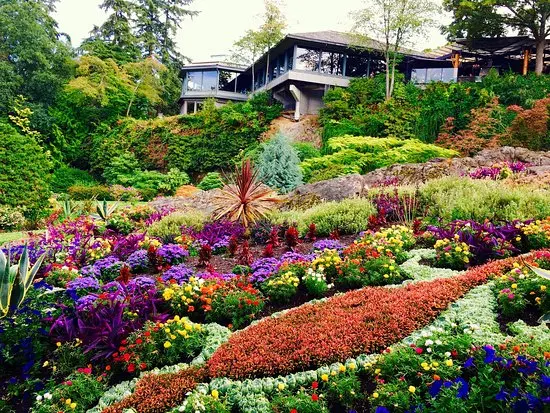
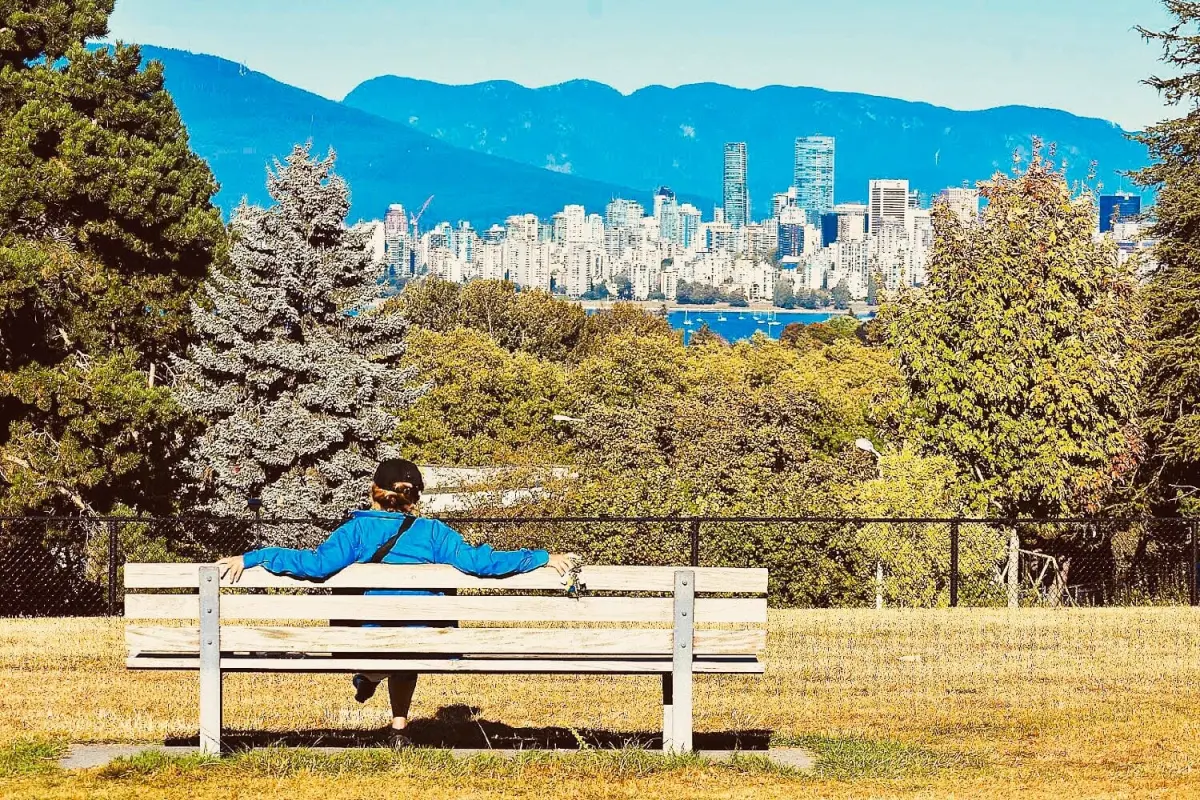
Queen Elizabeth Park is the premier destination for those seeking high-elevation views of the Vancouver skyline and the North Shore Mountains. Located at the highest point in the city, the park sits 152 meters above sea level. It is home to the Bloedel Conservatory, a climate-controlled glass dome that houses exotic birds and tropical plants. The park’s sunken quarry gardens, transformed from a former rock quarry, offer a stunning display of seasonal flowers and meticulously maintained landscaping that changes throughout the year.
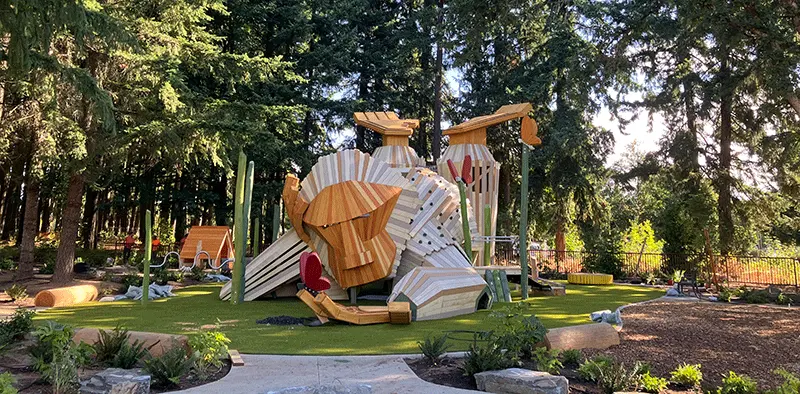
For a more rugged, natural perspective, head to Burnaby Mountain Park just east of the city limits. This location features the famous Kamui Mintara (Playground of the Gods) sculptures and offers sweeping vistas of the Burrard Inlet. It is a popular spot for watching sunsets and observing paragliders taking off from the hillside. Both parks provide ample parking and are accessible via public transit, making them excellent choices for an afternoon outing that combines physical activity with spectacular photographic opportunities.
How to enjoy Pacific Spirit Regional Park
Pacific Spirit Regional Park is a massive 874-hectare forest located on the western tip of the Point Grey peninsula. Unlike the manicured lawns of Stanley Park, this area is characterized by wild, moss-covered trails and towering Douglas firs. It is the ideal location for hikers who want to escape the noise of the city. To navigate this extensive trail network, follow these steps:
- Download a digital map from the Metro Vancouver website before you enter the forest.
- Park your vehicle at the main lot on West 16th Avenue or near the UBC campus.
- Choose a trail loop based on your fitness level; the Camosun Bog trail is easy, while the Salish Trail offers more elevation.
- Keep your dog on a leash in designated areas to protect the local ecosystem.
A common mistake is assuming the park is fully paved or lit. Many trails are unpaved, uneven, and can become muddy during the rainy season, which lasts from October through April. Wear sturdy hiking boots and bring a light rain jacket even if the sun is shining when you leave your hotel. Because the park borders the university, it is a favorite for students and researchers, so be prepared for a quieter, more academic atmosphere compared to the bustling tourist hubs.
Best seasonal gardens for plant lovers
VanDusen Botanical Garden is a 22-hectare oasis that showcases a vast collection of plants from around the world. It is particularly famous for its Elizabethan hedge maze, which is one of only a few in North America. The garden is divided into various zones, including a Sino-Himalayan garden and a Mediterranean garden, providing a global horticultural experience in the heart of the city. It is a paid-entry park, which ensures that the grounds remain in pristine condition throughout the year.
If you visit in the spring, the cherry blossoms are a major attraction, drawing photographers from across the globe. During the winter, the garden hosts a popular Festival of Lights, where millions of bulbs illuminate the pathways and trees. Regardless of when you visit, the garden provides a peaceful retreat from urban life. It is best to purchase tickets online in advance during peak season to avoid long queues at the entrance gate and ensure your entry.
Key facts
- Stanley Park spans 405 hectares and is 10 percent larger than New York City’s Central Park.
- The Seawall is a 28-kilometer paved path that encircles the downtown waterfront and is the city's most popular recreational route.
- Queen Elizabeth Park sits at the highest point in Vancouver, offering an elevation of 152 meters above sea level.
- VanDusen Botanical Garden features over 7,500 plant species and varieties from across the globe.
- Pacific Spirit Regional Park contains 873 hectares of forest and is located adjacent to the University of British Columbia.
- Avoid cycling on the Seawall during peak weekend hours in July and August to prevent congestion with pedestrians.
The bottom line
Vancouver offers a diverse park system that caters to both urban explorers and nature enthusiasts. Whether you are navigating the iconic Seawall in Stanley Park or enjoying the elevated city views at Queen Elizabeth Park, each location provides unique recreational opportunities. By respecting off-leash rules and seasonal crowd patterns, you can effectively enjoy the city’s natural beauty while contributing to the preservation of these essential public spaces.
People also ask
Can I drink alcohol in Vancouver parks?
Alcohol consumption is permitted in 22 designated public parks across the city between 11:00 AM and 9:00 PM. Always check for signage or the city’s official map to ensure you are in an approved zone.
Are dogs allowed off-leash in all parks?
Dogs must be on a leash unless they are in a specifically designated off-leash area. Vancouver maintains over 40 off-leash parks, which are clearly marked with signs indicating the boundaries.
Which park is best for viewing cherry blossoms?
Queen Elizabeth Park and Stanley Park are premier locations for cherry blossom viewing. Peak bloom typically occurs between late March and mid-April depending on the spring weather.
Is there an entry fee for Stanley Park?
Access to Stanley Park is free for all visitors. However, you must pay for parking at designated lots and some specific attractions within the park, such as the Vancouver Aquarium, require tickets.
What is the best time of day to visit the Seawall?
Early morning or late evening provides the best experience for cyclists and runners. Mid-day on sunny weekends attracts large crowds, making it difficult to maintain a steady pace.
Are there barbecue facilities available in public parks?
Many parks provide permanent charcoal grills for public use. You must bring your own charcoal and ensure all coals are fully extinguished and disposed of in designated metal bins.
This answer was created with the help of AI research tools and reference sources. Spotted an error? Let us know — we correct mistakes quickly. See our editorial policy.