What are the North Shore Mountains?
Short answer
The North Shore Mountains are a prominent range of the Pacific Ranges in the Coast Mountains, located immediately north of Vancouver, British Columbia. Rising abruptly from the Burrard Inlet, these peaks—including Cypress, Grouse, and Seymour—serve as a vital recreational hub for hiking, skiing, and mountain biking for the metropolitan area.
On this page
What are the North Shore Mountains?
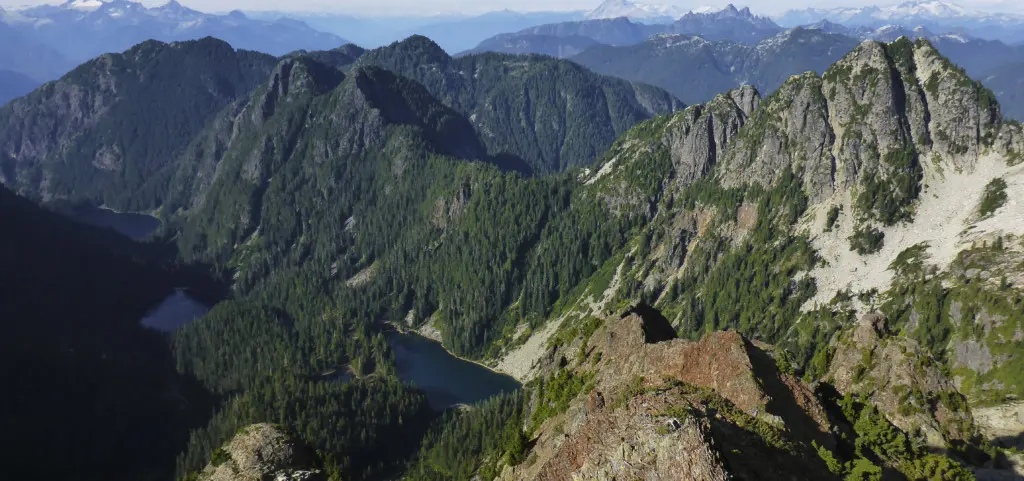
The North Shore Mountains represent the rugged southern terminus of the Coast Mountains, stretching across the northern horizon of Vancouver. While they are not exceptionally tall by global standards, their proximity to a major urban center makes them a defining geographical feature of the region. The range is composed primarily of granitic rock, shaped by glacial activity over millions of years, resulting in steep, forested slopes and deep valleys.
These mountains act as a dramatic backdrop for the city, influencing local weather patterns by forcing moist Pacific air upward, which results in significant rainfall at lower elevations and heavy snowfall on the peaks. The range includes several distinct summits, with the most recognizable being the "Lions" (The Sisters), Mount Seymour, Grouse Mountain, and Black Mountain. Because they rise directly from sea level to elevations exceeding 1,400 meters, they provide an immediate transition from urban life to wilderness, distinguishing Vancouver from most other major North American cities.
Where to hike in the North Shore Mountains
Hiking is the most popular activity in the range, offering trails that range from accessible nature walks to grueling backcountry ascents. The terrain is notoriously steep and technical, often requiring hikers to navigate roots, rocks, and mud even on well-marked paths. Popular destinations cater to a wide variety of skill levels, though all require preparation for rapidly changing mountain conditions.
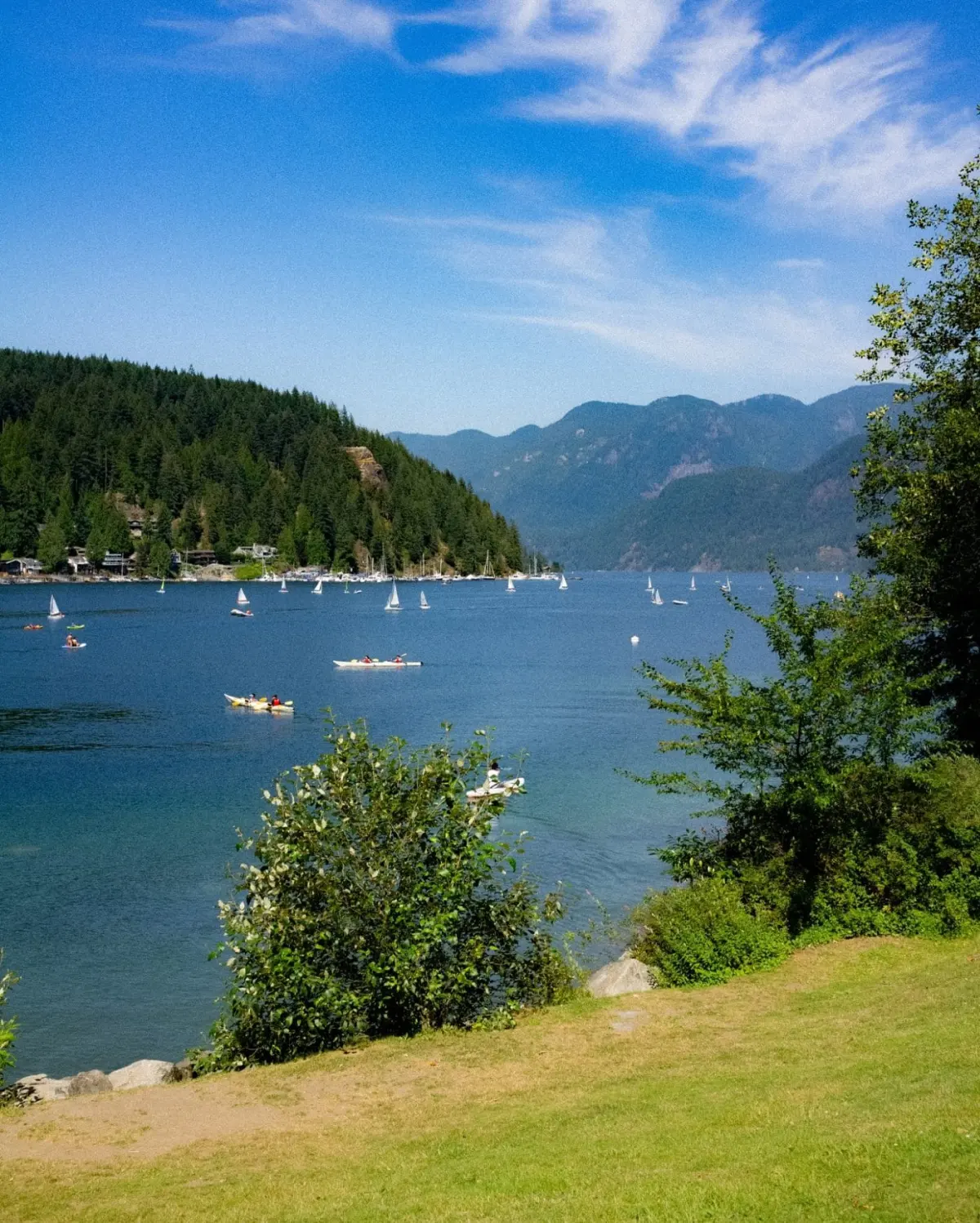
- Quarry Rock: A short, family-friendly hike in Deep Cove that offers a panoramic view of Indian Arm.
- St. Mark’s Summit: Located along the Howe Sound Crest Trail, this route provides iconic views of the surrounding fjords.
- Grouse Grind: Often called "Mother Nature’s Stairmaster," this steep, 2.9-kilometer trail gains 853 meters in elevation.
- Dog Mountain: A relatively flat trail on Mount Seymour that is ideal for those seeking high-reward views with minimal climbing.
Regardless of the trail chosen, hikers should always carry the "Ten Essentials," including extra clothing, a light source, navigation tools, and first-aid supplies. Because the weather can shift from sunny to stormy in minutes, waterproof gear is considered mandatory equipment for anyone venturing beyond the parking lots.
How to ski and ride the North Shore
The North Shore Mountains host three primary ski resorts: Cypress Mountain, Grouse Mountain, and Mount Seymour. These resorts are unique because they are located within a 30-minute drive of downtown Vancouver, allowing for "night skiing" after a full day of work. While they do not feature the massive vertical drops found in the interior of British Columbia, they offer excellent terrain for local enthusiasts and are heavily utilized throughout the winter season.
- Cypress Mountain: The largest of the three, it served as a primary venue for the 2010 Winter Olympics.
- Grouse Mountain: Features the most extensive infrastructure, including a famous aerial tramway and night-lit runs.
- Mount Seymour: Known for its family-oriented atmosphere and excellent terrain parks for snowboarders.
Visitors should note that these resorts are extremely busy on weekends and holidays. Parking lots often reach capacity before 9:00 AM, making public transit or organized shuttles the most reliable way to access the slopes. Always check the official resort websites for current snow conditions and avalanche warnings before departing, as the coastal snowpack can change consistency rapidly.
Common mistakes when visiting the mountains
The most frequent error visitors make is underestimating the difficulty and danger of the terrain. Many tourists arrive in improper footwear, such as flip-flops or thin sneakers, which are insufficient for the rugged, slippery trails. Additionally, many people fail to account for the time it takes to descend; while climbing up is exhausting, the descent is often where injuries occur due to fatigue and poor footing.
Another critical mistake is failing to tell someone your travel plans. Search and Rescue (SAR) teams in the North Shore Mountains are among the busiest in Canada, frequently responding to hikers who are lost, injured, or caught out after dark. To avoid becoming a statistic, follow these safety protocols:
- Always leave a detailed trip plan with a friend, specifying your route and expected return time.
- Never rely solely on a smartphone for navigation, as batteries drain quickly in cold temperatures and signal coverage is unreliable.
- Respect trail closures and stay on marked paths to prevent erosion and avoid dangerous off-trail terrain.
Why the North Shore Mountains matter
The North Shore Mountains are essential to the identity and ecological health of the Greater Vancouver area. They serve as a massive watershed, providing the majority of the region’s drinking water through the Capilano, Seymour, and Coquitlam reservoirs. These protected areas are strictly managed to ensure water quality, which means that much of the high-altitude terrain remains pristine and inaccessible to the public, acting as a vital sanctuary for black bears, cougars, and mountain goats.
Beyond their ecological function, the mountains provide a psychological and physical escape for millions of residents. They are a place where the boundary between urban development and raw nature is constantly negotiated. Whether through the lens of Indigenous history, where the peaks hold deep cultural significance, or through the modern lens of outdoor recreation, the North Shore Mountains remain the most significant natural asset for the people of British Columbia. Protecting this landscape while managing the high volume of human traffic remains a primary challenge for local authorities and conservationists alike.
Key facts
- The North Shore Mountains are a subrange of the Pacific Ranges in the Coast Mountains, located directly north of Vancouver, British Columbia.
- The three most prominent peaks visible from the city are Cypress Mountain, Grouse Mountain, and Mount Seymour.
- The highest point in the range is Brunswick Mountain, which reaches an elevation of 1,788 meters (5,866 feet).
- These mountains serve as the primary destination for outdoor recreation, including skiing, snowboarding, hiking, and mountain biking.
- Visitors should always check the North Shore Rescue website for safety tips, as the rugged terrain frequently leads to hiker disorientation.
- Always pack the "Ten Essentials," including navigation tools, extra clothing, and a light source, even for short day hikes.
The bottom line
The North Shore Mountains are an iconic, rugged range defining Vancouver’s northern horizon. Offering year-round outdoor activities ranging from alpine skiing to technical mountain trekking, they are essential to the region's identity. While they provide unparalleled access to nature, visitors must prioritize safety by preparing for rapid weather shifts and challenging terrain. Respecting these mountains ensures a rewarding experience in one of Canada’s most beautiful landscapes.
People also ask
Are the North Shore Mountains part of the Rocky Mountains?
No, they are part of the Pacific Ranges of the Coast Mountains. The Rockies are located much further inland, separated from the coast by the Interior Plateau.
Can you see the North Shore Mountains from downtown Vancouver?
Yes, they form a dramatic backdrop to the city skyline and are visible from almost any northern-facing street. Their proximity to the urban core is a defining feature of Vancouver’s geography.
Is it safe to hike in the North Shore Mountains during winter?
Winter hiking requires specialized gear like snowshoes or crampons due to heavy snowfall and avalanche risks. Stick to marked, low-elevation trails unless you have formal avalanche training and proper equipment.
Which mountain offers the best view of the city?
Grouse Mountain is widely considered the best vantage point for city views. It is easily accessible via the Skyride gondola and features observation decks and dining options.
Do I need a permit to hike these trails?
Most trails in the North Shore Mountains do not require a permit for individual hikers. However, you must pay for parking at provincial parks like Cypress or Mount Seymour during peak seasons.
What is the most common mistake hikers make here?
The most frequent error is underestimating the weather, which can change rapidly at higher altitudes. Many hikers also fail to start early enough, leading to dangerous descents in the dark.
This answer was created with the help of AI research tools and reference sources. Spotted an error? Let us know — we correct mistakes quickly. See our editorial policy.