What is the Philippines known for?
Short answer
The Philippines is a Southeast Asian archipelago renowned for its world-class tropical beaches, vibrant biodiversity, and resilient culture. It is the world’s leading producer of coconuts and abaca, while its capital, Manila, serves as a historic hub. The nation is celebrated for its warm hospitality, diverse culinary heritage, and unique colonial history.
On this page
Why is the Philippines famous for its islands?
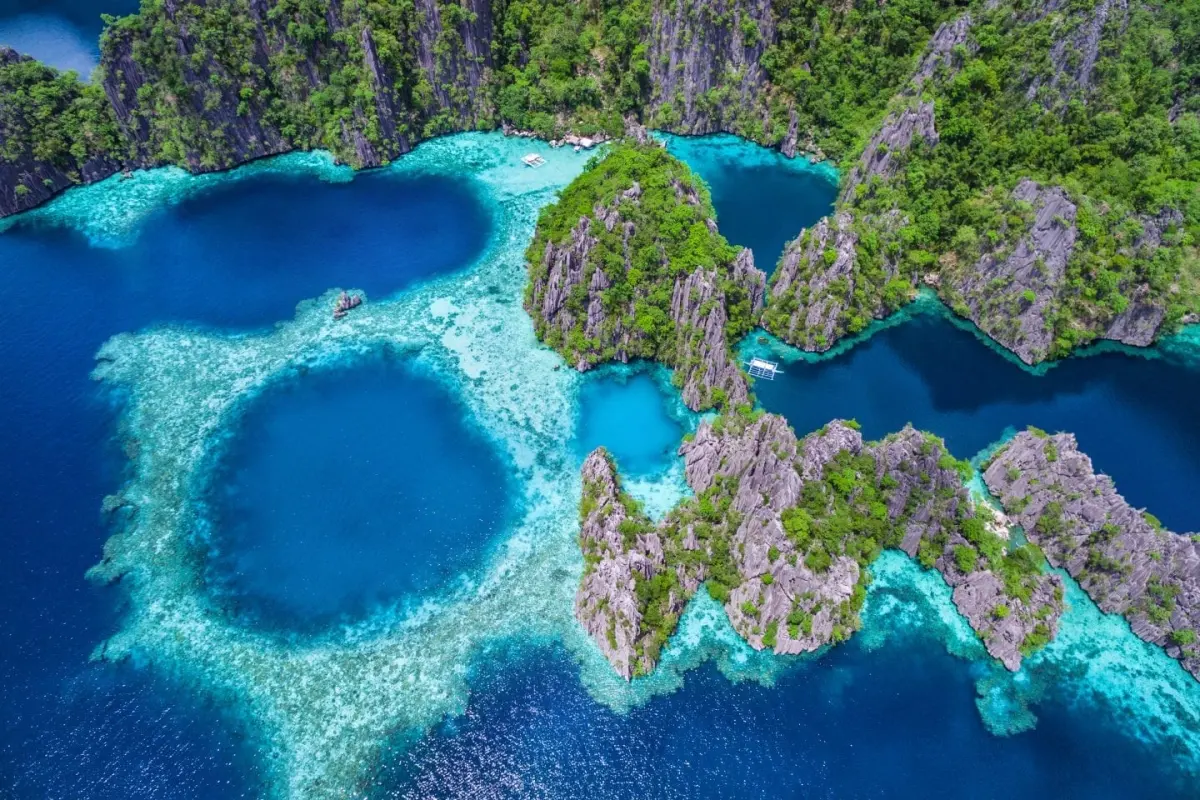
The Philippines is an archipelago consisting of 7,641 islands, each offering distinct geographical features. It is globally recognized for having some of the most pristine coastlines, particularly in regions like Palawan, which frequently tops international travel rankings for its turquoise waters and limestone karst formations. Boracay remains a premier destination for its four-kilometer stretch of white powdery sand, while Siargao is world-renowned as the surfing capital of the country.
Beyond the beaches, the islands are part of the Coral Triangle, a marine area containing the highest diversity of coral species on Earth. Divers flock to sites like the Tubbataha Reefs Natural Park, a UNESCO World Heritage site, to witness massive schools of fish, sea turtles, and reef sharks. The country’s geography supports a vast array of endemic species, making it a critical hotspot for global biodiversity.
- Palawan: Famous for the Puerto Princesa Subterranean River.
- Siargao: Known for the Cloud 9 surfing break.
- Cebu: Renowned for whale shark interactions and historical landmarks.
- Bohol: Best known for the Chocolate Hills and tarsiers.
How to experience Filipino culture and hospitality?
Filipino hospitality, often referred to as "malasakit," is a defining cultural trait characterized by genuine warmth and a welcoming nature toward visitors. This culture is deeply rooted in family-centric values and a communal spirit known as "bayanihan," which describes neighbors helping neighbors during times of need. Visitors often find that locals go out of their way to ensure guests feel comfortable, whether through sharing home-cooked meals or providing directions with a smile.
To fully immerse yourself in the local experience, participate in the country’s colorful festivals, known as "fiestas." These celebrations are held throughout the year in almost every town to honor patron saints and commemorate historical events. The Sinulog Festival in Cebu and the Ati-Atihan in Aklan are prime examples of the country’s high-energy, music-filled heritage.
- Learn basic Tagalog phrases like "Salamat" (Thank you) and "Magandang araw" (Good day).
- Accept invitations to eat with locals, as food is the primary language of connection.
- Respect local customs by participating in community gatherings when invited.
- Always remove your shoes when entering a Filipino home.
What are the must-try Filipino foods?
Filipino cuisine is a complex fusion of indigenous, Spanish, Chinese, and American influences. It is known for its "sawsawan" culture, where diners customize the flavor profile of their meals using various dipping sauces like soy sauce, vinegar, and chili. The national dish, adobo, consists of meat—usually chicken or pork—marinated in vinegar, soy sauce, garlic, and peppercorns. It is a staple found in every household and restaurant across the archipelago.
Other iconic dishes include lechon, a whole roasted pig with crispy skin that is the centerpiece of any major celebration. For dessert, halo-halo is a popular treat made of crushed ice, evaporated milk, and various ingredients like sweetened beans, jellies, and ube (purple yam) ice cream. Street food culture is also vibrant, with options like "isaw" (grilled chicken intestines) and "balut" (a fertilized duck egg) providing adventurous culinary experiences for those willing to try them.
Common mistakes when traveling to the Philippines
One of the most frequent errors travelers make is underestimating the time required for island hopping. Because the country is an archipelago, moving between islands often requires domestic flights or long ferry rides, which can be delayed by weather or logistical challenges. It is best to focus on one or two regions per trip rather than trying to visit too many islands in a short timeframe.
Another mistake is failing to prepare for the tropical climate. The Philippines experiences a distinct wet and dry season, and the humidity can be intense. Visitors often neglect the importance of hydration and sun protection, leading to exhaustion. Additionally, while English is widely spoken, assuming that every local is fluent in complex jargon can lead to misunderstandings; keeping communication simple and respectful is the key to a smooth interaction.
- Over-scheduling your itinerary without buffer time for transit.
- Ignoring the monsoon season (typically June to November) when booking beach trips.
- Underestimating the intensity of the sun, even on cloudy days.
- Forgetting to carry small denominations of cash, as many rural areas do not accept cards.
Best time of year to visit the Philippines
The ideal time to visit the Philippines is during the dry season, which spans from December to May. During these months, the weather is generally sunny and perfect for outdoor activities like island hopping, diving, and trekking. December to February offers cooler, more comfortable temperatures, making it the peak travel season. March to May is hotter, which is perfect for those who want to spend their entire trip in the water.
If you prefer to avoid crowds and save money, the shoulder seasons—late May or November—can offer a balance between decent weather and lower prices. However, keep in mind that the rainy season, while often characterized by short, heavy afternoon downpours, can occasionally lead to typhoons that may disrupt travel plans. Always monitor the official weather bureau updates if you are planning to travel during the transition months to ensure your safety and enjoyment.
Key facts
- The Philippines is an archipelago comprising 7,641 islands located in Southeast Asia.
- It is the world’s leading producer of coconuts and pineapples, contributing significantly to global exports.
- English is one of the two official languages, alongside Filipino, making it one of the largest English-speaking nations.
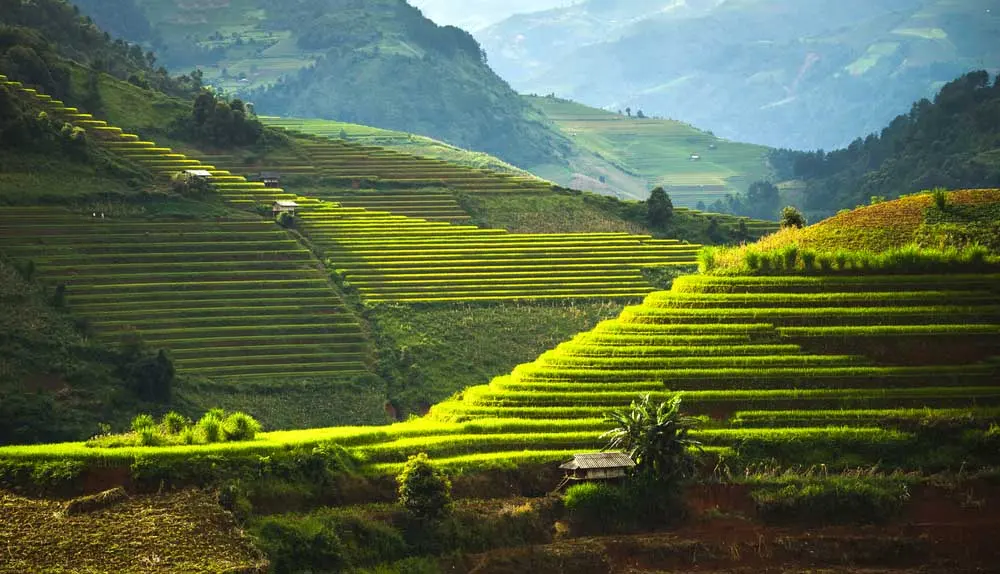
- The country is home to the Banaue Rice Terraces, a UNESCO World Heritage site carved into mountains over 2,000 years ago.
- Jeepneys, the iconic colorful public minibuses, were originally repurposed from surplus U.S. military jeeps left after World War II.
- When visiting, always remove your shoes before entering a Filipino home to show respect to your hosts.
The bottom line
The Philippines is a vibrant archipelago defined by its immense biodiversity, deep-rooted colonial history, and exceptionally hospitable culture. From its world-class beaches and ancient mountain terraces to its bustling urban centers, the nation offers a unique blend of natural beauty and modern convenience. Whether you are exploring its thousands of islands or engaging with its English-speaking local population, the country provides a memorable experience for every traveler.
People also ask
What is the best time of year to visit the Philippines?
The dry season, which runs from December to May, is generally considered the best time for travel. You should avoid the peak of the typhoon season, typically occurring between July and October, to ensure safer travel conditions.
Is it safe to drink tap water in the Philippines?
It is strongly recommended that you avoid drinking tap water throughout the country. Stick to bottled, filtered, or boiled water to prevent gastrointestinal illness during your stay.
What currency is used in the Philippines?
The official currency is the Philippine peso (PHP). While credit cards are widely accepted in major cities and malls, keep cash on hand for local markets and rural areas.
Do I need a visa to enter the Philippines?
Many nationalities can enter the Philippines visa-free for up to 30 days for tourism purposes. Always check the current requirements with the nearest Philippine embassy before your departure date.
What are the most popular tourist destinations?
Boracay is world-renowned for its white sand beaches, while Palawan is famous for its limestone cliffs and the Puerto Princesa Underground River. Cebu and Siargao are also top choices for diving and surfing enthusiasts.
How do I get around between the islands?
Domestic flights are the most efficient way to travel between major islands like Luzon, Visayas, and Mindanao. For shorter distances, inter-island ferries are a common and affordable, though slower, alternative.
This answer was created with the help of AI research tools and reference sources. Spotted an error? Let us know — we correct mistakes quickly. See our editorial policy.