What is Copenhagen known for?
Short answer
Copenhagen is globally recognized for its pioneering urban design, sustainable bicycle culture, and world-class culinary scene. As the capital of Denmark, it blends historic royal landmarks with cutting-edge Nordic architecture. The city is celebrated for its commitment to carbon neutrality, high quality of life, and the cozy cultural philosophy known as hygge.

On this page
Why is Copenhagen famous for cycling?
Copenhagen is widely considered the most bike-friendly city in the world, with over 60 percent of residents commuting to work or school by bicycle. The city features an extensive network of cycle tracks that are physically separated from motorized traffic by raised curbs. This infrastructure ensures safety and efficiency, making cycling the fastest way to navigate the dense urban center. The city even employs "green wave" traffic light synchronization, which adjusts signal timing to favor cyclists during morning rush hours.
The cycling culture is deeply integrated into daily life, regardless of weather conditions. Residents utilize specialized cargo bikes, known as Christiania bikes, to transport groceries, children, and pets. Visitors can easily participate in this culture by renting a bicycle from one of the many automated stations or local shops found on nearly every street corner. To navigate like a local, follow these essential rules:
- Always signal your intent to turn by extending your arm.
- Stay to the right side of the lane to allow faster cyclists to pass on your left.
- Never stop abruptly in the middle of a bike lane; pull over to the side if you need to check a map.
How to experience Danish food culture
The city has transformed into a global gastronomic powerhouse, largely due to the "New Nordic" movement. This culinary philosophy emphasizes seasonal, local ingredients and traditional techniques, such as pickling and smoking. Copenhagen is home to several Michelin-starred establishments, most notably Noma, which has been named the best restaurant in the world multiple times. Beyond fine dining, the city offers a vibrant street food scene and traditional markets that cater to every budget.
For a quintessential Danish experience, try smørrebrød, an open-faced sandwich served on dense rye bread. These are typically topped with pickled herring, roast beef, or shrimp. Another staple is the Danish pastry, known locally as wienerbrød, which you can find in artisanal bakeries throughout the city. If you are exploring the food scene, keep these tips in mind:
- Book fine-dining reservations months in advance, as popular spots fill up quickly.
- Visit Torvehallerne, a large glass market hall, to sample diverse local cheeses, meats, and fresh produce.
- Be aware that tipping is not mandatory in Denmark, as service charges are already included in the bill.
What are the must-see historical landmarks?
Copenhagen’s history is rooted in its status as a royal seat of power, dating back to the 12th century. The city skyline is defined by copper-clad spires and historic palaces that remain in active use today. Amalienborg Palace serves as the winter residence of the Danish royal family, and visitors can witness the Changing of the Guard ceremony every day at noon. Nearby, the Rosenborg Castle houses the Danish Crown Jewels and offers a glimpse into the opulent lifestyle of 17th-century monarchs.
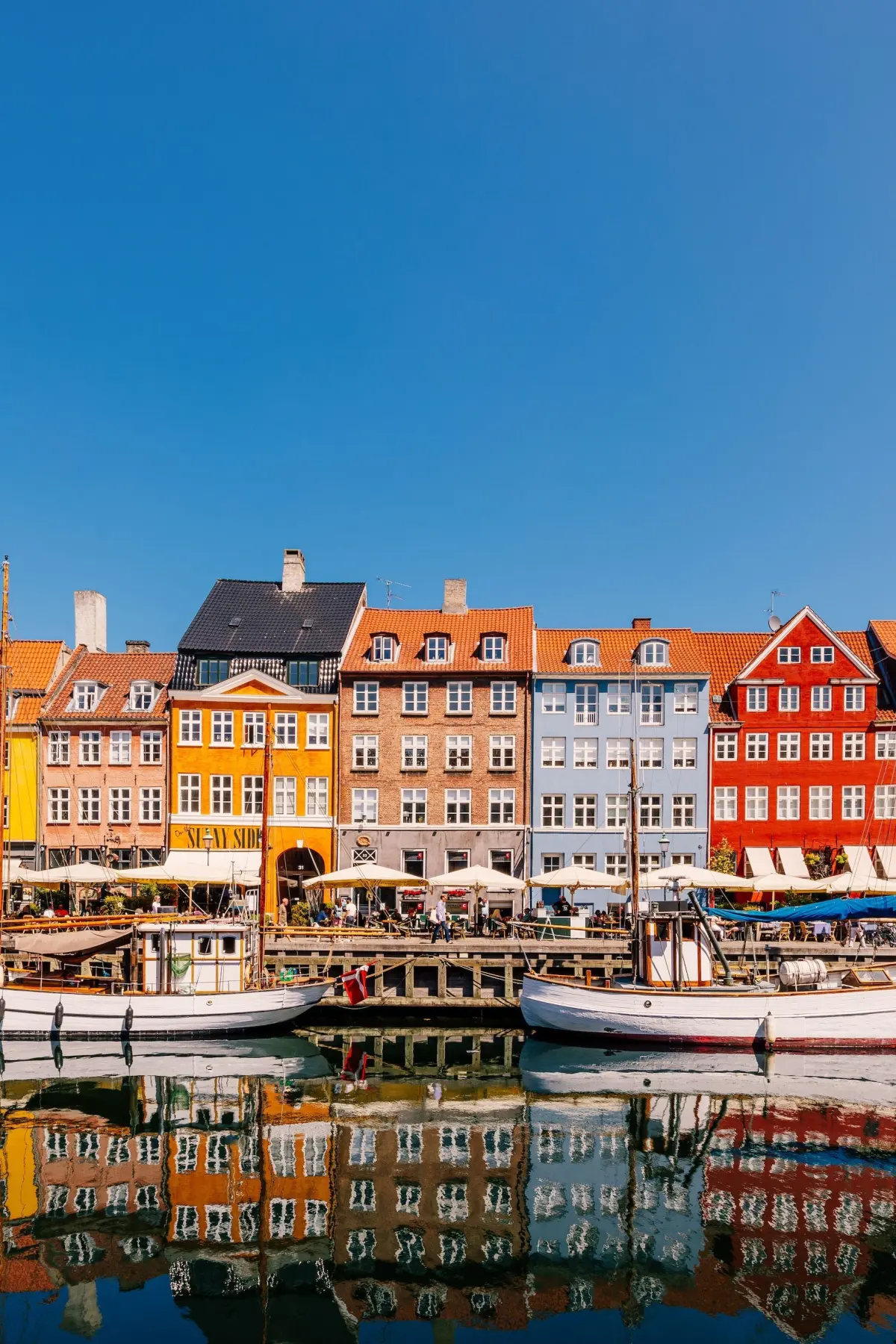
The city’s maritime heritage is best observed at Nyhavn, a 17th-century waterfront district famous for its brightly colored townhouses. These buildings once housed famous residents, including the fairy tale author Hans Christian Andersen. A short distance away stands the iconic Little Mermaid statue, inspired by his most famous story. When visiting these sites, it is helpful to purchase a Copenhagen Card, which provides free public transportation and entry to most major museums and historic attractions, saving significant time and money during your stay.
Common mistakes when visiting Copenhagen
Traveling to a new city often comes with unforeseen challenges, but Copenhagen is generally straightforward if you respect local customs. One common error is underestimating the cost of living; Denmark is an expensive country, and prices for dining and alcohol can be significantly higher than in other European capitals. Another mistake is assuming that everyone uses cash. Denmark is a nearly cashless society, and almost every merchant, including street vendors, expects payment via credit card or mobile app.
Visitors often make the mistake of ignoring the "hygge" concept, which is the Danish pursuit of comfort and contentment. You might miss out on the local experience if you rush between tourist sites without taking time to sit in a café or park. Additionally, be cautious about walking in bike lanes. Tourists frequently step into these lanes while taking photographs, which is considered dangerous and disruptive to commuters. Always look for the distinct blue cycle path markings before stepping off the curb to avoid collisions with fast-moving cyclists.
Best time of year to visit
The city undergoes a dramatic transformation between seasons, offering different benefits depending on your interests. Summer, from June to August, is the most popular time to visit, characterized by long daylight hours and temperatures that rarely exceed 22 degrees Celsius. During this period, the city’s harbor baths open, allowing residents and visitors to swim in the clean, filtered water of the city center. Outdoor festivals and street performances are abundant, making the city feel energetic and festive.
If you prefer fewer crowds and lower prices, consider visiting during the shoulder seasons of May or September. Winter, while cold and dark, offers a unique charm with the city’s famous Christmas markets and the cozy atmosphere of candlelit restaurants. To make the most of your trip, check the local event calendar before booking, as the city hosts major events like the Copenhagen Jazz Festival in July and the Distortion street party in June. Regardless of when you arrive, dressing in layers is the most practical advice for navigating the unpredictable coastal weather.
Key facts
- Copenhagen is the capital of Denmark and home to approximately 650,000 residents in the city proper.
- The city is world-renowned for its cycling infrastructure, featuring over 380 kilometers of dedicated bike lanes used by 62% of residents to commute.
- Nyhavn, the 17th-century waterfront district, is famous for its colorful townhouses and was once the home of fairy tale author Hans Christian Andersen.
- Tivoli Gardens, opened in 1843, is one of the oldest operating amusement parks in the world and inspired Walt Disney's vision for Disneyland.
- The city maintains a goal to become the world’s first carbon-neutral capital by investing heavily in wind energy and district heating systems.
- When visiting, always yield to cyclists in the bike lane; walking in these lanes is a common tourist mistake that creates significant safety hazards.
The bottom line
Copenhagen is a sophisticated blend of historic charm and modern sustainability, defined by its iconic waterfront, world-class design, and bicycle-centric culture. Whether you are exploring the whimsical rides at Tivoli Gardens or embracing the cozy philosophy of hygge in a local cafe, the city offers a unique European experience. It remains a global leader in urban planning, making it both highly functional and deeply atmospheric for visitors.
People also ask
What is the best time of year to visit Copenhagen?
The best time to visit is between June and August when the days are long and the weather is mild. You will experience the "Danish summer" with temperatures averaging around 20°C (68°F) and many outdoor festivals.
Is Copenhagen an expensive city to visit?
Yes, Copenhagen is consistently ranked as one of the most expensive cities in the world for dining, accommodation, and transportation. Budget travelers should look for street food markets like Reffen or utilize the Copenhagen Card for discounted museum entries and transit.
Do I need to learn Danish to travel there?
No, almost all Danes speak fluent English, and you will have no trouble navigating the city or communicating in shops and restaurants. Learning a few polite phrases like "tak" (thank you) is appreciated but not required for a smooth trip.
What is the significance of the "Little Mermaid" statue?
Based on the Hans Christian Andersen story, this bronze statue is a national icon located on a rock by the waterside at Langelinie. Many tourists find it smaller than expected, so manage your expectations before making the trek to see it.
How does the public transportation system work?
The city uses a highly efficient, integrated system of Metro, S-trains, and buses that operate 24/7. Purchase a City Pass or use the "DOT" app to pay for tickets, as cash is rarely accepted on board vehicles.
What is the concept of "hygge"?
Hygge is a cultural pillar of Denmark that describes a quality of coziness and comfortable conviviality that engenders a feeling of contentment. You can experience this by visiting local cafes, lighting candles in the evening, or spending time with friends in relaxed settings.
This answer was created with the help of AI research tools and reference sources. Spotted an error? Let us know — we correct mistakes quickly. See our editorial policy.