What is the ozone layer?
Short answer
The ozone layer is a thin region in Earth’s stratosphere, located roughly 9 to 18 miles above the surface, containing high concentrations of ozone gas. It acts as a vital protective shield by absorbing the majority of the sun’s harmful ultraviolet radiation, which prevents skin cancer, cataracts, and severe ecological damage.
On this page
Why the ozone layer is important
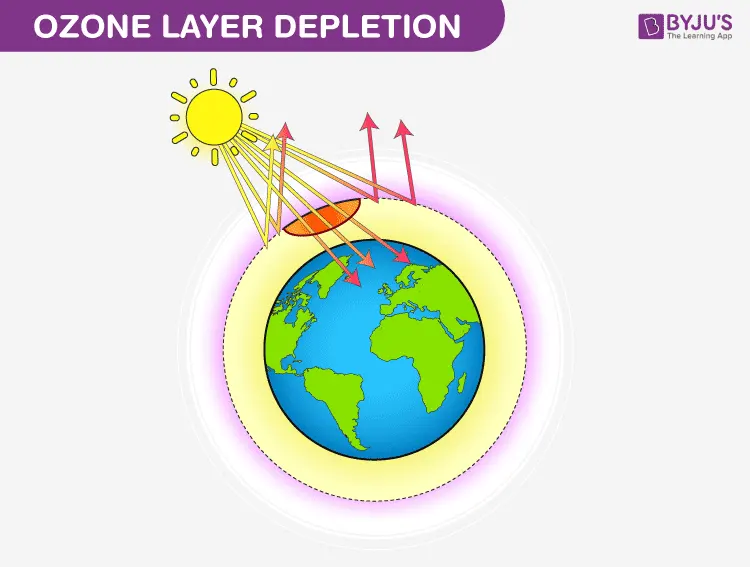
The ozone layer functions as Earth’s natural sunscreen. Without this gaseous barrier, the sun’s ultraviolet (UV) radiation—specifically UV-B and UV-C rays—would reach the surface at intensities lethal to many life forms. These rays possess enough energy to break chemical bonds in DNA, leading to mutations in plants, animals, and humans. By filtering out approximately 97 to 99 percent of this high-frequency radiation, the ozone layer makes terrestrial life possible.
Beyond human health, the layer maintains the stability of global ecosystems. UV-B radiation is known to inhibit the reproductive cycles of phytoplankton, the foundation of the marine food web. If these organisms were destroyed, the resulting collapse would affect fish populations and global carbon cycling. Protecting this layer is not merely an environmental preference but a fundamental requirement for maintaining the biological integrity of the planet.
How the ozone layer works
Ozone is a molecule composed of three oxygen atoms (O3). In the stratosphere, it is constantly being created and destroyed in a natural cycle known as the Chapman cycle. When high-energy UV radiation strikes an ordinary oxygen molecule (O2), it splits the molecule into two individual oxygen atoms. These lone atoms then react with other O2 molecules to form O3.
This process effectively converts dangerous UV energy into heat, which is why the stratosphere is warmer than the layers of the atmosphere below it. The balance is delicate, as the same UV radiation that creates ozone can also break it apart. This dynamic equilibrium ensures that a steady concentration of ozone remains present. However, human-made chemicals have introduced catalysts that accelerate this destruction, disrupting the natural balance and thinning the layer.
What causes ozone depletion
The primary culprits behind ozone thinning are chlorofluorocarbons (CFCs), which were once widely used in refrigeration, air conditioning, and aerosol sprays. When these stable chemicals reach the stratosphere, they are broken down by UV light, releasing chlorine atoms. A single chlorine atom can destroy over 100,000 ozone molecules through a chain reaction before it is eventually removed from the atmosphere.
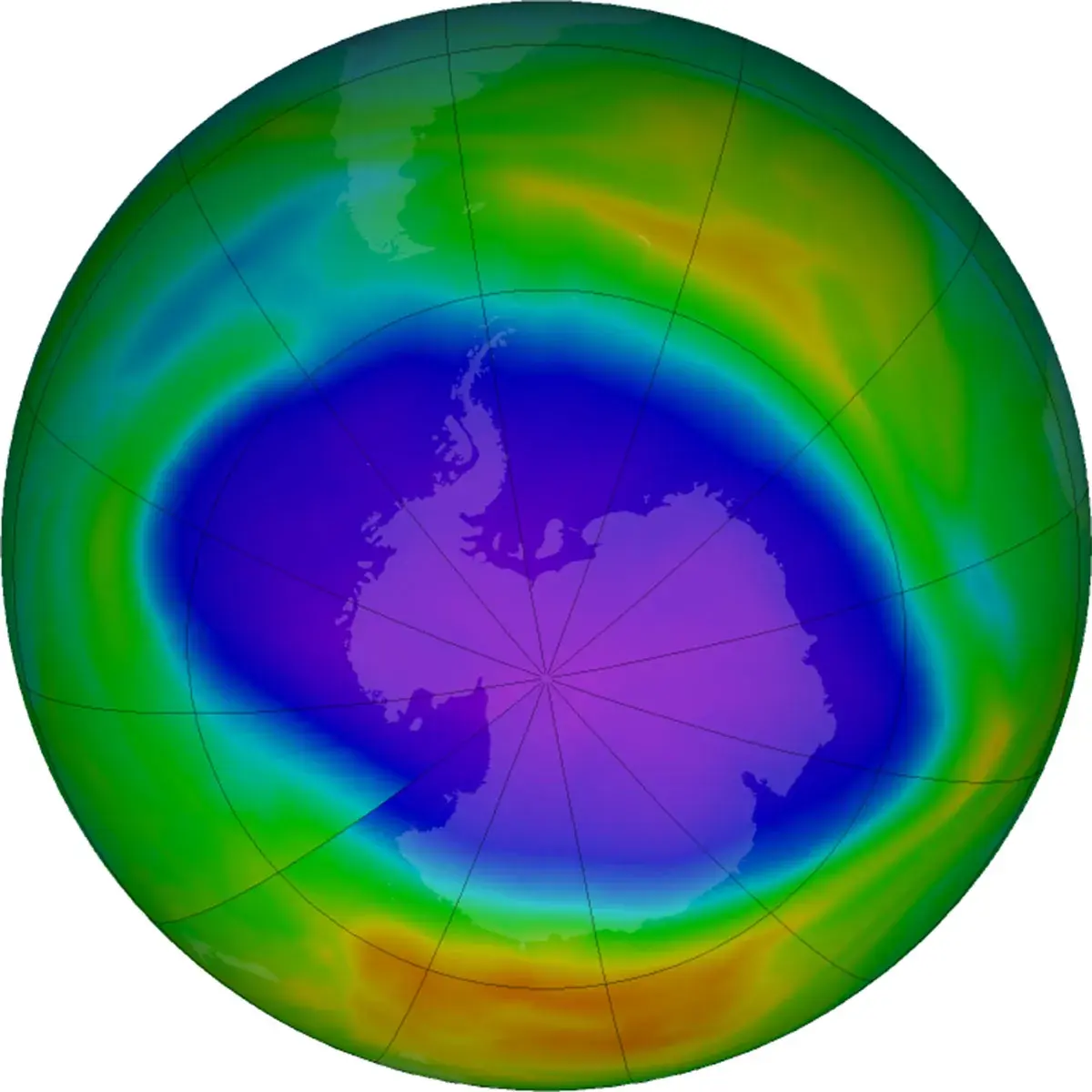
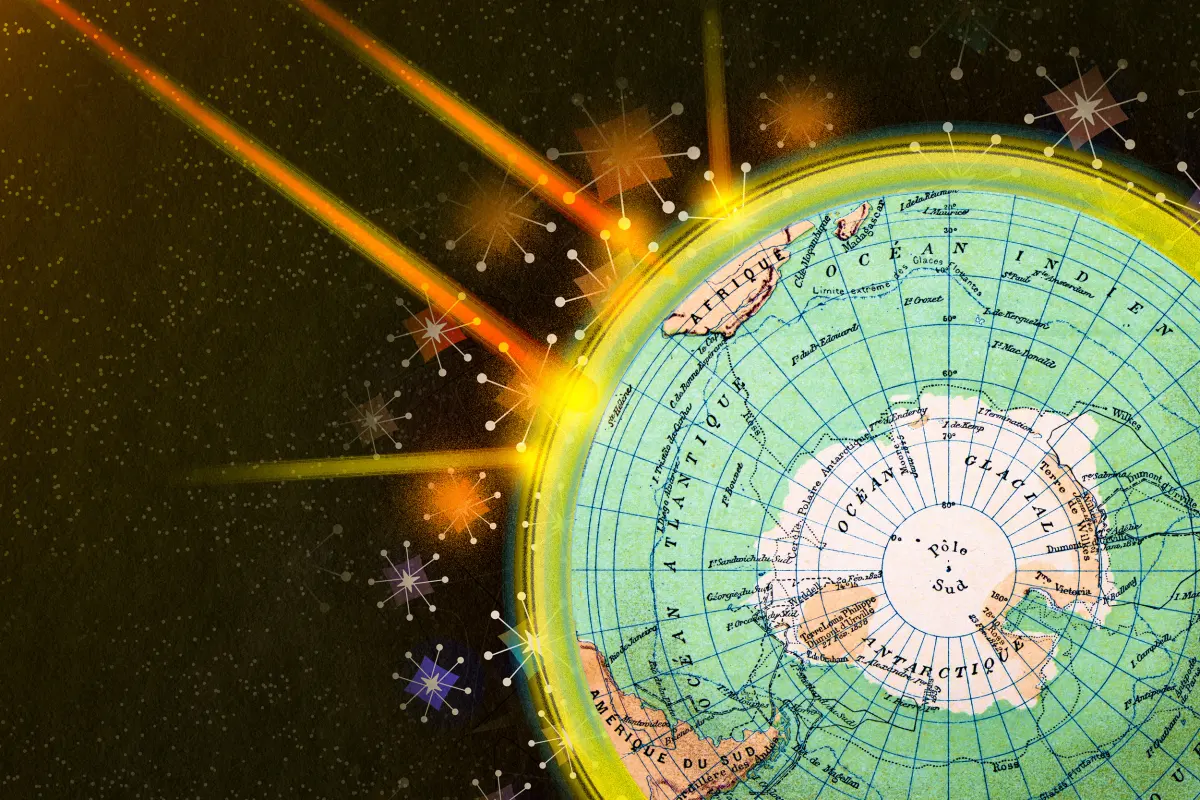
The most significant impact of this process was the discovery of the "ozone hole" over Antarctica in the 1980s. Scientists found that during the cold southern winter, polar stratospheric clouds provide a surface for these chemical reactions to occur more rapidly. When sunlight returns in the spring, it triggers a massive release of chlorine, resulting in a seasonal thinning of the ozone layer. Key milestones in addressing this issue include:
- 1985: Discovery of the Antarctic ozone hole by British Antarctic Survey scientists.
- 1987: Signing of the Montreal Protocol to phase out ozone-depleting substances.
- 2010: Global phase-out of CFC production under the treaty’s guidelines.
How to protect the ozone layer
Individual actions are essential to supporting the global recovery of the ozone layer. While the major industrial phase-outs have already occurred, consumers must remain vigilant about the chemicals they use in their homes and vehicles. Proper maintenance of older equipment is the most effective way to prevent the release of legacy refrigerants into the atmosphere.
- Service your air conditioner or refrigerator only with certified technicians who have the equipment to capture and recycle refrigerants.
- Avoid purchasing older appliances that may still contain CFCs or HCFCs, as these are prone to leaking.
- Dispose of old cooling equipment at designated hazardous waste facilities rather than standard landfills.
- Check labels on aerosol products to ensure they are ozone-friendly and free of prohibited propellants.
- Support local policies that encourage the transition to modern, low-global-warming-potential refrigerants.
Common mistakes when handling refrigerants
One of the most frequent errors is the improper disposal of old appliances. Many people assume that simply dumping an old refrigerator or dehumidifier is harmless, but if the cooling coils are punctured during transport or disposal, the pressurized gases escape directly into the atmosphere. These gases are often thousands of times more potent than carbon dioxide in their ozone-depleting and warming potential.
Another mistake is attempting "do-it-yourself" repairs on automotive air conditioning systems. Without specialized recovery machines, DIY kits often vent refrigerant into the air during the recharging process. This is not only illegal in many jurisdictions but also contributes significantly to atmospheric chlorine levels. Always prioritize professional service, as certified technicians are trained to handle these substances in a closed-loop system, ensuring that no ozone-depleting chemicals are released into the environment during maintenance or decommissioning of cooling systems.
Key facts
- The ozone layer is a region of Earth's stratosphere that contains a high concentration of ozone (O3) molecules.
- It acts as a natural shield, absorbing approximately 97% to 99% of the sun's harmful ultraviolet (UV) radiation.
- Without this layer, intense UV-B radiation would cause widespread skin cancer, cataracts, and damage to plant life.
- The "ozone hole" is not an actual hole but a thinning of the layer, most notably observed over Antarctica.
- Chlorofluorocarbons (CFCs), once used in refrigerators and aerosol sprays, were the primary chemicals responsible for ozone depletion.
- The 1987 Montreal Protocol is a global agreement that successfully phased out ozone-depleting substances to allow for atmospheric recovery.
The bottom line
The ozone layer serves as Earth's essential sunscreen, shielding the planet from dangerous ultraviolet radiation. Thanks to international cooperation under the Montreal Protocol, the chemicals that once threatened this protective barrier are being phased out, allowing the atmosphere to heal. Protecting this layer remains a vital environmental priority, ensuring that we maintain a habitable climate and safeguard biological health for all future generations on Earth.
People also ask
How does the ozone layer protect human health?
By filtering out high-frequency UV light, the ozone layer prevents excessive radiation from reaching the surface. This protection significantly lowers the incidence of skin cancers and eye damage like cataracts in human populations.
What is the difference between "good" and "bad" ozone?
Good ozone exists in the stratosphere and protects life from solar radiation. Bad ozone forms at ground level due to chemical reactions between pollutants and is a harmful component of smog.
Is the ozone layer currently healing?
Yes, scientific monitoring shows that the ozone layer is slowly recovering due to the global reduction of CFCs. Experts project that the ozone layer could return to 1980 levels by approximately 2066 over Antarctica.
Can individuals help protect the ozone layer?
You can contribute by ensuring that old refrigerators and air conditioners are disposed of by certified professionals who capture refrigerants. Avoiding products that still contain ozone-depleting chemicals is also a practical way to support environmental health.
What happens if the ozone layer disappears?
A total depletion of the ozone layer would lead to catastrophic levels of UV radiation reaching Earth. This would devastate marine ecosystems, reduce agricultural yields, and make it dangerous for humans to be outdoors during daylight hours.
Does ozone depletion cause global warming?
Ozone depletion and climate change are distinct phenomena, though they are linked. While ozone depletion does not directly cause global warming, many ozone-depleting substances are also potent greenhouse gases that contribute to rising temperatures.
This answer was created with the help of AI research tools and reference sources. Spotted an error? Let us know — we correct mistakes quickly. See our editorial policy.