What is Golden Ears Park?
Short answer
Golden Ears Provincial Park is one of British Columbia’s largest and most popular outdoor recreation areas, located near Maple Ridge. Spanning 62,540 hectares, it offers diverse landscapes ranging from rugged mountain peaks to the shores of Alouette Lake. It is a premier destination for camping, hiking, swimming, and backcountry wilderness exploration.
On this page
Where is Golden Ears Park located?
Golden Ears Provincial Park is situated in the Coast Mountains of southwestern British Columbia, approximately 11 kilometers north of the community of Maple Ridge. It forms part of the larger Alouette Valley and is easily accessible from the Greater Vancouver area, typically requiring a drive of about 60 to 90 minutes. The park is managed by BC Parks and serves as a vital gateway to the wilderness for urban residents.
The park is defined by its dramatic topography, which includes the iconic double-peaked Mount Blanshard, from which the park derives its name. Visitors enter through the main gate on Alouette Road, which leads directly into the park’s primary recreational hub. Because of its proximity to major population centers, the park experiences high traffic volumes during the summer months, necessitating careful planning for those intending to visit during peak weekend hours.
How to plan a trip to Golden Ears
Planning a visit requires attention to seasonal accessibility and reservation requirements. The park is open year-round, but specific campgrounds and road access to higher elevations may be restricted during winter months due to snow. For those planning to stay overnight, securing a campsite reservation through the BC Parks Discover Camping portal is essential, as sites often sell out months in advance during the summer season.
- Check the official BC Parks website for current trail conditions and fire bans.
- Reserve your camping spot online at least three to four months ahead of time.
- Arrive at the park before 9:00 AM on summer weekends to secure parking at popular trailheads.
- Pack the "Ten Essentials," including extra water, a headlamp, and a map, even for short hikes.
- Ensure your vehicle is equipped with winter tires if visiting between October and April.
Best hiking trails for beginners
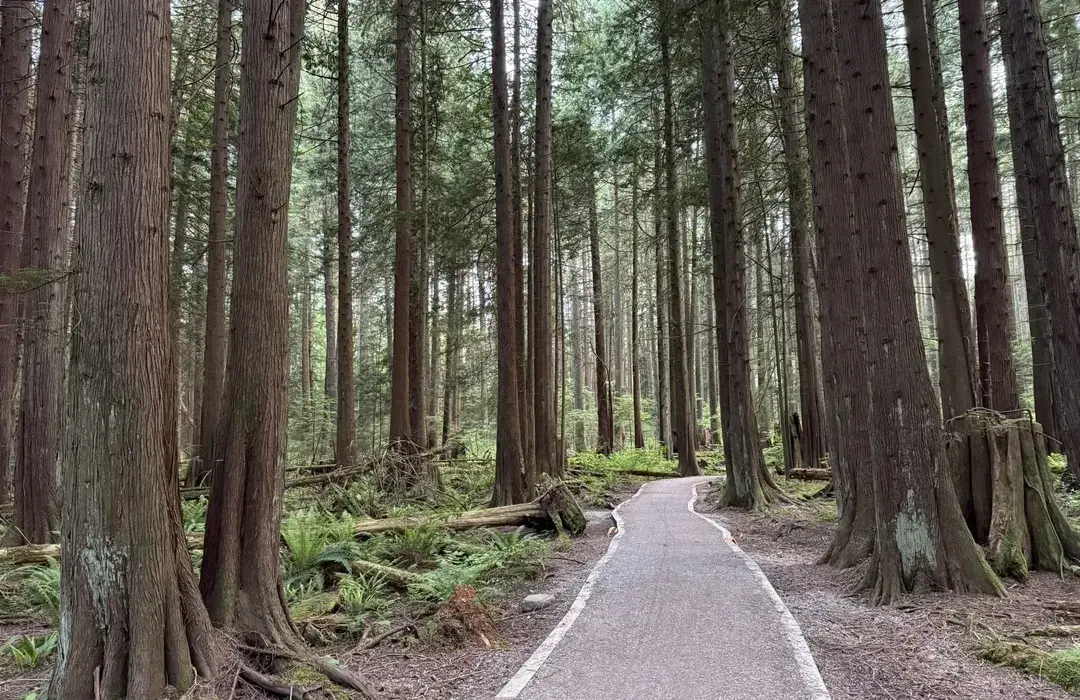
The park features an extensive network of trails suitable for various skill levels, ranging from flat lakeside strolls to challenging alpine ascents. Beginners should focus on the lower-elevation paths that provide scenic rewards without the physical strain of steep mountain climbing. These trails are well-marked and provide excellent opportunities to experience the temperate rainforest ecosystem characteristic of the Pacific Northwest.
- Gold Creek Falls: A relatively flat, 5.5-kilometer round-trip hike that leads to a spectacular waterfall.
- Lower Falls Trail: An easy path following the Gold Creek drainage, perfect for families with children.
- Alouette Lake Beach Trail: A short, accessible walk providing direct access to the sandy shores of the lake.
- Spirea Nature Trail: A short, interpretive loop that highlights the local flora and forest ecology.
These trails offer a gentle introduction to the park's natural beauty. Visitors should always stay on the marked paths to protect the sensitive forest floor and avoid getting lost in the dense, secondary-growth woods.
Why is Golden Ears so popular?
The park’s popularity stems from its incredible diversity of recreational activities concentrated in a single, accessible location. Alouette Lake serves as the primary draw during the summer, offering opportunities for swimming, canoeing, kayaking, and powerboating. The sandy beaches and picnic areas provide a classic summer experience, while the surrounding mountains offer a rugged contrast that appeals to serious hikers and mountaineers seeking a challenge.
Beyond water sports, the park is a hub for equestrian activities, with dedicated horse trails and facilities available. The combination of old-growth forests, rushing mountain streams, and high-alpine meadows creates a diverse habitat for wildlife, including black bears, deer, and various bird species. This variety ensures that the park remains relevant to a wide demographic, from families looking for a beach day to experienced backcountry adventurers seeking multi-day wilderness treks.
Common mistakes when visiting the park
One of the most frequent errors visitors make is underestimating the difficulty of the alpine trails. Routes like the Golden Ears summit trail are strenuous, requiring significant physical fitness and proper navigation skills, yet they are often attempted by unprepared hikers in improper footwear. Another common mistake is failing to account for the park's strict "pack-in, pack-out" policy, which requires visitors to remove all trash to protect the local bear population.
- Do not leave food or scented items in vehicles, as this attracts bears and can lead to property damage.
- Avoid attempting high-mountain summits if you lack experience with steep, technical terrain or if weather forecasts predict rain.
- Do not rely solely on cellular service, as reception is non-existent in most parts of the park.
- Never approach or feed wildlife, regardless of how docile they may appear near the campgrounds.
- Do not park outside of designated stalls, as this can impede emergency vehicle access and result in heavy fines.
By adhering to these guidelines and respecting the natural environment, visitors can ensure a safe and enjoyable experience while preserving the park for future generations to explore and appreciate.
Key facts
- Golden Ears Provincial Park spans 62,540 hectares, making it one of the largest parks in British Columbia.
- The park is located approximately 11 kilometers north of Maple Ridge and about an hour's drive from Vancouver.
- Alouette Lake serves as the park's central hub, offering opportunities for swimming, boating, and fishing.
- Visitors must reserve campsites online through the BC Parks Discover Camping service during the peak summer season.
- Golden Ears Mountain, which gives the park its name, features a challenging 12-kilometer round-trip hike to its double summit.
- Always check the official BC Parks website for current trail closures and bear activity alerts before departing.
The bottom line
Golden Ears Provincial Park is a premier outdoor destination offering a diverse range of activities, from serene lakeside relaxation to strenuous alpine mountaineering. By planning ahead with necessary camping reservations and respecting the rugged wilderness environment, visitors can safely enjoy the region's stunning natural beauty. Whether you are a casual day-tripper or an experienced backcountry explorer, the park provides an essential escape into British Columbia’s coastal mountains.
People also ask
Do I need a day-use pass to visit the park?
During the summer months, BC Parks often implements a free day-use permit system for high-traffic areas like the Alouette Lake boat launch and Gold Creek parking lots. You should check the website in advance to see if permits are required for your specific travel date.
Are dogs allowed in Golden Ears Provincial Park?
Yes, dogs are permitted in the park but must be kept on a leash at all times in developed areas and campgrounds. They are generally allowed on most hiking trails, provided owners clean up waste and prevent them from disturbing wildlife.
Is there cell phone service within the park?
Cell phone reception is extremely unreliable or non-existent in most parts of the park due to the dense forest and mountainous terrain. It is essential to download offline maps and carry a physical map or GPS device for navigation.
Can I swim in Alouette Lake?
Swimming is a popular activity at Alouette Lake, which features several designated sandy beaches like North Beach and South Beach. Be aware that the water can be quite cold even in mid-summer, and there are no lifeguards on duty.
What is the best time of year to visit?
The park is most accessible from late June through September when the snow has melted from the higher trails and campgrounds are fully operational. Visiting in the shoulder seasons offers fewer crowds, but hikers should be prepared for rain and muddy conditions.
Are there bear-proof storage containers available?
The park is home to black bears and occasional grizzly bears, so all food and scented items must be stored securely. Most campgrounds provide bear-proof lockers, but backcountry hikers are required to bring their own bear-resistant canisters or hanging kits.
This answer was created with the help of AI research tools and reference sources. Spotted an error? Let us know — we correct mistakes quickly. See our editorial policy.