What is O Canada about?
Short answer
"O Canada" is the national anthem of Canada, celebrating the country's vast landscape, its history, and the values of its citizens. It serves as a patriotic tribute to the nation’s strength, sovereignty, and its promise to remain free. The lyrics emphasize loyalty, faith, and the collective spirit of the Canadian people.
On this page
What is the history of O Canada?
"O Canada" was originally commissioned by Lieutenant Governor of Quebec Théodore Robitaille for the 1880 St. Jean-Baptiste Day celebration. Calixa Lavallée composed the music, while Sir Adolphe-Basile Routhier wrote the original French lyrics. The song quickly gained popularity among French-speaking Canadians, though it was not yet the official national anthem.
For many years, Canada used "God Save the King" as its de facto anthem. English-language versions of "O Canada" began appearing in the early 20th century, with Robert Stanley Weir’s 1908 version becoming the most widely accepted. It took decades of political debate before the song was officially adopted. On July 1, 1980, the National Anthem Act finally designated "O Canada" as the country's official anthem, replacing the British royal anthem in most formal settings.
What do the lyrics of O Canada mean?
The lyrics of "O Canada" are designed to evoke a sense of pride in the nation's geography and the character of its people. The opening line, "Our home and native land," establishes a deep connection between the citizens and the vast Canadian territory. It frames the country as a place of refuge and belonging, emphasizing the "true north" identity that defines the Canadian psyche.
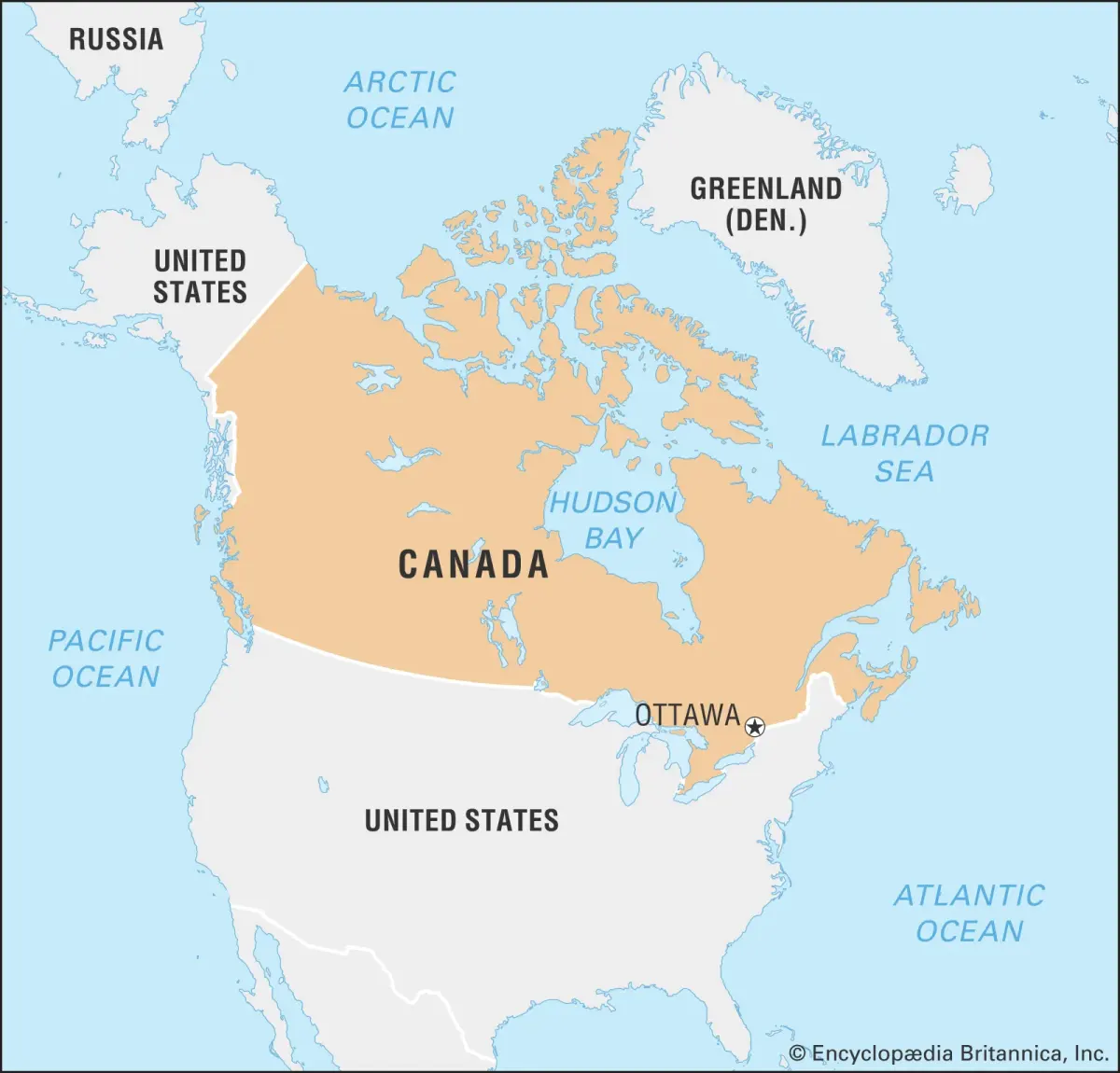
The song also incorporates themes of duty and sacrifice. References to "glowing hearts" and "patriotism" reflect the emotional commitment Canadians feel toward their country. The promise to "stand on guard" serves as a pledge to protect the nation's sovereignty and democratic values. By blending natural imagery with moral resolve, the anthem reinforces a collective identity that spans from the Atlantic to the Pacific and Arctic oceans.

How to perform O Canada correctly?
Performing the national anthem requires adherence to specific protocols to show respect for the country. Whether you are singing it at a public event or a private gathering, precision is expected. You should aim for a steady tempo that allows the audience to follow along easily without rushing the phrasing.
- Stand at attention with your feet together and your hands at your sides or placed over your heart.
- Remove any headwear, such as baseball caps or hats, unless required for religious reasons.
- Face the Canadian flag if one is present; if no flag is visible, face the front of the room.
- Sing clearly and maintain a respectful volume that matches the tone of the gathering.
- Remain silent and still until the final note of the music has completely faded away.

Common mistakes when singing O Canada
A frequent error is singing the lyrics incorrectly, particularly regarding the gender-neutral phrasing adopted in 2018. Before that year, the line "in all thy sons command" was standard. However, the official lyrics were updated to "in all of us command" to be more inclusive of all Canadians. Using the outdated version is a common oversight that can be avoided by checking current official government resources.
Another mistake involves rushing the tempo, which often happens when performers try to add unnecessary vocal flourishes. While the anthem is a musical piece, it is primarily a ceremonial one. Avoid these common pitfalls:
- Adding excessive vibrato or improvised melodies that distract from the lyrics.
- Failing to pause briefly at the end of phrases, which makes the song sound like a run-on sentence.
- Talking or moving around while the anthem is playing, which is considered disrespectful in formal settings.
- Starting the song in a key that is too high or too low for the average person to sing comfortably.
Why is O Canada significant today?
The anthem remains a vital symbol of Canadian unity in a diverse and multicultural society. It is played at every major sporting event, school assembly, and citizenship ceremony across the country. By repeating these words, Canadians reaffirm their shared commitment to the principles of peace, order, and good government. It serves as a sonic bridge that connects individuals from different backgrounds to a common national narrative.
Beyond its ceremonial function, "O Canada" acts as a reminder of the country's evolution from a colonial territory to an independent nation. It captures the spirit of a country that values its northern landscape and its democratic heritage. As Canada continues to grow and change, the anthem remains a constant, providing a sense of stability and continuity. It is more than just a song; it is a declaration of what it means to be Canadian in the modern world.
Key facts
- "O Canada" is the official national anthem of Canada, adopted formally on July 1, 1980.
- The music was composed by Calixa Lavallée in 1880, while the original French lyrics were written by Sir Adolphe-Basile Routhier.
- The most popular English version was written by Robert Stanley Weir in 1908, though it has undergone several revisions since then.
- The lyrics celebrate Canada’s vast geography, its history as a "true north," and the values of freedom and patriotism.
- When singing, stand at attention and remove hats, as this is the standard protocol for showing respect during the anthem.
- A common mistake is using outdated lyrics; ensure you use the gender-neutral version updated in 2018, changing "in all thy sons command" to "in all of us command."
The bottom line
"O Canada" serves as a musical emblem of Canadian national identity, blending historical composition with evolving social values. By honoring the country’s landscape and its commitment to collective unity, the anthem acts as a unifying force during public ceremonies. Whether sung in English, French, or Indigenous languages, it remains a poignant reflection of the nation's ongoing journey toward inclusivity and pride in its northern heritage.
People also ask
Is "O Canada" protected by copyright?
No, the anthem is in the public domain, meaning it can be performed, recorded, and adapted without seeking permission or paying royalties. It is considered the property of the Canadian people.
Are there different versions of the lyrics?
Yes, there are official versions in both English and French, as well as versions in various Indigenous languages. While the French lyrics remain largely unchanged from the 1880 original, the English lyrics have been modified over the decades.
What should I do if the anthem is playing in public?
You should stop walking, face the direction of the music or the flag, and remain silent. Removing headwear is customary, though exceptions are made for religious or medical reasons.
Can the anthem be played at private events?
Yes, "O Canada" is frequently performed at sporting events, school assemblies, and private ceremonies. There are no legal restrictions on when it can be played, provided it is done in a respectful manner.
Why was the English lyric changed in 2018?
The Canadian Parliament amended the lyrics to make them gender-neutral to better reflect modern Canadian values. The phrase "in all thy sons command" was replaced with "in all of us command" to be more inclusive.
Is "O Canada" the only official song of the country?
While "O Canada" is the national anthem, "God Save the King" is recognized as the Royal Anthem of Canada. It is often played alongside "O Canada" during official events involving the monarchy.
This answer was created with the help of AI research tools and reference sources. Spotted an error? Let us know — we correct mistakes quickly. See our editorial policy.