Where do armadillos live?
Short answer
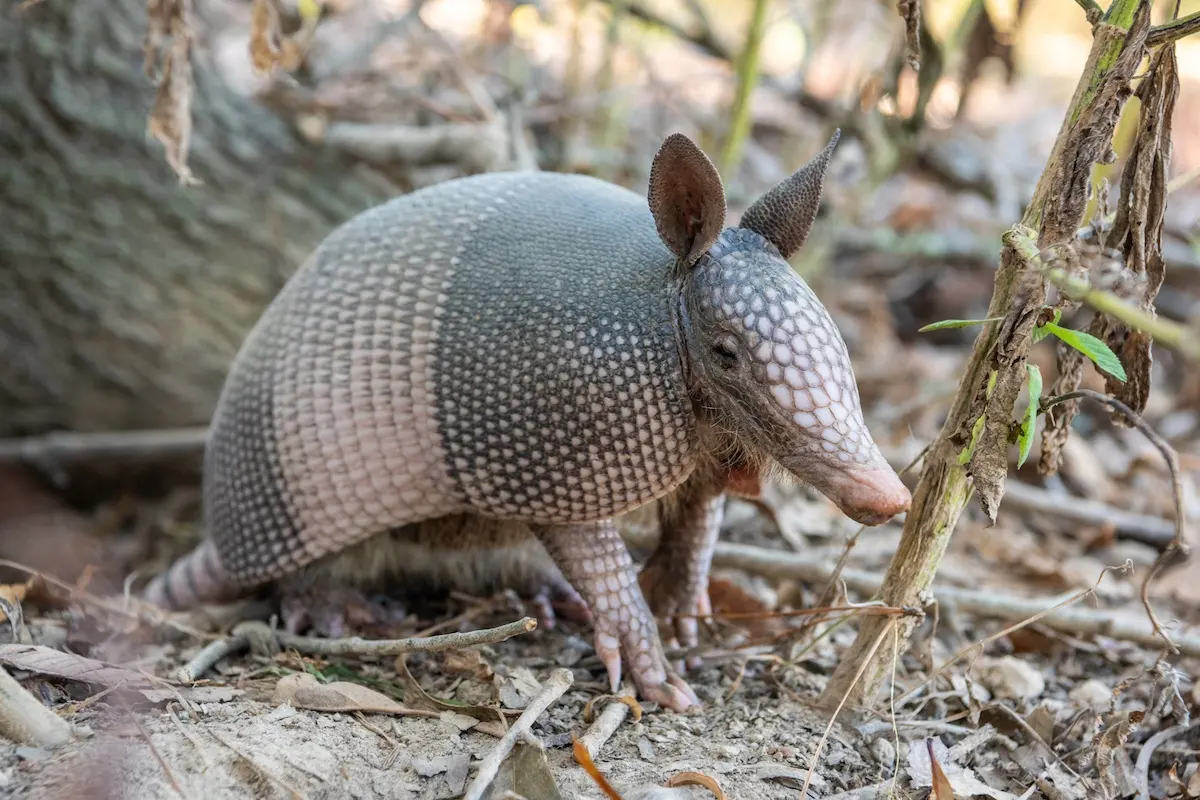
Armadillos primarily inhabit the Americas, ranging from the southern United States down to Argentina. The nine-banded armadillo is the most widespread species, currently expanding its territory across the southeastern and south-central United States. They favor warm, humid environments like forests, grasslands, and areas near water where they can easily burrow.
On this page
Where do armadillos live in the wild?
Armadillos are native to the Western Hemisphere, with the vast majority of the 20 extant species residing in Central and South America. They thrive in diverse ecosystems, including tropical rainforests, scrublands, and open prairies. Because they possess a low metabolic rate and lack significant body fat, they are generally restricted to warmer climates that do not experience prolonged freezing temperatures.
The nine-banded armadillo (Dasypus novemcinctus) is the only species found in the United States. While they were historically limited to the Rio Grande Valley in Texas, they have steadily migrated northward and eastward over the last century. Today, they are commonly sighted in states such as:
- Texas
- Louisiana
- Florida
- Georgia
- South Carolina
- Oklahoma
Why do armadillos move into residential areas?
Armadillos are opportunistic foragers that follow their sense of smell to locate food. Residential lawns, gardens, and golf courses provide an ideal environment because the soil is often irrigated, making it soft and easy to dig. These areas are rich in the grubs, worms, beetles, and larvae that constitute the bulk of an armadillo's diet.
Beyond food, suburban landscapes often provide excellent cover. Armadillos are solitary, nocturnal animals that spend their days sleeping in underground burrows. They prefer to dig these dens in areas with dense vegetation, under concrete slabs, or beneath wooden sheds. If a property offers both a consistent food source and secure shelter, armadillos will likely establish a home range there.
How to identify armadillo damage in your yard
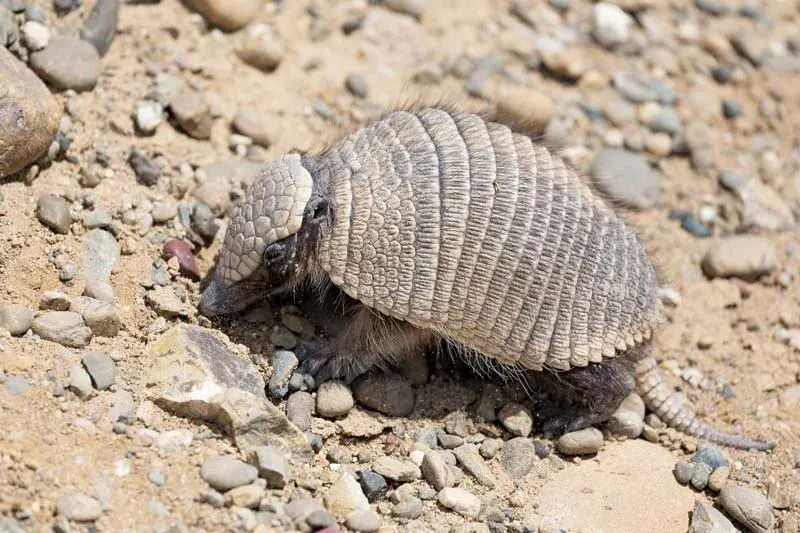
Armadillos are prolific diggers, and their presence is usually first noticed by the destruction they leave behind. They use their strong, clawed forelimbs to excavate small, cone-shaped holes in search of insects. These holes are typically 1 to 3 inches deep and can be found scattered across a lawn overnight.
If you suspect an armadillo is visiting your property, look for these specific signs:
- Small, shallow pits in flowerbeds or turf grass.
- Uprooted mulch or displaced garden plants.
- Burrows near foundations, tree roots, or rock piles.
- Tunnels that measure approximately 7 to 10 inches in diameter.
- Tracks in soft mud that show four distinct toes on the front feet.
Common mistakes when dealing with armadillos
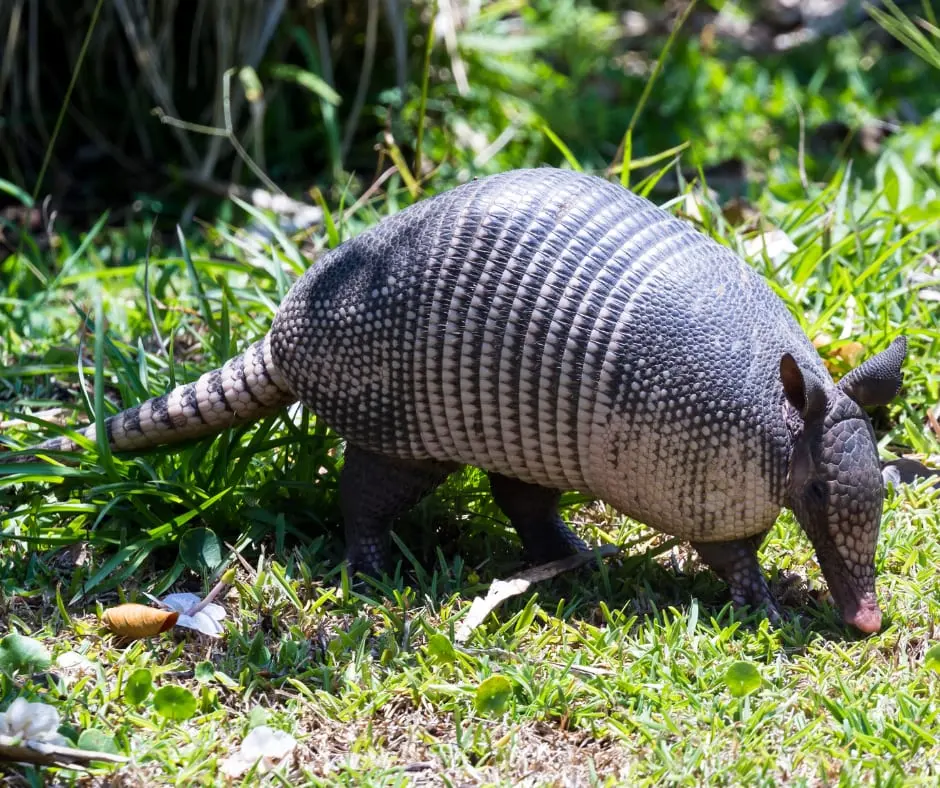
Many homeowners attempt to manage armadillos using ineffective methods. A common mistake is relying on ultrasonic repellents or chemical sprays, which rarely deter these animals. Because armadillos rely primarily on their keen sense of smell to find food, they are largely indifferent to noise-based devices. Furthermore, there are no EPA-registered chemical repellents that are proven to effectively keep armadillos away from a property.
Another error is attempting to handle an armadillo without professional guidance. While they are generally shy, they can carry Mycobacterium leprae, the bacteria associated with leprosy in humans. While the risk of transmission is low, it is best to avoid direct physical contact. Trapping and relocation also present challenges, as many states have specific wildlife regulations or permit requirements regarding the transport of captured animals.
How to keep armadillos off your property
The most effective way to prevent armadillo activity is to make your property less attractive to them. Since they are attracted to the insects living in your soil, managing your lawn's health can reduce their food supply. Applying beneficial nematodes or milky spore to your lawn can help control grub populations, effectively removing the armadillo's primary incentive for visiting.
If you need to exclude them from specific areas like a garden or under a shed, physical barriers are the best solution. Follow these steps to install an effective fence:
- Use heavy-gauge hardware cloth or wire mesh for the barrier.
- Bury the bottom of the fence at least 12 to 18 inches deep to prevent them from digging underneath.
- Angle the bottom of the fence outward to create an "L" shape, which discourages digging.
- Ensure the fence is at least 24 inches high above ground.
- Regularly inspect the perimeter for signs of new tunneling or damage to the wire.
By combining these exclusion techniques with a reduction in available food, you can successfully discourage armadillos from nesting or foraging on your land. Always check local wildlife ordinances before installing permanent barriers or attempting to trap, as some regions protect certain species or have strict rules regarding animal management. Consistency is key when dealing with these persistent diggers, as they will often return to a reliable food source if the environment remains hospitable.
Key facts
- Armadillos are primarily found in the Americas, ranging from the southern United States down to Argentina.
- The nine-banded armadillo is the only species that has expanded its range into the United States, reaching as far north as Nebraska.
- They prefer habitats with loose, sandy, or loamy soil because it is easier for them to dig for insects.
- Armadillos are nocturnal or crepuscular, meaning they are most active during the night or twilight hours to avoid extreme temperatures.
- To avoid attracting armadillos to your yard, remove piles of brush and keep your lawn grass cut short to limit insect habitats.
- If you find an armadillo den, avoid blocking it while the animal is inside, as they can cause significant structural damage while trying to escape.
The bottom line
Armadillos are resilient, burrowing mammals native to the Americas that thrive in warm climates with soft, diggable soil. While they are fascinating creatures known for their armor-like shells and unique reproductive habits, they often conflict with humans when they forage in residential gardens. By managing your landscaping and removing potential food sources, you can effectively discourage these nocturnal diggers from taking up residence on your property.
People also ask
Do armadillos carry diseases that affect humans?
Yes, armadillos are one of the few animals that can naturally carry the bacteria that causes leprosy. While the risk of transmission to humans is extremely low, it is best to avoid handling them or touching their carcasses.
Are armadillos considered pests?
Many homeowners consider them pests because their constant digging for grubs and insects can damage lawns, flowerbeds, and garden foundations. Their burrows can also undermine sidewalks or structural supports.
How do armadillos survive cold winters?
Armadillos have very little body fat and thin skin, making them poorly adapted to freezing temperatures. They often retreat into deep, insulated burrows during cold snaps to survive.
Can armadillos swim?
Surprisingly, yes. They can hold their breath for up to six minutes, allowing them to walk across the bottom of small streams or inflate their intestines with air to float across wider bodies of water.
What do armadillos eat?
They are insectivores that primarily consume beetles, ants, termites, and other soil-dwelling invertebrates. Occasionally, they may eat small amphibians, fruit, or carrion if food sources are scarce.
Read the full answer →How many babies do armadillos have?
Nine-banded armadillos almost always give birth to identical quadruplets. All four offspring are derived from a single fertilized egg and share the same gender.
This answer was created with the help of AI research tools and reference sources. Spotted an error? Let us know — we correct mistakes quickly. See our editorial policy.