How does a helicopter fly?
Short answer
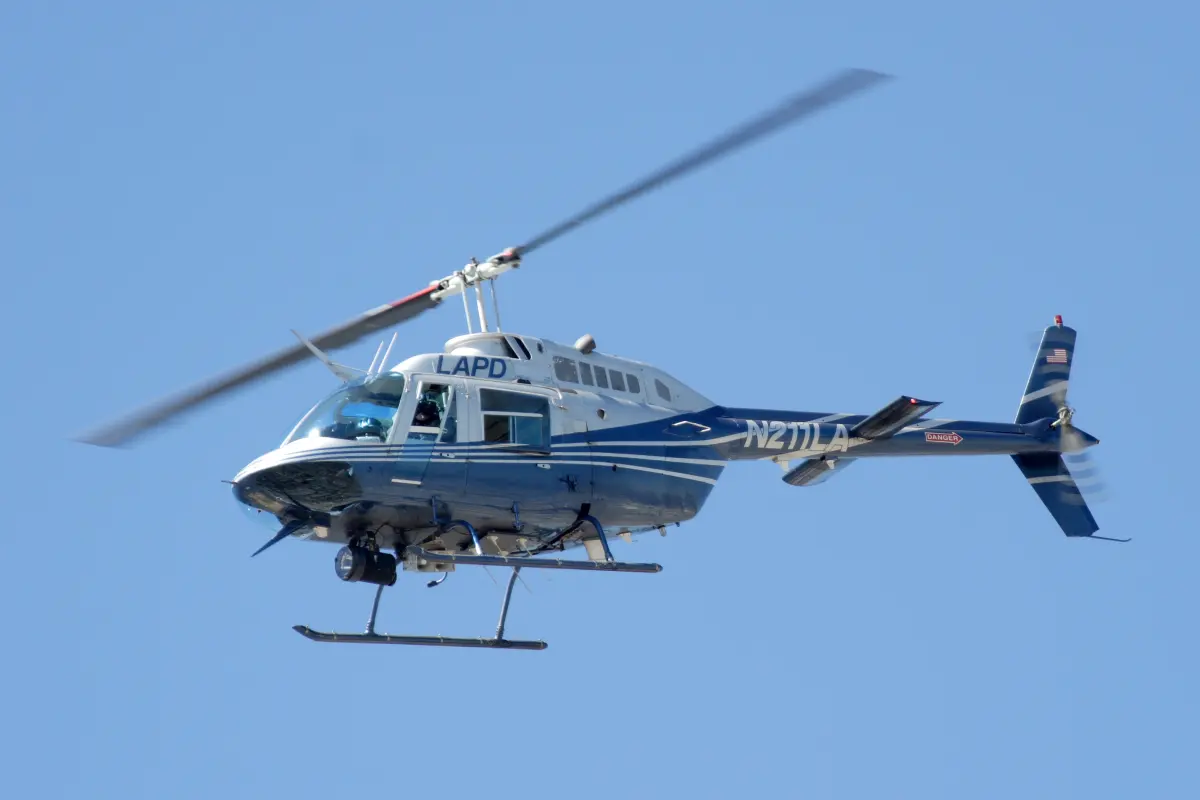
Helicopters fly by generating lift through rotating airfoils called rotor blades. By changing the angle of these blades, the pilot controls the amount of lift and the direction of flight. The engine powers the main rotor to overcome gravity, while a tail rotor counteracts torque to keep the aircraft stable.
On this page
How do helicopter rotor blades generate lift?
Helicopters rely on the principles of aerodynamics, specifically Bernoulli’s principle and Newton’s third law. Each rotor blade is shaped like an airplane wing, known as an airfoil, which is curved on top and flatter on the bottom. As the blades spin, air moves faster over the curved top surface than the bottom, creating lower pressure above the blade. This pressure difference produces an upward force called lift.
The pilot manages this lift through a mechanism called the collective pitch control. By pulling up on the collective lever, the pilot increases the angle of attack for all blades simultaneously. This adjustment forces the blades to bite into the air more aggressively, increasing the total lift. When the lift force exceeds the weight of the helicopter, the aircraft rises into the air. To descend, the pilot lowers the collective, reducing the angle of attack and allowing gravity to pull the helicopter toward the ground.
How does a helicopter change direction?
Changing direction requires manipulating the rotor disk to tilt in the desired path of travel. This is achieved using the cyclic control stick, which allows the pilot to adjust the pitch of the blades individually as they rotate around the mast. By tilting the rotor disk forward, backward, or sideways, the pilot directs the total lift vector in that specific direction. This causes the entire helicopter to move horizontally through the air.
To maintain precise control during these maneuvers, pilots follow a specific sequence of operations:
- Push the cyclic forward to tilt the rotor disk and move the helicopter forward.
- Pull the cyclic backward to slow the aircraft or move in reverse.
- Move the cyclic left or right to initiate banking turns.
- Adjust the collective to maintain altitude while the helicopter is banking or turning.
The coordination of these movements allows for complex maneuvers, such as hovering in place or flying sideways, which are impossible for fixed-wing aircraft.
Why does a helicopter need a tail rotor?
Newton’s third law states that for every action, there is an equal and opposite reaction. As the engine turns the main rotor blades in one direction, the body of the helicopter naturally wants to spin in the opposite direction. This phenomenon is known as torque. Without a counteracting force, the helicopter would spin uncontrollably, making flight impossible.
The tail rotor serves as an anti-torque device, pushing against the air to keep the nose of the helicopter pointed in the desired direction. Pilots control the tail rotor using foot pedals. When the pilot pushes the left pedal, the tail rotor increases its thrust, pushing the tail to the right and turning the nose to the left. Conversely, pushing the right pedal turns the nose to the right. This system provides the directional stability necessary for steady flight and precise hovering.
How to hover a helicopter safely?
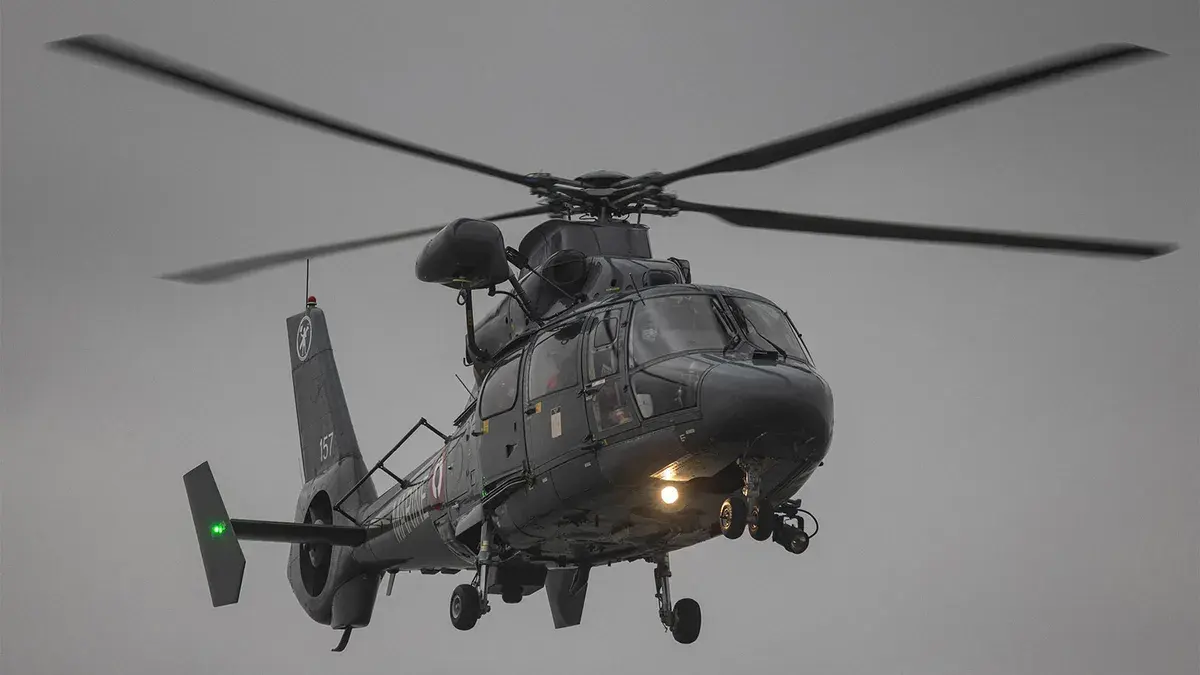
Hovering is often considered the most difficult maneuver for student pilots because it requires constant, minute adjustments to all three primary controls. The helicopter is inherently unstable in a hover, meaning it will drift if the pilot does not actively correct its position. Success depends on maintaining a steady altitude while keeping the nose pointed at a fixed reference point.
To achieve a stable hover, follow these steps:
- Increase the collective slowly to reach the point where lift equals weight.
- Use the cyclic to make small, rapid adjustments to stop any horizontal drifting.
- Apply pressure to the foot pedals to keep the nose locked on your heading.
- Keep your eyes focused on a distant point on the horizon rather than directly beneath the aircraft.
By focusing on the horizon, the pilot can detect subtle movements much faster, allowing for the precise corrections needed to stay perfectly still in the air.
Common mistakes when learning to fly a helicopter?
One of the most frequent errors for beginners is "over-controlling" the aircraft. Because the helicopter reacts so quickly to inputs, new pilots often make large, jerky movements with the cyclic or collective. This creates a feedback loop where the pilot chases their own corrections, leading to an erratic and potentially dangerous flight path. Instead, pilots must learn to make smooth, deliberate inputs and wait for the aircraft to respond before making further adjustments.
Another common mistake is failing to anticipate the need for pedal input when changing power settings. Whenever the pilot increases the collective to climb, the engine works harder, which increases torque and causes the nose to yaw. If the pilot does not simultaneously add the correct amount of pedal pressure, the helicopter will spin unintentionally. Mastering the coordination between the collective and the anti-torque pedals is a critical milestone that separates novice pilots from those who have gained the necessary muscle memory for safe, professional flight.
Key facts
- A helicopter achieves lift by rotating its blades to create pressure differences, similar to an airplane wing.
- The pilot uses a collective control to change the pitch of all blades simultaneously, increasing or decreasing total lift.
- A cyclic control tilts the rotor disk, allowing the helicopter to move forward, backward, or sideways.
- The tail rotor counteracts the torque produced by the main rotor, preventing the fuselage from spinning in the opposite direction.
- Helicopters can hover because they can manipulate thrust to perfectly balance the force of gravity.
- Always ensure the rotor path is clear of obstacles, as blade strikes are a leading cause of ground accidents.
The bottom line
Helicopters fly by manipulating aerodynamic forces through rotating airfoils. By adjusting the pitch of the blades, pilots control lift, direction, and stability. While complex to operate, the physics rely on balancing torque and thrust to achieve vertical flight. Mastering these controls allows the helicopter to perform unique maneuvers, such as hovering and landing in confined spaces, that are impossible for traditional fixed-wing aircraft to execute.
People also ask
Why do helicopters have a tail rotor?
Newton’s third law states that for every action, there is an equal and opposite reaction. Without the tail rotor, the engine's power would cause the helicopter's body to spin uncontrollably in the direction opposite to the main rotor's rotation.
Can a helicopter fly if the engine fails?
Yes, through a process called autorotation. The pilot disengages the engine, allowing the airflow to spin the rotors as the craft descends, which provides enough lift to perform a controlled landing.
How high can a helicopter fly?
Most helicopters have a service ceiling between 10,000 and 15,000 feet. Beyond this altitude, the air becomes too thin for the rotors to generate sufficient lift to support the aircraft's weight.
What is the difference between a helicopter and a drone?
While both use rotors for lift, helicopters are piloted aircraft designed for human transport and heavy lifting. Drones are typically unmanned aerial vehicles controlled remotely or via autonomous flight software.
Why are helicopters louder than airplanes?
Helicopters generate noise from both the engine and the tips of the rotor blades. As blade tips approach the speed of sound, they create small sonic booms that manifest as the characteristic "thumping" sound.
How do helicopters land on moving ships?
Pilots use specialized landing pads and visual cues to match the ship's movement. They must carefully manage wind shear and the ship's pitch to maintain a stable hover before touching down.
This answer was created with the help of AI research tools and reference sources. Spotted an error? Let us know — we correct mistakes quickly. See our editorial policy.