How long do pigs live?
Short answer
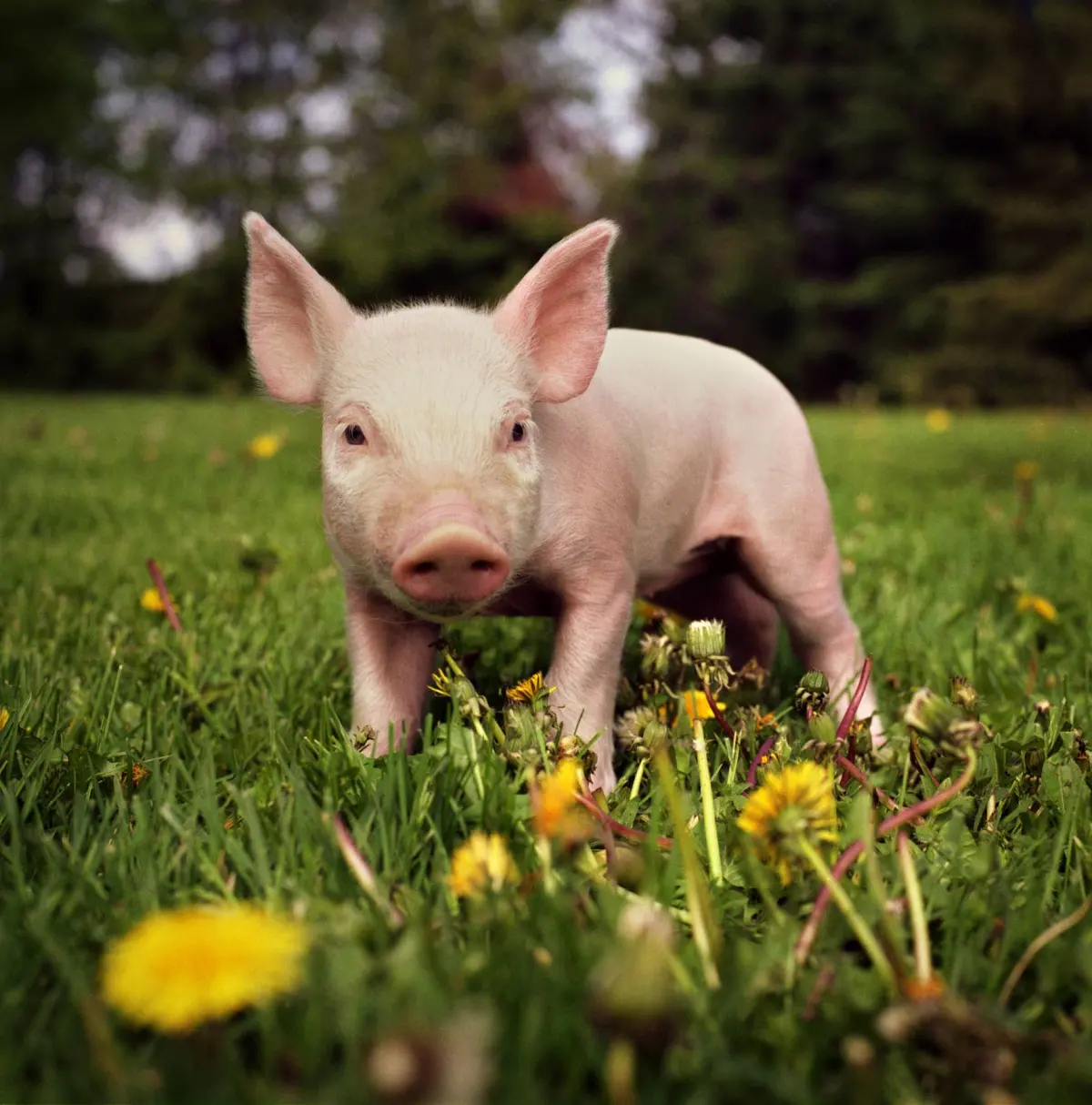
Domestic pigs typically live between 12 and 20 years when kept as pets or on small farms. Commercial pigs raised for meat are usually slaughtered between 5 and 7 months of age. Factors influencing longevity include breed, diet, living conditions, and the level of veterinary care provided to the individual animal.
On this page
How long do pigs live in different environments?
The lifespan of a pig is largely determined by its purpose and environment. In a commercial agricultural setting, pigs are rarely allowed to reach their natural biological age. These animals are typically processed for market weight well before their first birthday, often between 180 and 240 days. This rapid growth cycle is achieved through specialized nutrition and genetic selection designed to maximize lean muscle mass quickly.
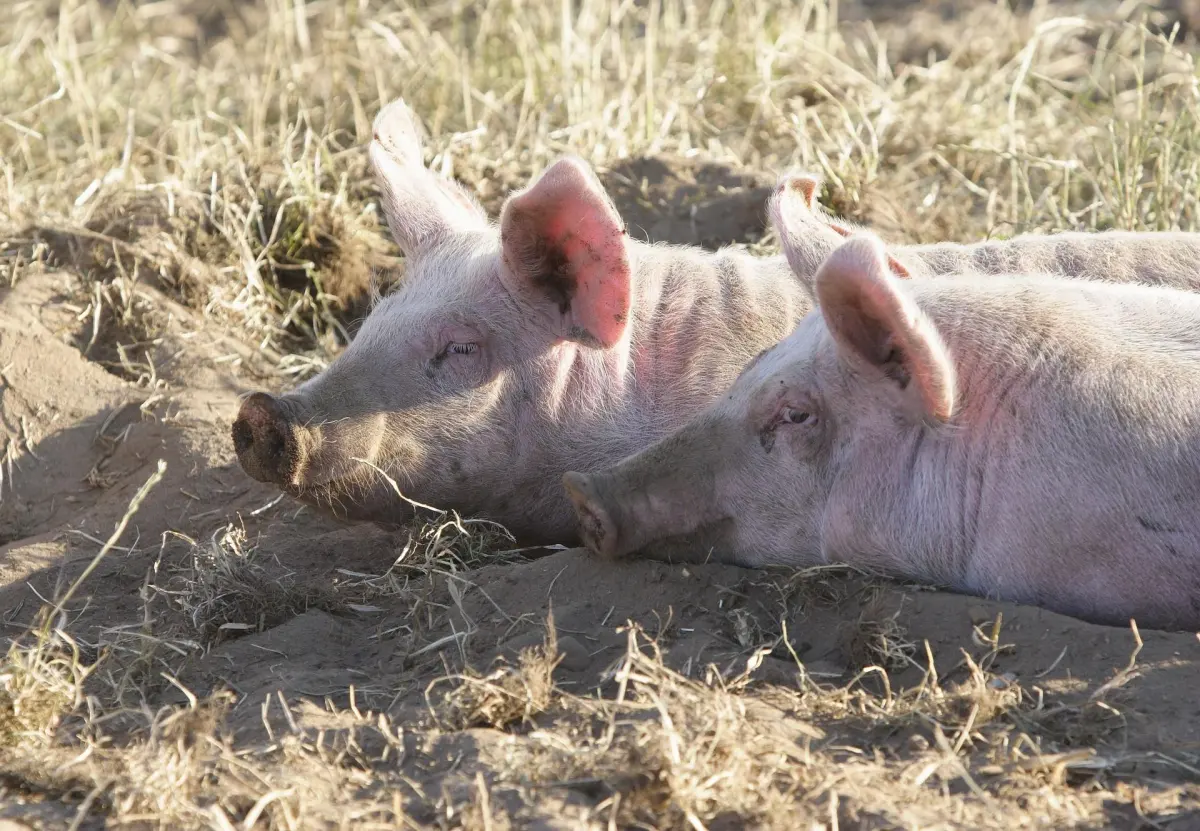
Conversely, pigs kept as companion animals or in sanctuary settings often live significantly longer. When provided with a stable environment, balanced nutrition, and regular medical attention, it is common for a pig to reach 15 years of age. Some healthy individuals have been known to live into their early twenties. The primary difference is that sanctuary pigs are spared the physical stressors associated with rapid growth and intensive production cycles, allowing their bodies to age at a natural, sustainable pace.
What factors affect a pig's lifespan?
Several biological and environmental elements dictate how long a pig survives. Genetics play a significant role, as certain breeds are prone to specific health conditions. For example, commercial breeds like the Large White are bred for fast growth, which can sometimes put strain on their cardiovascular systems if they are not managed properly. Smaller breeds, such as the Pot-bellied pig, have different metabolic needs and are prone to obesity if their caloric intake is not strictly monitored.
Environmental management is equally critical for longevity. Pigs are highly susceptible to respiratory issues, heat stress, and parasitic infections. Providing adequate shelter that protects them from extreme temperatures is essential, as pigs lack functional sweat glands. Furthermore, routine hoof care and dental checkups prevent long-term issues that could lead to systemic infections. A proactive approach to health management typically adds years to a pig's life.

How to care for a pet pig properly
Providing a long, healthy life for a pig requires a significant commitment to their physical and psychological well-being. Pigs are intelligent, social animals that require mental stimulation to prevent destructive behaviors. If you are considering keeping a pig, ensure you have the space and resources to meet their specific needs.
- Provide a high-fiber, low-calorie diet to prevent obesity, which is the leading cause of health decline in pet pigs.
- Ensure constant access to fresh, clean water, as dehydration can lead to kidney issues and urinary tract stones.
- Schedule annual wellness exams with a veterinarian who specializes in large or exotic animals to catch potential illnesses early.
- Create an environment that allows for natural behaviors, such as rooting in dirt or grass, to keep the animal mentally engaged.

Common mistakes when raising pigs
Many owners unintentionally shorten their pig's life by failing to understand the animal's nutritional and social requirements. One of the most frequent errors is overfeeding. Because pigs are naturally motivated by food, they will often beg for treats, leading owners to provide high-calorie snacks. This leads to obesity, which puts excessive pressure on the pig's joints and heart, often resulting in arthritis and premature death.
Another common mistake is isolating the pig. Pigs are herd animals that experience significant stress when kept alone. This psychological distress can manifest as physical illness or aggressive behavior. When managing a pig, avoid these pitfalls:
- Feeding table scraps, which are often too salty or processed for a pig's digestive system.
- Neglecting to trim hooves, which can lead to lameness and an inability to forage.
- Ignoring signs of lethargy or loss of appetite, which are often the only clues that a pig is suffering from a serious infection.
Why do pigs have different health needs?
Pigs possess a unique physiology that separates them from other common household pets. Their digestive systems are omnivorous, but they are highly sensitive to sudden changes in diet. Unlike dogs or cats, pigs require a specific balance of amino acids and minerals to maintain their bone density and skin health. If this balance is disrupted, they can develop metabolic bone disease or severe skin conditions that are difficult to treat.
Furthermore, their status as prey animals means they are masters at hiding signs of illness. By the time a pig shows obvious symptoms of pain or weakness, the underlying condition is often advanced. Understanding these nuances is vital for any owner. By recognizing that their health needs are closer to those of livestock than traditional pets, owners can better navigate the complexities of pig husbandry. Consistent observation and a deep understanding of their natural biology are the best tools for ensuring a long and comfortable life for your animal.
Key facts
- Domestic pigs typically live between 12 and 18 years when kept as pets or on small farms.
- Commercial pigs raised for meat production are usually slaughtered between 5 and 7 months of age.
- Pot-bellied pigs often have longer lifespans, frequently reaching 15 to 20 years with proper care.
- Proper diet is the most significant factor in longevity, as obesity is a leading cause of health issues in pet pigs.
- Regular veterinary checkups, including hoof trimming and vaccinations, are essential to prevent common ailments like arthritis.
- Pigs are highly social animals and thrive best when kept in pairs or groups to prevent stress-related health decline.
The bottom line
While commercial pigs are harvested at a young age, pet pigs can live for nearly two decades with diligent care. Longevity depends heavily on maintaining a healthy weight, providing social interaction, and ensuring regular veterinary attention. By avoiding overfeeding and creating a safe, stimulating environment, owners can help their pigs enjoy a full, comfortable life. Proper management remains the most critical factor in determining a pig's lifespan.
People also ask
Do indoor pigs live longer than outdoor pigs?
Indoor pigs often live longer because they are protected from extreme weather, predators, and parasites. However, they require significant enrichment and space to prevent behavioral issues and obesity.
What is the most common health problem for aging pigs?
Arthritis is the most common issue, especially in heavier breeds, as it limits mobility and quality of life. Providing soft bedding and maintaining a healthy weight can significantly delay the onset of joint pain.
Can diet affect a pig's lifespan?
Yes, feeding pigs human table scraps or high-calorie treats often leads to obesity and diabetes. A balanced diet of high-quality commercial pig pellets and fresh vegetables is necessary for long-term health.
Do male and female pigs have different life expectancies?
There is no significant difference in lifespan between sexes, provided they are spayed or neutered. Neutering prevents reproductive cancers and reduces aggressive behaviors that can lead to injury.
How can I tell if my pig is becoming obese?
You should be able to feel the ribs without pressing hard, but they should not be clearly visible. If you cannot feel the ribs or notice heavy fat deposits around the neck and tail base, the pig is likely overweight.
Do wild pigs live as long as domesticated pigs?
Wild pigs generally have much shorter lifespans, often only 4 to 8 years. They face constant threats from disease, hunting, harsh environmental conditions, and lack of veterinary intervention.
This answer was created with the help of AI research tools and reference sources. Spotted an error? Let us know — we correct mistakes quickly. See our editorial policy.