How long do salamanders live?
Short answer
Salamander lifespans vary significantly depending on the species, environment, and size. While small species may live only five to ten years in the wild, larger salamanders often reach 20 to 30 years. Some giant species, such as the Chinese giant salamander, can live for more than 60 years in captivity.
On this page
How long do different salamander species live?
The lifespan of a salamander is largely dictated by its biological classification and habitat. Smaller woodland salamanders, such as the red-backed salamander, typically have shorter lifespans, often ranging from five to eight years. In contrast, larger aquatic species are renowned for their longevity. The Japanese giant salamander and its Chinese relative are among the longest-lived amphibians, with individuals documented reaching ages of 60 to 80 years in controlled environments.
Environmental factors play a crucial role in these differences. Species living in stable, cool, and moist environments often show slower metabolic rates, which can contribute to longer life expectancies. Conversely, species that face high predation rates or frequent habitat disturbances often have shorter lifespans. Understanding these variations is essential for researchers tracking population health and for enthusiasts maintaining captive collections.
- Chinese giant salamander: 60+ years
- Axolotl: 10–15 years
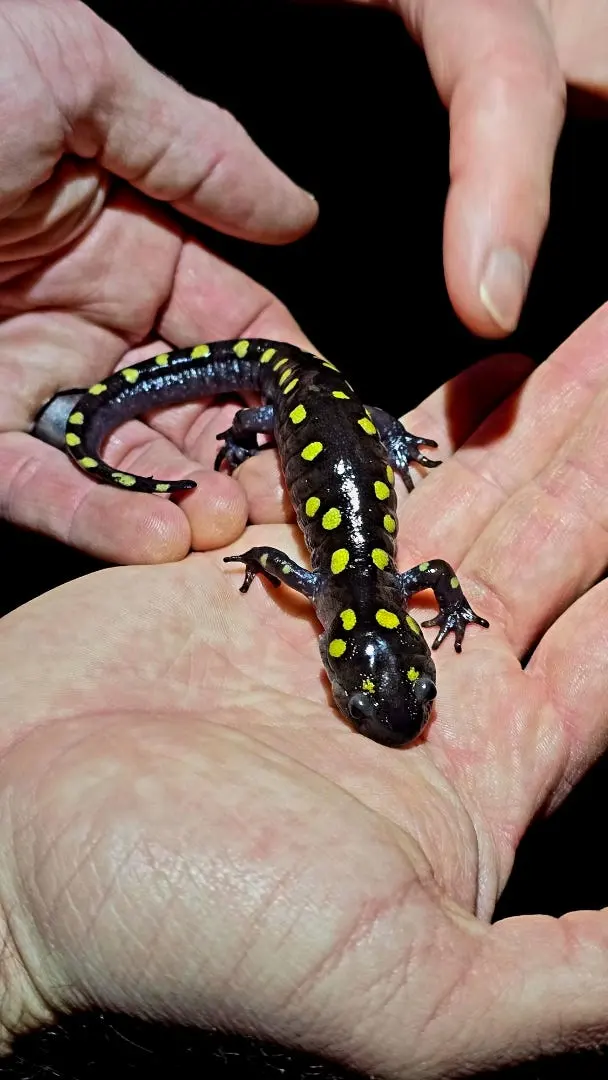
- Spotted salamander: 20+ years
- Red-backed salamander: 5–8 years
Why do some salamanders live so long?
Longevity in salamanders is often tied to their unique physiological adaptations, such as the ability to regenerate limbs and tissues. This regenerative capacity suggests a robust cellular repair mechanism that may slow the aging process. Furthermore, many long-lived salamanders occupy niches with low energy expenditure, such as deep, cold streams or subterranean caves where food is scarce but competition and predation are also minimal.
These animals often exhibit "slow" life histories, characterized by late sexual maturity and low reproductive output. By investing energy into long-term survival rather than rapid reproduction, they can withstand periods of environmental stress. Their skin, which is highly permeable, also allows them to absorb oxygen directly from the water, reducing the need for high-energy breathing processes that characterize more active vertebrates.
How to care for a pet salamander properly
Providing an appropriate environment is the most critical factor in ensuring a pet salamander reaches its full potential lifespan. Most salamanders require specific temperature ranges, as they are ectothermic and cannot regulate their own body heat. Maintaining a habitat that mimics their natural environment—whether it is a terrestrial terrarium with leaf litter or a fully aquatic tank—is vital for their long-term health.
- Research the specific humidity and temperature requirements for your species.
- Use dechlorinated water, as chlorine and chloramines are toxic to amphibian skin.
- Provide a varied diet consisting of live insects, worms, or specialized aquatic pellets.
- Clean the enclosure regularly to prevent the buildup of ammonia and waste products.
- Minimize handling, as oils and salts from human skin can irritate their sensitive surfaces.
Common mistakes when keeping salamanders
One of the most frequent errors owners make is failing to maintain water quality. Salamanders absorb substances directly through their skin, making them extremely susceptible to toxins. Using tap water without a proper conditioner is a common mistake that can lead to rapid health decline. Additionally, many owners provide habitats that are too warm, which increases the salamander’s metabolic rate and can shorten its lifespan significantly.
Another common pitfall is improper nutrition. Overfeeding or providing a diet lacking in essential vitamins and minerals, particularly calcium, can lead to metabolic bone disease. Owners should also avoid overcrowding their enclosures, as this increases stress and the risk of disease transmission. Always ensure the habitat is escape-proof, as many salamanders are surprisingly adept at climbing or squeezing through small gaps in tank lids.
What factors affect wild salamander longevity?
In the wild, habitat destruction and pollution are the primary threats to salamander longevity. Because they are sensitive indicators of ecosystem health, even minor changes in water acidity or temperature can disrupt their life cycles. Climate change poses a significant risk, as rising temperatures can force these amphibians out of their preferred thermal zones, making them more vulnerable to predators and disease.
Predation also significantly limits the number of salamanders that reach old age. From the larval stage through adulthood, they are hunted by fish, birds, snakes, and small mammals. While some species produce toxins in their skin to deter predators, many remain highly vulnerable throughout their lives. Protecting wetlands, preserving forest floors, and maintaining water quality are the most effective ways to support the natural longevity of these fascinating creatures in the wild.
Key facts
- Most small salamander species, such as the red-backed salamander, live between 2 and 5 years in the wild.
- Larger species, like the Chinese giant salamander, can live for 50 years or more in captivity.
- Captive salamanders often live longer than wild ones because they face fewer predators and have consistent food access.
- Avoid using tap water in enclosures because the chlorine and chloramine can be toxic to sensitive salamander skin.
- Maintain a stable, cool temperature for most species, as overheating is a leading cause of premature death in captivity.
- Always wash your hands thoroughly before handling a salamander to prevent transferring oils, soaps, or lotions to their permeable skin.
The bottom line
Salamander lifespans vary drastically depending on the species, ranging from a few years for small woodland varieties to several decades for larger aquatic types. Their longevity in captivity depends heavily on stable environments, clean water, and proper nutrition. If you plan to keep one, prioritize maintaining a cool, moist habitat and avoid handling them frequently to ensure they live a healthy, full life span.
People also ask
Do salamanders make good pets for beginners?
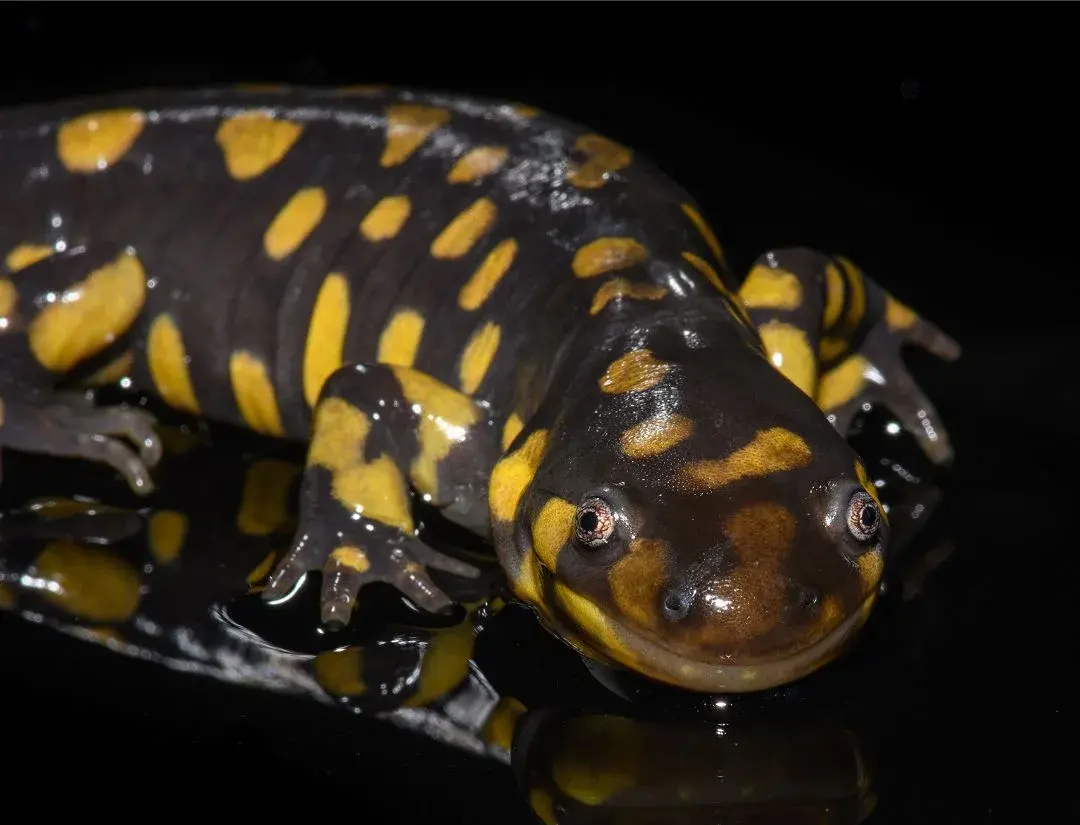
Many salamanders are considered difficult pets because they have strict requirements for humidity, temperature, and water quality. Beginners should research specific species like the tiger salamander, but be prepared for a significant long-term commitment.
How can I tell how old my salamander is?
It is nearly impossible to determine the exact age of an adult salamander just by looking at it. Scientists sometimes use skeletochronology, which involves counting growth rings in bone tissue, but this is an invasive procedure not suitable for pet owners.
Do salamanders die if they dry out?
Yes, salamanders rely on their moist skin to breathe and regulate their body temperature. If their skin dries out, they can suffer from respiratory failure and dehydration very quickly.
What do salamanders eat in the wild?
Salamanders are carnivores that primarily hunt small invertebrates. Their diet typically consists of earthworms, slugs, insects, spiders, and occasionally smaller amphibians.
Are all salamanders poisonous?
Many salamanders produce toxins through their skin as a defense mechanism, but the potency varies significantly by species. Always wash your hands after handling them and never touch your eyes or mouth until you have done so.
Do salamanders hibernate?
Many species in temperate climates undergo a period of dormancy called brumation during the winter months. They seek out underground burrows or mud at the bottom of ponds to survive freezing temperatures.
This answer was created with the help of AI research tools and reference sources. Spotted an error? Let us know — we correct mistakes quickly. See our editorial policy.