What do salamanders eat?
Short answer
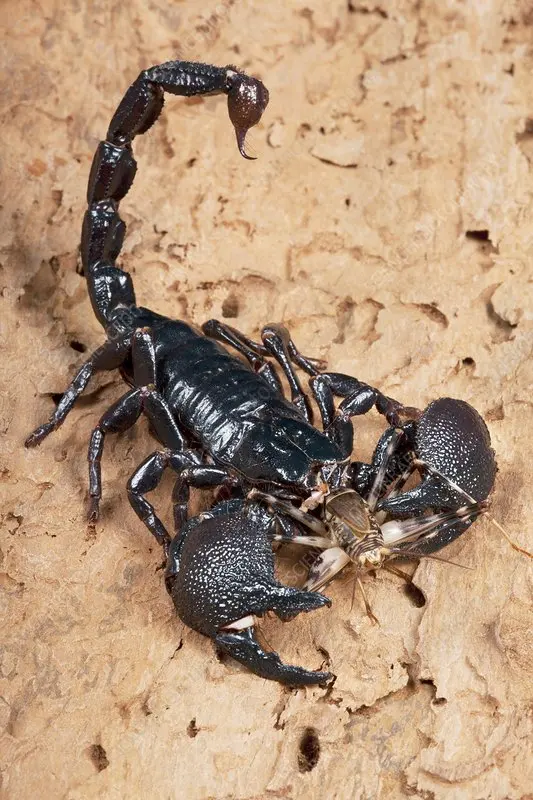
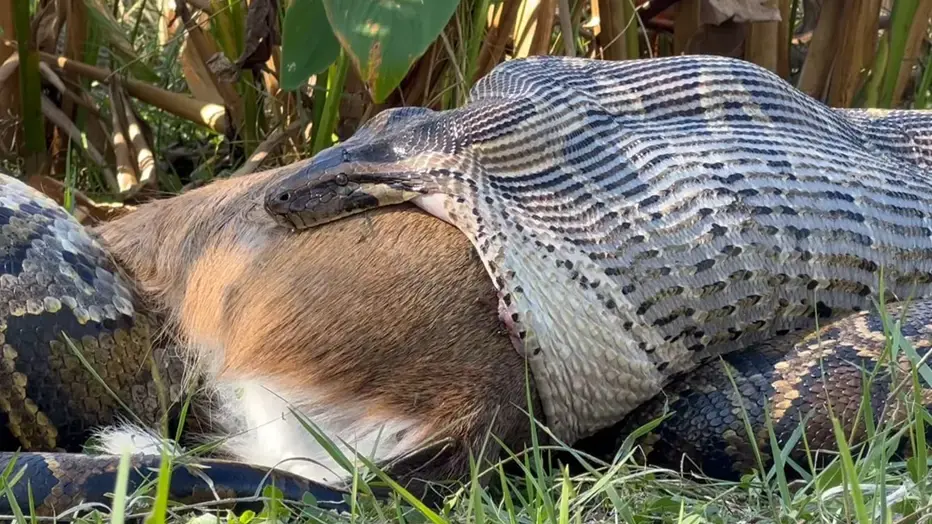
Salamanders are primarily carnivorous predators that consume a wide variety of small invertebrates. Their diet typically includes insects, worms, slugs, snails, and spiders. While most species are generalist hunters that eat whatever fits in their mouths, some larger aquatic salamanders may occasionally consume small fish or even other amphibians.
On this page
What do wild salamanders eat?
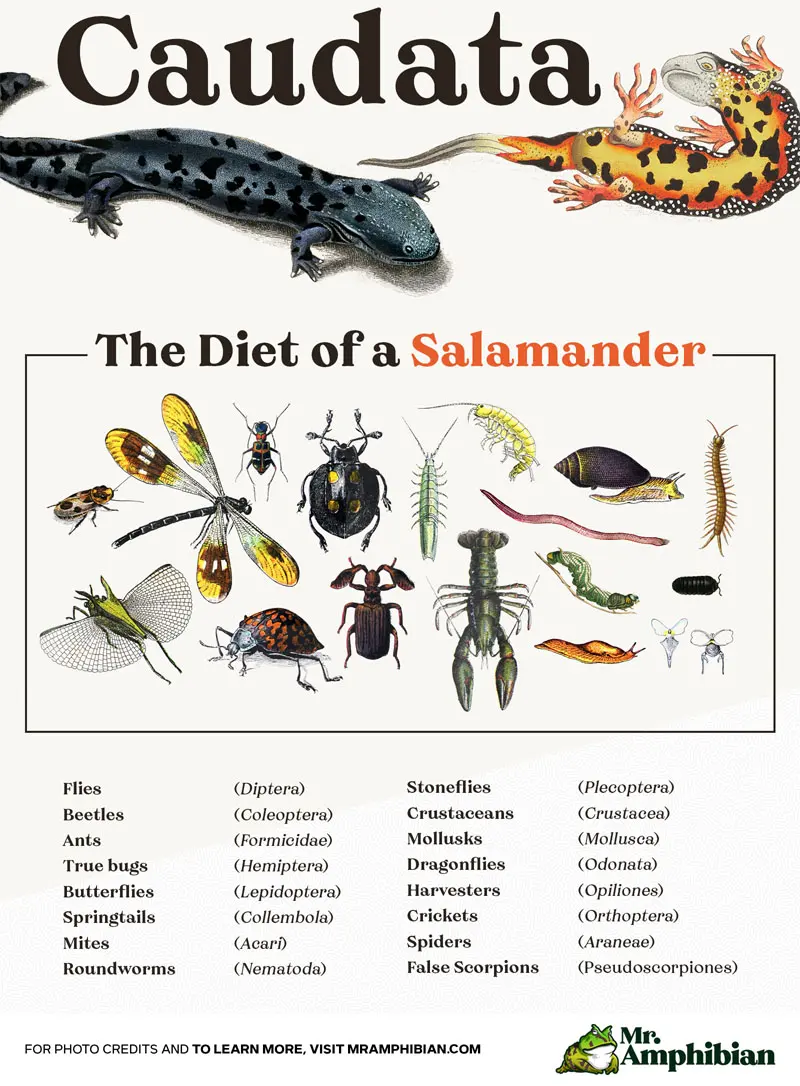
In their natural habitats, salamanders function as opportunistic carnivores, meaning they consume almost any prey item that is small enough to swallow. Because they are ectothermic, their metabolic rates are relatively low, allowing them to survive on fewer meals than many mammals. Their diet is largely dictated by their environment, with terrestrial species focusing on forest-floor invertebrates and aquatic species targeting water-dwelling organisms.
Common prey items for wild salamanders include:
- Earthworms and nightcrawlers
- Crickets and grasshoppers
- Slugs and snails
- Spiders and mites
- Aquatic larvae and small crustaceans
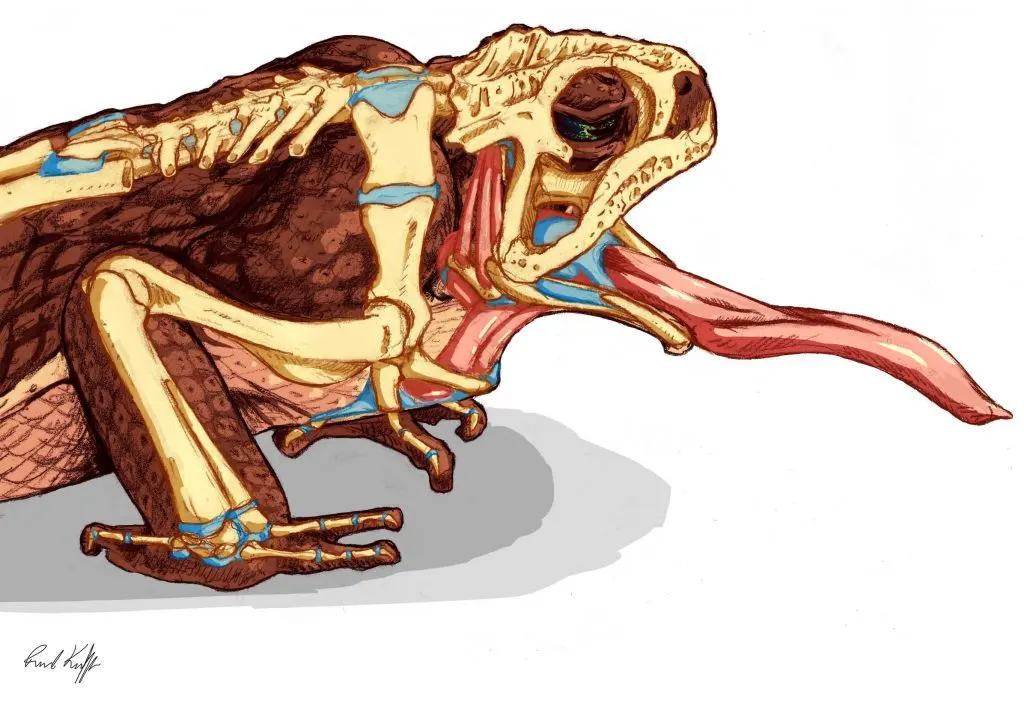
The hunting strategy of a salamander usually involves remaining motionless until prey wanders within striking distance. They utilize a highly specialized tongue, which can be projected rapidly to ensnare insects. This "sit-and-wait" approach is energy-efficient and allows them to maintain a stable population in diverse ecosystems ranging from damp leaf litter to mountain streams.
What do pet salamanders eat?
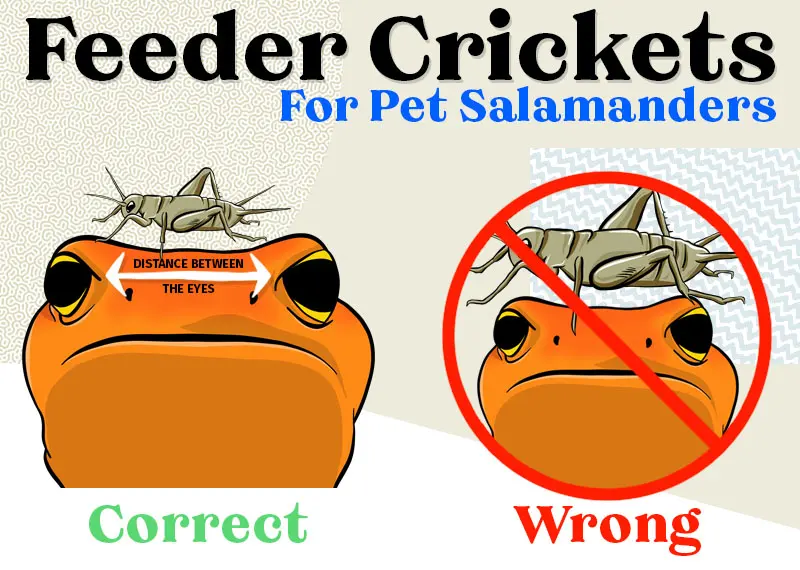
Providing a balanced diet for a captive salamander requires mimicking the nutritional variety they would experience in the wild. Most pet owners rely on commercially available feeder insects, but variety is essential to prevent nutritional deficiencies. It is important to match the size of the prey to the size of the salamander; a good rule of thumb is that the prey should be no wider than the space between the salamander's eyes.
- Purchase high-quality gut-loaded crickets from a reputable pet store.
- Dust the insects with a calcium and vitamin D3 supplement twice a week.
- Offer earthworms as a staple, as they are nutritionally dense and easy to digest.
- Remove any uneaten food after 24 hours to prevent mold growth or stress to the animal.
Avoid feeding your pet wild-caught insects, as these may carry pesticides or parasites that can be fatal to captive amphibians. Always ensure that the prey is alive, as most salamanders rely on movement to trigger their predatory response.
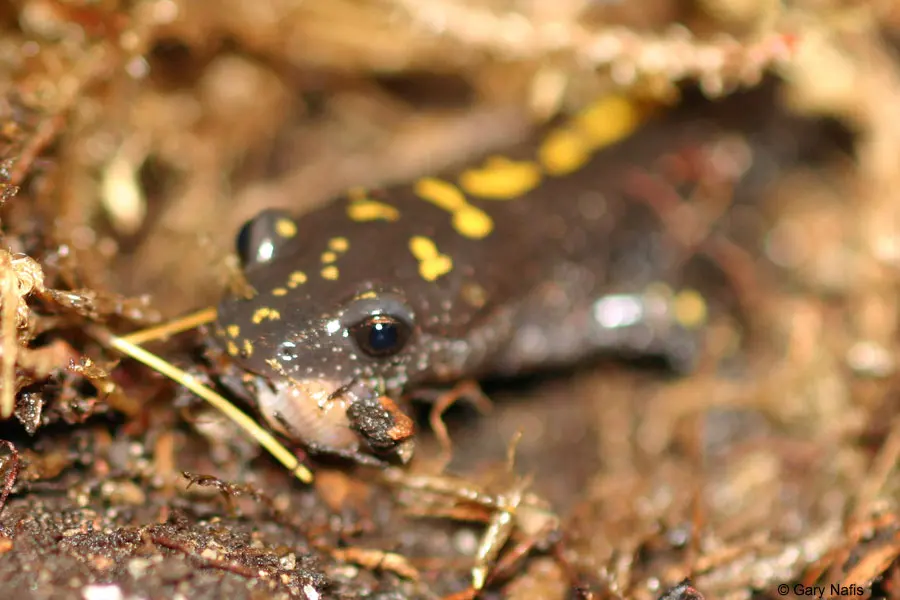
How to feed aquatic salamanders?
Aquatic species, such as the popular axolotl, have different feeding requirements than their land-dwelling counterparts. Because they spend their entire lives underwater, they cannot hunt terrestrial insects. Instead, they rely on sinking pellets, frozen bloodworms, or live brine shrimp. These animals use suction to pull prey into their mouths, making soft-bodied food items the most effective choice for their anatomy.
When feeding aquatic salamanders, consider the following:
- Use long feeding tongs to deliver food directly to the animal.
- Monitor water quality closely, as leftover food decomposes rapidly and creates toxic ammonia.
- Use a turkey baster or siphon to remove debris immediately after feeding sessions.
If you are keeping multiple aquatic salamanders in one tank, feed them individually to ensure that each animal receives an equal portion. Competition for food can lead to nipped limbs or stress, which may cause the animals to stop eating altogether.
Common mistakes when feeding salamanders
One of the most frequent errors owners make is overfeeding. While it is tempting to provide food daily, most adult salamanders only require a meal every two to three days. Overfeeding leads to obesity and poor water quality, which often results in bacterial infections. Another common mistake is failing to provide enough variety, which can lead to metabolic bone disease if the salamander lacks sufficient calcium intake.
Another significant oversight is ignoring the temperature of the environment during feeding. Salamanders are sensitive to heat, and if their enclosure is too warm, they may lose their appetite or become lethargic. Always maintain the specific temperature range required by your species. If your salamander refuses to eat for more than a week, check the environmental parameters before assuming the animal is ill, as stress from improper lighting or temperature is a common cause of appetite loss.
Why do salamanders stop eating?
A sudden loss of appetite in a salamander is usually an indicator of environmental stress or underlying health issues. If the water or substrate is contaminated with chemicals, such as chlorine from tap water or cleaning agents, the animal will likely stop feeding immediately. Additionally, salamanders are sensitive to vibrations and bright light, both of which can cause them to hide rather than hunt.
If your salamander stops eating, follow these diagnostic steps:
- Test the water parameters (pH, ammonia, nitrates) to ensure the environment is safe.
- Check the enclosure temperature to confirm it is within the species-specific range.
- Observe the animal for signs of skin lesions or unusual lethargy.
- Try offering a different type of live prey to see if the refusal is related to food preference.
If the animal remains unresponsive to food for more than two weeks, consult a veterinarian who specializes in exotic animals. Early intervention is critical, as amphibians can decline rapidly once they stop consuming nutrients. By maintaining a clean environment and offering a diverse, properly supplemented diet, you can ensure your salamander remains healthy and active for many years to come.
Key facts
- Salamanders are strictly carnivorous and hunt only live, moving prey to trigger their predatory instincts.
- Small species like the red-backed salamander primarily consume tiny invertebrates such as mites, springtails, and fruit flies.
- Larger aquatic species, including the hellbender, can consume crayfish, small fish, and even other amphibians.
- Most salamanders use a specialized "projectile tongue" to capture prey, which can extend at high speeds in milliseconds.
- Captive salamanders require a varied diet of gut-loaded insects to ensure they receive essential vitamins and minerals.
- Avoid feeding salamanders store-bought meat, as it lacks the necessary nutrients and movement required for their digestion.
The bottom line
Salamanders are specialized predators that rely entirely on live prey to survive. Whether in the wild or in captivity, their diet consists of small invertebrates like worms, crickets, and spiders. To maintain their health, ensure they have access to varied, gut-loaded insects and a moist habitat. Avoid common mistakes like offering non-moving food or plant matter, which are nutritionally inadequate for these unique amphibians.
People also ask
How often should I feed a pet salamander?
Most adult salamanders thrive when fed two to three times per week. Younger, growing salamanders require daily feedings to support their rapid development and high metabolic needs.
Can salamanders eat vegetables or fruit?
No, salamanders are obligate carnivores and cannot digest plant matter. Attempting to feed them produce can lead to serious digestive blockages and malnutrition.
Will my salamander eat dead insects?
Generally, no; salamanders rely on visual cues of movement to identify food. If they do not see the prey move, they will likely ignore it entirely.
What is "gut-loading" and why is it important?
Gut-loading involves feeding nutritious vegetables to insects like crickets before giving them to your salamander. This process ensures the prey is packed with nutrients that are then transferred to the amphibian.
Do salamanders drink water or absorb it?
Salamanders absorb most of their hydration through their porous skin rather than drinking. They require a clean, dechlorinated water source or a moist environment to remain hydrated.
Can I catch wild insects to feed my salamander?
It is risky to catch wild insects because they may carry pesticides or parasites. It is much safer to purchase feeder insects from a reputable pet supplier.
This answer was created with the help of AI research tools and reference sources. Spotted an error? Let us know — we correct mistakes quickly. See our editorial policy.