How long do geckos live?
Short answer
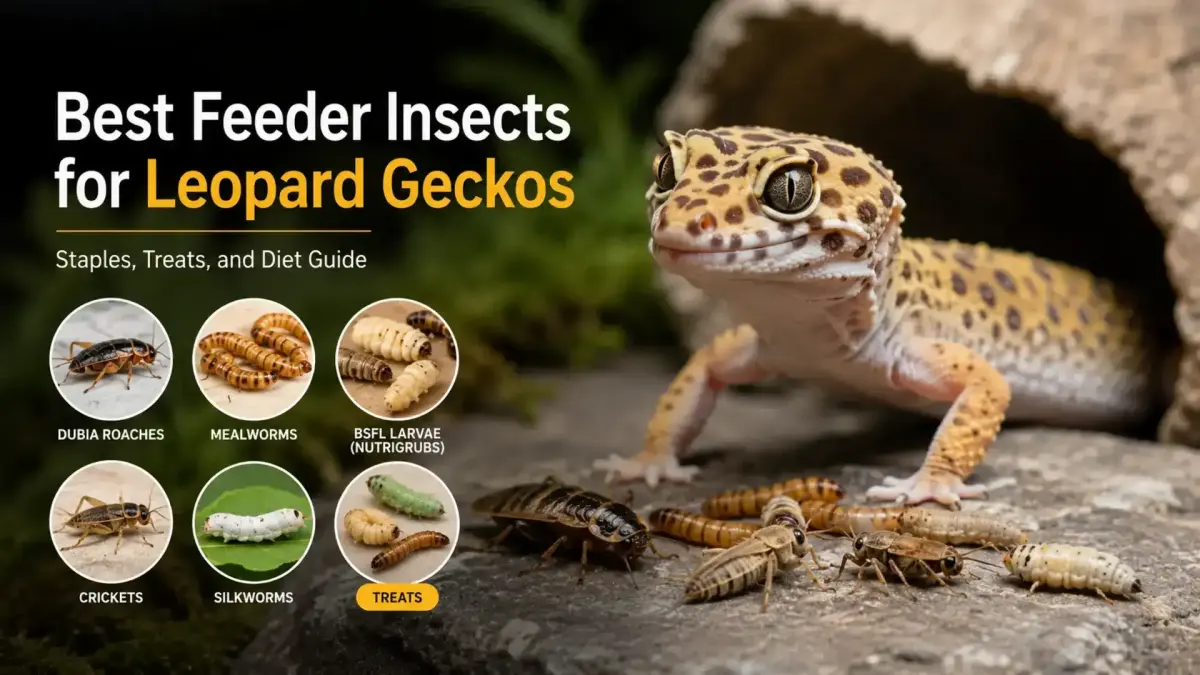
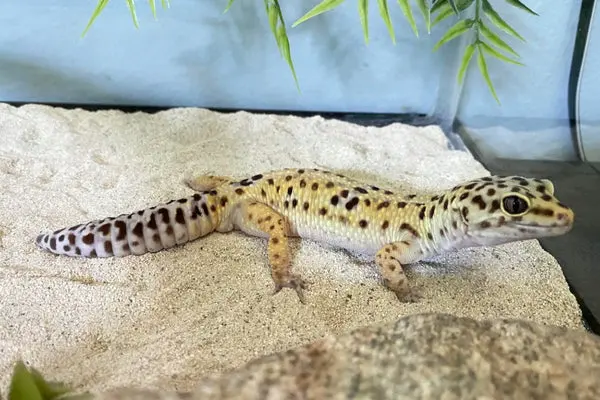
Geckos typically live between 5 and 20 years, depending heavily on the species and their environment. While small species like mourning geckos may live for only 5 years, popular pets like leopard geckos often reach 15 to 20 years with proper care. Captivity usually extends their lifespan compared to wild counterparts.
On this page
How long do different gecko species live?
The lifespan of a gecko varies significantly based on its natural habitat and biological classification. Most geckos kept as pets belong to the Eublepharidae or Gekkonidae families, which generally exhibit longer lifespans than many other small lizards. Understanding the specific needs of your gecko is the first step in ensuring it reaches its maximum age potential.
- Leopard Geckos: 15–20 years.
- Crested Geckos: 15–20 years.
- African Fat-tailed Geckos: 15–20 years.
- Tokay Geckos: 10–15 years.
- Day Geckos: 6–10 years.
- House Geckos: 5–8 years.
While these ranges represent healthy individuals, environmental stressors can drastically shorten these timelines. Wild geckos often face much shorter lives due to predation, harsh weather, and food scarcity. In a controlled home environment, the absence of natural predators allows these reptiles to focus their energy on growth and maintenance, often resulting in longevity that exceeds their wild counterparts by several years.
How to increase gecko lifespan in captivity
Providing an optimal environment is the most effective way to ensure your gecko lives a long, healthy life. This involves mimicking their natural habitat as closely as possible through precise temperature gradients, humidity control, and lighting. Consistency is key, as frequent fluctuations in their environment can lead to chronic stress, which suppresses their immune system and makes them susceptible to infections.
- Research your specific species to determine the exact temperature and humidity requirements.
- Invest in a high-quality digital thermometer and hygrometer to monitor conditions daily.
- Provide a varied, gut-loaded diet supplemented with essential calcium and vitamins.
- Ensure the enclosure is large enough to allow for natural movement and exercise.
- Schedule annual checkups with an exotic animal veterinarian who specializes in reptiles.
A balanced diet is equally critical for long-term health. Many owners make the mistake of feeding only one type of insect, which can lead to nutritional deficiencies. Always use calcium powder with D3 to prevent metabolic bone disease, a common and often fatal condition in captive geckos.
Why do geckos die prematurely?
Most premature deaths in captive geckos are caused by husbandry errors rather than natural aging. Metabolic bone disease is perhaps the most common killer, resulting from a lack of calcium or improper ultraviolet light exposure. When a gecko cannot absorb enough calcium, its bones become soft, deformed, and eventually incapable of supporting the animal's weight, leading to a painful decline.
Respiratory infections are another major concern, usually triggered by improper humidity levels. If an enclosure is too damp or lacks adequate ventilation, bacteria and fungi can thrive, infecting the gecko's lungs. Conversely, an environment that is too dry can lead to shedding problems, where stuck skin constricts blood flow to the toes or tail. Recognizing these signs early is vital, as reptiles are masters at hiding illness until they are quite sick.
Common mistakes when caring for geckos
One of the most frequent errors owners make is neglecting the importance of substrate safety. Using loose sand or gravel can lead to impaction, a condition where the gecko accidentally ingests particles that block their digestive tract. This is a life-threatening emergency that often requires surgical intervention. Opting for paper towels or slate tile is a safer, cleaner alternative for most species.
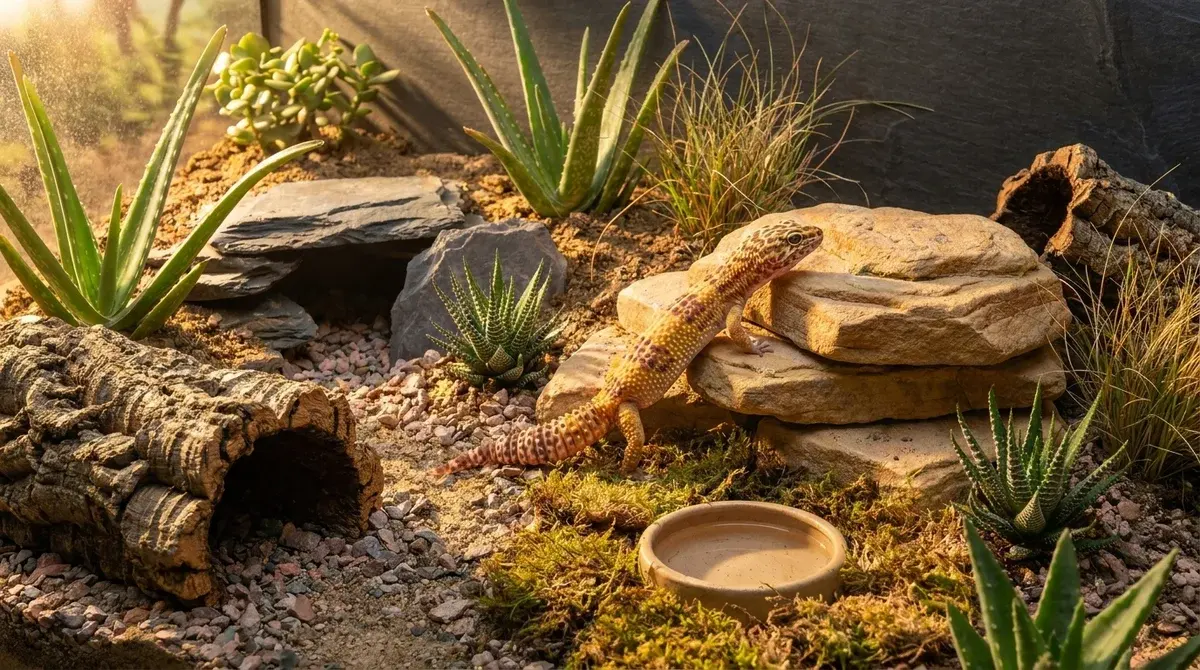
Another common mistake is failing to provide enough hiding spots. Geckos are naturally secretive animals that feel vulnerable when exposed. A lack of secure, dark places to sleep during the day causes significant stress, which manifests as lethargy, loss of appetite, and a weakened immune system. You should provide at least two hides: one in the warm zone and one in the cool zone. By ensuring your gecko feels secure, you allow it to maintain a stable metabolic rate, which is essential for a long and healthy lifespan.
How to tell if your gecko is aging
As geckos enter their senior years, their behavior and physical appearance will naturally change. You may notice that your pet becomes less active, spends more time sleeping, or shows a slight decrease in appetite. Their skin might lose some of its vibrant color, and they may struggle to catch fast-moving prey. These changes are normal, but they require adjustments to their care routine to ensure they remain comfortable.
When your gecko reaches its senior phase, prioritize accessibility. Move food and water dishes to ground level so they do not have to climb to reach them. Keep the enclosure temperature stable, as older reptiles have a harder time regulating their body heat. If you notice sudden weight loss or lethargy, consult a veterinarian immediately, as these can be symptoms of age-related organ failure. With patience and attentive care, you can help your gecko live out its final years in comfort and peace.
Key facts
- Most common pet geckos, such as the leopard gecko, live between 10 and 20 years in captivity.
- Smaller species like mourning geckos typically have shorter lifespans, often averaging 5 to 10 years.
- Providing a consistent diet of gut-loaded insects and calcium supplements significantly increases a gecko's longevity.
- Avoid using loose sand as substrate, as it can cause fatal intestinal impaction if ingested by the lizard.
- Temperature regulation is critical; always use a thermostat to prevent burns and ensure the enclosure mimics their natural habitat.
- Regular veterinary checkups for exotic animals help detect hidden health issues like metabolic bone disease before they become terminal.
The bottom line
Geckos are long-lived companions that require a significant commitment, often spanning over a decade. By maintaining precise temperature controls, providing a nutrient-rich diet, and avoiding common environmental hazards like loose substrate, owners can help their pets reach their full potential. Understanding the specific needs of your chosen species is the most effective way to ensure a healthy, long life for your gecko in captivity.
People also ask
Do male geckos live longer than females?
Generally, there is no significant difference in lifespan based on sex. However, female geckos may face additional health risks related to egg production, which can shorten their lives if they are not provided with proper nutrition and rest periods.
Can a gecko live longer if it is kept alone?
Yes, keeping geckos in solitary enclosures often reduces stress and prevents physical injuries from territorial fighting. Most gecko species are solitary by nature and do not require social interaction to thrive in captivity.
What is the most common cause of premature death in pet geckos?
Poor husbandry, specifically improper lighting and nutrition, is the leading cause of early death. Many owners fail to provide adequate UVB light or calcium, leading to metabolic bone disease, which weakens the skeletal structure and organs.
Do wild geckos live as long as those in captivity?
Wild geckos usually have shorter lifespans than well-cared-for pets due to predation, environmental hazards, and food scarcity. While some individuals may survive for many years, many succumb to external threats long before reaching their biological maximum age.
How can I tell if my gecko is reaching the end of its life?
Signs of aging include decreased appetite, lethargy, dull skin color, and difficulty shedding. If you notice these symptoms, consult an exotic animal veterinarian to determine if the decline is due to natural aging or a treatable illness.
Do larger gecko species live longer than smaller ones?
Yes, there is a general correlation between size and longevity in reptiles. Larger species, such as the New Caledonian giant gecko, can live for 20 to 30 years, whereas tiny species often have much faster metabolic rates and shorter lifespans.
This answer was created with the help of AI research tools and reference sources. Spotted an error? Let us know — we correct mistakes quickly. See our editorial policy.