How long do seals live?
Short answer
Most seal species live between 15 and 30 years in the wild. Smaller species, such as the ringed seal, often have shorter lifespans of around 15 to 20 years, while larger species like the grey seal can reach 30 to 40 years. Longevity depends heavily on environmental conditions, predation, and overall health.
On this page
How long do different seal species live?
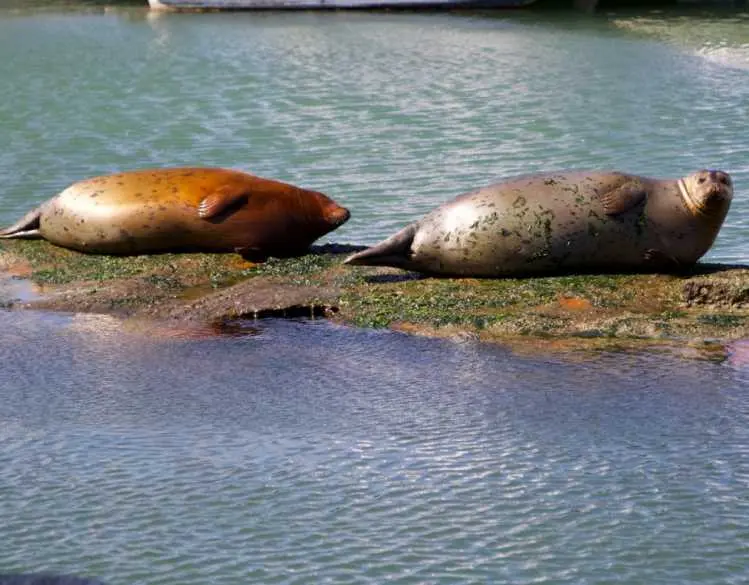
The lifespan of a seal is largely determined by its species and size. Generally, larger phocids, or "true seals," tend to live longer than their smaller counterparts. For instance, the grey seal is known to live into its late 30s, with some individuals surviving even longer in protected environments. Conversely, smaller species like the harbor seal typically have a life expectancy ranging from 20 to 25 years.
These variations are influenced by biological factors such as metabolic rates and reproductive strategies. While some seals are solitary, others live in large colonies, which can influence their exposure to diseases and parasites. Regardless of the species, the first year of life is the most perilous, as pups face significant challenges in learning to forage and avoiding predators.
- Grey seal: 30–40 years
- Harbor seal: 20–25 years
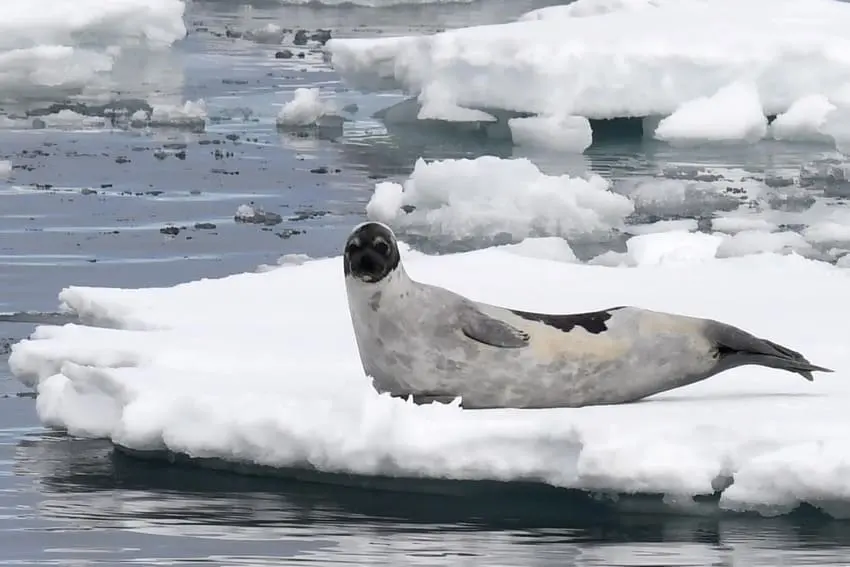
- Ringed seal: 15–20 years
- Harp seal: 20–30 years
- Elephant seal: 14–20 years
Why do seals die in the wild?
Survival in the ocean is fraught with constant danger. Predation is a primary cause of mortality, particularly for younger seals. Great white sharks, orcas, and polar bears are the most significant threats to seal populations globally. These predators target seals both in the water and while they are resting on ice floes or rocky shorelines, making every trip to the sea a potential risk.
Environmental factors also play a critical role in limiting a seal's lifespan. Climate change, specifically the reduction of sea ice, has devastating effects on species that rely on ice for breeding and resting, such as the harp seal. Furthermore, pollution, entanglement in discarded fishing gear, and the depletion of fish stocks due to commercial overfishing can lead to malnutrition and increased vulnerability to disease, significantly shortening the natural life cycle of these marine mammals.
How does captivity affect seal longevity?
Seals kept in zoos, aquariums, or rehabilitation centers often live longer than their wild counterparts. In a controlled environment, these animals are provided with a consistent food supply, veterinary care, and protection from natural predators. Without the constant stress of hunting and evading threats, seals in captivity often reach or exceed the upper limits of their species' natural lifespan.
However, captivity presents its own unique set of challenges. Seals require complex enrichment to maintain their physical and mental health. When these needs are not met, animals can suffer from stress-related health issues. Veterinarians monitor captive seals closely for signs of dental problems, skin infections, and behavioral changes. While the absence of predators is a major benefit, the quality of care remains the most important factor in determining how long a captive seal will survive.
Common mistakes when observing seals
When viewing seals in their natural habitat, it is vital to prioritize the animal's safety. A common mistake is approaching a seal too closely, which causes significant stress and may lead the animal to abandon its pup or flee into the water prematurely. This disruption can be fatal for young seals that have not yet developed the stamina to swim for long periods or are still nursing.
- Maintain a distance of at least 50 to 100 yards from any seal on the beach.
- Keep dogs on a leash at all times to prevent them from harassing or biting the animals.
- Never attempt to feed or touch a seal, as they can bite and carry diseases.
- Avoid making loud noises or using drones, which can frighten seals and cause a stampede.
- If you see a seal that appears injured, call a local wildlife rescue organization rather than intervening yourself.
How to support seal conservation efforts
Protecting seal populations requires a multifaceted approach that addresses both local and global environmental issues. By reducing our reliance on single-use plastics, we can decrease the amount of debris that ends up in the ocean, which is a major cause of entanglement for seals. Supporting sustainable seafood choices also helps ensure that seals have enough prey to survive throughout the year, especially during critical nursing periods.
Active participation in citizen science programs can also provide researchers with valuable data on seal movements and population health. Many organizations offer opportunities to report sightings of tagged seals, which helps scientists track migration patterns and survival rates. By staying informed about local marine policies and advocating for the protection of coastal habitats, individuals can play a meaningful role in ensuring that these resilient creatures continue to thrive in their natural environments for generations to come.
Key facts
- Most seal species live between 15 and 30 years in the wild.
- The ringed seal typically lives for 25 to 30 years.
- Harbor seals often reach 25 to 30 years of age in protected environments.
- Elephant seals have shorter lifespans, usually living 14 to 20 years.
- Female seals generally outlive males because males face more physical stress from territorial fighting.
- Captive seals often live longer than wild counterparts due to consistent food and veterinary care.
The bottom line
While the lifespan of a seal depends on its species and habitat, most wild seals live between 15 and 30 years. Factors such as predation, environmental hazards, and gender-based behavioral differences play a significant role in their longevity. Understanding these biological patterns helps researchers monitor population health and conservation status, ensuring these marine mammals continue to thrive in their complex and often challenging aquatic ecosystems.
People also ask
Do seals live longer in captivity than in the wild?
Yes, seals in captivity often live longer because they are protected from predators, disease, and starvation. They receive regular medical checkups and a steady diet, which helps them survive well past their average wild life expectancy.
What is the primary cause of death for seals in the wild?
Predation by sharks and orcas is a leading cause of mortality for many seal species. Additionally, environmental changes, pollution, and entanglement in fishing gear significantly reduce their survival rates.
Do all seal species have the same lifespan?
No, lifespans vary significantly depending on the species and its specific environment. Larger species like elephant seals have different biological requirements and survival challenges compared to smaller species like the harbor seal.
How can you tell the age of a seal?
Scientists determine a seal's age by examining the growth rings in their teeth, similar to counting rings in a tree. This method is highly accurate for adult seals but requires professional training and specialized equipment.
Do male and female seals live for the same amount of time?
Typically, females live longer than males. Male seals often engage in intense, violent combat to defend breeding territories, which leads to higher injury rates and physical exhaustion that can shorten their lives.
At what age do seals become adults
Sexual maturity varies by species, but most seals reach adulthood between three and seven years of age. Females often mature slightly earlier than males, allowing them to begin breeding sooner.
This answer was created with the help of AI research tools and reference sources. Spotted an error? Let us know — we correct mistakes quickly. See our editorial policy.