Where do walruses live?
Short answer
Walruses live exclusively in the cold, shallow waters of the Northern Hemisphere, primarily within the Arctic Circle. They inhabit the circumpolar regions of the Atlantic and Pacific Oceans, often congregating on sea ice or rocky coastal shores. Their distribution is dictated by the seasonal movement of pack ice and food availability.
On this page
Where do walruses live geographically
Walruses are found in the frigid marine environments of the Arctic and sub-Arctic regions. They are categorized into two primary subspecies based on their geographic range: the Atlantic walrus and the Pacific walrus. The Atlantic population is distributed across the coastal regions of northeastern Canada, Greenland, and the Svalbard archipelago in Norway. They also inhabit parts of the Russian Arctic, specifically the Barents and Kara Seas.
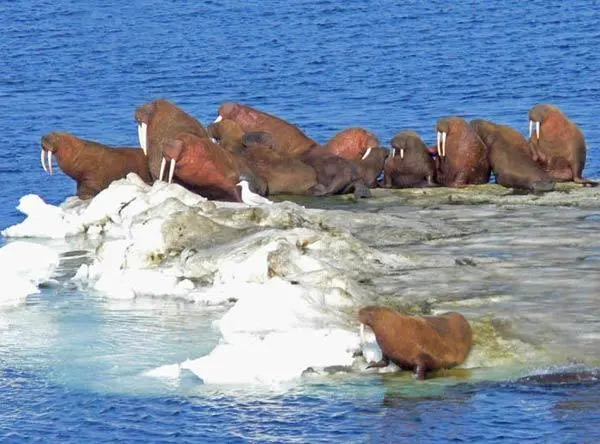
The Pacific walrus occupies a vast range spanning the Bering, Chukchi, and Beaufort Seas. These animals are most commonly observed in the waters between eastern Siberia and western Alaska. Unlike many other marine mammals, walruses are highly dependent on the presence of sea ice, which serves as a vital platform for resting, nursing calves, and conserving energy. As climate change alters the extent of Arctic sea ice, these geographic boundaries are shifting, forcing walruses to adapt to new coastal haul-out sites.
Why do walruses live on sea ice
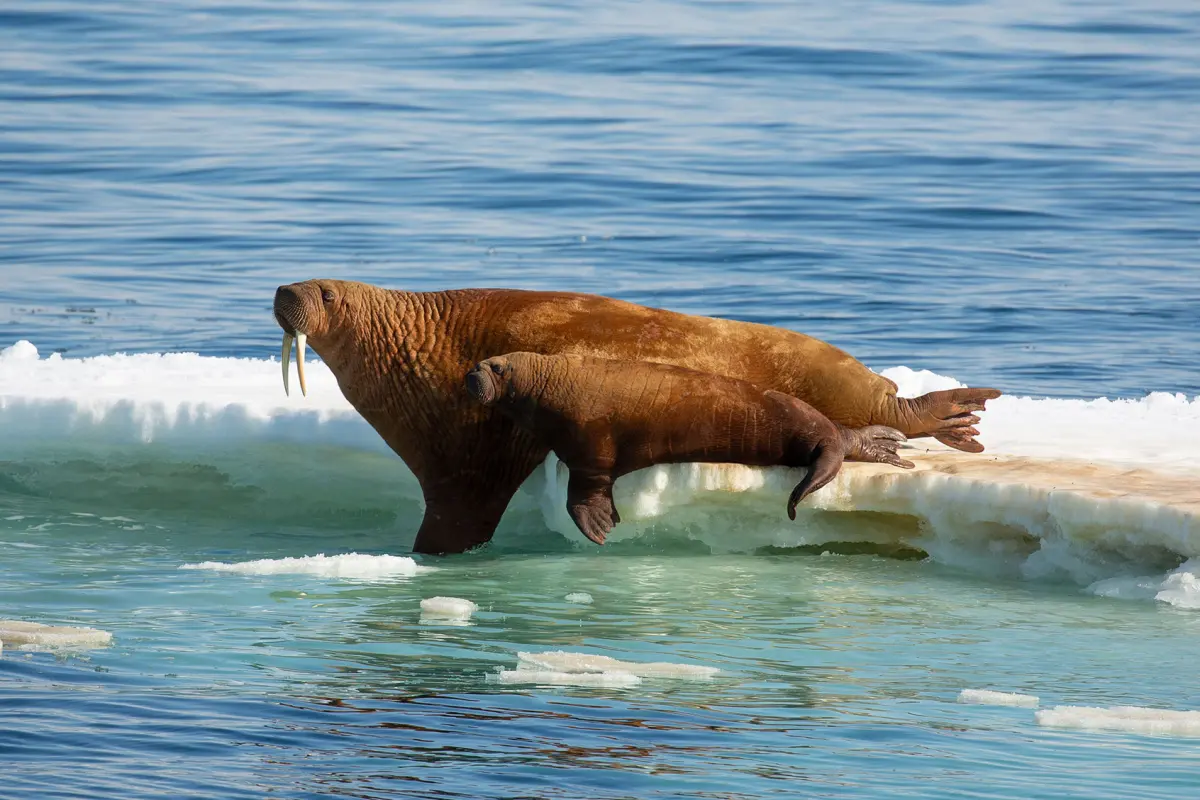
Sea ice is essential for the survival of walruses because it provides a stable platform located directly above their primary feeding grounds. Walruses are benthic foragers, meaning they feed on organisms living on the ocean floor, such as clams, snails, and sea cucumbers. By resting on ice floes, they can easily dive into relatively shallow waters—typically less than 80 meters deep—to forage without traveling long distances.
The ice also serves as a protective barrier against predators and provides a necessary space for social interaction. During the breeding season, the ice becomes a hub for mating rituals and the rearing of young calves. When sea ice retreats during the summer months, walruses are often forced to move to land-based haul-outs. This transition presents several challenges:
- Increased energy expenditure due to longer swimming distances between feeding sites and resting areas.
- Higher risk of stampedes at crowded coastal locations, which can be fatal for younger walruses.
- Greater exposure to terrestrial predators like polar bears.
How to identify walrus habitats
If you are observing walruses in the wild, you must look for specific environmental indicators. A suitable habitat requires a combination of shallow continental shelves and access to floating ice or undisturbed, remote coastlines. These animals avoid deep ocean basins where the seafloor is beyond their diving reach. They prefer areas where the water temperature remains near freezing, as this supports the specific invertebrate communities they rely on for sustenance.
When searching for potential walrus sightings, consider the following environmental factors:
- Proximity to shallow banks: Check nautical charts for areas with depths between 10 and 50 meters.
- Presence of pack ice: Look for satellite imagery showing the edge of the seasonal ice pack.
- Coastal geography: Identify isolated beaches or rocky islands that provide protection from human disturbance.
- Biological activity: Observe areas with high concentrations of benthic invertebrates, which often attract large walrus herds.
Common mistakes when looking for walruses
One of the most frequent errors observers make is assuming walruses are found throughout the entire Arctic. In reality, their distribution is patchy and highly seasonal. Many people mistakenly search in deep-water fjords or open ocean areas where the seafloor is inaccessible. Furthermore, assuming that walruses are sedentary is a mistake; they follow the seasonal migration of the ice edge, meaning their location can change by hundreds of miles within a few weeks.
Another common mistake is failing to account for human disturbance. Walruses are extremely sensitive to noise and visual threats. If a boat or aircraft approaches a haul-out site too closely, the entire herd may panic and flee toward the water. This behavior, known as a stampede, is a leading cause of injury and mortality, particularly for calves. Always maintain a significant distance and use binoculars or telephoto lenses to observe these animals without causing them to abandon their resting spots.
How climate change affects walrus homes
The rapid decline of Arctic sea ice is the most significant threat to the long-term viability of walrus habitats. Because walruses rely on ice as a base of operations, the loss of this platform forces them to spend more time swimming and less time resting. This increased physical demand leads to higher caloric needs, which are difficult to meet when foraging grounds are located further away from their new, land-based rest areas.
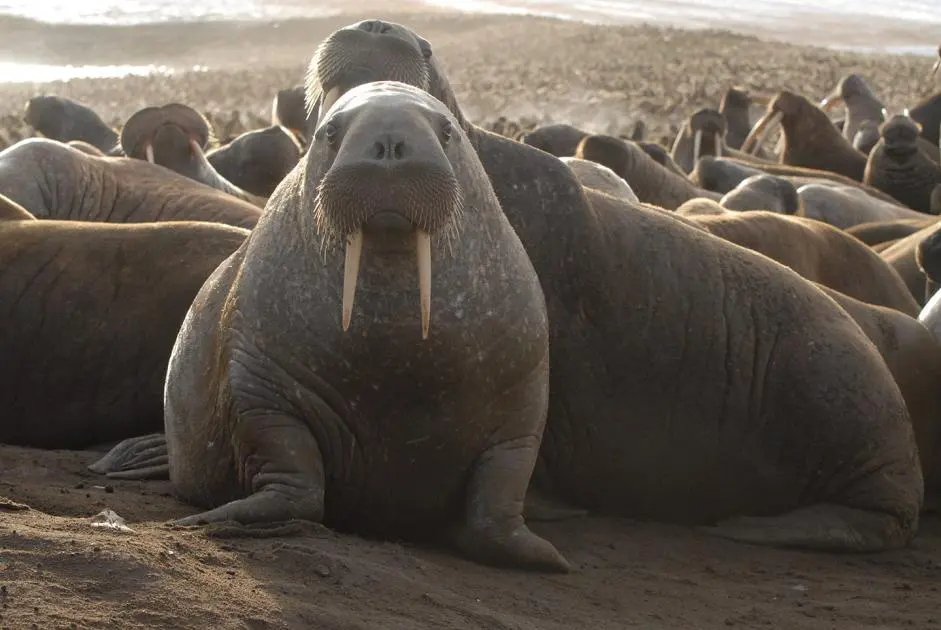
Researchers have noted that as the ice-free season lengthens, walruses are increasingly congregating in massive numbers on beaches in Alaska and Russia. These crowded conditions facilitate the spread of disease and increase the risk of accidental trampling. Conservationists are currently working to monitor these haul-outs to understand how the species is adapting to a warming world. Protecting these coastal sites from industrial development and human interference is now a top priority for wildlife management agencies operating in the Arctic circle.
Key facts
- Walruses inhabit the shallow waters of the Arctic Circle and surrounding subarctic seas.
- They are divided into two subspecies: the Atlantic walrus and the Pacific walrus.
- These animals rely on sea ice as a platform for resting, calving, and giving birth.
- Pacific walruses typically migrate between the Bering Sea in winter and the Chukchi Sea in summer.
- Atlantic walruses occupy a range extending from northeastern Canada to the Kara Sea in Russia.
- Avoid approaching walruses on land, as they are easily startled and may cause a deadly stampede.
The bottom line
Walruses are iconic Arctic mammals that depend heavily on sea ice for their survival. Found primarily in the shallow waters of the Northern Hemisphere, they migrate seasonally to track food and resting sites. As climate change continues to shrink their icy habitats, these animals face increasing pressure. Understanding their specific geographic needs is essential for conservation efforts aimed at protecting these vulnerable marine giants for future generations.
People also ask
How deep can walruses dive to find food?
Walruses are skilled divers that typically forage at depths of 10 to 80 meters. They use their sensitive whiskers to locate clams and other mollusks on the seafloor, often diving for up to 10 minutes at a time.
Do walruses live in Antarctica?
No, walruses do not live in Antarctica. They are exclusively found in the Northern Hemisphere, specifically within the Arctic regions of North America, Europe, and Asia.
Why do walruses haul out on land?
When seasonal sea ice melts during the summer, walruses are forced to haul out on coastal beaches. This behavior is becoming more common due to the ongoing effects of climate change on Arctic ice cover.
How many walruses are left in the wild?
Estimates suggest there are roughly 225,000 Pacific walruses and approximately 20,000 to 25,000 Atlantic walruses. These numbers fluctuate based on environmental conditions and the availability of their primary food sources.
Can you see walruses in the wild as a tourist?
Yes, guided expeditions in places like Svalbard, Norway, or Nunavut, Canada, offer opportunities to view walruses. Always maintain a significant distance to avoid disturbing the colony and ensure your own safety.
What is the biggest threat to walrus habitats?
The most significant threat is the rapid loss of Arctic sea ice caused by global warming. Without ice platforms, walruses must swim much further to reach feeding grounds, which exhausts their energy reserves.
This answer was created with the help of AI research tools and reference sources. Spotted an error? Let us know — we correct mistakes quickly. See our editorial policy.