How long do walruses live?
Short answer
Walruses typically live between 30 and 40 years in the wild. While some individuals may reach 50 years of age, their lifespan is heavily influenced by environmental conditions, predation, and health. Females generally outlive males, as males face higher risks from fighting and the physical demands of maintaining dominance during the breeding season.
On this page
How long do walruses live in the wild?
In their natural Arctic habitat, walruses generally reach a lifespan of 30 to 40 years. This longevity is remarkable given the harsh conditions of the circumpolar regions they inhabit. Scientists determine these ages by examining the growth layers in the cementum of a walrus's teeth, which function similarly to tree rings. Each layer represents a year of life, allowing researchers to track population demographics and survival rates with high precision.
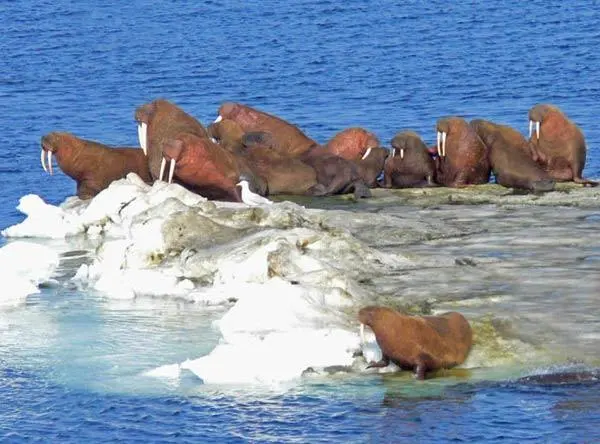
Survival rates fluctuate significantly based on age and environmental stressors. While calves face the highest mortality risk due to predation by polar bears or orcas, those that reach adulthood often enjoy a stable existence. However, the changing climate and receding sea ice are increasingly impacting their ability to forage, which may influence long-term survival trends. Factors that contribute to their overall life expectancy include:
- Access to nutrient-rich benthic prey like clams and mussels.
- The presence of stable sea ice for resting and hauling out.
- Low exposure to anthropogenic disturbances or industrial activity.
- The ability to successfully navigate seasonal migrations across the Arctic shelf.
Why do male and female walruses have different lifespans?
There is a noticeable disparity in life expectancy between the sexes, with females often living longer than males. Male walruses are significantly larger and engage in intense, violent competition to establish dominance and secure mating rights. These physical confrontations often result in severe scarring, broken tusks, and exhaustion, which can weaken the animals and make them more susceptible to disease or predation.
Conversely, females prioritize energy conservation for gestation and nursing, which lasts for several years per calf. By avoiding the high-stakes physical combat that characterizes male social behavior, females generally maintain better physical condition throughout their prime years. This difference in behavioral strategy is a primary driver of the demographic gap observed in wild walrus populations. Key factors affecting male mortality include:
- High energy expenditure during the breeding season.
- Increased risk of injury from territorial disputes.
- Elevated stress levels associated with maintaining harem hierarchies.
- Greater physical vulnerability following the depletion of fat reserves.
What factors influence the lifespan of a walrus?
The health and longevity of a walrus are dictated by a combination of biological and external variables. Nutrition is paramount; because walruses rely on bottom-dwelling organisms, they require consistent access to shallow continental shelves. If sea ice retreats too far from these feeding grounds, walruses must swim longer distances, burning precious energy and reducing their overall fitness. This metabolic strain can shorten their lifespan significantly over time.
Predation also plays a critical role, particularly for younger or injured individuals. While adult walruses have few natural enemies due to their massive size and thick skin, they remain vulnerable to pods of orcas. Furthermore, the accumulation of environmental contaminants in the Arctic food web can impact the long-term health of these marine mammals. Exposure to heavy metals and pollutants can weaken immune systems, making older walruses more prone to infections that would otherwise be manageable.
How do researchers determine the age of a walrus?
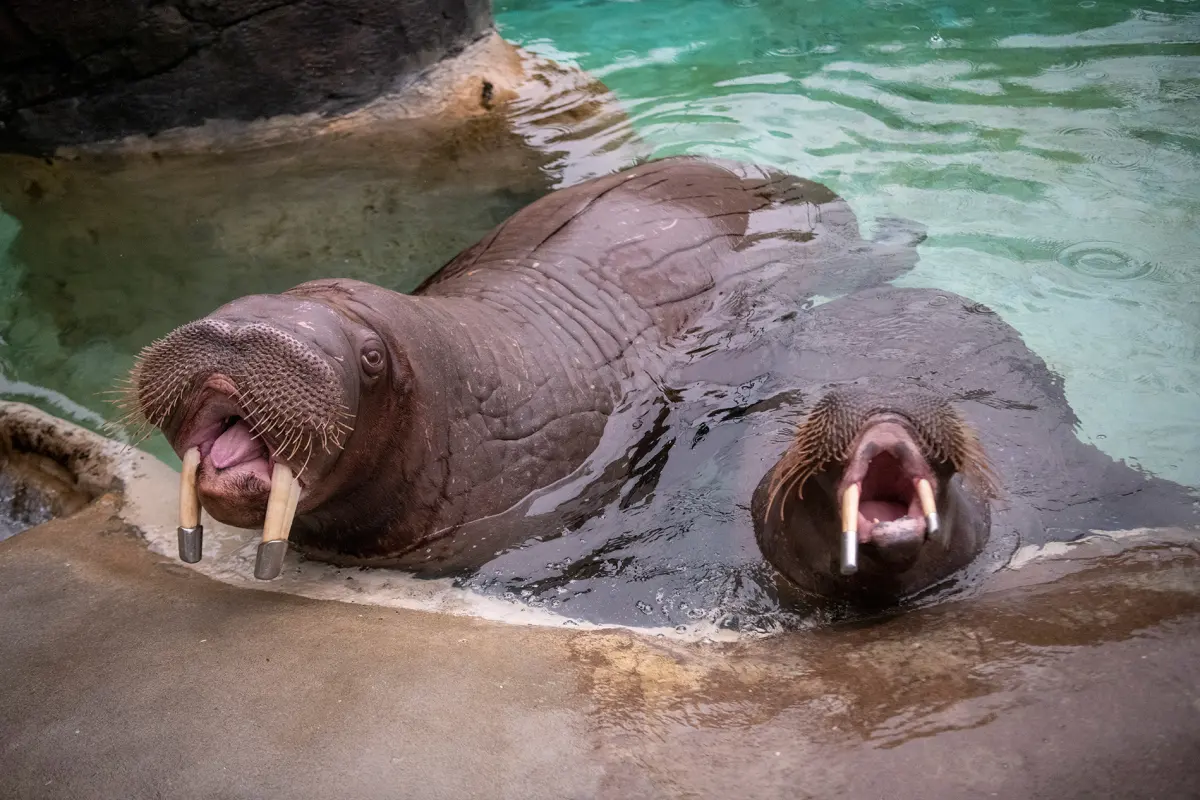
Determining the exact age of a walrus is a specialized task performed by marine biologists. The most reliable method involves extracting a canine tooth, which is then sectioned and examined under a microscope. By counting the annual growth layers, researchers can establish an accurate age profile for the animal. This data is essential for wildlife management, as it helps scientists understand whether a population is growing, stable, or in decline.
Common mistakes when estimating age in the field include relying solely on body size or tusk length, which can be misleading due to individual variations in growth rates. Researchers must avoid:
- Assuming that larger tusks always indicate an older animal, as genetics play a large role.
- Ignoring the wear patterns on teeth, which can change based on the type of sediment in the walrus's feeding area.
- Failing to account for regional differences in growth rates between Pacific and Atlantic walrus populations.
- Relying on visual observation alone without corroborating biological samples.
What are the threats to walrus longevity?
The most significant threat to the future longevity of walrus populations is the rapid loss of Arctic sea ice. Walruses use ice as a platform for resting between dives and for giving birth to their calves. As the ice disappears, they are forced to haul out on land in massive, crowded groups. This behavior increases the risk of stampedes, where younger or weaker walruses can be crushed, and it forces the animals to travel further to find food.
To protect these animals, conservationists focus on minimizing human disturbance in critical habitats. Avoiding common mistakes, such as approaching haul-out sites by boat or aircraft, is vital for the survival of the species. When walruses are startled, they may abandon their resting spots in a panic, wasting energy and leaving calves vulnerable. By maintaining a respectful distance and supporting policies that address climate change, humans can help ensure that walruses continue to reach their natural life expectancy in the wild.
Key facts
- Walruses typically live between 20 and 40 years in their natural Arctic habitat.
- Females generally live longer than males, often reaching the upper end of the 40-year range.
- Life expectancy is determined largely by the health of their teeth, which wear down from foraging on the seafloor.
- Predation by polar bears and killer whales remains the primary threat to young walruses.
- Climate change poses a significant risk by reducing the sea ice they use for resting.
- To identify a walrus's age, researchers analyze the growth rings found in the cross-sections of their tusks.
The bottom line
Walruses are resilient Arctic mammals that typically live for 20 to 40 years in the wild. Their survival is heavily dependent on the health of their teeth and the stability of sea ice, which serves as a vital platform for resting and breeding. While they face natural predators, the modern challenges of habitat loss and environmental change are the most critical factors influencing their long-term survival.
People also ask
How can you tell the age of a walrus?
Scientists determine a walrus's age by examining the cementum layers in its tusks, which function similarly to tree rings. Each layer represents one year of growth, providing a highly accurate biological record.
Do walruses live longer in captivity?
Walruses in captivity can sometimes live into their 40s or even 50s due to consistent veterinary care and a steady food supply. However, they are rarely kept in zoos because they require massive amounts of space and specialized social environments.
What is the biggest threat to a walrus's lifespan?
The most significant threat is the loss of Arctic sea ice, which forces walruses to haul out on land. This leads to overcrowding, increased energy expenditure, and higher risks of stampedes that can crush younger calves.
At what age do walruses reach maturity
Males typically reach sexual maturity between 7 and 10 years of age, though they rarely mate until they are older and larger. Females usually begin breeding around 6 to 7 years old.
Do walruses die from tooth decay?
Yes, as walruses age, their tusks and teeth wear down from digging for clams and other mollusks. Once their teeth are too worn to forage efficiently, they struggle to maintain the body mass required to survive harsh Arctic winters.
Are there different lifespans for Pacific and Atlantic walruses?
While both subspecies share similar biological traits, environmental pressures differ by region. Both populations generally share the same 20 to 40-year life expectancy despite living in geographically distinct areas.
This answer was created with the help of AI research tools and reference sources. Spotted an error? Let us know — we correct mistakes quickly. See our editorial policy.