What is British Columbia known for?
Short answer
British Columbia is Canada’s westernmost province, renowned for its dramatic Pacific coastline, towering mountain ranges, and temperate rainforests. It is a global hub for outdoor recreation, film production, and natural resource exports. The province blends vibrant urban centers like Vancouver with vast, protected wilderness areas, defining its unique cultural identity.
On this page
Why is British Columbia famous for nature?
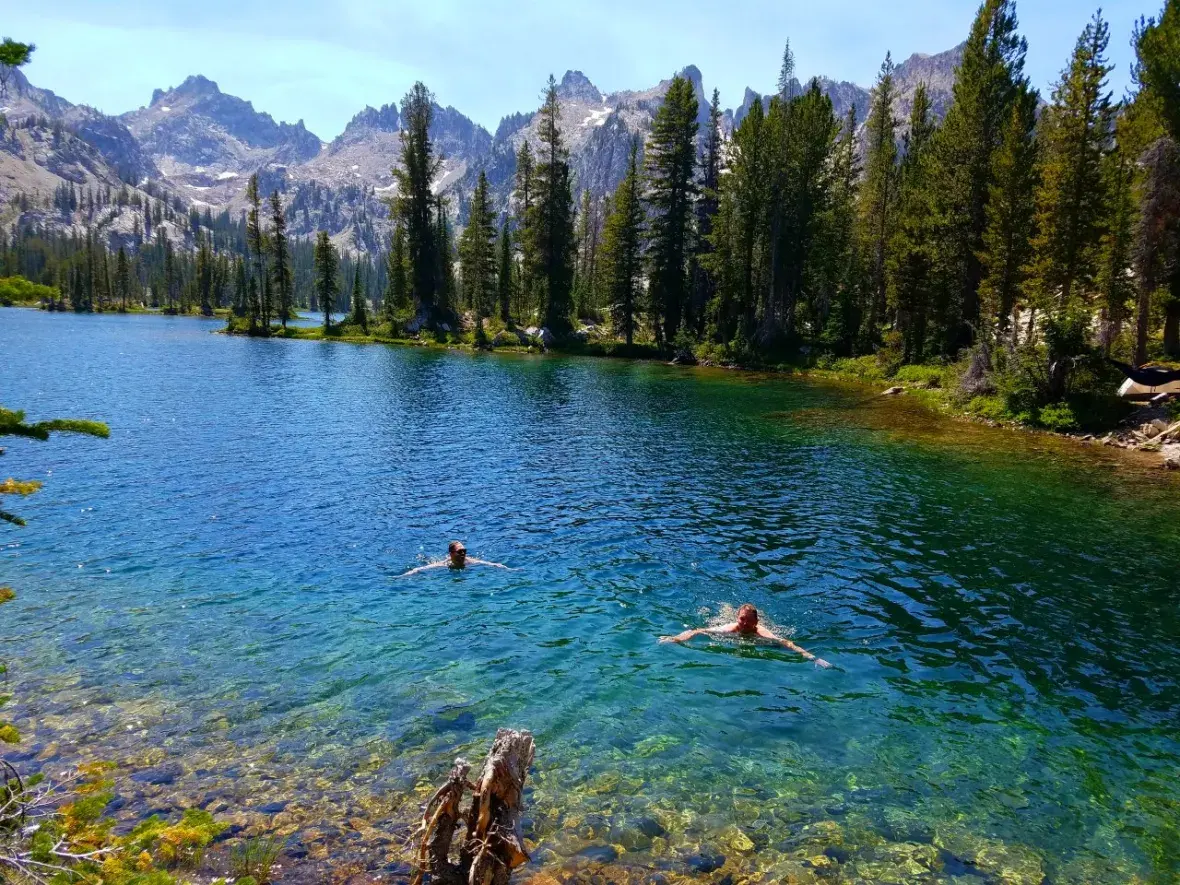
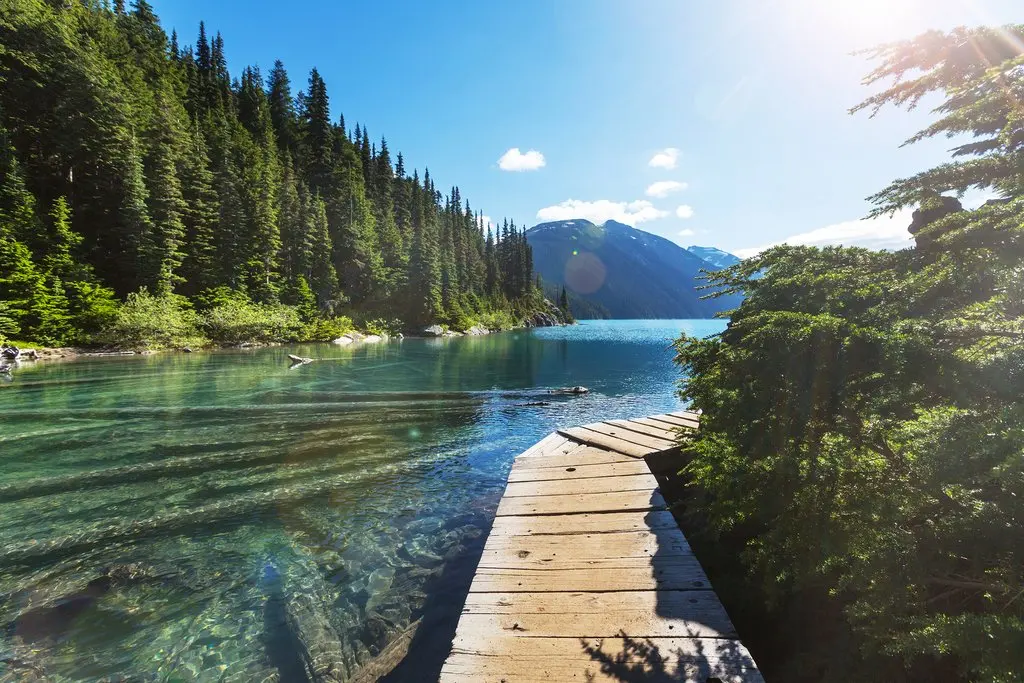
British Columbia’s geography is defined by the rugged Coast Mountains and the expansive Pacific Ocean. The province contains over 1,000 provincial parks and protected areas, covering more than 14 percent of its total landmass. This vast wilderness includes the Great Bear Rainforest, one of the largest intact temperate rainforests on Earth, which serves as a critical habitat for the rare white Kermode bear, also known as the Spirit bear.
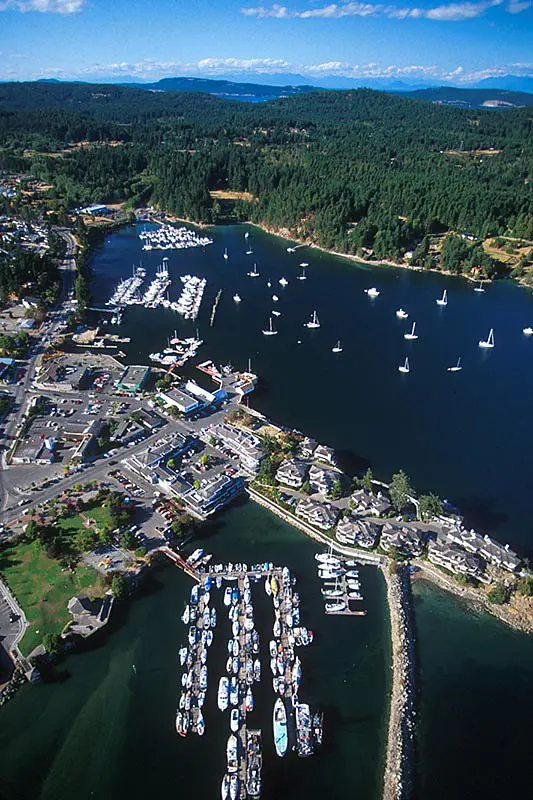
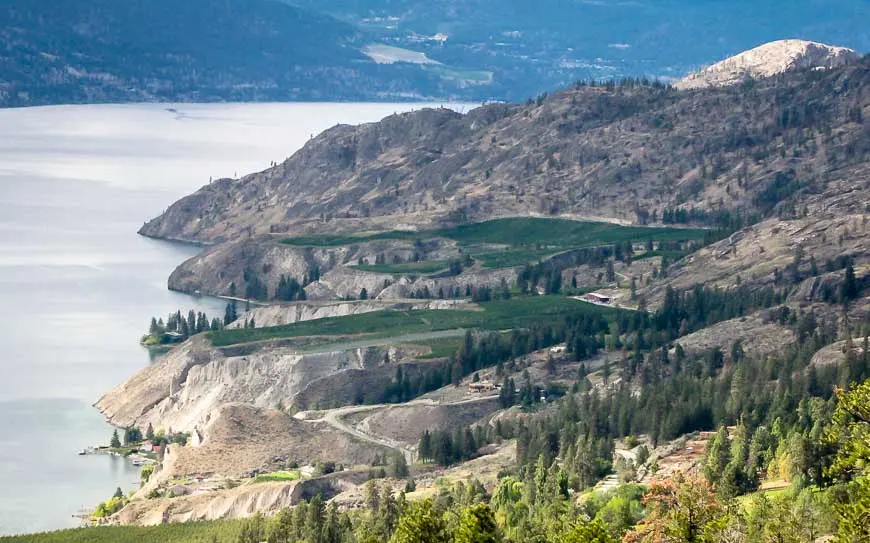
Beyond the forests, the province is home to diverse ecosystems ranging from arid grasslands in the interior to alpine tundra at higher elevations. The coastline stretches over 25,000 kilometers, characterized by deep fjords, thousands of islands, and temperate waters that support diverse marine life, including orcas and humpback whales. This ecological variety makes the region a primary destination for wildlife viewing and environmental research.
- The province features seven national parks, including Yoho and Glacier.
- It hosts the world’s largest population of grizzly bears.
- The climate varies significantly, with coastal regions experiencing mild, wet winters and interior regions seeing extreme seasonal temperature shifts.
Best outdoor activities for beginners
British Columbia is a playground for adventure seekers, but many activities are accessible to those without prior experience. The province maintains an extensive network of well-marked trails suitable for casual hikers, particularly in the lower mainland and near the resort town of Whistler. Guided tours are often the safest way to explore, as they provide necessary equipment and expert knowledge of local terrain and weather patterns.
For those interested in water sports, the calm inlets around Vancouver Island and the Sunshine Coast offer excellent opportunities for kayaking and paddleboarding. Beginners should prioritize areas with minimal boat traffic and clear signage. Always check local marine forecasts, as coastal conditions can change rapidly even on sunny days.
- Rent gear from local outfitters to avoid the cost of purchasing specialized equipment.
- Choose trails labeled as "easy" or "beginner" on official provincial park websites.
- Always tell someone your planned route and expected return time before heading into the backcountry.
- Pack the "Ten Essentials," including extra water, a navigation tool, and a first-aid kit.
How to plan a trip to Vancouver and Victoria
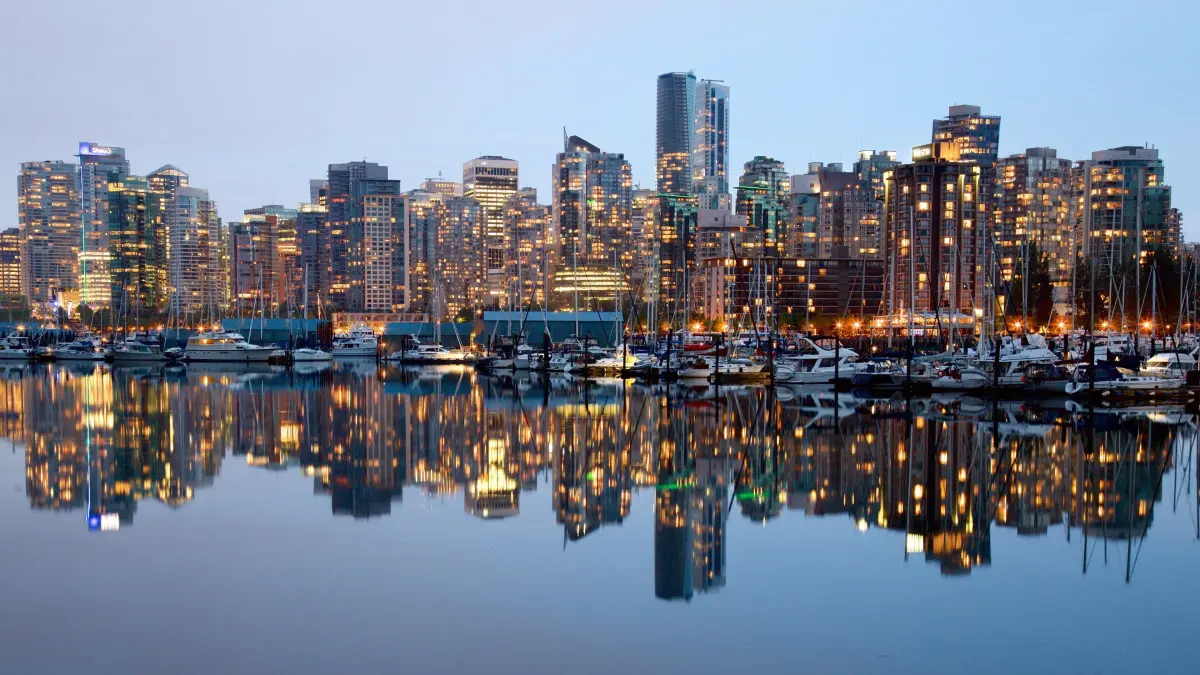
Vancouver and Victoria serve as the primary gateways for visitors. Vancouver is known for its high-density urban core surrounded by mountains and the 405-hectare Stanley Park. Victoria, located on the southern tip of Vancouver Island, offers a more historic atmosphere with its British colonial architecture, the famous Butchart Gardens, and the iconic Parliament Buildings overlooking the Inner Harbour.
Travelers should allocate at least three days for each city to experience the main attractions. Ferries operated by BC Ferries provide the primary link between the mainland and Vancouver Island, offering scenic views of the Gulf Islands. Booking ferry reservations in advance is essential during summer months and holiday weekends to avoid significant delays at the terminals.
- Visit the Capilano Suspension Bridge Park for a quintessential forest experience.
- Explore the Granville Island Public Market for local food and artisan crafts.
- Take a seaplane tour for an aerial view of the coastal geography.
- Walk the seawall in Vancouver, which spans nearly 9 kilometers along the waterfront.
Common mistakes when visiting British Columbia
A frequent error for visitors is underestimating the sheer size of the province. Spanning nearly 950,000 square kilometers, British Columbia is larger than many European countries. Attempting to drive from Vancouver to the northern reaches of the province or the remote Haida Gwaii archipelago requires extensive planning and multiple days of travel. Relying solely on public transit outside of major urban centers is often impractical.
Another common mistake is ignoring the importance of wildlife safety. Visitors often approach animals for photographs, which can be dangerous and disruptive to natural behaviors. It is crucial to carry bear spray in the backcountry and know how to use it. Additionally, failing to research seasonal road closures in mountain passes can lead to significant travel disruptions, especially between October and April when winter tires are mandatory on many highways.
- Never feed wildlife, as it habituates animals to humans and leads to potential conflicts.
- Do not assume cell service is available; download offline maps before leaving major towns.
- Avoid underestimating the intensity of mountain weather, which can bring snow even in summer months.
Why is British Columbia a film production hub?
British Columbia, specifically the Greater Vancouver area, is frequently referred to as "Hollywood North." The province offers a unique combination of diverse filming locations, ranging from urban cityscapes that can double for American cities to dense, ancient forests and rugged mountains. This versatility, combined with competitive tax incentives for production companies, has made it a preferred location for major motion pictures and television series.
The local film industry supports thousands of jobs, including highly skilled technicians, set designers, and actors. The presence of world-class post-production facilities ensures that projects can be completed entirely within the province. This economic sector has become a cornerstone of the regional identity, with many residents frequently spotting film crews in local neighborhoods. The province continues to invest in infrastructure to maintain its status as a leading global destination for creative media production.
Key facts
- British Columbia covers 944,735 square kilometers, making it Canada’s third-largest province by land area.
- The province is home to the Great Bear Rainforest, the world’s largest intact temperate rainforest.
- Vancouver, the province’s largest city, has been consistently ranked among the top five most livable cities globally.
- BC produces over 40% of Canada’s total softwood lumber exports, serving as a primary pillar of the provincial economy.
- To visit the remote Haida Gwaii archipelago, travelers should book ferry or flight tickets at least three months in advance during peak summer months.
- Avoid driving on mountain highways like the Coquihalla during winter without certified winter tires, as they are legally required from October 1 to April 30.
The bottom line
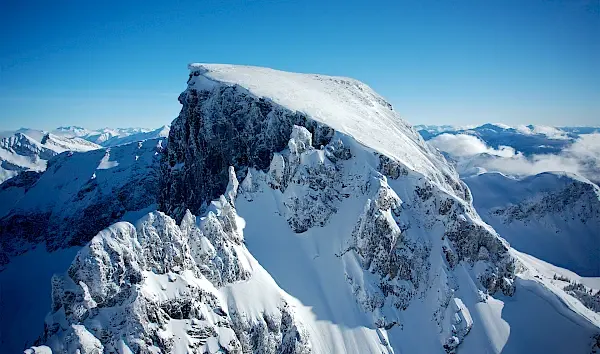
British Columbia is defined by its dramatic geography, ranging from the rugged Pacific coastline to the towering peaks of the Rocky Mountains. Whether you are exploring the urban sophistication of Vancouver or the untamed wilderness of the north, the province offers unparalleled outdoor recreation. By respecting local environmental regulations and preparing for variable weather, visitors can safely experience one of North America’s most diverse and scenic regions.
People also ask
What is the best time of year to visit British Columbia?
Summer, from July to August, offers the best weather for hiking and coastal exploration. If you prefer skiing or snowboarding, the peak season runs from December through March.
Is British Columbia expensive for tourists?
Yes, particularly in Vancouver and Whistler, where accommodation and dining costs are high. To save money, consider visiting during the shoulder seasons of May or September and utilizing public transit.
What is the provincial capital of British Columbia?
The capital is Victoria, located on the southern tip of Vancouver Island. It is famous for its British colonial architecture, the Butchart Gardens, and the historic Inner Harbour.
Are there dangerous animals in the wilderness?
Yes, the province is home to black bears, grizzly bears, and cougars. Always carry bear spray, hike in groups, and store food in bear-proof containers when camping.
Do I need a passport to enter British Columbia?
International visitors must present a valid passport to enter Canada. Citizens of some countries may also require an Electronic Travel Authorization or a temporary resident visa.
What is the primary industry in British Columbia?
The economy is diverse, with forestry, mining, tourism, and technology serving as major sectors. Film production has also surged, earning Vancouver the nickname "Hollywood North."
This answer was created with the help of AI research tools and reference sources. Spotted an error? Let us know — we correct mistakes quickly. See our editorial policy.