What is the provincial flower of British Columbia?
Short answer
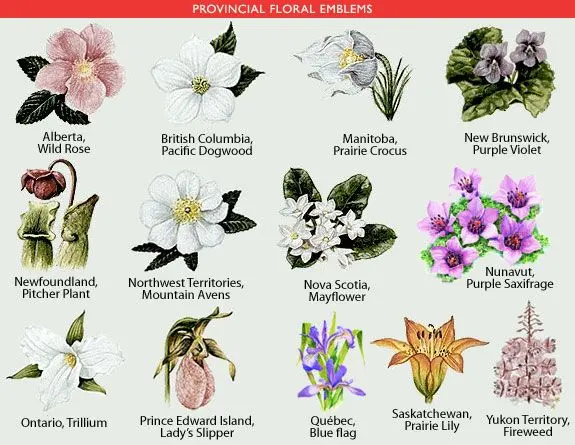
The Pacific dogwood, scientifically known as Cornus nuttallii, is the official provincial flower of British Columbia. Adopted in 1956, this deciduous tree is celebrated for its large, showy white bracts that resemble petals. It is a protected species in the province, symbolizing the natural beauty and ecological diversity of the Pacific coast.

On this page
What does the Pacific dogwood look like?
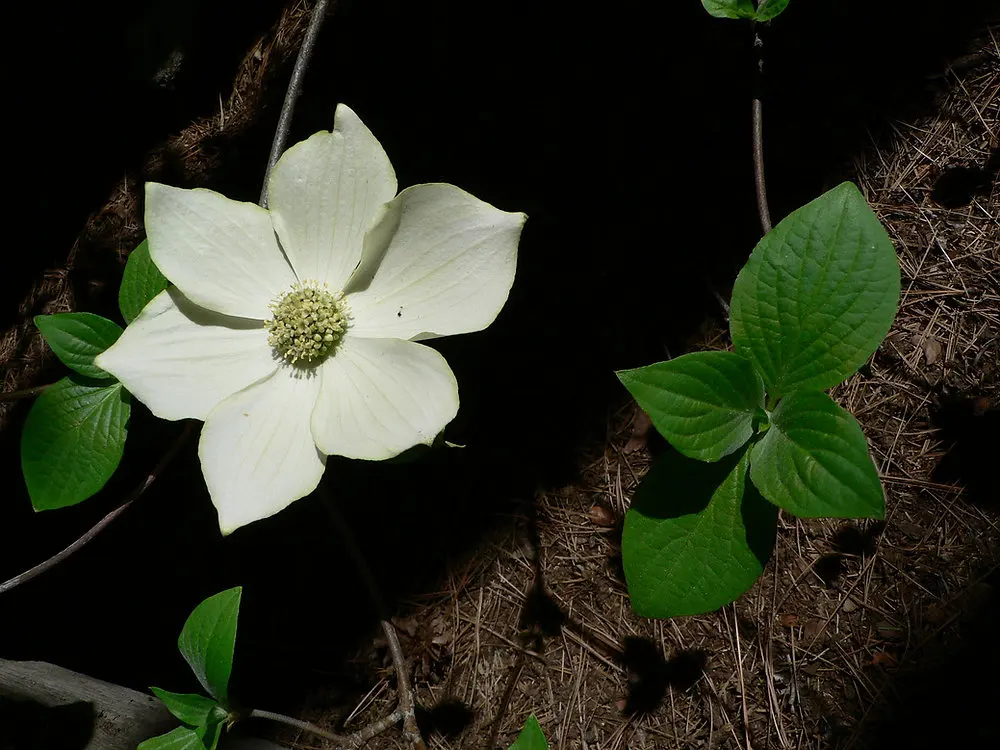
The Pacific dogwood is a stunning native tree that can reach heights of 10 to 20 meters in the wild. Its most recognizable feature is the floral display that appears in mid-spring, typically between April and June. What many people mistake for petals are actually four to seven white, leaf-like bracts surrounding a central cluster of tiny, inconspicuous greenish-yellow flowers.
Beyond its spring bloom, the tree offers year-round visual interest. In the autumn, the foliage turns vibrant shades of orange and red, while the branches produce clusters of bright red berries. These berries serve as a vital food source for various bird species, including band-tailed pigeons and varied thrushes. Its bark is smooth and grayish-brown, providing a clean aesthetic that complements its elegant, spreading canopy.
How to identify the Pacific dogwood in nature
Identifying this species requires looking at both the leaves and the overall structure of the tree. The leaves are simple, oval-shaped, and arranged oppositely along the branches, featuring distinct, deeply impressed veins. When walking through the coastal forests of British Columbia, you can distinguish it from other dogwood varieties by the size and shape of its bracts.
- Locate the tree in well-drained, slightly acidic soil, often found on the edges of coniferous forests.
- Observe the bracts; they are usually 5 to 8 centimeters long and have a notched tip.
- Check the leaf arrangement to ensure the veins curve toward the leaf tip, which is a hallmark of the Cornus genus.
- Note the presence of small, red, berry-like fruits in the late summer or early fall.
Why is the Pacific dogwood protected in British Columbia?
The Pacific dogwood has been a protected species in British Columbia since 1956, the same year it was officially designated as the provincial emblem. This legal protection was enacted to prevent the over-harvesting of the tree, which was once frequently cut for its ornamental value. By law, it is prohibited to pick, damage, or remove the flowers or branches from trees growing on public lands.
Conservationists emphasize that the tree is susceptible to a fungal disease known as dogwood anthracnose. This condition causes leaf spots and twig dieback, which can eventually kill the tree if left untreated. Protecting the species involves maintaining a healthy forest ecosystem and preventing the spread of spores through human activity. Visitors are encouraged to admire the flowers from a distance to ensure they remain undisturbed for future generations.
How to grow Pacific dogwood in your garden
Cultivating the Pacific dogwood in a home garden can be challenging because it requires specific environmental conditions to thrive. It prefers a location with partial shade, particularly protection from the intense afternoon sun. The soil must be rich in organic matter and possess excellent drainage, as the roots are highly sensitive to waterlogging and soil compaction.
- Choose a planting site that mimics the forest floor with cool, moist soil.
- Avoid planting in areas where the soil remains saturated during the winter months.
- Apply a layer of organic mulch around the base to maintain consistent soil moisture.
- Monitor the tree regularly for signs of fungal infections or leaf discoloration.
- Prune only when necessary to remove dead or diseased wood, ideally during the dormant season.
Common mistakes when caring for Pacific dogwood
One of the most frequent errors gardeners make is overwatering, which quickly leads to root rot. Because the tree is adapted to the well-drained slopes of the Pacific Northwest, it cannot tolerate "wet feet." Another common mistake is planting the tree in full, scorching sun, which causes the leaves to scorch and the bracts to wither prematurely. Always ensure the tree has adequate airflow to reduce the humidity around the leaves, which helps prevent fungal growth.
Avoid fertilizing the tree with high-nitrogen products, as this promotes rapid, weak growth that is more susceptible to disease. Instead, focus on building soil health through natural compost applications. If you notice dark spots on the leaves or branches, do not ignore them; prune the affected areas immediately and dispose of the clippings in the trash rather than the compost pile to stop the spread of potential pathogens. By providing the right balance of shade and drainage, you can successfully maintain this iconic tree in a residential landscape.
Key facts
- The Pacific dogwood (Cornus nuttallii) is the official floral emblem of British Columbia.
- It was officially adopted as the provincial flower on February 18, 1956.
- The tree typically grows between 10 and 20 meters tall in the wild.
- It is protected by the Dogwood Protection Act, which prohibits picking or damaging the flowers on public or private land.
- The "petals" are actually white, leaf-like structures called bracts that surround a cluster of tiny, inconspicuous flowers.
- You can identify the tree by its distinctive oval leaves with prominent veins and its bright red, berry-like fruit in the autumn.
The bottom line
The Pacific dogwood, designated in 1956, serves as a protected symbol of British Columbia’s natural heritage. These trees are celebrated for their large, white spring bracts, though they require careful maintenance to thrive in residential settings. By respecting the provincial protection laws and ensuring proper soil conditions, gardeners can successfully cultivate this iconic species while helping to preserve the province's unique botanical identity for future generations.
People also ask
Can I plant a Pacific dogwood in my home garden?
Yes, you can plant them, but they require specific conditions like well-drained, acidic soil and partial shade. Avoid planting them in areas with poor drainage, as they are highly susceptible to dogwood anthracnose, a fungal disease that can kill the tree.
Why is the Pacific dogwood protected by law?
The provincial government introduced legal protections to prevent the over-harvesting of the tree by the public. Because the flowers are visually striking, people frequently picked branches, which caused long-term damage to the health and growth of the trees.
Does the Pacific dogwood bloom all year?
No, the tree typically blooms in the spring, usually between April and June. After the blooming period, the tree produces green foliage and eventually develops red fruit clusters that attract local birds.
Are there other types of dogwood trees in British Columbia?
Yes, the province is also home to the bunchberry or dwarf dogwood, which is a low-growing ground cover. While they share the same genus, the Pacific dogwood is the only one designated as the provincial floral emblem.
How can I tell if my dogwood tree is sick?
Look for dark spots on the leaves or sunken lesions on the branches, which are common signs of fungal infection. If you notice these symptoms, prune the affected branches during dry weather and dispose of them in the trash rather than composting.
Is the Pacific dogwood found outside of British Columbia?
Yes, its natural range extends down the Pacific Coast of North America, including Washington, Oregon, Idaho, and parts of California. However, it is most iconic as a symbol of the temperate rainforests found in British Columbia.
This answer was created with the help of AI research tools and reference sources. Spotted an error? Let us know — we correct mistakes quickly. See our editorial policy.