Why is Vancouver called Raincouver?
Short answer
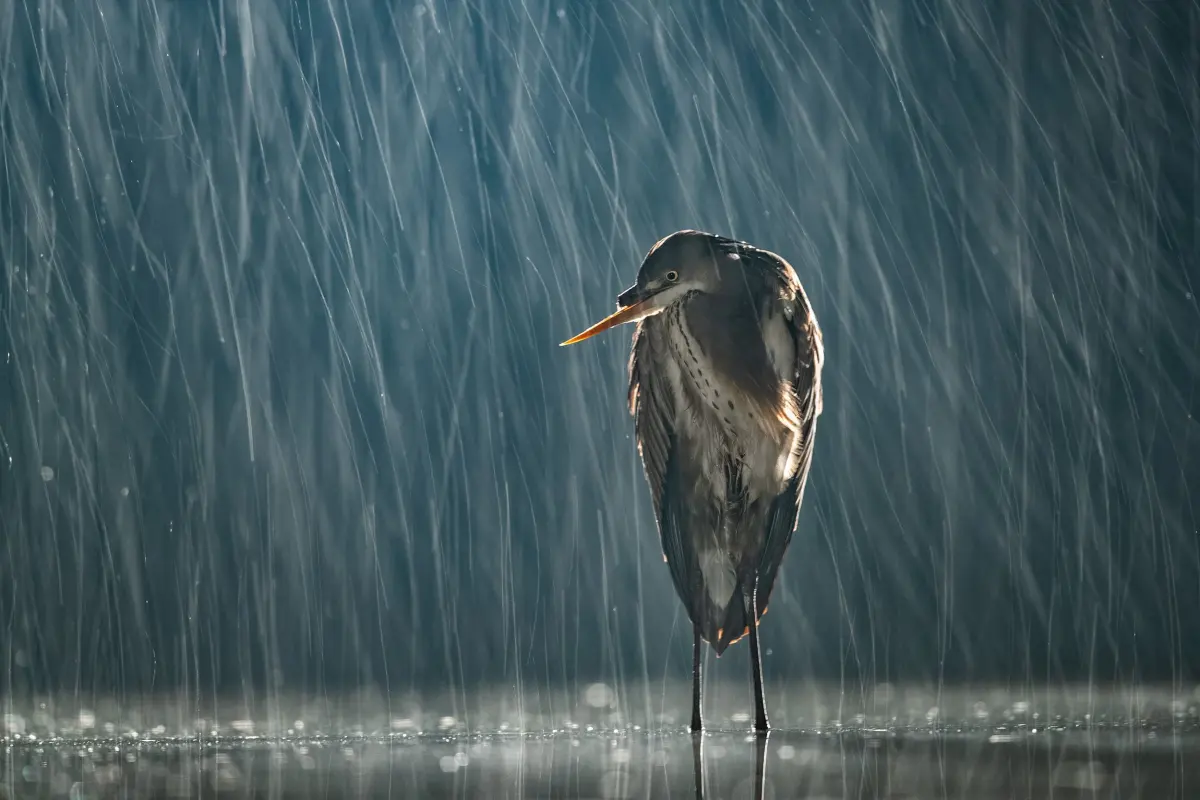
Vancouver is nicknamed "Raincouver" due to its notorious reputation for persistent autumn and winter precipitation. Located in a temperate rainforest zone, the city experiences frequent, light drizzle and overcast skies for months. This moniker reflects the cultural reality of living in a region where rainfall is a defining seasonal characteristic.
On this page
Why does it rain so much in Vancouver?
The phenomenon behind "Raincouver" is primarily driven by the city’s unique geography and atmospheric patterns. Vancouver sits between the Pacific Ocean and the North Shore Mountains, creating a "rain shadow" effect that traps moisture. As moisture-laden air masses move inland from the Pacific, they are forced upward by the coastal mountains. This process, known as orographic lift, causes the air to cool and condense, resulting in frequent, steady precipitation.
Because the region is classified as a temperate rainforest, the ecosystem relies on this consistent moisture to maintain its lush, verdant landscape. While the city does not always experience the highest total volume of rainfall in Canada, it holds a high frequency of "rain days." From October through April, low-pressure systems frequently stall over the coast, leading to weeks of gray skies and persistent drizzle that characterize the local climate.
How much rain does Vancouver actually get?
Quantifying the rainfall helps differentiate between the city's reputation and its meteorological reality. On average, Vancouver International Airport records approximately 1,150 to 1,200 millimeters of precipitation annually. While this is significant, it is notably lower than other coastal cities like New York or Miami, which receive more intense, shorter-duration storms. The "Raincouver" experience is defined more by the duration of the rainy season than the total intensity of the storms.
To understand the seasonal distribution, consider these typical metrics:
- November and December are consistently the wettest months, often seeing over 180 millimeters of rain each.
- The city averages roughly 160 to 190 days of measurable precipitation per year.
- Summer months, particularly July and August, are remarkably dry, often receiving less than 40 millimeters of rain combined.
Understanding these numbers helps residents prepare for the distinct shift between the wet, dark winters and the sun-drenched, dry summers that define the Pacific Northwest experience.
Best gear for surviving the rainy season
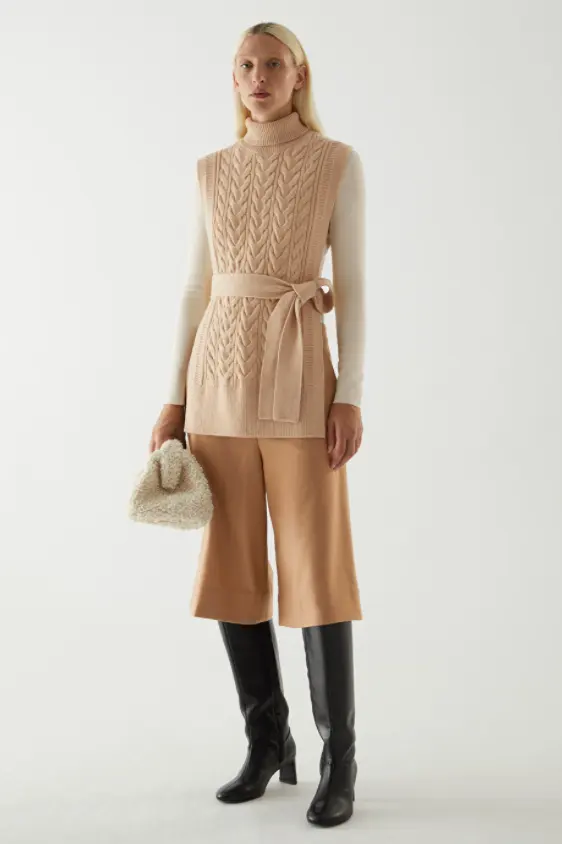
Navigating the damp climate requires a practical approach to clothing and equipment. Locals prioritize functionality over fashion, opting for high-quality synthetic materials that provide a barrier against the elements. The goal is to remain dry while maintaining breathability, as the humidity can make heavy, non-breathable fabrics feel clammy and uncomfortable during long walks or commutes.
When building a reliable "Raincouver" wardrobe, follow these essential steps:
- Invest in a high-quality, seam-sealed waterproof shell jacket with a hood.
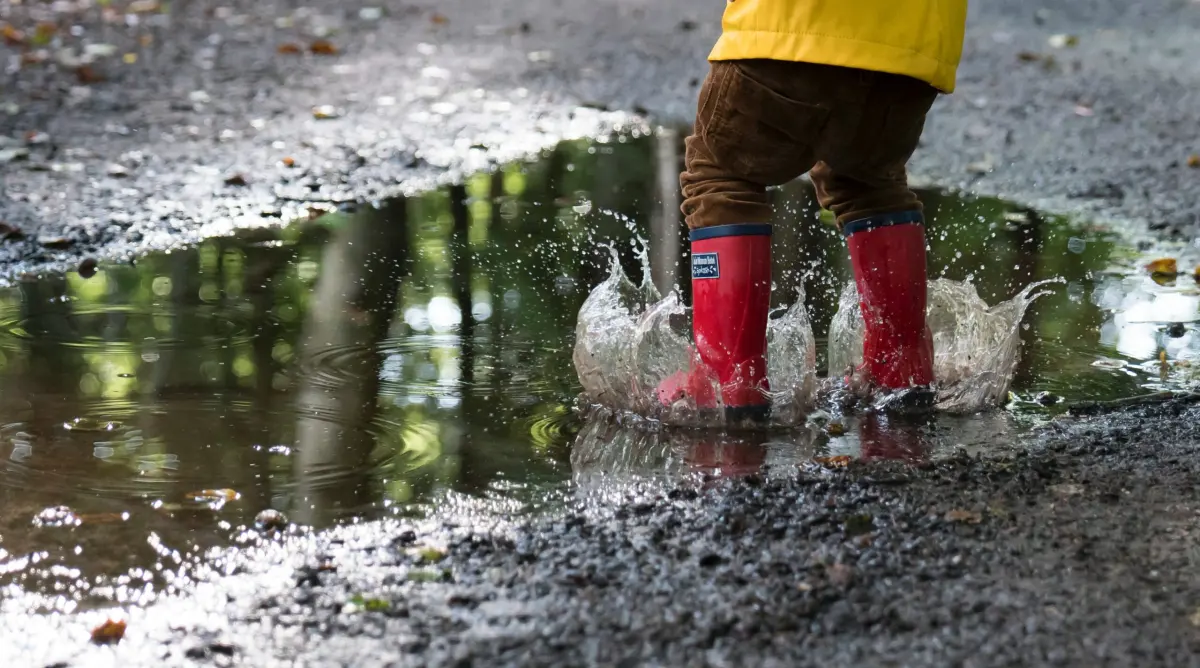
- Choose footwear with waterproof membranes, such as Gore-Tex, to keep feet dry during urban commutes.
- Use an umbrella for light drizzle, but rely on a technical rain jacket for windier, heavier storms.
- Opt for moisture-wicking base layers made of wool or synthetic blends rather than cotton, which absorbs moisture and stays cold.
By focusing on layering, you can easily adjust your temperature as you move between the chilly, damp outdoors and the heated interiors of offices or cafes.
Common mistakes when visiting Vancouver in winter
Many visitors underestimate the persistence of the rain and fail to plan accordingly, which can dampen the enjoyment of a trip. One frequent error is assuming that the rain will stop after a few hours, leading to a lack of proper preparation for a full day of sightseeing. Another mistake is neglecting the importance of visibility; because the city is often dark and gray, wearing dark clothing can make pedestrians difficult to see for drivers during evening hours.
Avoid these common pitfalls to ensure a smoother experience:
- Do not rely solely on cotton clothing, as it becomes heavy and cold when wet.
- Avoid wearing suede or delicate leather shoes that will be ruined by constant exposure to moisture.
- Do not skip outdoor activities; many local attractions, such as Stanley Park or the Capilano Suspension Bridge, are arguably more atmospheric and less crowded during light rain.
- Failing to check local weather apps, which are highly accurate, can result in being caught unprepared for sudden shifts in intensity.
How to enjoy the city during the rainy months
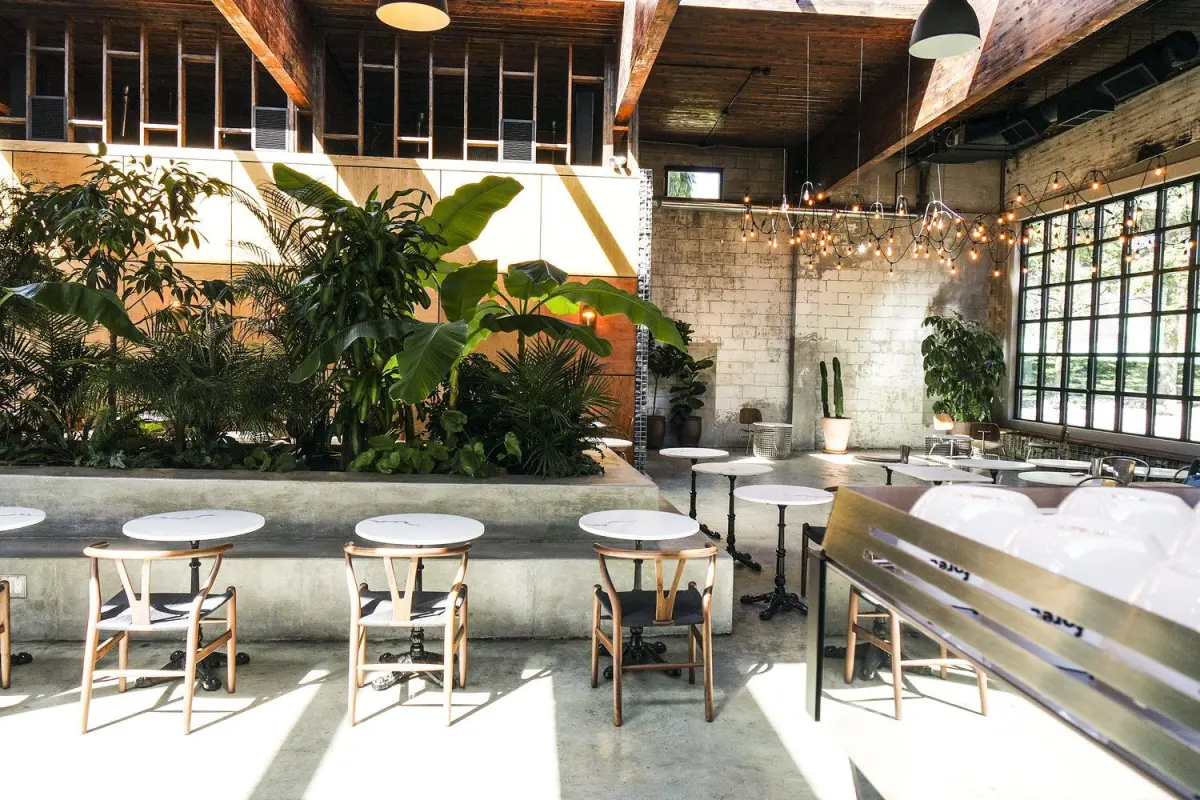
The "Raincouver" label does not mean the city shuts down; instead, it shifts toward a cozy, indoor-oriented culture. Vancouverites embrace the "hygge" lifestyle, utilizing the city's extensive network of independent coffee shops, bookstores, and world-class museums. When the weather is particularly inclement, the city offers a variety of sheltered experiences that allow you to explore the local culture without needing to brave the elements for extended periods.
For a productive and enjoyable rainy day, consider visiting the Vancouver Art Gallery or the Museum of Anthropology, both of which provide extensive indoor exhibits. Alternatively, explore the Granville Island Public Market, where you can browse local crafts and food stalls while staying completely covered. By embracing the rain as a natural part of the coastal aesthetic rather than an obstacle, you can appreciate the moody, mist-covered mountain views that make Vancouver one of the most uniquely beautiful cities in North America during the winter months.
Key facts
- Vancouver receives an average of 1,189 millimeters (46.8 inches) of precipitation annually.
- The city experiences approximately 165 days of measurable precipitation per year, mostly between October and April.
- The nickname "Raincouver" is a colloquialism used by locals to describe the persistent, grey drizzle characteristic of the Pacific Northwest winter.
- Geography plays a major role, as the North Shore Mountains force moist Pacific air upward, causing it to cool and condense into frequent rainfall.
- Investing in high-quality, breathable waterproof gear—rather than just an umbrella—is the most practical way to navigate the city’s wet season.
- Avoid wearing cotton clothing during winter walks, as it retains moisture and loses insulation, leading to discomfort in damp conditions.
The bottom line
Vancouver’s nickname reflects its unique geography, where coastal mountains trap moisture from the Pacific, creating a long, damp winter season. While the persistent grey skies can be challenging, the rain is essential to maintaining the region’s iconic natural beauty. For visitors and residents, the key to enjoying the city is simply embracing the climate with proper waterproof gear and a flexible, outdoor-oriented mindset.
People also ask
Does it rain every single day in Vancouver during the winter?
While the city has a reputation for constant rain, it rarely rains 24 hours a day. The weather often shifts between heavy downpours, light mist, and occasional sunny breaks throughout the week.
Is the rain in Vancouver considered dangerous or severe?
Most of the precipitation in Vancouver is a light, steady drizzle rather than violent storms. While flooding can occur in low-lying areas during extreme atmospheric river events, typical daily rain is manageable with standard outdoor clothing.
What is the best month to visit Vancouver to avoid the rain?
July and August are the driest and sunniest months in the city, offering ideal conditions for hiking and outdoor activities. These months typically see very low precipitation levels compared to the rest of the year.
How do locals cope with the long, dark, and rainy winters?
Many residents embrace the "West Coast lifestyle," which involves staying active outdoors regardless of the weather. Indoor amenities like community centers, museums, and coffee shops also serve as popular retreats during the wettest months.
Does Vancouver get snow in the city center?
Snow is relatively infrequent in downtown Vancouver due to the moderating influence of the Pacific Ocean. When it does snow, it usually melts quickly, though the nearby mountains receive significant snowfall for winter sports.
Why do people still choose to live in Vancouver despite the high rainfall?
The rain is responsible for the region's lush, green temperate rainforest environment. Residents value the mild temperatures, proximity to both ocean and mountains, and the vibrant urban culture that thrives year-round.
This answer was created with the help of AI research tools and reference sources. Spotted an error? Let us know — we correct mistakes quickly. See our editorial policy.