What is the rainiest month in Vancouver?
Short answer
November is statistically the rainiest month in Vancouver, British Columbia. During this period, the city experiences its highest average monthly precipitation, often exceeding 190 millimeters. While the entire autumn and winter season remains wet, November consistently records the most significant rainfall totals, marking the heart of the region's notoriously damp, gray weather cycle.
On this page
Why does it rain so much in Vancouver?
Vancouver’s climate is defined by its position along the Pacific coast and its proximity to the North Shore Mountains. The city experiences a temperate rainforest climate, characterized by the frequent arrival of moisture-laden air masses from the Pacific Ocean. As these maritime air masses move inland, they encounter the coastal mountains, forcing the air to rise and cool. This process, known as orographic lift, causes the water vapor to condense into clouds and fall as heavy, persistent rain.
This phenomenon is most pronounced during the cooler months when atmospheric pressure systems shift. The Aleutian Low, a semi-permanent low-pressure system, intensifies during late autumn and winter, directing a series of frontal systems toward the British Columbia coast. These systems bring sustained periods of precipitation rather than brief, intense storms. Consequently, Vancouver experiences a high number of "rain days" throughout November, where light to moderate drizzle can persist for several consecutive days, contributing to the high monthly accumulation totals.
How to prepare for Vancouver’s wettest month
Visiting or living in Vancouver during November requires a strategic approach to clothing and gear to remain comfortable. The local weather is rarely characterized by torrential downpours that require heavy-duty storm gear; instead, it is defined by a constant, pervasive dampness. Residents prioritize functional, waterproof layers that allow for breathability while navigating the urban environment.
To effectively manage the weather, consider the following essentials:
- A high-quality, breathable waterproof shell jacket with a hood.
- Waterproof footwear, such as rubber boots or treated leather shoes, to handle puddles.
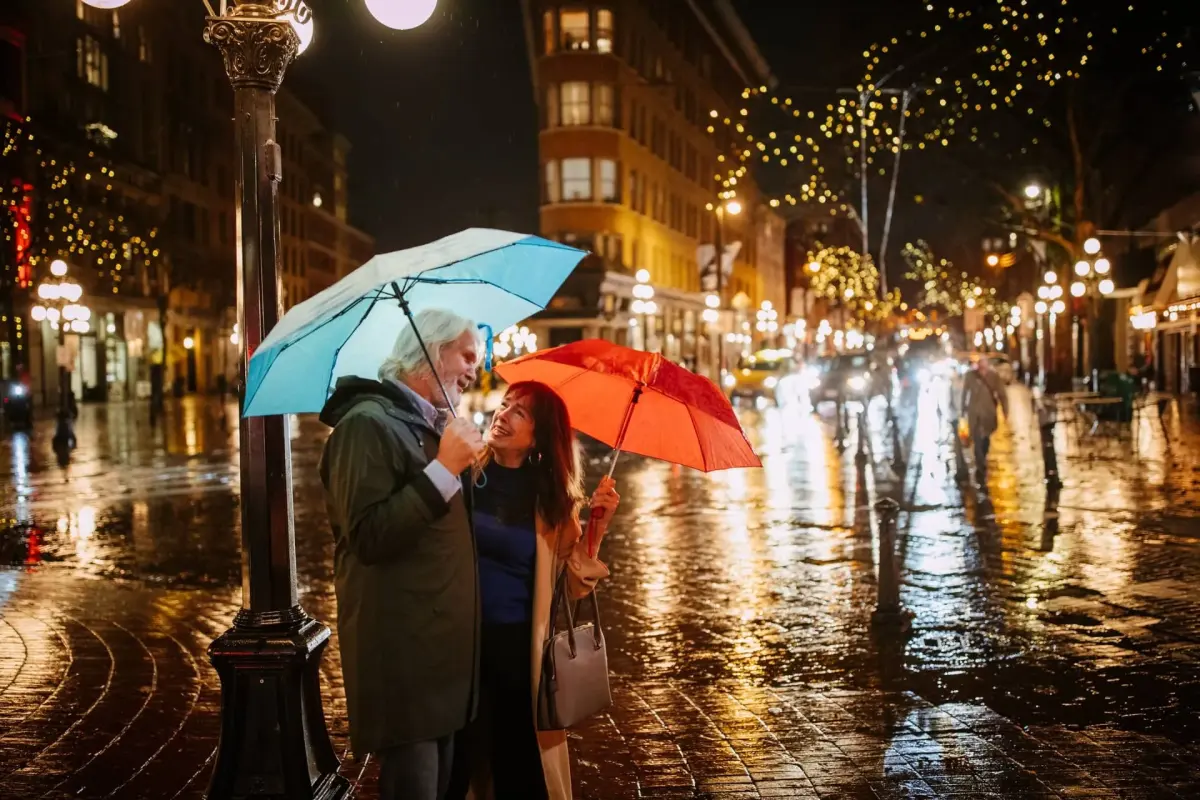
- A compact, sturdy umbrella for short commutes between buildings or transit stops.
- Synthetic or wool base layers that retain warmth even when slightly damp.
- A dry bag or waterproof cover for your backpack or electronic devices.
By investing in these items, you can maintain your daily routine without the discomfort of soaked clothing or ruined equipment. Focus on layering, as temperatures can fluctuate during the day, even when the rain remains constant.
Best places to visit when it rains
While November is the rainiest month, it does not mean the city shuts down. Vancouver offers numerous indoor attractions that allow you to enjoy the culture and history of the region while staying perfectly dry. Many of these locations are easily accessible via the public transit network, which is highly efficient even during inclement weather.
- Visit the Vancouver Art Gallery to explore rotating exhibitions of contemporary and historical works.
- Spend an afternoon at Science World, which offers interactive exhibits perfect for families and curious adults.
- Explore the Bloedel Conservatory in Queen Elizabeth Park, a climate-controlled dome housing exotic plants and birds.
- Tour the Vancouver Public Library’s Central Branch, an architectural landmark with quiet reading spaces and extensive collections.
- Indulge in the city’s renowned culinary scene by visiting the Granville Island Public Market’s indoor food halls.
These indoor venues provide a meaningful way to experience the city's vibrant character without needing to worry about the persistent drizzle outside.
Common mistakes when visiting in November
The most frequent error travelers make is underestimating the psychological impact of the "gray season." While the rainfall is manageable, the lack of direct sunlight can be draining for those accustomed to brighter climates. Many visitors make the mistake of packing bulky, non-breathable rain gear that makes them sweat during short walks, leading to discomfort once they step indoors.
Another common oversight is failing to check the local weather forecasts for the North Shore Mountains. While it may be raining in the city, the higher elevations often receive significant snowfall during November. If you plan to visit local ski resorts or hiking trails, you must be prepared for winter conditions, including icy roads and freezing temperatures. Finally, avoid the mistake of assuming all outdoor activities are impossible; many locals continue to cycle and walk throughout the month, provided they have the correct equipment. Always prioritize visibility, as the combination of rain and early sunsets makes pedestrians harder to see for drivers.
How to track rainfall patterns in Vancouver
Understanding the nuances of Vancouver’s weather requires looking at historical data and seasonal trends. Environment Canada provides detailed climate normals that help residents and visitors anticipate what to expect throughout the year. November consistently leads the statistics, but October and December are also significantly wet, creating a three-month window where precipitation is the norm rather than the exception.
To monitor conditions effectively, use these resources:
- Environment Canada’s local weather office website for real-time alerts and forecasts.
- The "WeatherCAN" mobile application for push notifications regarding heavy rainfall warnings.
- Local news outlets that provide specialized reports on coastal storm surges and wind events.
By paying attention to these tools, you can plan your week to take advantage of the occasional "sun breaks" that occur between frontal systems. Even in the rainiest month, the clouds occasionally part, offering stunning, crisp views of the snow-capped mountains surrounding the city. Monitoring these patterns allows you to embrace the unique atmosphere of the Pacific Northwest during its most dramatic, rain-drenched season.
Key facts
- November is statistically the rainiest month in Vancouver, averaging approximately 189 millimeters of precipitation.
- Vancouver experiences a temperate rainforest climate, meaning the wet season typically spans from October through March.
- Rainfall is measured at Vancouver International Airport, which serves as the official weather station for the region.
- While November sees the highest volume, December and January often record the highest number of rainy days.
- Pack a high-quality, waterproof shell jacket rather than an umbrella, as strong winds often render umbrellas ineffective.
- Footwear with waterproof membranes, such as Gore-Tex, is essential for navigating city streets during the peak winter months.
The bottom line
November holds the title for Vancouver’s rainiest month, delivering the highest volume of precipitation throughout the year. Visitors should prepare for consistent dampness and overcast skies by prioritizing high-quality waterproof gear over umbrellas. While the rain is rarely torrential, its frequency requires practical planning. Embracing the city’s temperate rainforest climate allows you to enjoy the vibrant scenery that thrives under these wet, winter conditions.
People also ask
Does it rain every day in Vancouver during November?
While November is the wettest month, it does not rain every single day. You can expect frequent overcast skies and persistent drizzle, but there are often breaks in the weather between passing storm systems.
Is Vancouver's rain heavy or light?
Vancouver rain is typically characterized by long periods of light to moderate drizzle rather than intense, tropical downpours. This steady precipitation is what contributes to the city's lush, green landscape throughout the year.
When is the best time to visit if I want to avoid rain?
The driest months in Vancouver are July and August. During this period, the city experiences high pressure systems that bring warm temperatures and minimal rainfall.
Why is Vancouver so rainy in the winter?
The city's location between the Pacific Ocean and the Coast Mountains creates an orographic effect. Moist air from the ocean is forced upward by the mountains, cooling the air and causing it to release moisture as rain.
Does it snow in Vancouver during the wettest months?
Snow is possible in November, December, and January, but it is less common than rain at sea level. Vancouver's proximity to the ocean keeps temperatures mild enough that most winter precipitation falls as rain.
Should I bring waterproof pants for a trip to Vancouver?
Waterproof pants are highly recommended if you plan on hiking or spending extended time outdoors. For casual city sightseeing, a long, water-resistant coat is usually sufficient to keep you dry.
This answer was created with the help of AI research tools and reference sources. Spotted an error? Let us know — we correct mistakes quickly. See our editorial policy.