What is the warmest month in Vancouver?
Short answer
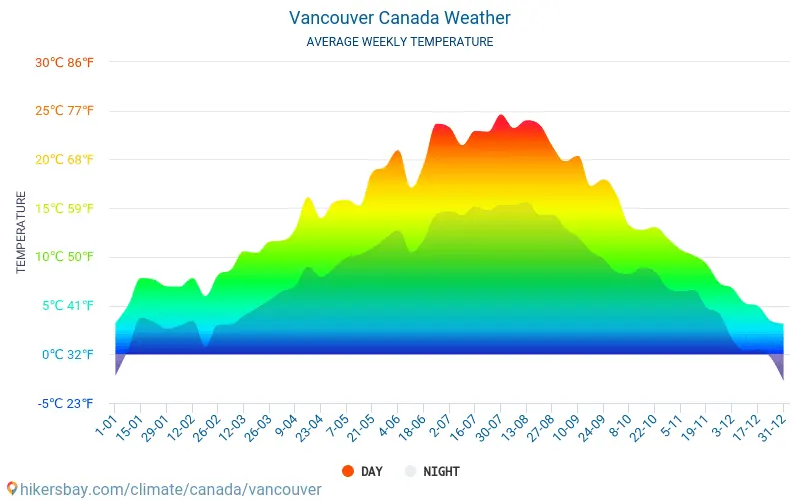
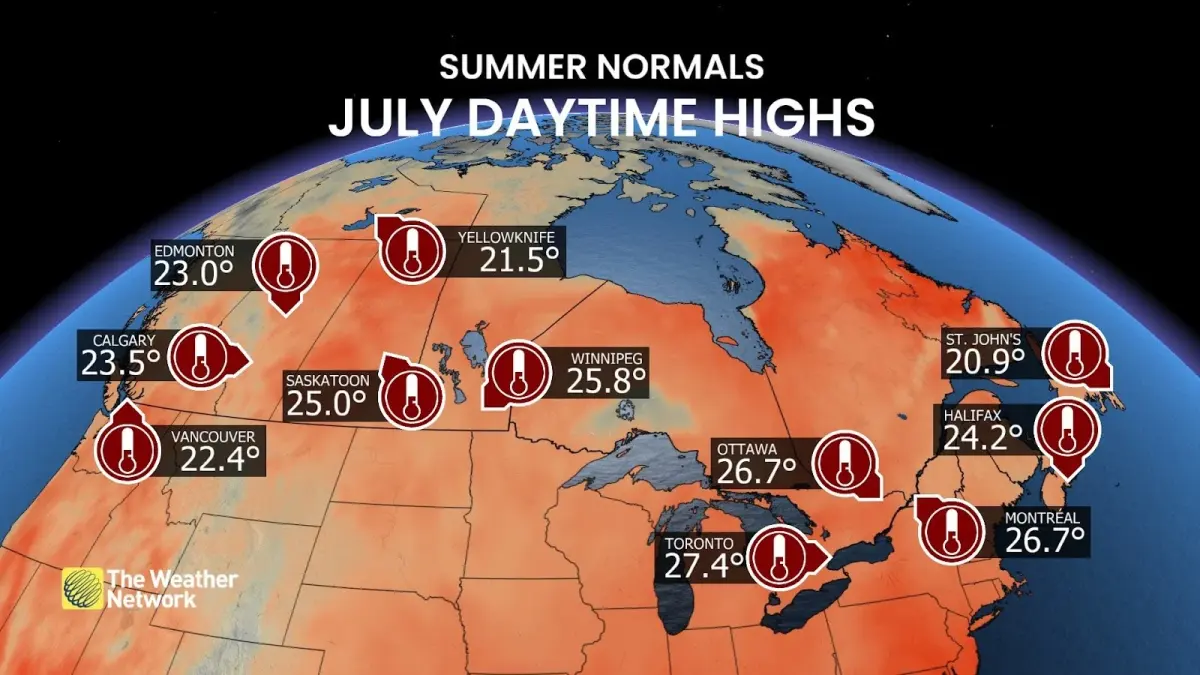
August is officially the warmest month in Vancouver, British Columbia. During this time, the city experiences its highest average daily temperatures, typically reaching highs of 22°C (72°F). While July is nearly identical in warmth, August consistently records the peak of the summer heat, offering the most reliable sunshine for outdoor activities.
On this page
Why is August the warmest month in Vancouver?
The peak heat in Vancouver occurs in August due to a combination of seasonal solar intensity and the moderating influence of the Pacific Ocean. While the summer solstice occurs in June, the thermal inertia of the ocean means that coastal waters take several weeks to reach their maximum temperature. This delayed heating effect creates a lag, pushing the warmest air temperatures into August.
Additionally, Vancouver often experiences high-pressure ridges during this month. These weather systems block incoming moisture from the Pacific, resulting in clear skies and prolonged periods of sunshine. This lack of cloud cover allows for maximum solar radiation absorption, which warms the land surface and the surrounding air. Consequently, residents and visitors enjoy the most stable and hot weather conditions of the entire year during this specific window.
What is the temperature like in Vancouver during summer?
Temperatures in Vancouver during the summer months are generally mild to warm rather than sweltering. While August is the warmest month, it rarely reaches extreme heat levels compared to inland regions of British Columbia. The coastal breeze acts as a natural air conditioner, preventing the city from experiencing the intense, sustained heat waves common in the interior.
- Average daily high: 22°C (72°F)
- Average daily low: 13°C (55°F)
- Record highs: Occasionally reach 30°C (86°F) or higher during heat events.
Visitors should note that while the daytime is pleasant, the evenings often cool down significantly. The proximity to the mountains and the ocean ensures that even after the hottest days, the nights remain comfortable for sleeping. Packing layers is essential for anyone traveling to the region during the peak summer season.
Best ways to enjoy Vancouver in the summer
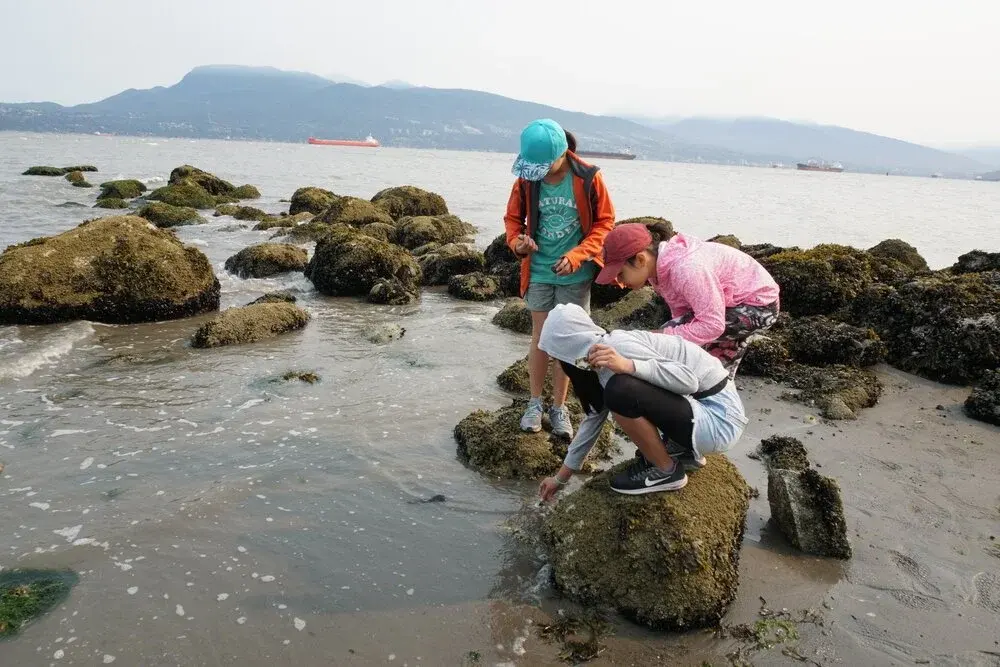
August is the ideal time to explore the city's extensive outdoor offerings. With minimal rainfall and long daylight hours, the city is perfectly suited for active recreation and sightseeing. Many locals and tourists take advantage of the warm weather to visit the various beaches and parks that define the Vancouver landscape.
- Visit Stanley Park for a bike ride along the Seawall to enjoy the ocean breeze.
- Spend an afternoon at Kitsilano Beach, which features a large saltwater pool.
- Take a ferry to Granville Island to browse the public market and enjoy outdoor dining.
- Hike the Grouse Grind for a challenging workout with rewarding panoramic views of the city.
Because August is the peak of the tourist season, popular attractions can become quite crowded. Planning your visits for early morning or late afternoon can help you avoid the largest crowds and the most intense midday sun.
Common mistakes when visiting Vancouver in August
One of the most frequent errors visitors make is assuming that Vancouver will be hot and humid like other North American cities. Because of the low humidity, the air feels crisp and comfortable, which can lead to accidental sunburns. Many people underestimate the strength of the sun at this latitude and fail to apply adequate sun protection.
Another common mistake is failing to book accommodations or restaurant reservations well in advance. August is the busiest month for tourism in British Columbia, and popular hotels and dining spots often reach capacity weeks ahead of time. Additionally, travelers often forget that the ocean water remains quite cold even in the height of summer. Expecting a warm tropical swim can lead to a chilly surprise, as the Pacific waters around Vancouver rarely exceed 18°C (64°F) even in late August.
How to prepare for the weather in Vancouver
Preparing for a trip to Vancouver in August requires a balance between summer attire and practical gear for cooler moments. While you will certainly need shorts and t-shirts for the sunny afternoons, you should never travel without a light jacket or a sweater. The temperature drop after sunset can be sharp, especially near the water.
- Bring high-quality sunscreen and sunglasses to protect against strong UV rays.
- Pack comfortable walking shoes for exploring the city's diverse neighborhoods.
- Include a light, water-resistant outer layer in case of unexpected coastal showers.
- Carry a reusable water bottle to stay hydrated during long days of outdoor exploration.
By following these simple preparations, you will be well-equipped to enjoy the best weather Vancouver has to offer. Whether you are hiking the coastal trails or enjoying the vibrant downtown atmosphere, August provides the most consistent and enjoyable climate for experiencing the natural beauty of the Pacific Northwest.
Key facts
- August is officially the warmest month in Vancouver, British Columbia, with average daily highs reaching approximately 22°C (72°F).
- July is a very close second, often recording nearly identical temperature averages to August.
- The city experiences a temperate marine climate, meaning extreme heat waves are rare compared to inland regions.
- Evening temperatures in the warmest months typically drop to around 13°C (55°F), necessitating a light jacket for outdoor activities.
- Humidity levels remain relatively low during the peak summer months, making the heat feel comfortable rather than oppressive.
- Avoid booking travel expecting tropical heat; Vancouver summers are mild, and visitors should always pack layers for unpredictable coastal breezes.
The bottom line
August is the warmest month in Vancouver, offering the most reliable sunshine and mild, comfortable temperatures. While the weather is perfect for outdoor exploration, the Pacific waters remain brisk and light layers are essential for cooler evenings. By planning your visit during this peak summer window, you maximize your chances of clear skies, though you should remain prepared for the city's characteristic coastal unpredictability.
People also ask
Which month is the driest in Vancouver?
July is statistically the driest month of the year. It receives the least amount of precipitation, making it the ideal time for outdoor hiking and beach visits.
Does Vancouver get heat waves?
While rare, Vancouver can experience occasional heat domes or high-pressure systems that push temperatures above 30°C (86°F). Most homes in the city are not equipped with central air conditioning, so these events can be physically challenging for residents.
Is the ocean water warm enough for swimming in August?
The Pacific Ocean surrounding Vancouver remains quite cold even in late summer, usually hovering around 15°C to 18°C (59°F to 64°F). Most swimmers prefer wearing wetsuits unless they are at shallow, sun-warmed beaches like Kitsilano or English Bay.
When is the best time to visit Vancouver for sightseeing?
July and August offer the most consistent sunshine and the lowest chance of rain. These months are perfect for exploring Stanley Park, taking ferries to nearby islands, or dining on outdoor patios.
Should I pack an umbrella for a summer trip?
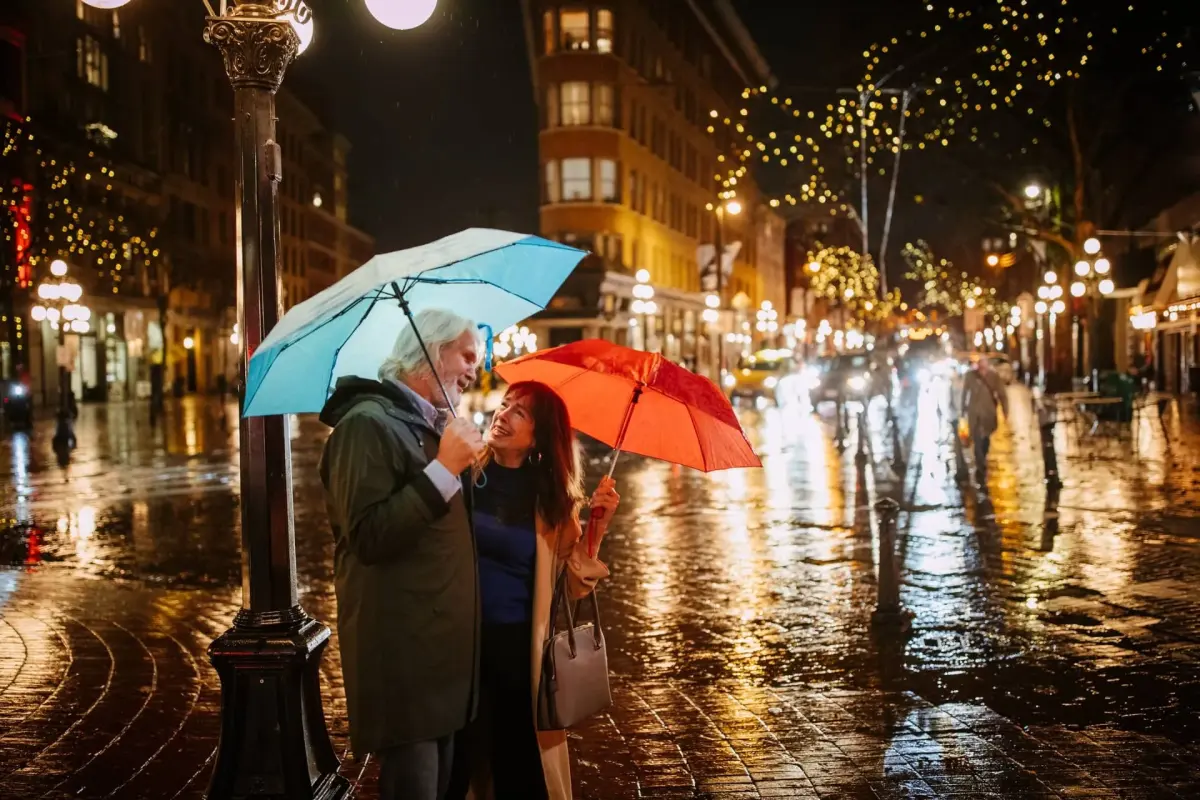
While summer is the dry season, Vancouver is a rainforest climate and can experience sudden, light showers at any time. Carrying a compact, portable umbrella is a wise precaution for any traveler.
Are there forest fire risks during the warmest months?
Yes, the dry conditions of July and August often increase the risk of wildfires in the surrounding mountains. This can occasionally lead to smoky air quality in the city, so checking local air quality indices is recommended.
This answer was created with the help of AI research tools and reference sources. Spotted an error? Let us know — we correct mistakes quickly. See our editorial policy.