What is the best time to visit Vancouver?
Short answer
The best time to visit Vancouver is from June to September. During these months, the city experiences its warmest weather and lowest rainfall, making it ideal for outdoor exploration. While July and August are the peak tourist months with the most crowds, late June and early September offer a perfect balance of pleasant conditions.
On this page
When is the best weather in Vancouver?
Vancouver’s climate is defined by mild, wet winters and warm, dry summers. If you are looking for sunshine and comfortable temperatures, the window between June and September is unmatched. July and August typically see average daily highs of 22°C (72°F), with very little precipitation. This reliable weather allows visitors to fully enjoy the city's extensive park systems and coastal geography without the constant threat of the region's famous drizzle.
Conversely, the period from November to March is characterized by significant rainfall. While the city rarely experiences extreme cold, the overcast skies and frequent showers can limit outdoor activities. If you choose to visit during the shoulder seasons of April, May, or October, you will encounter unpredictable weather. However, these months often feature blooming gardens in the spring or vibrant foliage in the autumn, providing a beautiful backdrop for those who do not mind carrying an umbrella.
How to avoid crowds in Vancouver?
The peak tourist season in Vancouver aligns with the summer school holidays, specifically from late June through August. During this time, popular attractions like Stanley Park, the Capilano Suspension Bridge, and Granville Island experience heavy foot traffic and longer wait times. If you prefer a quieter experience, aim for the "shoulder" months of May or late September. During these times, the weather remains relatively mild, yet the influx of cruise ship passengers and family vacationers is significantly reduced.
To navigate the city efficiently during any season, follow these strategies:
- Visit major landmarks on weekday mornings to beat the weekend rush.
- Use the SkyTrain and SeaBus public transit systems to avoid the stress of downtown parking.
- Book reservations for popular restaurants at least two weeks in advance, regardless of the time of year.
- Explore neighborhoods outside the downtown core, such as Kitsilano or Commercial Drive, to find authentic local experiences away from the main tourist hubs.
What is the best time for outdoor activities?
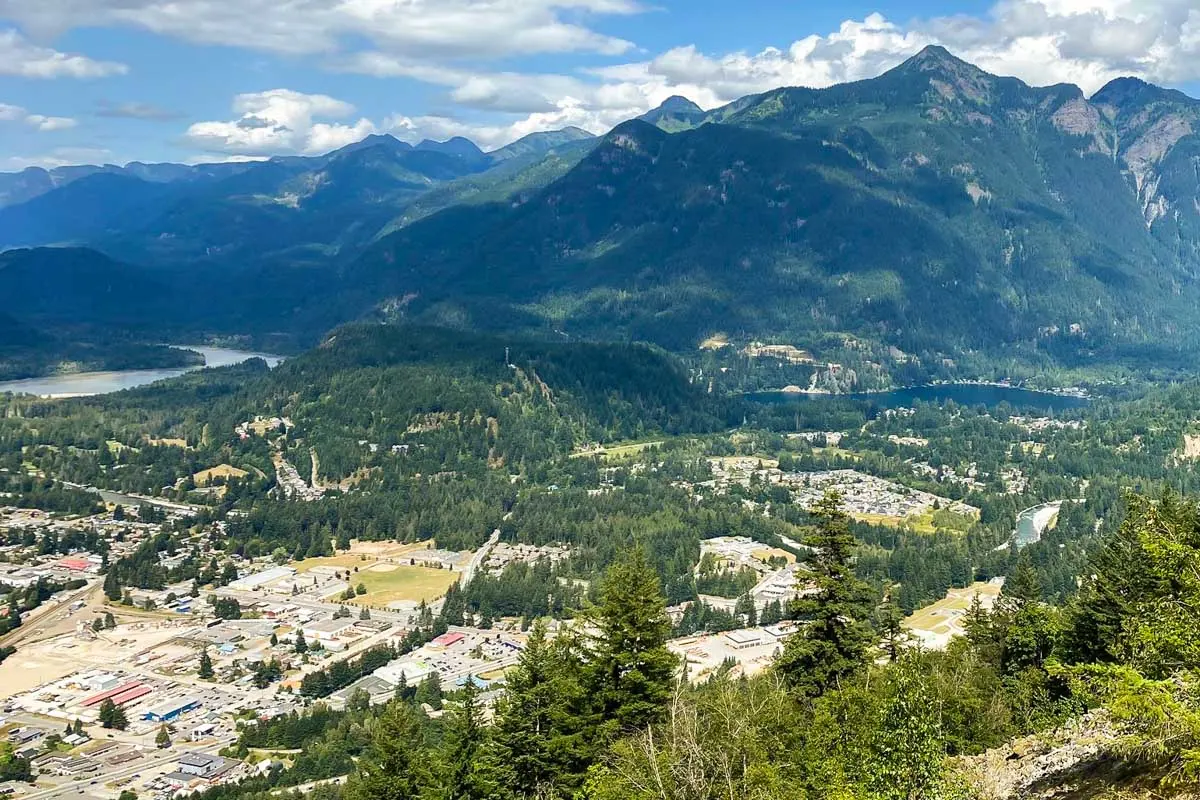
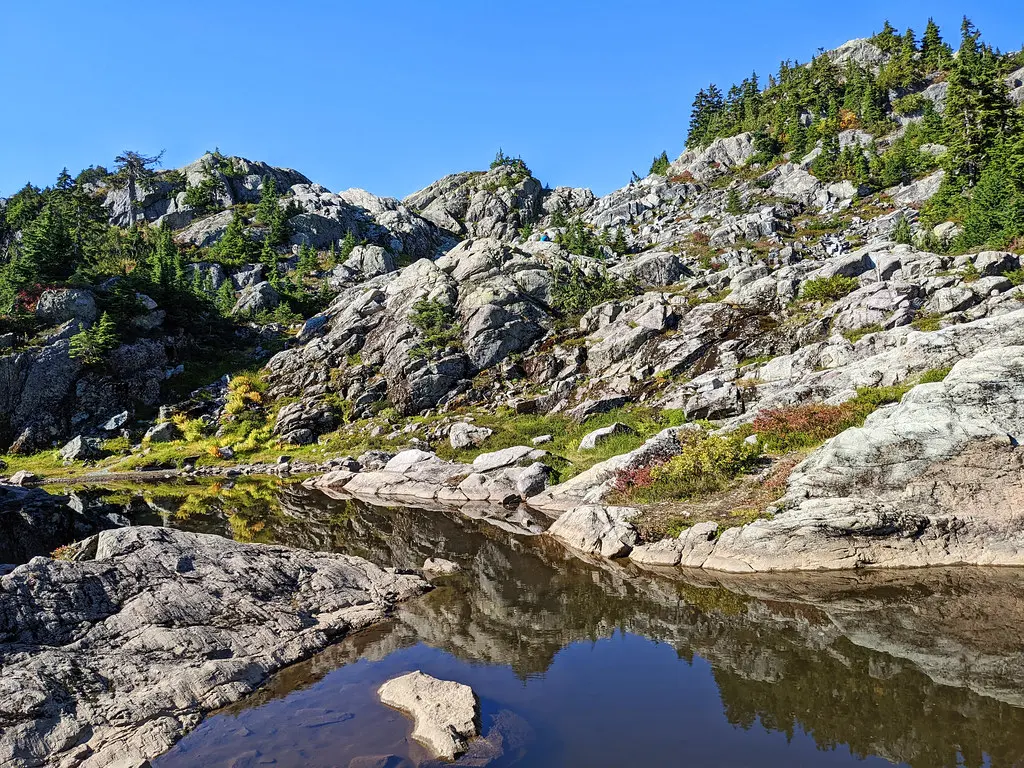
Vancouver is a premier destination for those who enjoy the intersection of urban life and rugged nature. For hiking, cycling, and kayaking, the months of July and August are superior because the trails are clear of snow and the water temperatures are at their most inviting. If you are interested in winter sports, the local mountains—Grouse, Cypress, and Seymour—usually open for skiing and snowboarding from December through March.
If you are planning an active trip, consider these seasonal highlights:
- June: Ideal for cycling the Seawall as the late spring flowers are in full bloom.
- July and August: Perfect for whale watching tours, which are most successful during these peak summer months.
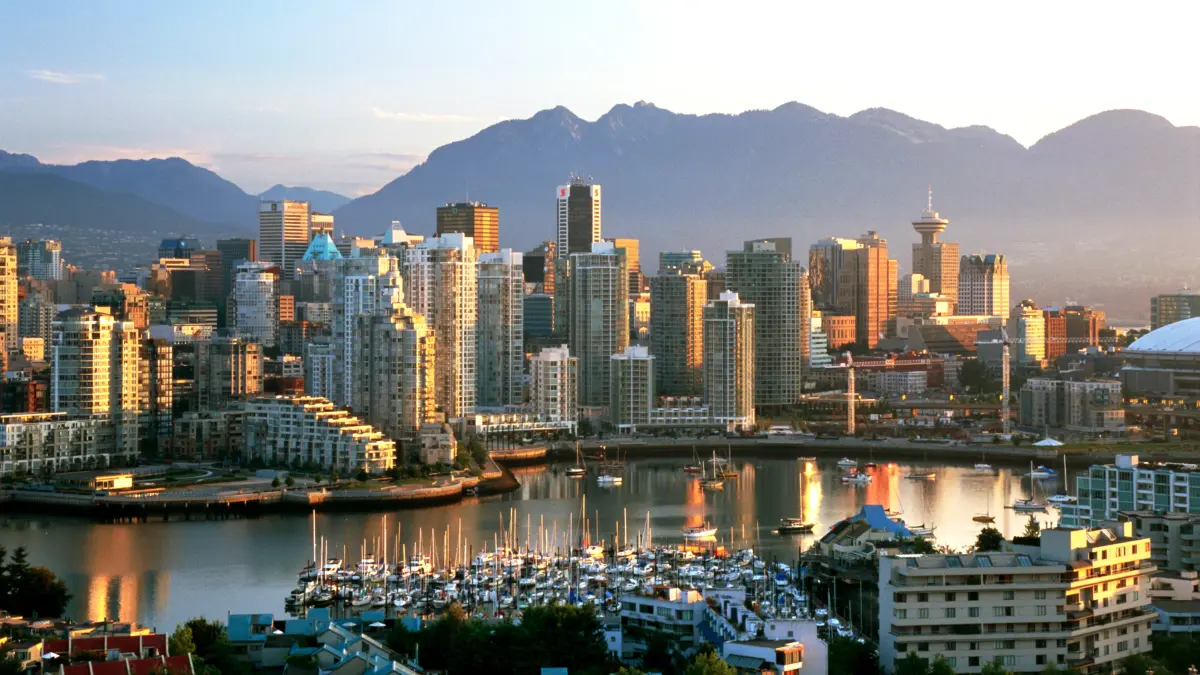
- January and February: The best time to experience "night skiing" on the local mountains with views of the illuminated city skyline.
- September: Often considered the best month for hiking, as the humidity drops and the trails become less crowded.
What are the common mistakes when visiting Vancouver?
A frequent error travelers make is underestimating the necessity of waterproof gear. Even in the summer, a sudden coastal shower can occur, and the winter months require high-quality rain jackets and sturdy, water-resistant footwear. Another mistake is assuming that Vancouver is a strictly "walkable" city for all attractions; while the downtown core is compact, destinations like the Museum of Anthropology or the Capilano Suspension Bridge require bus travel or ride-sharing services to reach efficiently.
Additionally, many visitors make the mistake of failing to book accommodation well in advance. Vancouver is a popular destination for international conferences and cruise ship departures, which can cause hotel prices to spike unexpectedly. Always check the city’s major event calendar before finalizing your travel dates. If you find that hotels are sold out or prohibitively expensive, look for boutique lodgings in nearby Burnaby or Richmond, which are well-connected to the city center via the rapid transit network.
How much does it cost to visit Vancouver?
Budgeting for a trip to Vancouver requires an understanding of the seasonal price fluctuations. Summer is undeniably the most expensive time to visit, with hotel rates often doubling compared to the winter low season. If you are traveling on a budget, visiting in late October or early November can result in significant savings on airfare and lodging. While you will trade sunshine for rain, you will also find that museums, galleries, and theater performances are much more accessible and less crowded.
To manage your expenses effectively, consider these practical tips:
- Purchase a multi-day transit pass to save on individual fare costs.
- Take advantage of free public spaces like Stanley Park, English Bay Beach, and the various community parks throughout the city.
- Look for "happy hour" menus at restaurants, which are common in Vancouver and offer high-quality dining at a fraction of the standard price.
- Use the city's extensive bike-share program for short trips, which is often cheaper and faster than waiting for a taxi in heavy downtown traffic.
Key facts
- The peak tourist season runs from June through August, offering the most reliable sunshine and warmest temperatures.
- Shoulder seasons, specifically May and September, provide a balance of decent weather and fewer crowds at major attractions.
- Vancouver experiences significant rainfall from November to March, with December and January being the wettest months.
- Hotel prices are highest during the summer months and major holidays, often dropping by 30% or more in the winter.
- Stanley Park remains accessible year-round, but outdoor activities like whale watching are best enjoyed between April and October.
- Cherry blossoms typically bloom across the city in late March and early April, attracting many visitors for the annual festival.
The bottom line
The ideal time to visit Vancouver depends on your priorities. For optimal weather and outdoor exploration, aim for the summer months of July and August. If you prefer avoiding crowds and saving money, the shoulder seasons of May and September offer a perfect compromise. Regardless of your choice, always pack waterproof gear, as Vancouver’s coastal climate is famously unpredictable and prone to frequent, sudden rain showers.
People also ask
Is it worth visiting Vancouver during the rainy winter season?
Yes, if you enjoy cozy indoor activities, museums, and world-class dining. Winter also offers easy access to local ski mountains like Grouse Mountain, Cypress, and Seymour, which are just a short drive from the city center.
When is the cheapest time to book a trip to Vancouver?
The most affordable time to visit is during the late autumn and winter months, specifically November, January, and February. During this period, flight and accommodation demand is at its lowest, allowing for significant savings.
What should I pack for a trip to Vancouver?
Regardless of the season, always pack a high-quality waterproof rain jacket and comfortable walking shoes. The weather can change rapidly, so dressing in layers is the most effective way to stay comfortable throughout the day.
Are there specific months to avoid if I want to see the city's parks?
While parks are open year-round, you may want to avoid the peak of the rainy season if you intend to hike or cycle extensively. Trails can become muddy and slippery during the heavy rainfall of November and December.
When is the best time to see whales near Vancouver?
Whale watching season generally runs from April through October. During these months, you have the highest probability of spotting orcas, humpback whales, and minke whales in the surrounding waters.
Is Vancouver crowded during the summer holidays?
Yes, popular areas like Stanley Park, Granville Island, and Gastown experience heavy foot traffic from June to August. To avoid the largest crowds, try to visit popular sites early in the morning or on weekdays.
This answer was created with the help of AI research tools and reference sources. Spotted an error? Let us know — we correct mistakes quickly. See our editorial policy.