What is a tornado?
Short answer
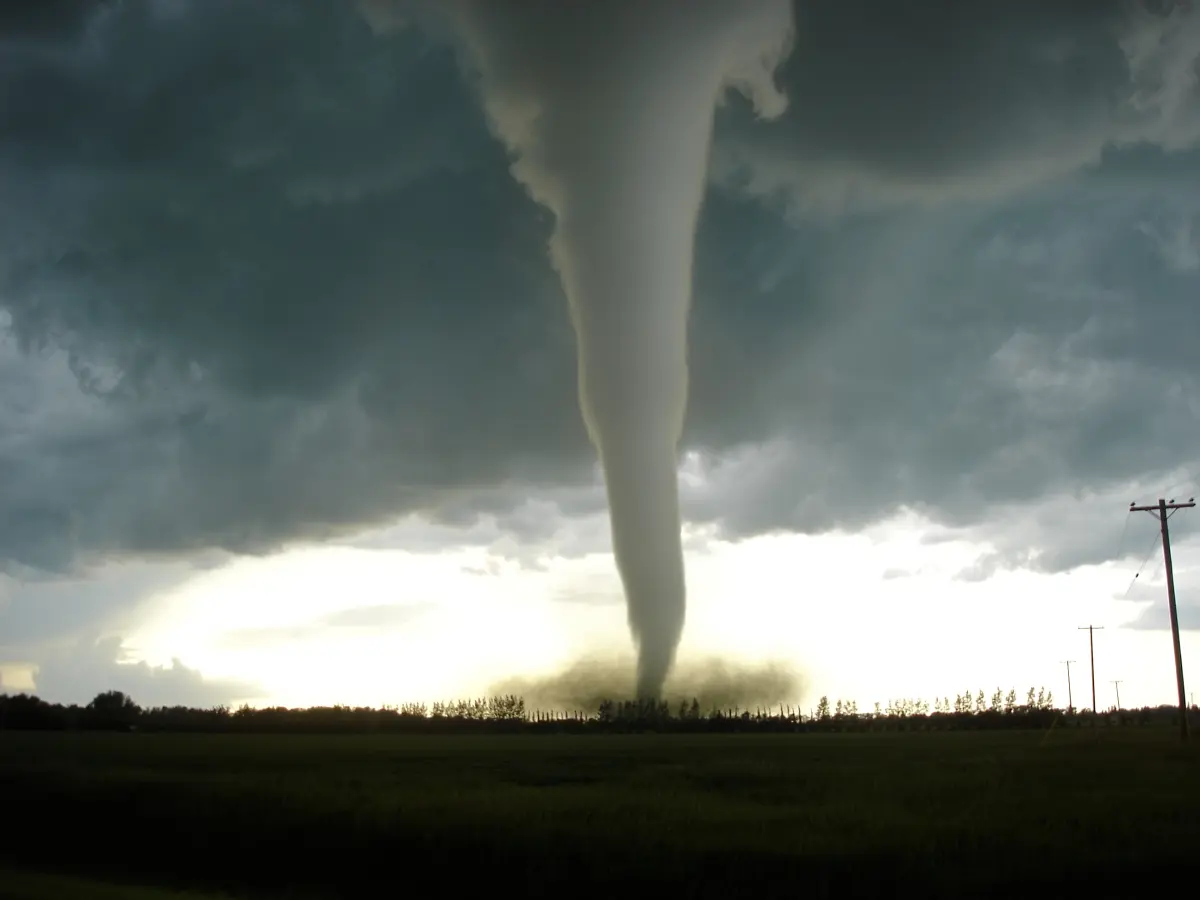
A tornado is a violently rotating column of air extending from a thunderstorm to the ground. Typically appearing as a funnel-shaped cloud, these intense vortexes produce high-speed winds that can exceed 300 miles per hour. They are capable of causing catastrophic destruction to buildings, uprooting trees, and launching heavy debris over long distances.
On this page
Why a tornado happens
Tornadoes form primarily when warm, moist air near the surface meets cold, dry air aloft, creating atmospheric instability. This environment often leads to the development of supercell thunderstorms, which possess a rotating updraft known as a mesocyclone. When wind shear—a change in wind speed or direction with height—is present, it can cause this rotation to tilt and tighten, eventually extending toward the ground.
While many thunderstorms produce lightning and heavy rain, only a small percentage develop the specific conditions required for tornadogenesis. The process remains a complex subject of meteorological study, as researchers analyze how pressure drops and moisture convergence trigger the final descent of the funnel. Most tornadoes occur in regions with flat, open terrain, such as the Great Plains of the United States, where contrasting air masses collide frequently during the spring and early summer months.
How to measure tornado intensity
Meteorologists categorize the strength of a tornado using the Enhanced Fujita (EF) scale. This system estimates wind speeds based on the level of damage inflicted on structures and vegetation. The scale ranges from EF0, which causes light damage to shingles and branches, to EF5, which represents total destruction where well-built homes are leveled and swept away.
The scale relies on specific "Damage Indicators," which include various types of buildings, towers, and trees. By observing how these objects fail, experts can reconstruct the wind speeds that must have occurred during the event.
- EF0: 65–85 mph (gale force)
- EF1: 86–110 mph (moderate)
- EF2: 111–135 mph (considerable)
- EF3: 136–165 mph (severe)
- EF4: 166–200 mph (devastating)
- EF5: Over 200 mph (incredible)
How to stay safe during a tornado
When a tornado warning is issued for your area, immediate action is necessary to ensure survival. You should move to a pre-designated shelter, such as a basement or an interior room on the lowest floor of a sturdy building. Avoid windows, as flying glass and debris are the primary causes of injury during these events.
If you are caught in specific locations, follow these emergency protocols:
- If in a house: Go to the basement or an interior closet, bathroom, or hallway away from exterior walls.
- If in a mobile home: Leave immediately and seek shelter in a permanent building, as mobile homes offer little protection.
- If in a vehicle: Do not try to outrun the tornado; instead, drive to the nearest sturdy building or lie flat in a low-lying ditch, covering your head with your hands.
Common mistakes when preparing for tornadoes
One of the most dangerous misconceptions is the belief that opening windows will equalize pressure and prevent a building from exploding. In reality, opening windows allows dangerous debris and high-speed winds to enter the structure, which significantly increases the risk of roof failure and collapse. You should never waste time attempting to "vent" a house; your only priority should be finding cover.
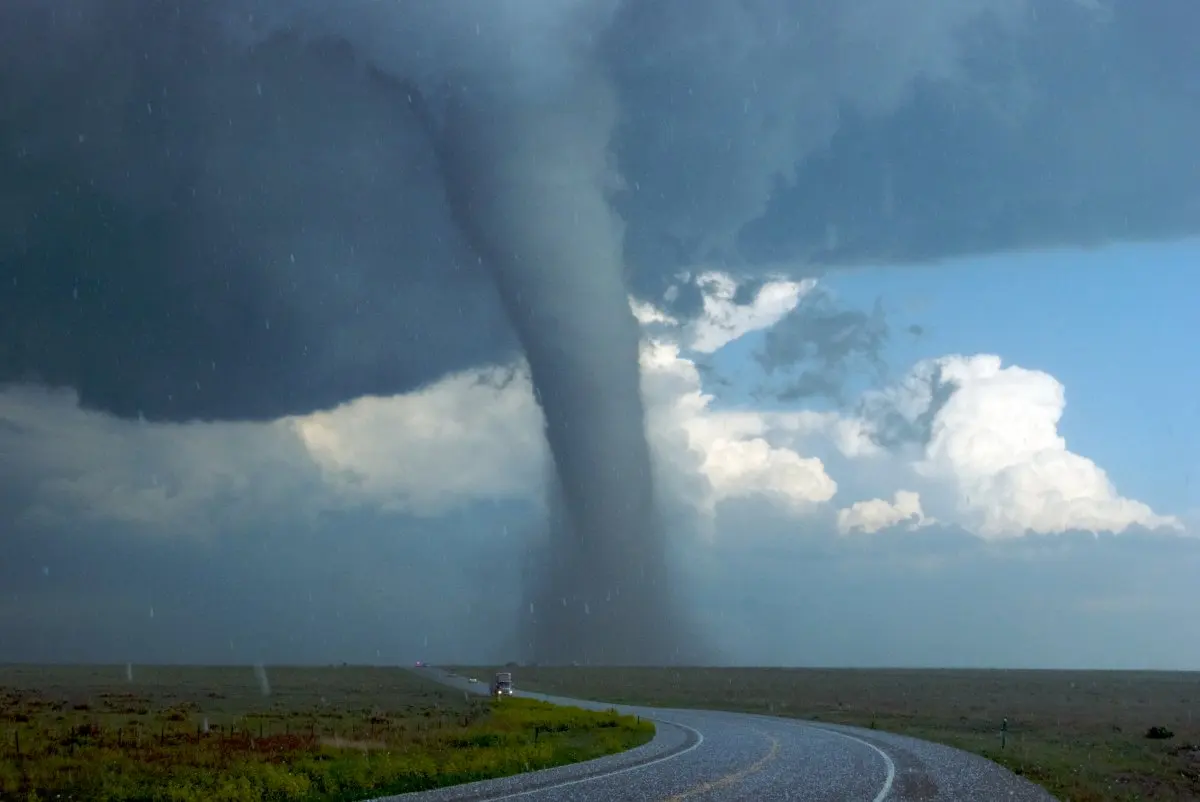
Another frequent error is waiting for visual confirmation before taking shelter. Many tornadoes are wrapped in rain or occur at night, making them nearly invisible to the naked eye. Relying on sirens or local weather reports is far more effective than trying to spot the funnel yourself. Furthermore, seeking shelter under a highway overpass is a life-threatening mistake, as these structures can create a wind-tunnel effect that accelerates debris and provides no structural protection from the storm's core.
What to do after a tornado passes
Once the storm has cleared, the environment remains hazardous due to downed power lines, ruptured gas lines, and unstable building materials. Wait for official confirmation from local authorities that it is safe to exit your shelter. If you must move through debris, wear sturdy shoes, long pants, and gloves to protect against sharp objects like nails and broken glass.
When assisting others, prioritize safety and avoid entering heavily damaged structures that may be on the verge of collapse. If you smell gas or hear a hissing sound, leave the area immediately and report the leak to utility companies or emergency responders. Document the damage to your property with photographs for insurance purposes, but do not touch electrical equipment that has been exposed to water. Staying informed through battery-powered radios or cellular alerts will ensure you receive updates on potential secondary threats, such as flash flooding or continuing severe weather.
Key facts
- A tornado is a violently rotating column of air extending from a thunderstorm to the ground.
- Wind speeds in the most intense tornadoes can exceed 300 miles per hour.
- The Enhanced Fujita (EF) Scale classifies tornado intensity from EF0 (weak) to EF5 (devastating).
- Seek shelter in a basement or an interior room on the lowest floor away from windows during a warning.
- Never try to outrun a tornado in a vehicle; if caught on the road, seek a sturdy building or a low-lying ditch.
- Tornadoes can occur at any time of year and at any time of day, though they are most common in spring and summer.
The bottom line
A tornado is a powerful atmospheric phenomenon that demands immediate respect and preparation. By understanding the difference between watches and warnings, you can take decisive action to protect yourself. Prioritize finding sturdy shelter on the lowest level of a building and avoid windows at all costs. Staying informed through reliable weather alerts remains the most effective way to ensure safety during these unpredictable and dangerous weather events.
People also ask
What is the difference between a tornado watch and a tornado warning?
A watch means conditions are favorable for tornadoes to develop, so you should stay alert. A warning means a tornado has been sighted or indicated by radar, and you must take cover immediately.
Can tornadoes form over water?
Yes, tornadoes over water are called waterspouts. They are typically less intense than land-based tornadoes but can still cause significant damage if they move ashore.
How long do most tornadoes last?
Most tornadoes last less than 10 minutes. However, extreme storms can persist for over an hour and travel dozens of miles across the landscape.
Are mobile homes safe during a tornado?
No, mobile homes are extremely vulnerable to high winds and can be easily overturned. You should evacuate to a pre-planned permanent storm shelter or a nearby sturdy building when a warning is issued.
Do tornadoes always have a visible funnel?
Not always, as some are obscured by heavy rain, dust, or darkness. A lack of a visible funnel does not mean a storm is not dangerous.
What is the "Tornado Alley" region?
This is a colloquial term for a portion of the central United States where tornadoes are statistically most frequent. It generally includes parts of Texas, Oklahoma, Kansas, Nebraska, and South Dakota.
This answer was created with the help of AI research tools and reference sources. Spotted an error? Let us know — we correct mistakes quickly. See our editorial policy.