How do you press flowers?
Short answer
Pressing flowers is the process of flattening and drying botanical specimens between absorbent materials to preserve their shape and color. By removing moisture through steady, even pressure, you create durable, two-dimensional art. This traditional technique requires patience and simple household items, such as heavy books or a dedicated wooden flower press.
On this page
How to choose the best flowers for pressing
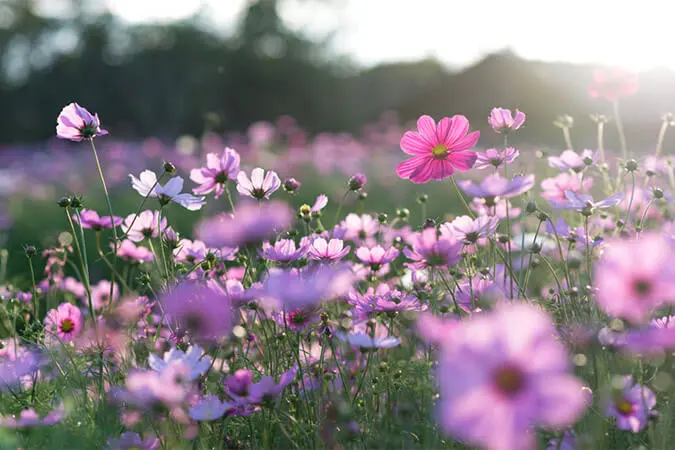
Selecting the right specimens is the most critical step in achieving high-quality results. Flowers with naturally flat faces, such as pansies, violas, daisies, and cosmos, are the easiest for beginners to master. These varieties have thin petals that dry quickly and maintain their structure without requiring complex manipulation. Avoid flowers with high water content or thick, fleshy centers, such as succulents, lilies, or orchids, as these often rot before they can properly dry.
When gathering your materials, prioritize picking flowers at their peak condition. Look for blooms that are free of blemishes, dew, or insect damage. It is best to harvest your flowers in the late morning after the dew has evaporated but before the heat of the afternoon causes the petals to wilt. If you are using greenery, ferns and thin leaves press exceptionally well and provide excellent structural contrast to delicate floral arrangements.
- Select flowers that are freshly opened and firm.
- Avoid blooms that are past their prime or starting to brown.
- Ensure the plant material is completely dry to prevent mold growth.
- Choose a variety of shapes and sizes to create visual interest.
How to use a book for pressing
Using a heavy book is the most accessible method for pressing flowers, as it requires no specialized equipment. To begin, open a large, heavy book—such as an encyclopedia or a thick hardcover novel—near the middle. Place a sheet of plain, white absorbent paper, such as parchment or blotting paper, on the page to protect the book from potential staining or moisture damage. Arrange your flowers face down on the paper, ensuring that no petals overlap, as overlapping parts will dry unevenly and create unsightly creases.
Once the flowers are positioned, place a second sheet of paper over them and close the book gently. Add additional heavy items, such as bricks or more books, on top to increase the pressure. It is important to place the book in a cool, dry location away from direct sunlight, which can cause the colors to fade rapidly. Leave the flowers undisturbed for at least two to three weeks, as checking on them too frequently can disrupt the delicate drying process and cause petals to tear.
How to use a professional flower press
A professional flower press consists of two wooden boards held together by adjustable screws or wing nuts. This tool is superior to a book because it allows you to apply consistent, high-pressure force across the entire surface area. To use one, layer your flowers between sheets of corrugated cardboard and absorbent blotting paper. The cardboard is essential because it allows air to circulate through the press, which significantly speeds up the drying time and helps maintain the vibrant pigment of the petals.
Tighten the wing nuts firmly to ensure even pressure across the stack. As the flowers begin to dry and shrink, you may need to tighten the nuts slightly every few days to maintain contact. This method is ideal for those who plan to press flowers regularly, as it is portable and designed specifically to protect the integrity of the botanical specimens. Because the press is compact, you can easily store it on a shelf while the drying process occurs over several weeks.
How long does it take to press flowers
The duration of the pressing process depends largely on the thickness of the flower and the ambient humidity in your environment. On average, most flowers require two to four weeks to reach a state of complete dehydration. Thinner, more delicate petals may be ready in as little as ten days, while thicker blooms or those with dense stems may require up to six weeks. Patience is essential; if you remove the flowers too early, they will retain moisture, which inevitably leads to mold and decay.
You can test if the flowers are ready by carefully lifting one edge of the specimen. If the flower feels papery, stiff, and does not bend when lifted, it is fully dried. If it feels cool to the touch or appears limp, it requires more time in the press. Always handle the finished specimens with tweezers, as the dried petals are extremely fragile and can easily crumble under the pressure of human fingertips.
Common mistakes when pressing flowers
One of the most frequent errors is failing to account for moisture, which is the primary enemy of preserved flowers. If you press flowers immediately after rain or while they are still damp with morning dew, the trapped water will cause the specimens to turn brown or develop fuzzy mold patches. Always ensure your flowers are completely dry before placing them in the press. Additionally, using colored paper or paper with ink can lead to color bleeding, so stick to plain, acid-free white paper to ensure the best results.
Another common mistake is trying to press flowers that are too thick, which prevents the press from closing properly and results in uneven drying. If you have a flower with a thick stem or a large bulbous base, use a sharp knife to slice the stem in half lengthwise before pressing. This flattens the profile of the flower and allows the entire specimen to make contact with the absorbent paper. By avoiding these pitfalls, you will successfully preserve your botanical finds for years to come.
Key facts
- Choose flowers that are freshly bloomed and free of moisture, such as morning dew, to prevent mold growth.
- Use heavy, absorbent materials like parchment paper or coffee filters to protect the pages of your pressing book.
- Place flowers face down on the paper to ensure a flat, even surface for the weight to distribute.
- Maintain a pressing period of at least two to four weeks to ensure the plant material is completely dehydrated.
- Avoid using thick, fleshy flowers like lilies or succulents, as their high water content often leads to rot.
- Store pressed specimens away from direct sunlight to prevent the natural pigments from fading over time.
The bottom line
Pressing flowers is a simple, rewarding craft that preserves the fleeting beauty of nature through gentle dehydration. By selecting fresh blooms, using absorbent paper, and applying consistent pressure for several weeks, you can create long-lasting botanical art. Avoid high-moisture plants and ensure thorough drying to prevent decay. With patience and the right materials, you can easily transform your garden favorites into permanent, elegant keepsakes for any project.
People also ask
Can I use a microwave to press flowers?
Yes, you can use a microwave-safe flower press or two ceramic tiles to speed up the process. Heat the setup in 30-second intervals on a low power setting to avoid burning the petals.
How do I keep the colors from turning brown?
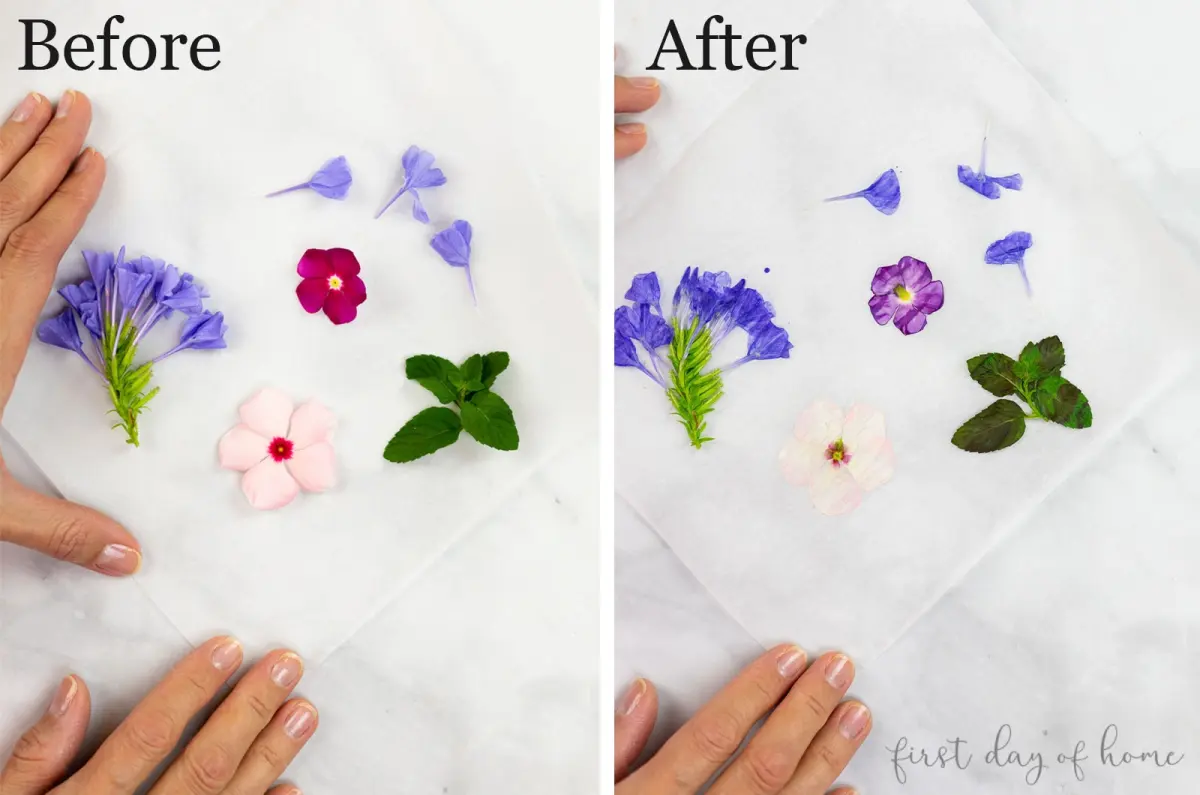
Colors fade when moisture remains in the flower for too long, causing oxidation. Change the absorbent paper after the first 48 hours to wick away excess water quickly.
Which flowers are best for beginners?
Pansies, violas, and ferns are ideal because they have naturally flat structures. These varieties dry quickly and retain their shape well without requiring complex arrangement.
Is it possible to press flowers that have already wilted?
It is not recommended, as wilted flowers are already decaying and will likely turn brown or moldy. Always start with crisp, healthy specimens for the best aesthetic results.
Do I need a professional flower press?
No, a heavy stack of books works perfectly for most hobbyists. Ensure the books are placed on a flat, stable surface to apply uniform pressure across the entire flower.
Can I frame pressed flowers immediately after taking them out of the press?
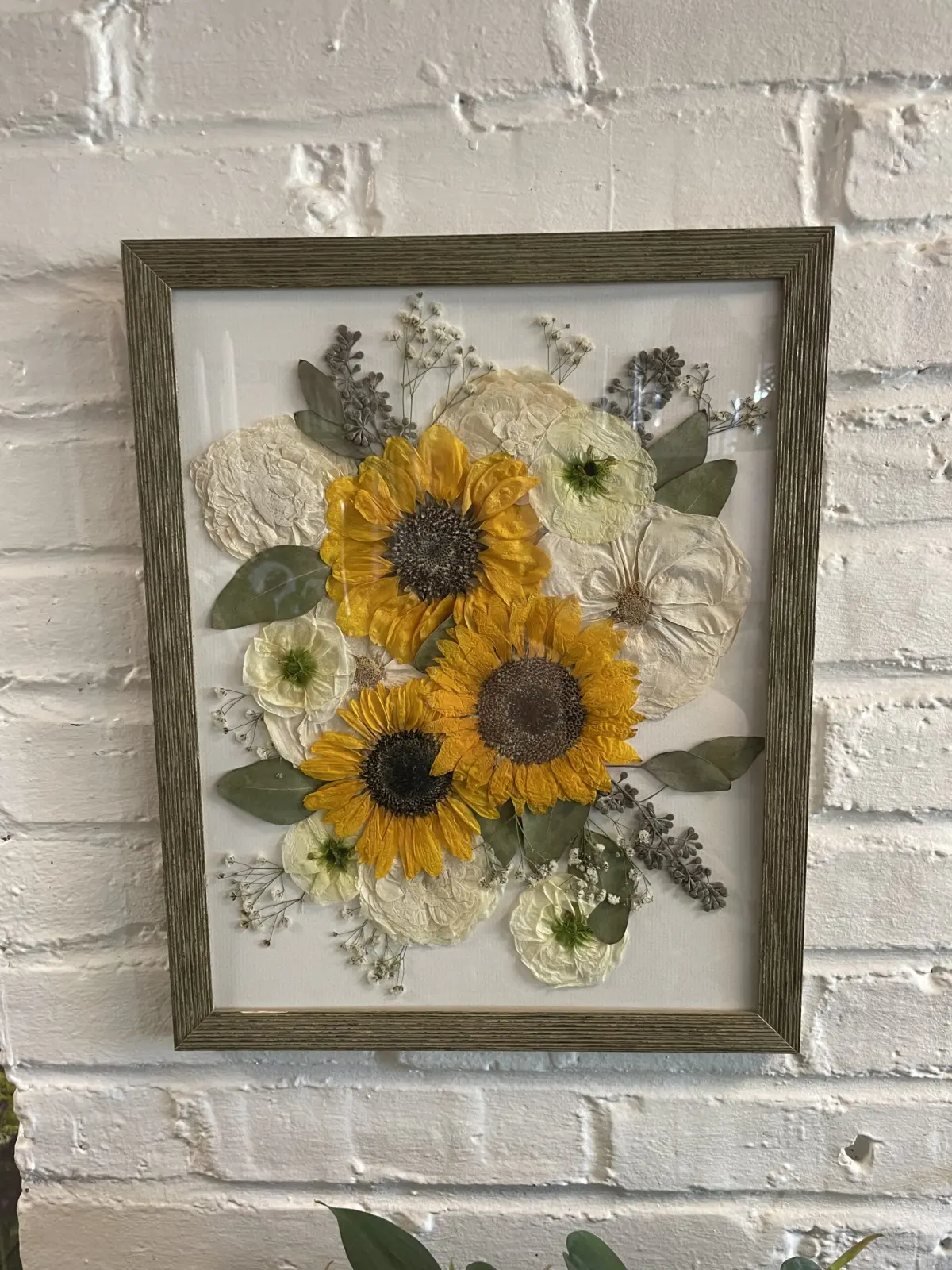
It is best to wait a few days after removing them from the press to ensure they are fully dry. Sealing damp flowers in a frame will trap moisture and cause the glass to fog or the plant to mold.
This answer was created with the help of AI research tools and reference sources. Spotted an error? Let us know — we correct mistakes quickly. See our editorial policy.