What plants grow well in shade?
Short answer
Shade-loving plants thrive in areas receiving less than six hours of direct sunlight daily. Popular choices include hostas, ferns, astilbe, and coral bells. These species have adapted to lower light levels by developing broader, thinner leaves to capture available photons efficiently, making them ideal for garden corners sheltered by trees or buildings.
On this page
What plants grow best in shade?
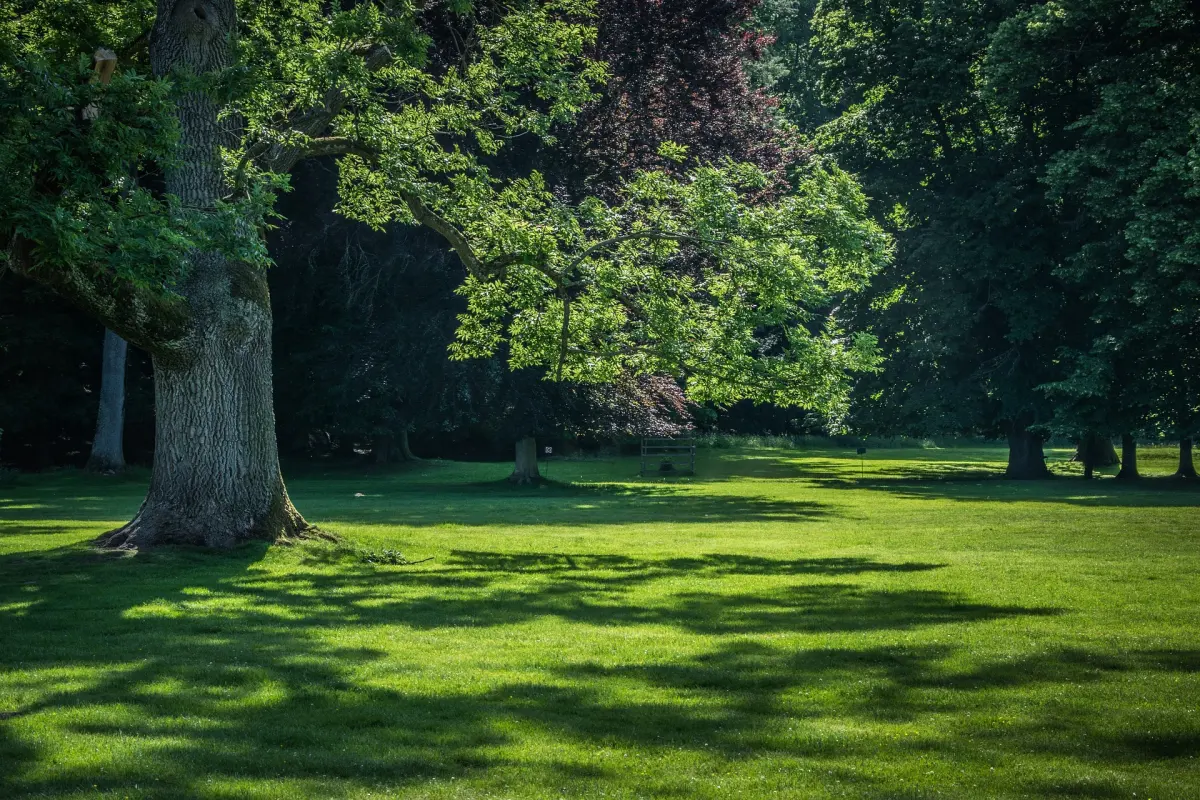
Many plants have evolved to flourish in the dappled light of forest floors, making them perfect candidates for shaded garden beds. When selecting plants, it is essential to distinguish between "deep shade," where little light penetrates, and "partial shade," which receives morning sun or filtered light. Foliage-heavy plants often perform better than flowering varieties in these conditions because they do not require intense solar energy to produce blooms.
For those looking to add texture and color to dark spots, consider these reliable options:
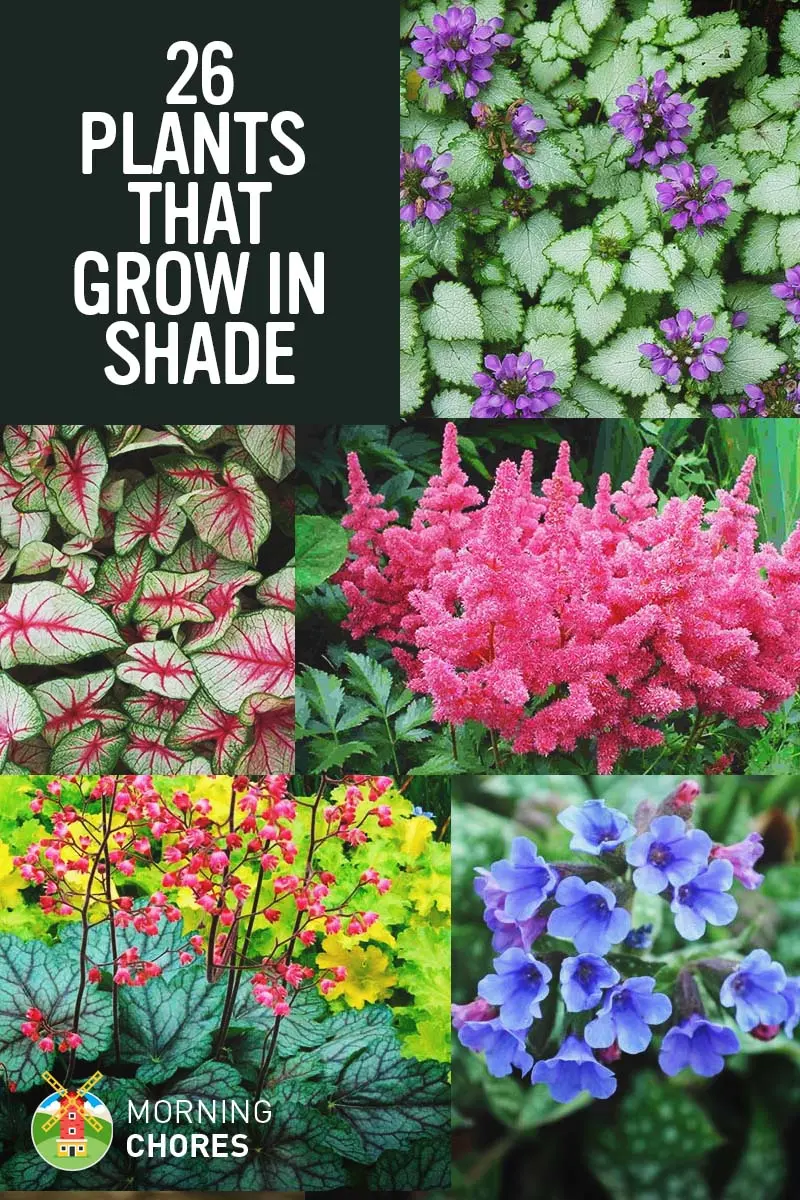
- Hostas: Renowned for their diverse foliage patterns and ease of care.
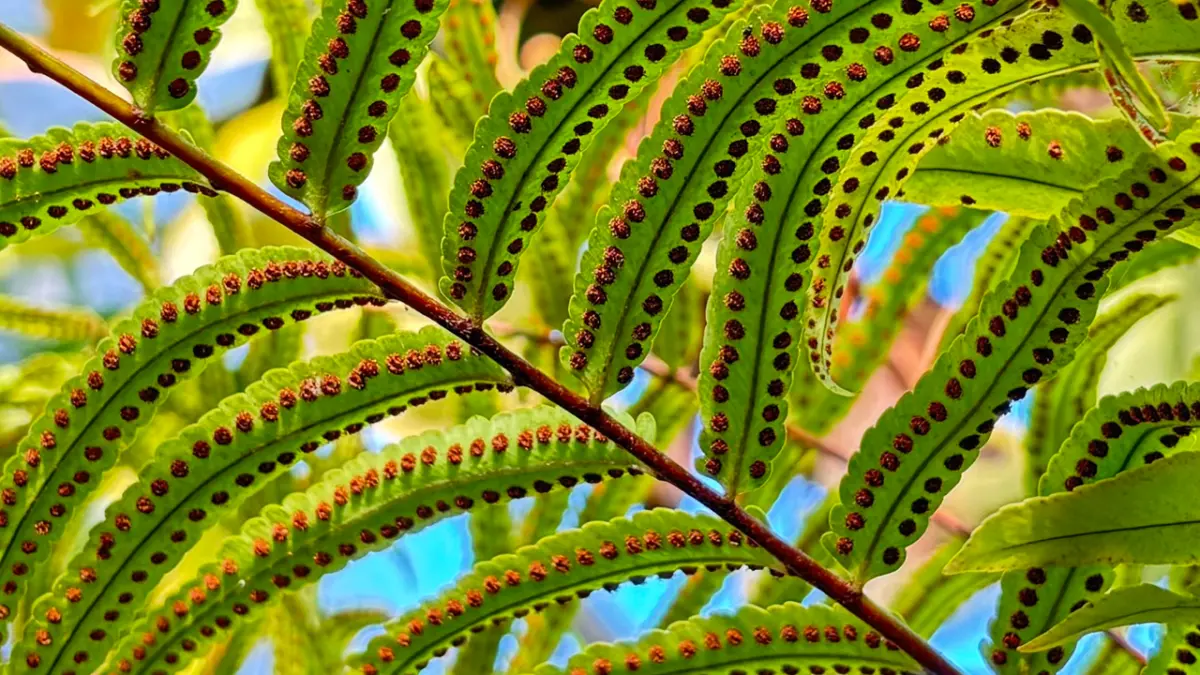
- Ferns: Excellent for adding delicate, feathery texture to damp, dark corners.
- Astilbe: Provides striking, plume-like flowers that brighten up shaded borders.
- Heuchera (Coral Bells): Offers a wide range of leaf colors, from deep purple to lime green.
- Bleeding Heart: A classic perennial that produces unique, heart-shaped flowers in spring.
How to determine your shade level
Before planting, you must evaluate the specific light conditions of your garden throughout the day. Observe your space at 9:00 AM, 12:00 PM, and 4:00 PM to see how shadows move across the area. Dappled shade occurs under tree canopies where sunlight filters through leaves, while dense shade is found on the north side of walls or under thick evergreens.
Follow these steps to assess your light levels accurately:
- Mark the area you intend to plant with small stakes or flags.
- Check the area every two hours during a single sunny day.
- Keep a log of how many hours of direct sunlight hit the ground.
- Categorize the area: Full shade (0-2 hours), Partial shade (3-5 hours), or Full sun (6+ hours).
- Choose plants that match your specific category to ensure long-term health.
Best shade plants for beginners
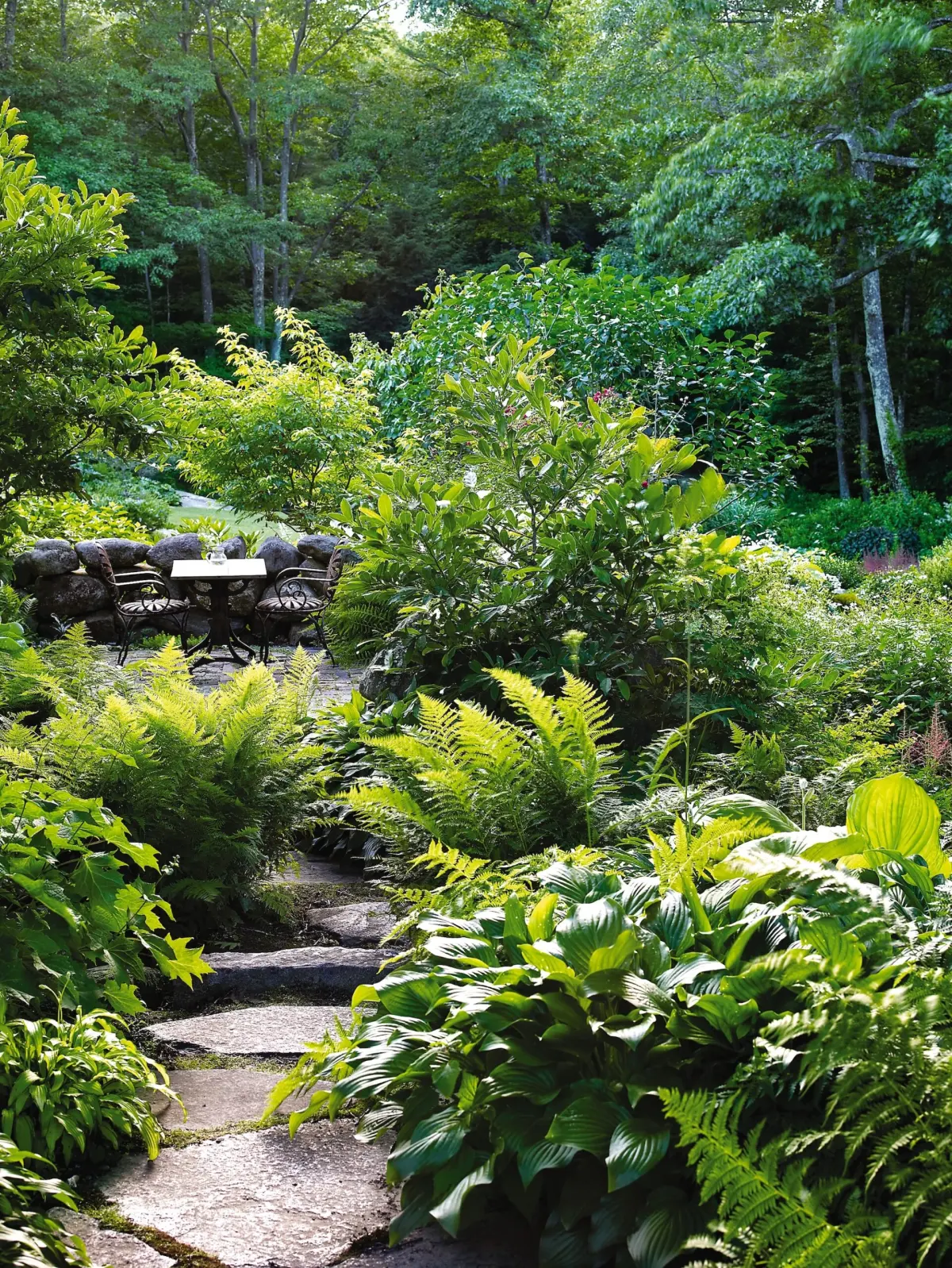
If you are new to gardening, start with hardy perennials that require minimal maintenance and can withstand varying moisture levels. Hostas are arguably the most popular beginner plant because they are incredibly resilient and return year after year. They come in hundreds of varieties, ranging from miniature sizes to large, blue-leafed specimens that make a bold statement.
Another excellent choice for beginners is the Japanese Painted Fern, which offers beautiful silver and burgundy tones. These plants are generally pest-resistant and do not require frequent deadheading or pruning. By selecting these low-maintenance species, you can build confidence in your gardening skills while enjoying a lush, green landscape even in the darkest parts of your property.
Common mistakes when gardening in shade
A frequent error is overwatering shade-loving plants. Because shaded areas do not receive intense heat, the soil stays moist for longer periods, which can lead to root rot. Always check the soil moisture with your finger before adding water; if the top inch of soil is still damp, wait a few days. Proper drainage is critical, especially in heavy clay soils that hold water excessively.
Another mistake is planting too densely. While it is tempting to fill a space quickly, shade plants need airflow to prevent fungal diseases like powdery mildew. Ensure you follow the spacing guidelines on plant tags to allow for natural growth. Additionally, avoid planting shade-loving varieties in areas that receive harsh, direct afternoon sun, as this will likely scorch the leaves and stunt overall development.
Why shade plants need specific soil
Shade-loving plants often grow naturally in woodland environments, where the soil is rich in organic matter and slightly acidic. To mimic these conditions, incorporate plenty of compost, leaf mold, or peat moss into your planting beds. This organic material improves soil structure, helps retain necessary moisture, and provides a slow release of nutrients that these plants prefer over heavy synthetic fertilizers.
Mulching is also vital for shade gardens. A two-inch layer of organic mulch, such as shredded bark or pine needles, helps suppress weeds and keeps the soil temperature stable. This layer also mimics the natural forest floor, protecting delicate roots from temperature fluctuations. By focusing on soil health, you create a supportive environment that allows your shade-loving plants to reach their full potential and thrive for many seasons to come.
Key facts
- Shade is categorized by intensity: deep shade (no direct light), partial shade (3-6 hours of light), and dappled shade (filtered sunlight).
- Hostas are the most popular shade-loving perennials, offering thousands of varieties with diverse leaf textures and colors.
- Ferns, such as the Japanese Painted Fern, thrive in high-moisture, low-light environments where many flowering plants fail.
- Impatiens and begonias are reliable annuals that provide consistent blooms throughout the summer in shaded garden beds.
- Soil in shaded areas often stays damp longer, so avoid overwatering to prevent root rot in plants like coral bells.
- Adding organic matter like compost improves drainage in shaded spots, which is essential for healthy root development.
The bottom line
Successful shade gardening relies on understanding your specific light levels and selecting plants adapted to those conditions. By choosing a mix of foliage-heavy perennials like hostas and flowering shrubs like hydrangeas, you can create a lush, vibrant space. Always prioritize soil health and monitor moisture levels, as competition from nearby trees often dictates the success of your garden in these lower-light environments.
People also ask
How much light does a plant need if it is labeled for partial shade?
Partial shade typically means the plant requires three to six hours of sunlight per day, preferably during the cooler morning hours. Intense afternoon sun can scorch the leaves of these sensitive varieties.
Can edible plants grow in the shade?
Yes, leafy greens like kale, spinach, arugula, and lettuce grow well in partial shade. These crops actually prefer cooler conditions and are less likely to bolt, or go to seed, compared to those in full sun.
Why do my shade plants look leggy or sparse?
Leggy growth is a common sign that a plant is not receiving enough light to sustain its structure. Even shade-tolerant plants need some ambient light to produce energy through photosynthesis, so move them to a brighter spot.
Do shade gardens require less water than sun gardens?
While shade gardens lose less water to evaporation, they often compete with tree roots for moisture. You must monitor soil moisture levels closely, especially under large canopy trees that can act as umbrellas.
Are there any flowering shrubs that tolerate shade?
Hydrangeas, azaleas, and rhododendrons are excellent choices for shaded landscapes. These shrubs provide significant visual interest with large, vibrant blooms while thriving in the filtered light found under tree canopies.
What is the biggest mistake people make when planting in the shade?
The most common error is ignoring the competition from existing tree roots. Always dig a slightly larger hole and incorporate high-quality compost to ensure your new plant has enough nutrients to establish itself.
This answer was created with the help of AI research tools and reference sources. Spotted an error? Let us know — we correct mistakes quickly. See our editorial policy.