Is the Museum of Anthropology at UBC worth visiting?
Short answer
The Museum of Anthropology at the University of British Columbia is absolutely worth visiting. It is a world-renowned institution celebrated for its spectacular collection of First Nations art, iconic architecture by Arthur Erickson, and breathtaking views of the Pacific Ocean. It offers an unparalleled, deeply moving experience for anyone interested in global cultures.
On this page
What is the Museum of Anthropology famous for?
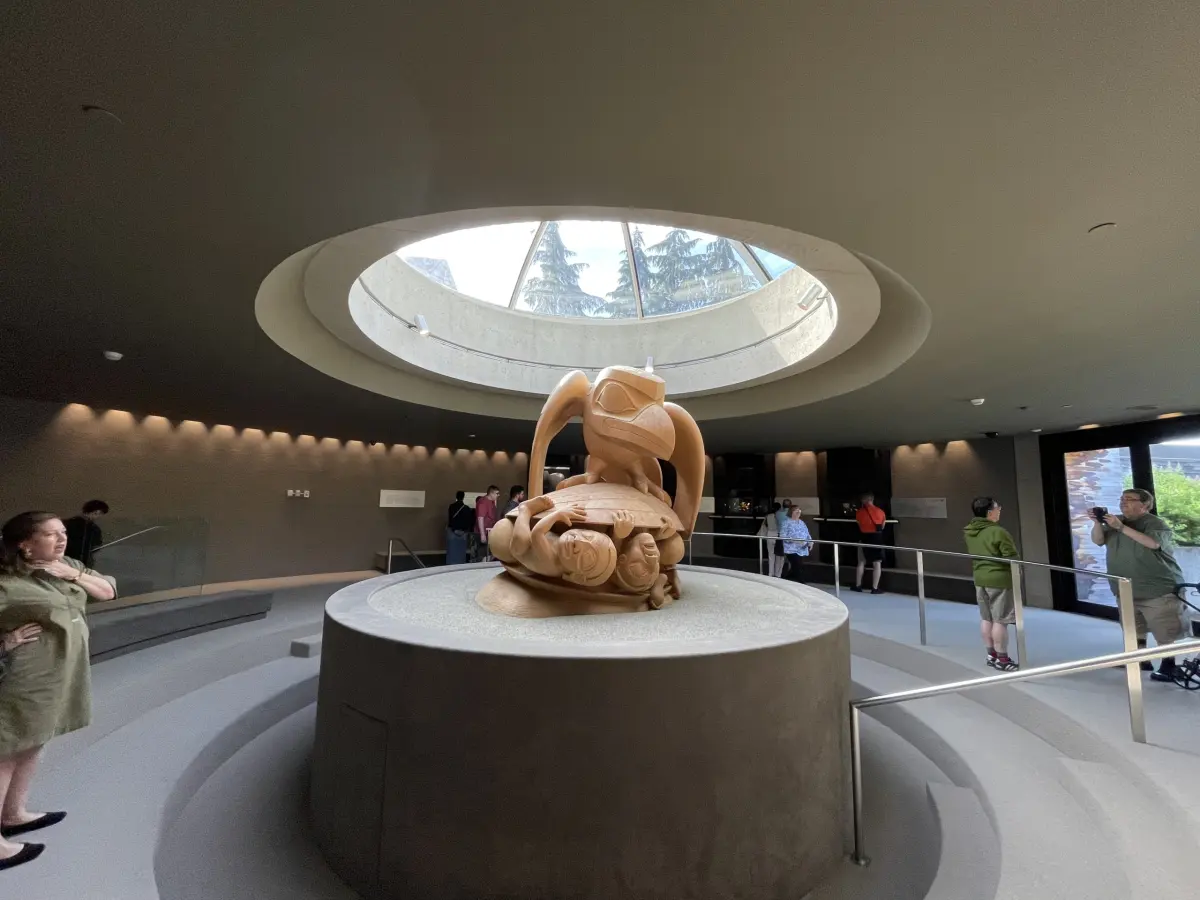
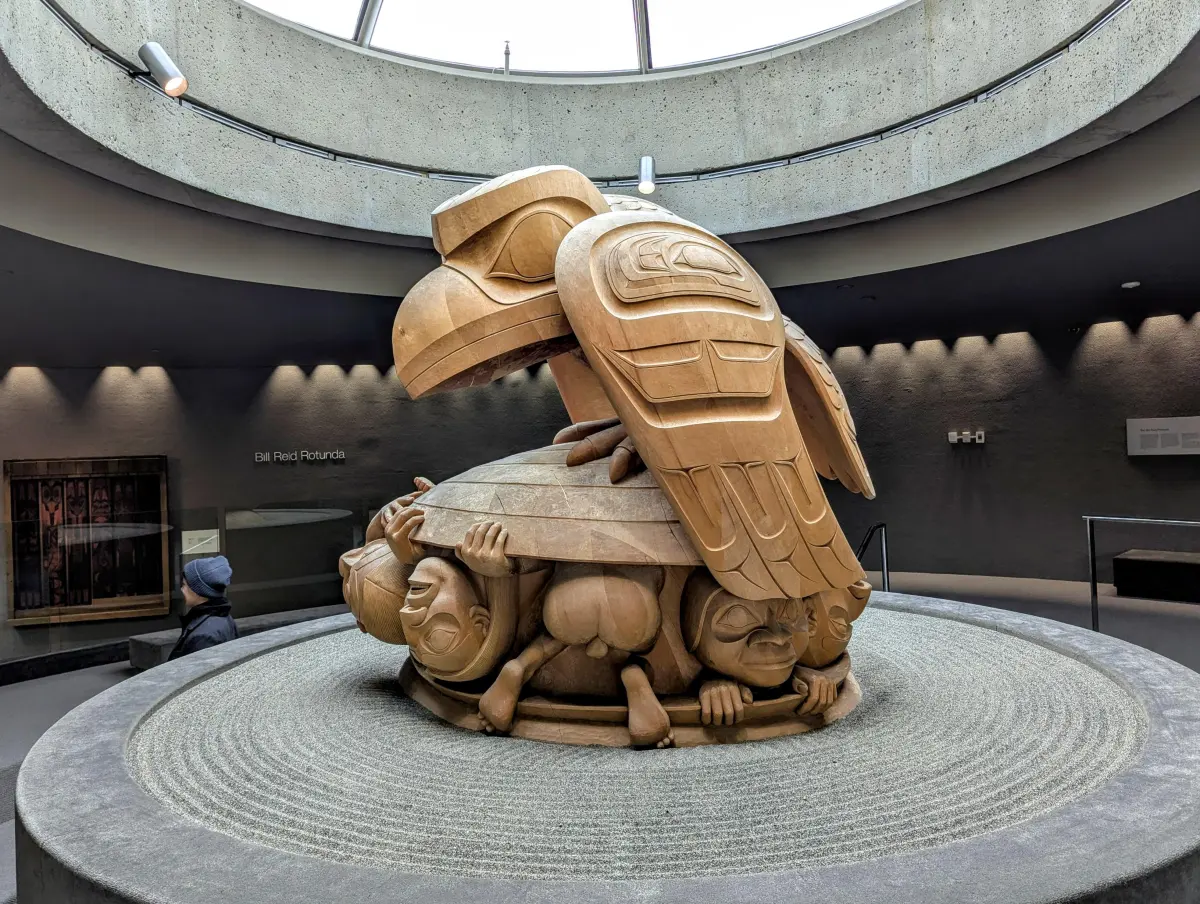
The Museum of Anthropology (MOA) is internationally recognized for its extensive collection of Northwest Coast First Nations art. The museum houses thousands of objects, including massive totem poles, intricate wood carvings, and historical textiles. Its most famous piece is "The Raven and the First Men," a monumental yellow cedar sculpture by the renowned Haida artist Bill Reid. This piece is centrally displayed in the Great Hall, a space designed to mimic the architectural style of traditional Haida longhouses.
Beyond its focus on Indigenous art of the Pacific Northwest, the museum holds significant archaeological and ethnographic artifacts from across the globe. The collection includes over 50,000 ethnographic items and 535,000 archaeological objects. These displays are not merely static exhibits; they are curated to foster dialogue about colonial history, cultural preservation, and the ongoing vitality of Indigenous communities. The museum serves as a vital bridge between historical artifacts and contemporary cultural practices, making it a cornerstone of Canadian heritage.
How long does it take to explore the museum?
Most visitors find that two to three hours is the ideal amount of time to thoroughly enjoy the museum’s galleries and outdoor grounds. While you can walk through the main exhibits in about 60 minutes, the depth of the information provided on the placards and the visual impact of the Great Hall often encourage a slower pace. If you are interested in the temporary exhibitions or the multilingual audio tours, you should budget at least half a day.
To make the most of your visit, consider the following layout:
- The Great Hall: Spend at least 30 minutes here to admire the massive totem poles and the Bill Reid sculpture.
- The Multiversity Galleries: These visible storage areas contain thousands of objects; allow extra time if you enjoy browsing detailed collections.
- The Outdoor Grounds: Walk the pathways to see the Haida houses and the stunning views of the Burrard Inlet.
- The Temporary Exhibit Space: Check the museum website beforehand to see if a featured artist or special topic interests you.

Best tips for visiting the museum
The museum is located on the UBC campus in Vancouver, about a 20-minute drive from the downtown core. It is highly accessible by public transit, with several bus routes terminating near the campus. If you are driving, there is paid parking available in the nearby lots, though these can fill up quickly during the academic term. It is highly recommended to purchase your tickets online in advance to skip the queue at the admissions desk.
When planning your trip, keep these practical steps in mind:
- Check the museum website for current operating hours, as they may shift during university breaks or holidays.
- Wear comfortable walking shoes, as the museum grounds include gravel paths and outdoor installations.
- Bring a camera, as photography is permitted in most areas, provided you do not use flash or tripods.
- Visit on a clear day to take full advantage of the floor-to-ceiling windows in the Great Hall, which offer spectacular views of the mountains and ocean.
Common mistakes when visiting the museum
A frequent error is rushing through the Multiversity Galleries. Unlike traditional museums that display only a fraction of their holdings, the MOA uses glass cases to display thousands of items at once. Visitors often glance at these rows and move on, missing the chance to see rare artifacts that are rarely exhibited elsewhere. Take the time to read the digital catalogs provided at the kiosks, which offer deeper context for the items you see behind the glass.
Another common mistake is neglecting the outdoor area. Many visitors stay inside the main building and miss the Haida houses and the Musqueam house posts located on the grounds. These structures provide essential context for understanding the relationship between the architecture and the environment. Additionally, failing to check the museum’s calendar for guided tours is a missed opportunity. The museum offers excellent docent-led tours that provide nuanced historical perspectives that are not always evident from reading the exhibit labels alone.
Why the museum is important for cultural understanding
The Museum of Anthropology is a leader in the movement toward decolonizing museum practices. It works closely with Indigenous communities to ensure that artifacts are displayed with respect and that the narratives reflect the voices of the people who created them. This collaborative approach is evident in the way the museum handles repatriation and the sharing of cultural knowledge. It is not just a repository for objects; it is a living space for community engagement and cultural reclamation.
Visiting the MOA provides a profound look at the resilience and sophistication of Indigenous cultures. By showcasing the artistry of the past alongside contemporary works, the museum challenges visitors to reconsider their understanding of history. Whether you are a scholar, an art enthusiast, or a casual tourist, the museum offers a transformative experience. It forces a confrontation with the complexities of the past while celebrating the enduring beauty of human creativity. It remains one of the most significant cultural institutions in North America, ensuring that its legacy continues to resonate with every visitor who walks through its doors.
Key facts
- The museum is located on the University of British Columbia campus in Vancouver, housed in a landmark building designed by architect Arthur Erickson.
- It holds one of the world’s finest displays of First Nations art from the Pacific Northwest, including iconic totem poles and carvings.
- The Great Hall features massive cedar carvings and house posts set against floor-to-ceiling glass walls overlooking the Pacific Ocean.
- The collection contains over 50,000 ethnographic objects and 535,000 archaeological items from around the globe.
- Bill Reid’s famous sculpture, "The Raven and the First Men," is a centerpiece of the museum and is featured on the Canadian twenty-dollar bill.
- Visitors should plan for at least two to three hours to explore both the permanent galleries and the rotating temporary exhibitions.
The bottom line
The Museum of Anthropology is a world-class destination that offers a profound look at the artistic and cultural heritage of the Pacific Northwest. Its stunning architecture and vast collection of Indigenous masterpieces provide an educational experience unmatched in the region. Whether you are an art enthusiast or a curious traveler, the museum is well worth a visit for its unique combination of history, design, and scenery.
People also ask
Is the museum accessible by public transit?
Yes, you can reach the museum by taking the R4 RapidBus from downtown Vancouver or the UBC bus loop. It is a short walk from the campus transit exchange to the museum entrance.
Are there guided tours available?
The museum offers daily guided tours that provide deeper context into the Indigenous history and cultural significance of the artifacts. Check the official website schedule upon arrival to join a session.
Can I take photographs inside the galleries?
Photography is generally permitted for personal, non-commercial use throughout most of the museum. However, some specific exhibits or sensitive cultural items may be marked as off-limits to protect their integrity.
Does the museum have a cafe or gift shop?
The museum features a gift shop that specializes in authentic Indigenous art, jewelry, and books. While there is no full-service restaurant inside, there are numerous dining options nearby on the UBC campus.
Is the museum fully wheelchair accessible?
The entire facility is designed to be accessible, featuring ramps, elevators, and wide corridors throughout all exhibition spaces. Wheelchairs are also available for loan at the admissions desk on a first-come, first-served basis.
Are there discounts for students or seniors?
Yes, the museum offers reduced admission rates for seniors, students, and youth. Proof of status may be required at the admissions desk to secure these discounted tickets.
This answer was created with the help of AI research tools and reference sources. Spotted an error? Let us know — we correct mistakes quickly. See our editorial policy.