What is formline art?
Short answer
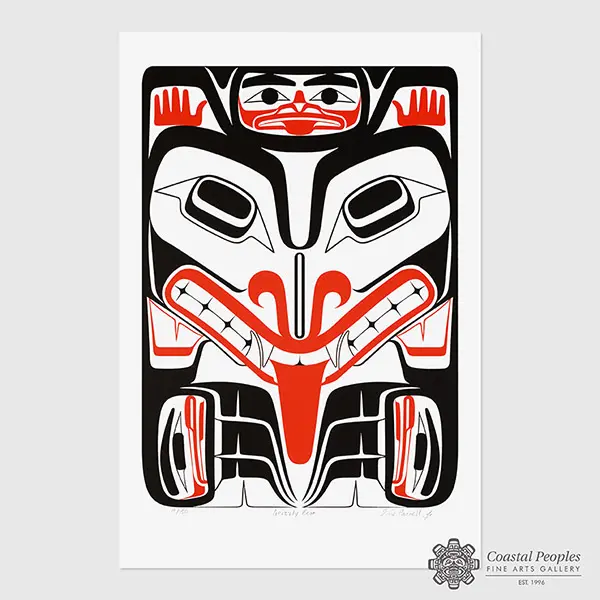
Formline art is a sophisticated two-dimensional design system developed by Indigenous peoples of the Northwest Coast of North America, including the Tlingit, Haida, and Tsimshian. It utilizes continuous, flowing lines of varying thickness—known as ovoids, U-forms, and S-forms—to create intricate, stylized representations of animals, ancestors, and supernatural beings within a structured, interconnected framework.
On this page
What are the core elements of formline art?
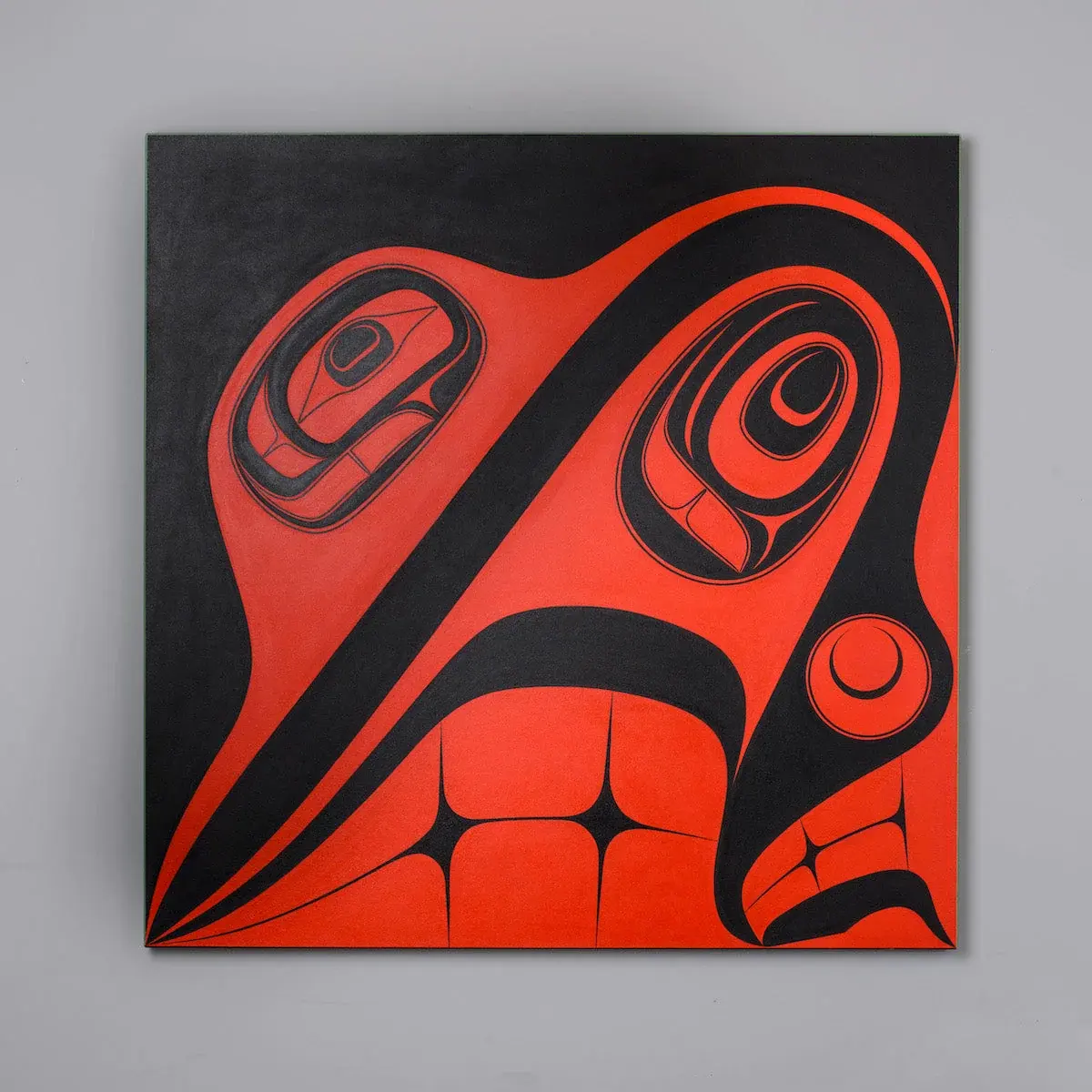
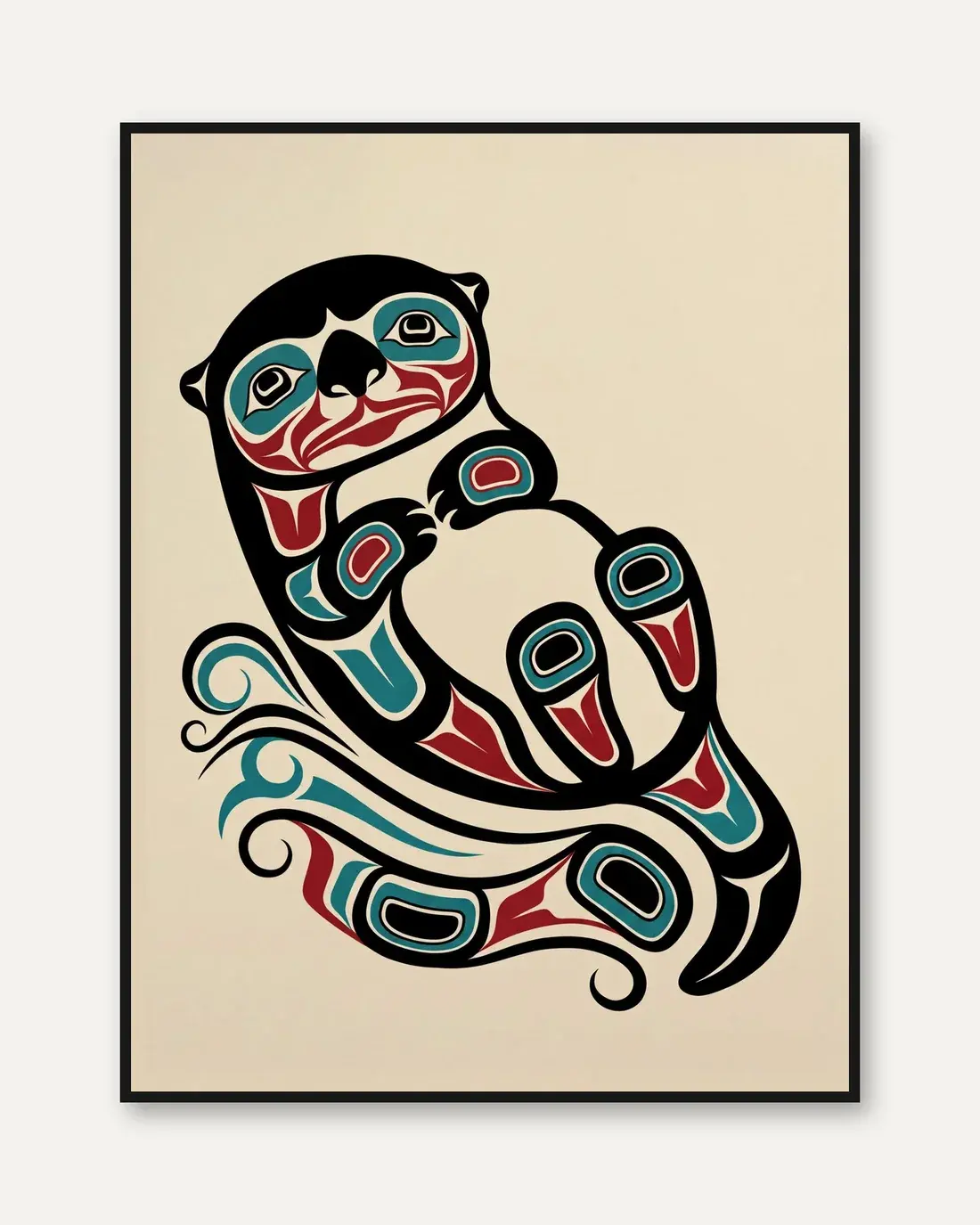
Formline art is defined by a rigorous set of geometric shapes that dictate the flow and composition of a design. The primary component is the "formline" itself, a continuous, swelling, and tapering line that outlines the subject matter. These lines are almost always black, serving as the skeletal structure, while secondary colors like red are used to fill in specific voids or highlight internal details. The system relies on three fundamental shapes: the ovoid, the U-form, and the S-form.
The ovoid is a rounded, rectangular shape that typically serves as the "eye" or a major joint in a figure. The U-form acts as a structural bracket, often used to define limbs or feathers, while the S-form creates the dynamic, flowing movement that connects these elements. By mastering these three shapes, artists can create complex, interlocking designs that fit perfectly into specific spatial boundaries, such as a carved house post or a painted bentwood box.
How to identify traditional formline designs?
Identifying authentic formline art requires an understanding of the "positive" and "negative" space relationship. In this tradition, the black formline is considered the positive space, while the background or the interior gaps represent negative space. A hallmark of the style is that the line thickness changes dynamically; it expands to emphasize tension and tapers to create grace. This creates a sense of rhythmic movement that leads the viewer's eye across the entire composition.
When examining a piece, look for these specific characteristics:
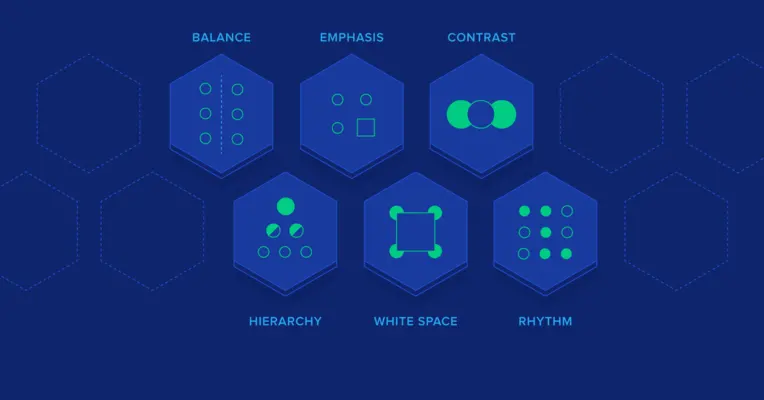
- Symmetry and balance: Designs are often mirrored or carefully weighted to maintain visual stability.
- Stylized anatomy: Features like eyes, ears, and joints are often exaggerated or placed in non-naturalistic positions to fit the formline structure.
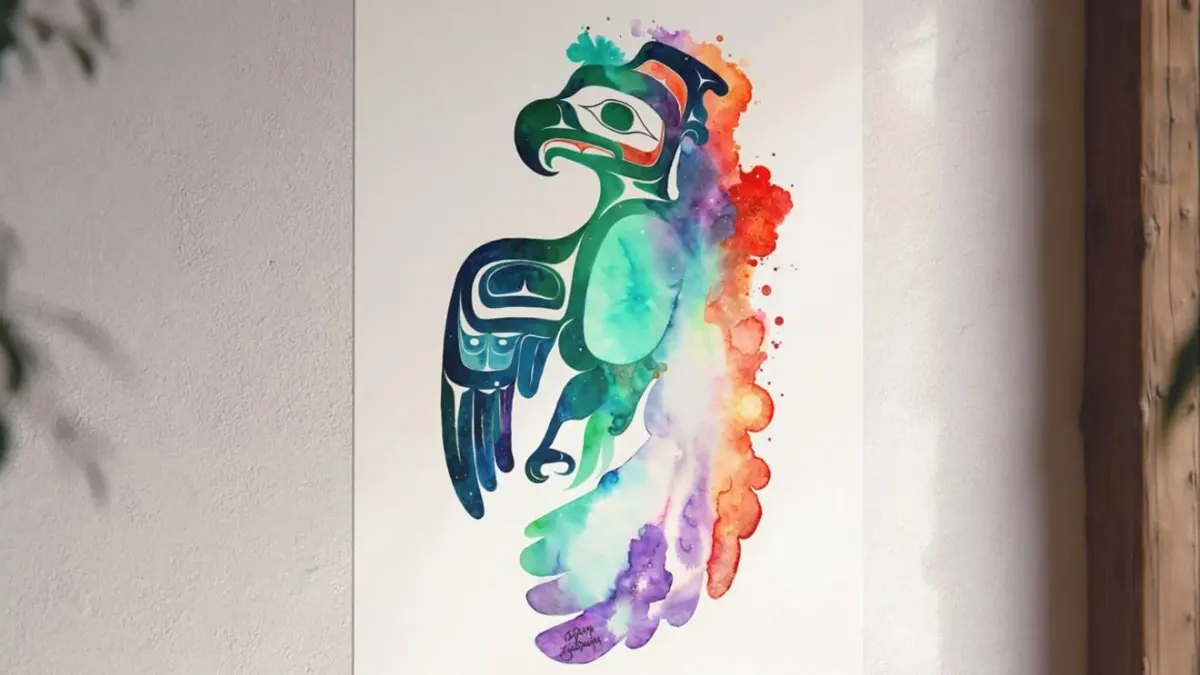
- Color hierarchy: Black is the dominant structural color, followed by red as a secondary color, and occasionally blue or yellow as tertiary accents.
- Interlocking geometry: Every element is connected to another, ensuring there is no "floating" space that does not serve the overall design.
How do artists create formline compositions?
Creating formline art is a disciplined process that begins with careful planning and layout. Artists traditionally use a grid or a set of proportional measurements to ensure the design fits the intended surface. The process is additive, meaning the artist builds the design layer by layer, starting with the primary formlines that establish the main figure, then adding secondary details to fill the interior spaces.
Follow these steps to understand the construction process:
- Establish the boundary: Determine the shape of the surface, such as a circle, square, or rectangle, and draw the outer perimeter.
- Place the primary ovoids: Position the eyes or main joints, as these anchor the rest of the composition.
- Connect with formlines: Draw the primary lines that flow from the ovoids to define the body, limbs, and head of the subject.
- Add secondary U-forms: Fill the remaining space with U-forms to create texture, feathers, or scales.
- Apply color: Fill the primary lines with black and secondary areas with red to finalize the visual hierarchy.
Why is formline art significant to Northwest Coast cultures?
Formline art is more than just a decorative style; it is a visual language that records history, genealogy, and mythology. For the Tlingit, Haida, Tsimshian, and other coastal nations, these designs serve as crests. A crest identifies an individual’s lineage, social status, and rights to specific stories or territories. When a figure is depicted on a totem pole or a ceremonial blanket, it is telling a story that is deeply tied to the identity of the person or family who commissioned it.
The preservation of this art form has been a central pillar of cultural resilience. During the late 19th and early 20th centuries, colonial policies such as the potlatch ban attempted to suppress these traditions. However, the knowledge of formline construction was passed down through generations of master carvers and painters. Today, the revival of formline art is a testament to the endurance of these cultures, serving as a powerful medium for contemporary political expression and the reclamation of ancestral heritage.
Common mistakes when studying formline art?
One of the most frequent errors for beginners is attempting to draw formlines without understanding the underlying geometric logic. Many newcomers focus on the "look" of the animal—such as the beak of a raven or the fin of a killer whale—rather than the structure of the lines themselves. If the lines do not taper or swell according to the rules of the system, the design loses its characteristic fluidity and appears static or disconnected.
Avoid these common pitfalls to improve your understanding:
- Neglecting the taper: Forgetting to thin the line at the ends makes the design look heavy and clumsy.
- Ignoring negative space: Failing to treat the background as an active part of the design leads to cluttered, unreadable compositions.
- Over-complicating the palette: Using too many colors distracts from the structural integrity of the black formlines.
- Misplacing the ovoid: If the primary joints are not aligned with the center of gravity, the figure will appear lopsided or distorted.
- Copying without context: Treating the art as purely aesthetic ignores the deep cultural and familial meanings embedded in every crest.
Key facts
- Formline art is a sophisticated two-dimensional design system developed by Indigenous peoples of the Northwest Coast of North America.
- The style relies on three primary elements: the ovoid (a rounded rectangle), the U-form, and the S-form.
- Artists traditionally use a restricted color palette of black, red, and occasionally yellow or blue.
- The lines vary in thickness, swelling and tapering to create a sense of movement and tension within the design.
- Composition is governed by strict rules of symmetry and balance, often depicting crest figures like ravens, eagles, or whales.
- To practice formline, always draw the primary black outlines first before filling in secondary red details or negative spaces.
The bottom line
Formline art is a highly refined visual language defined by its fluid, interconnected lines and iconic shapes like the ovoid and U-form. By mastering the relationship between thick primary outlines and thinner secondary details, artists create dynamic images of cultural significance. Understanding these structural rules is essential for anyone looking to appreciate or practice this ancient, sophisticated Northwest Coast design tradition with proper respect and accuracy.
People also ask
What is the significance of the ovoid in formline art?
The ovoid is the foundational shape used to represent joints, eyes, or faces. It acts as a container for other design elements and provides the structural anchor for the entire composition.
How do I distinguish between primary and secondary lines?
Primary lines are the thickest black strokes that define the main subject and its major features. Secondary lines are thinner, often red, and serve to fill space or add decorative detail within the primary structure.
Is formline art only used for totem poles?
No, formline is a versatile design language applied to many mediums including bentwood boxes, house fronts, masks, jewelry, and textiles. It is a graphic system that translates across wood, metal, and fabric.
What are the most common mistakes beginners make when drawing formline?
Beginners often make lines of uniform thickness, which removes the characteristic "tension" of the style. Another error is failing to maintain the consistent flow of the "path" where lines should connect logically rather than ending abruptly.
Does formline art represent a specific tribe?
Formline is shared among several nations, including the Tlingit, Haida, Tsimshian, Heiltsuk, and Kwakwaka'wakw. While regional variations exist, the core design principles remain consistent across these coastal cultures.
Can I use any colors I want in formline designs?
Traditional formline is strictly limited to black, red, and occasionally yellow or blue-green. Using a wide variety of modern colors often obscures the clarity of the form and violates the aesthetic conventions of the style.
This answer was created with the help of AI research tools and reference sources. Spotted an error? Let us know — we correct mistakes quickly. See our editorial policy.