What is Baroque architecture?
Short answer
Baroque architecture is a highly ornate, dramatic style that emerged in late 16th-century Italy. It emphasizes grandeur, movement, and emotional intensity through the use of curved lines, complex geometry, and theatrical lighting. Designed to inspire awe and convey the power of the Catholic Church and absolute monarchs, it dominated European construction until 1750.
On this page
What are the key features of Baroque architecture?
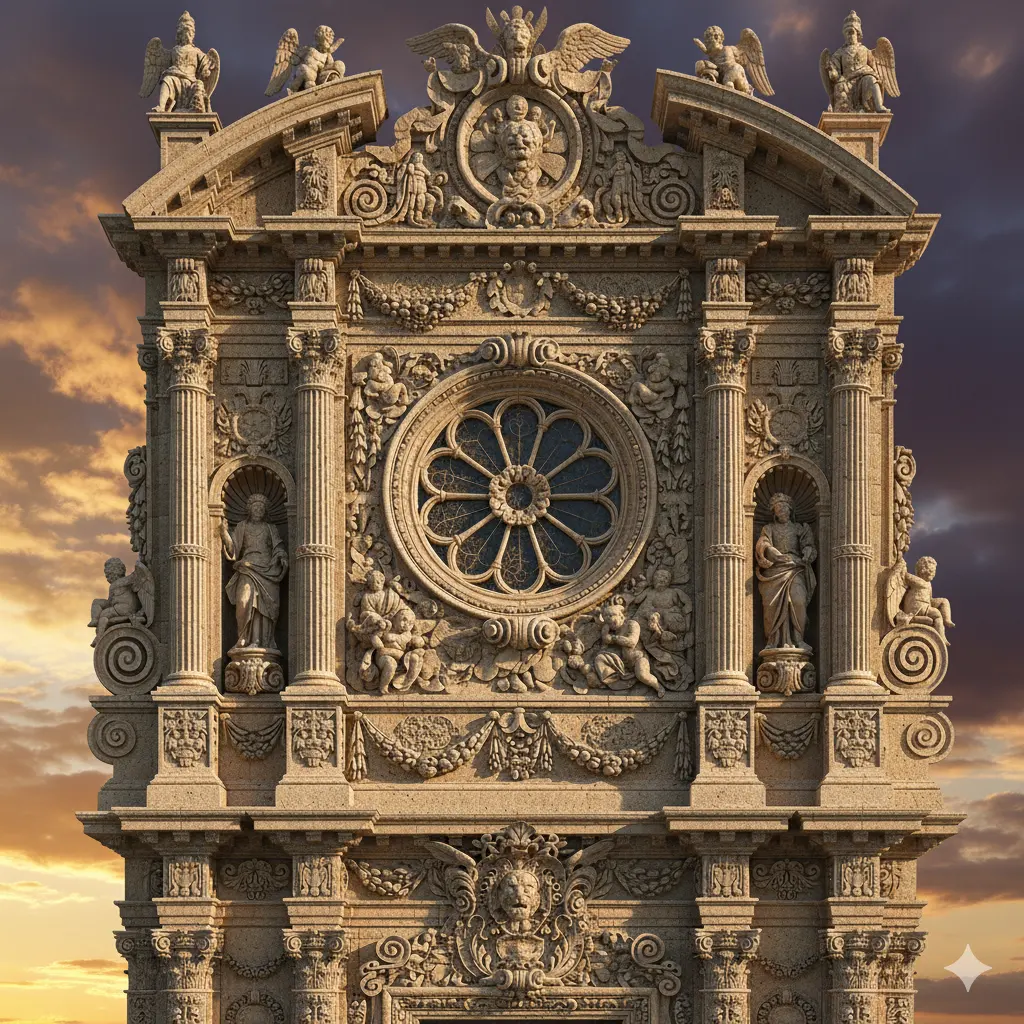
Baroque architecture is defined by its rejection of the static, balanced proportions of the Renaissance. Instead, architects utilized dynamic forms, such as oval floor plans and undulating walls, to create a sense of motion. The style is characterized by "chiaroscuro," a technique involving the deliberate manipulation of light and shadow to heighten dramatic effect. Buildings often feature massive scale, colossal columns, and elaborate ornamentation that blurs the lines between architecture, painting, and sculpture.
Key elements that define this architectural movement include:
- Concave and convex facades that create a rhythmic, wave-like appearance.
- Painted ceilings using "trompe l'oeil" to create the illusion of infinite space.
- Rich materials, including gilded wood, colorful marble, and elaborate stucco work.
- Grand staircases designed as theatrical centerpieces for public display.
- Integrated sculpture and frescoes that follow the curvature of the walls.
These elements work together to transform a physical structure into a stage for religious or political theater. By prioritizing emotional impact over structural simplicity, Baroque architects successfully turned cathedrals and palaces into immersive environments that directed the viewer’s gaze and dictated their experience of the space.
How to identify Baroque buildings in the wild
Identifying a Baroque structure requires looking for a sense of "theatricality" in the design. Start by examining the facade; if the walls appear to curve or ripple rather than remain flat, you are likely looking at a Baroque or later Rococo design. Look for broken pediments—triangular or arched structures above doors and windows that are deliberately interrupted at the top. These details are intended to draw the eye upward and create a sense of tension.
When observing the interior, keep these visual cues in mind:
- Search for central domes that are often oval or elliptical rather than perfectly circular.
- Check for "quadratura," which is architectural painting that extends the ceiling into a fake sky or heavens.
- Look for heavy use of gold leaf and intricate carvings that cover nearly every available surface.
- Observe the lighting; Baroque interiors often feature hidden windows that cast focused beams of light onto altars or statues.
By focusing on these specific decorative and structural choices, you can distinguish Baroque work from the more restrained Neoclassical buildings that followed. The Baroque style is intentionally overwhelming, aiming to leave the visitor feeling small in the presence of divine or royal authority.
Why did the Baroque style become so popular?
The Baroque movement was largely an instrument of the Counter-Reformation, the Catholic Church's response to the Protestant Reformation. Church leaders realized that art and architecture could be used to win back the hearts and minds of the faithful. By creating spaces that felt like a direct glimpse into heaven, the Church hoped to inspire religious fervor and awe among the masses. The style was essentially a form of visual propaganda designed to demonstrate the triumph and vitality of the faith.
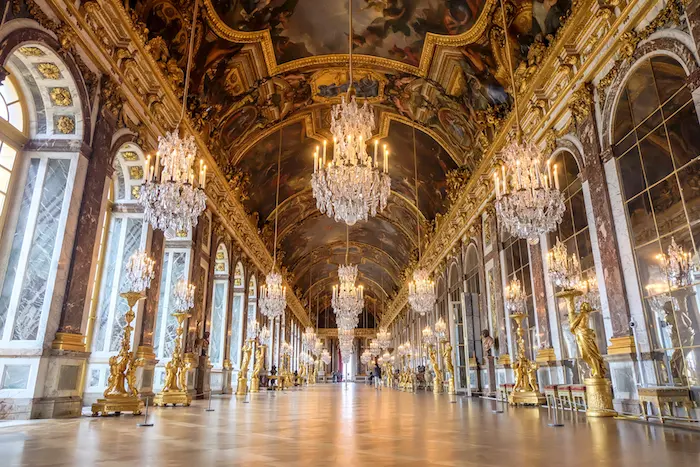
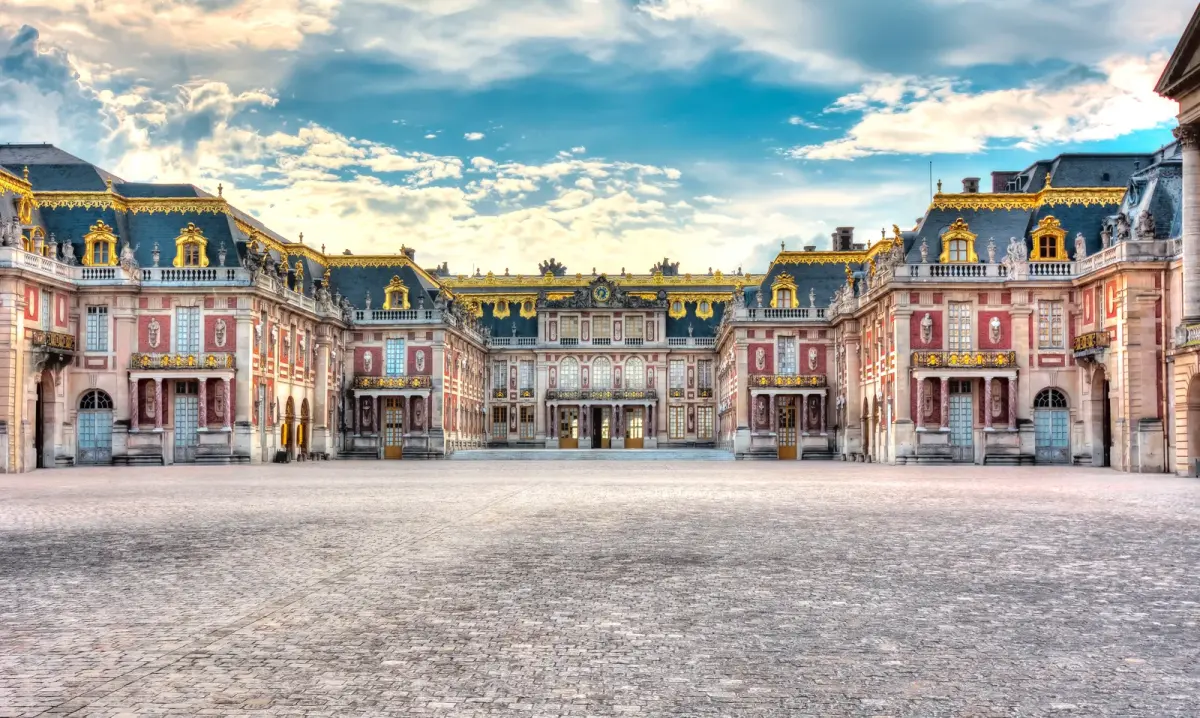
Beyond the Church, absolute monarchs across Europe adopted the Baroque style to solidify their own power. Kings like Louis XIV of France used the grandeur of the style to project an image of untouchable authority and wealth. The scale of projects like the Palace of Versailles served as a physical manifestation of the state's reach and stability. By commissioning works that were intentionally expensive and technically difficult, rulers signaled their dominance over both their subjects and their political rivals.
Common mistakes when studying Baroque architecture
A frequent error is confusing Baroque with the later Rococo style. While both are ornate, Baroque is characterized by deep, heavy colors, dramatic shadows, and a sense of monumental weight. Rococo, which emerged in the 18th century, is much lighter, featuring pastel colors, asymmetrical shells, and delicate, airy motifs. If a building feels heavy and imposing, it is almost certainly Baroque; if it feels playful and light, it is likely Rococo.
Another mistake is assuming that Baroque architecture is purely decorative. In reality, the complexity of the design served specific functional purposes, such as acoustics for music or sightlines for processions. To truly understand these structures, one must avoid these common pitfalls:
- Ignoring the urban context, as Baroque buildings were often designed as part of a larger city plan.
- Overlooking the role of the architect as a master of illusion rather than just a builder.
- Assuming the style was uniform across Europe, when it actually adapted to local tastes in places like Spain, Austria, and Russia.
Where to see the best examples of Baroque architecture
If you want to experience the pinnacle of the style, Italy remains the primary destination. Rome is home to the works of Gian Lorenzo Bernini and Francesco Borromini, the two giants of the era. St. Peter’s Square is perhaps the most famous example of Baroque urban design, utilizing massive colonnades to create a welcoming, theatrical embrace for pilgrims. Visiting these sites allows you to see how the architecture interacts with the surrounding city squares and fountains.
Outside of Italy, you can find stunning regional variations that highlight the versatility of the Baroque movement:
- The Palace of Versailles in France, which showcases the "French Baroque" style of royal grandeur.
- The Karlskirche in Vienna, Austria, which blends classical elements with intense Baroque drama.
- The Cathedral of Santiago de Compostela in Spain, which features an elaborate, highly decorated "Churrigueresque" facade.
- The Winter Palace in Saint Petersburg, Russia, demonstrating how the style was adapted for imperial northern climates.
Each of these locations offers a unique perspective on how the architecture was used to communicate power and faith across different cultures. By visiting these landmarks, you can appreciate the sheer engineering skill required to execute such complex, curved designs without the aid of modern technology.
Key facts
- Baroque architecture emerged in late 16th-century Italy as a tool of the Catholic Counter-Reformation to inspire awe.
- Key features include dramatic lighting, intense colors, and complex shapes like ovals rather than simple circles or squares.
- Architects often used "trompe l'oeil" painting techniques to create the illusion of infinite space on flat ceilings.
- To identify a Baroque building, look for excessive ornamentation, gilded statues, and curved walls that suggest movement.
- When studying these structures, focus on the "total work of art" concept where architecture, painting, and sculpture blend seamlessly.
- Avoid mistaking Rococo for Baroque; Rococo is a later, lighter, and more delicate style characterized by pastel colors and asymmetrical shell-like motifs.
The bottom line
Baroque architecture is defined by its theatricality, emotional intensity, and complex spatial arrangements. By utilizing dramatic light, ornate sculpture, and curved forms, architects sought to create immersive experiences that inspired wonder. This style served as a powerful instrument for both religious and political authorities to demonstrate their influence. Understanding the interplay between structure and decoration is essential to appreciating this grand, influential period of design.
People also ask
How does Baroque architecture differ from Renaissance architecture?
Renaissance architecture emphasizes symmetry, clear geometry, and calm proportions based on classical antiquity. In contrast, Baroque architecture prioritizes movement, emotional intensity, and grand, theatrical displays to overwhelm the senses.
Who was the most influential architect of the Baroque period?
Gian Lorenzo Bernini is widely considered the master of the Roman Baroque. His work on St. Peter’s Square and the Baldacchino within St. Peter’s Basilica defined the era’s dramatic aesthetic.
What is the significance of the oval in Baroque design?
The oval replaced the static circle used in the Renaissance because it introduced a sense of tension and directional movement. This shape allowed architects to create more dynamic floor plans that felt constantly in flux.
Why did the Catholic Church promote this architectural style?
The Church used the grandeur of Baroque art to combat the austerity of the Protestant Reformation. By creating breathtaking, immersive environments, they aimed to reaffirm the power and majesty of the faith.
Are there examples of Baroque architecture outside of Europe?
Yes, the style spread globally through colonial expansion, particularly to Latin America and the Philippines. These regions often blended European Baroque with indigenous craftsmanship, resulting in a unique style known as Churrigueresque or Colonial Baroque.
What defines the "Baroque" period chronologically?
The movement began in Rome around 1600 and remained the dominant style across Europe until roughly 1750. Its transition into the lighter, more decorative Rococo style marked the end of the high Baroque era.
This answer was created with the help of AI research tools and reference sources. Spotted an error? Let us know — we correct mistakes quickly. See our editorial policy.