What is moss?
Short answer
Mosses are small, non-vascular flowerless plants in the division Bryophyta. They lack true roots, stems, and leaves, instead absorbing water and nutrients directly through their surface tissues. Typically found in dense green clumps or mats, mosses thrive in damp, shaded environments and reproduce via spores rather than seeds or flowers.
On this page
What are the characteristics of moss?
Mosses are primitive plants that have existed for over 400 million years. Unlike vascular plants, they lack a complex internal plumbing system of xylem and phloem to transport water and nutrients. Instead, they rely on osmosis and diffusion, which explains why they are almost always found in moist, humid environments. Because they lack true roots, they use thread-like structures called rhizoids to anchor themselves to surfaces like soil, bark, or stone.
These plants are unique in their life cycle, which alternates between two distinct stages: the gametophyte and the sporophyte. The green, leafy part of the moss you see most often is the gametophyte, which produces reproductive cells. The sporophyte is the temporary, stalk-like structure that grows out of the top to release spores into the wind. This dual-stage process allows moss to colonize diverse environments, from the arctic tundra to tropical rainforests, by surviving conditions that would kill more complex vegetation.
Where does moss grow best?
Moss thrives in environments that provide consistent moisture and protection from direct, scorching sunlight. While many people associate moss exclusively with deep forests, it is highly adaptable and can be found on rooftops, sidewalks, and even in desert crevices. The primary requirement for growth is a surface that remains damp for long periods, as moss cannot store water internally like a succulent.
When choosing a location for moss, consider these environmental factors:
- Humidity: High ambient moisture is essential for the plant to remain hydrated.
- Light levels: Filtered light or deep shade prevents the moss from drying out too quickly.
- Surface texture: Rough surfaces like porous stone, untreated wood, or compacted soil provide the best grip for rhizoids.
- pH levels: Most mosses prefer slightly acidic conditions, typically between 5.0 and 6.0.
Avoid areas with high foot traffic or heavy chemical runoff, as these will quickly damage the delicate, thin-walled tissues of the plant.
How to grow moss in a garden?
Growing moss is a rewarding project for those looking to add a lush, velvet-like texture to shaded garden areas. You can either encourage existing moss to spread or transplant patches from a nearby source. If harvesting from the wild, always ensure you have permission and take only small amounts to avoid damaging the local ecosystem.
Follow these steps to establish a moss patch:
- Clear the area of weeds, leaves, and debris to expose the soil surface.
- Ensure the soil is compacted and level to provide a stable foundation.
- Moisten the area thoroughly with a fine mist of water.
- Press small clumps of moss firmly into the soil to ensure good contact between the rhizoids and the earth.
- Keep the area consistently damp for at least three to four weeks until the moss establishes a firm hold.
Using a mixture of buttermilk and moss blended in a food processor is a common technique to create a "slurry" that can be painted onto rocks or pots to encourage growth.
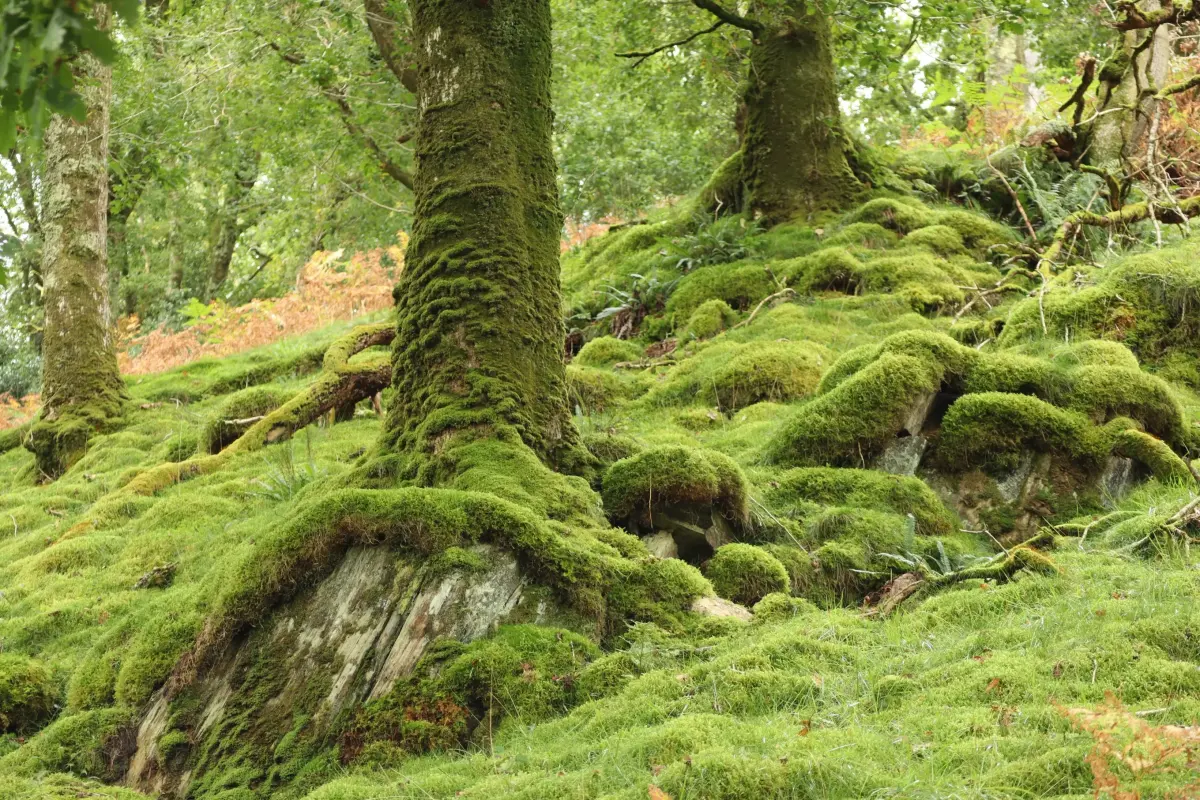
Why does moss grow on trees and roofs?
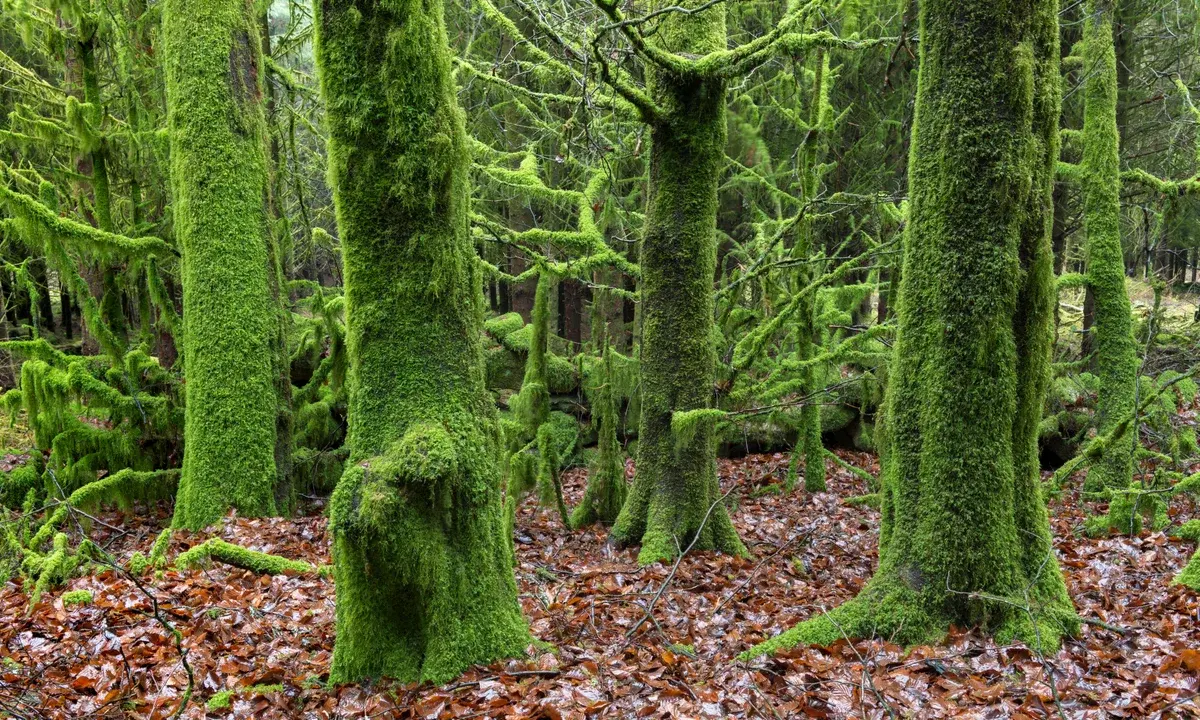
Moss growth on trees and roofs is often misunderstood as a sign of decay, but it is usually just an indicator of moisture and shade. On trees, moss acts as an epiphyte, meaning it uses the tree only for physical support and does not steal nutrients from the bark. It does not harm healthy trees, though it may indicate that the tree has a thin canopy or is located in an area with poor airflow.
On roofs, moss growth is common on the north-facing side, which receives the least amount of sunlight. Over time, the moisture held by the moss can cause shingles to lift or deteriorate, potentially leading to leaks. To manage this, homeowners often use zinc or copper strips near the roof ridge. When rain hits these metal strips, it releases ions that inhibit moss growth, keeping the roof surface clean without the need for harsh chemical scrubbers or power washing.
Common mistakes when caring for moss
The most frequent error in moss care is over-fertilization. Moss does not have a root system to process synthetic fertilizers, and the salts in these products can quickly burn and kill the plant. If you want to encourage growth, focus entirely on water quality and light management rather than adding nutrients. Using tap water with high chlorine content can also be detrimental; if possible, use collected rainwater or distilled water for misting.
Avoid these common pitfalls to keep your moss healthy:
- Walking on the moss: The delicate structure is easily crushed and takes a long time to recover.
- Using chemical herbicides: These are often fatal to moss and can leave the area barren for years.
- Ignoring drainage: While moss loves moisture, it cannot survive in standing, stagnant water, which leads to rot.
- Allowing leaf litter to accumulate: Thick layers of decaying leaves can smother the moss and block necessary light.
By maintaining a clean, moist, and undisturbed environment, you can enjoy the vibrant green beauty of moss throughout the seasons.
Key facts
- Mosses are non-vascular plants belonging to the division Bryophyta that reproduce via spores rather than seeds.
- They lack true roots, instead using hair-like structures called rhizoids to anchor themselves to surfaces like rocks or soil.
- Mosses do not have a vascular system, so they absorb water and nutrients directly through their leaves from the air and rain.
- There are over 12,000 known species of moss distributed across nearly every terrestrial ecosystem on Earth.
- To encourage moss growth in a garden, maintain high moisture levels and keep the soil pH slightly acidic.
- A common mistake is over-fertilizing moss; they thrive in nutrient-poor environments and can be killed by standard chemical fertilizers.
The bottom line
Mosses are resilient, non-vascular plants that play a vital role in ecosystems by retaining moisture and preventing soil erosion. By absorbing nutrients directly through their leaves, they thrive in damp, shaded environments where other plants struggle. Whether you are cultivating a moss garden or managing lawn growth, understanding their unique reliance on moisture and lack of true roots is essential for successful maintenance and environmental balance.
People also ask
Does moss need sunlight to grow?
Most moss species prefer partial to full shade, as direct, intense sunlight can dry them out quickly. However, some varieties can tolerate brighter conditions if they are kept consistently moist.
Can moss grow on concrete or brick?
Yes, moss frequently colonizes porous surfaces like concrete, brick, and stone because these materials hold moisture well. You can encourage this by applying a mixture of blended moss and buttermilk to the surface.
Is moss harmful to trees?
Moss is an epiphyte, meaning it grows on trees for support but does not derive nutrients from them. It does not harm a healthy tree, though it may indicate that the tree has thinning foliage or is growing slowly.
How do I remove moss from my lawn?
Moss typically grows in lawns due to poor drainage, soil compaction, or excessive shade. Aerating the soil, improving drainage, and pruning overhanging branches to increase sunlight are the most effective ways to discourage its growth.
Do mosses have flowers or seeds?
No, mosses are primitive plants that do not produce flowers, fruits, or seeds. They reproduce through tiny spores that are released from capsules held atop slender stalks.
Can moss survive being dried out?
Many mosses are poikilohydric, meaning they can enter a dormant state during periods of drought. Once water becomes available again, they can rehydrate and resume their metabolic activities within hours.
This answer was created with the help of AI research tools and reference sources. Spotted an error? Let us know — we correct mistakes quickly. See our editorial policy.