Where do tarantulas live?
Short answer
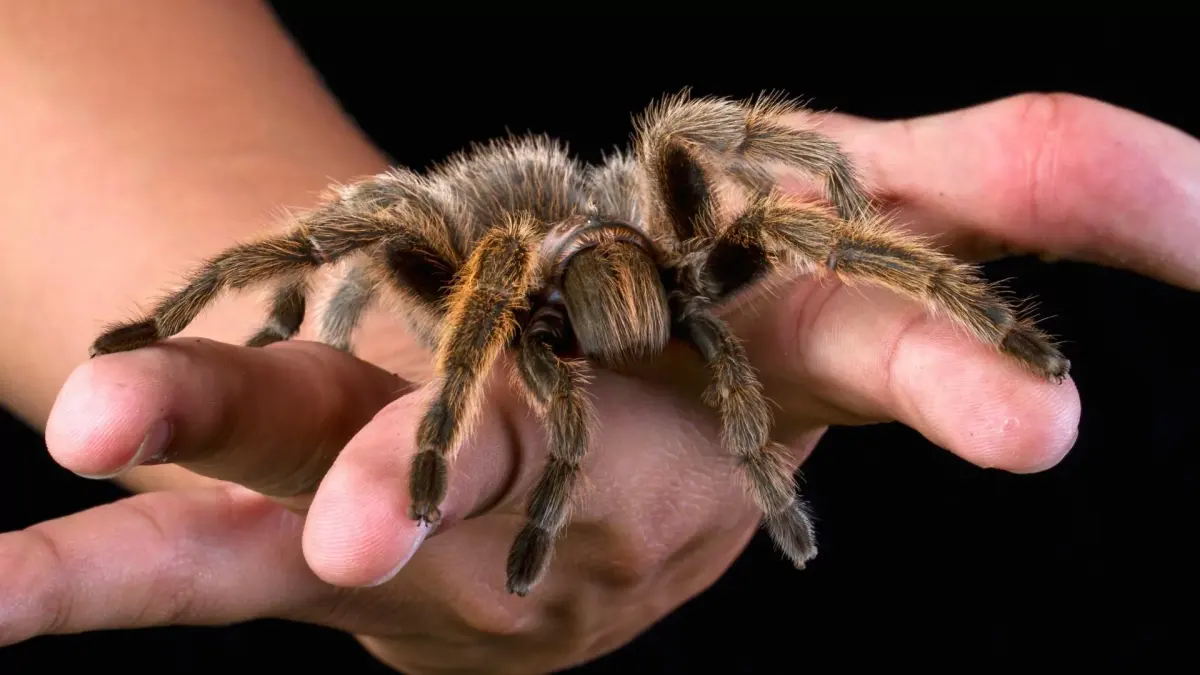
Tarantulas inhabit diverse ecosystems across every continent except Antarctica. They primarily dwell in tropical, subtropical, and desert regions, favoring warm climates. While most species reside in burrows within the ground, others are arboreal, living in trees or high foliage. Their distribution spans from the Americas and Africa to Asia and Australia.
On this page
Where are tarantulas found in the wild?
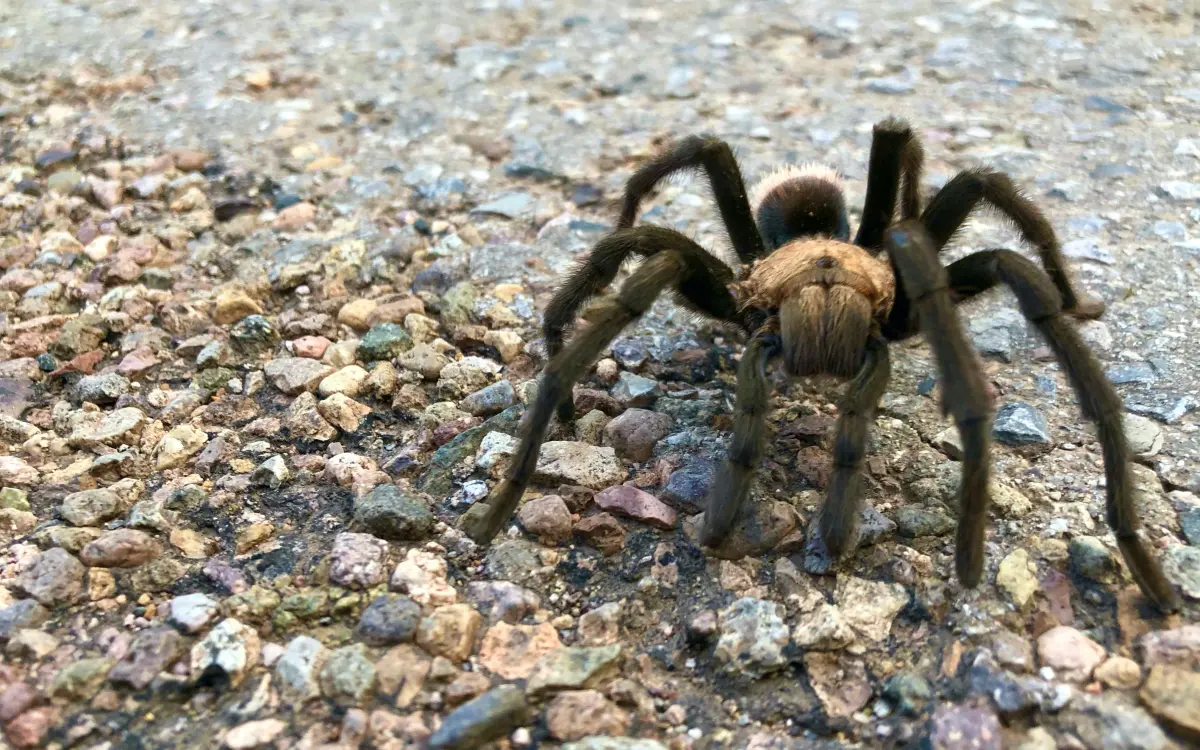
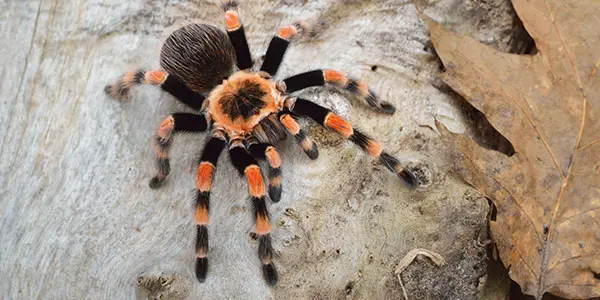
Tarantulas are remarkably adaptable arachnids, thriving in a wide variety of global environments. They are most commonly associated with arid, desert-like conditions, such as the southwestern United States and parts of Mexico, where they burrow into the sandy soil. However, they are equally prevalent in tropical rainforests and humid grasslands across South America, Africa, and Southeast Asia. These spiders are thermophilic, meaning they generally prefer warmer temperatures, which explains their absence in the freezing climates of the Arctic and Antarctic regions.
The specific habitat of a tarantula often dictates its physical behavior and lifestyle. Ground-dwelling species, or terrestrial tarantulas, spend the majority of their lives in subterranean tunnels or under natural debris like logs and rocks. Arboreal species, conversely, occupy the canopy layers of rainforests, utilizing silk to anchor themselves to tree trunks and broad leaves. Regardless of the specific location, all tarantulas require a stable environment that provides protection from predators and access to consistent prey sources like crickets, beetles, and small vertebrates.
How do tarantulas build their homes?
The architectural habits of tarantulas are as varied as their geographic locations. Terrestrial species are master excavators, often repurposing abandoned rodent burrows or digging their own deep shafts into the earth. These burrows serve as a crucial microclimate, maintaining a higher humidity level and a more stable temperature than the surface air. The spider lines the interior of these tunnels with a thick layer of silk, which reinforces the walls and alerts the occupant to the vibrations of approaching prey.
Arboreal species take a different approach, focusing on height rather than depth. They construct elaborate silk retreats, often shaped like tubes or funnels, tucked into the crevices of tree bark or the junctions of branches. These structures provide a secure hiding spot during the day, allowing the spider to remain camouflaged while waiting for the cover of darkness to hunt. Whether living in the ground or the trees, the tarantula’s home is a testament to its evolutionary efficiency.
- Locate a suitable site with soft, diggable soil or a protective tree crevice.
- Clear away loose debris to ensure a stable entrance.
- Excavate the primary tunnel or construct a silk-lined retreat.
- Reinforce the structure with layers of silk to prevent collapse.
- Maintain the entrance to ensure easy access for hunting and rapid retreat.
Can you find tarantulas in your own backyard?
Depending on your geographic location, encountering a tarantula in your backyard is a distinct possibility. In regions like Texas, Arizona, and California, it is common to see mature male tarantulas wandering in the open during late summer and early autumn. This behavior is typically linked to the mating season, as males leave their burrows to search for females. If you live in these areas, you might spot them crossing sidewalks or hiding near the foundations of homes, especially after a rainfall.
If you live outside of these specific arid zones, the likelihood of finding a native tarantula decreases significantly. While tarantulas exist in many parts of the world, they are often reclusive and nocturnal, making them difficult to spot even when they are nearby. If you are interested in observing them, look for disturbed soil or small, silk-covered holes near rocks and logs. Always maintain a respectful distance, as these spiders are defensive when they feel threatened and can deliver a painful bite or flick irritating urticating hairs.
- Check near the base of large trees or under heavy rock formations.
- Search during the early evening hours when these spiders are most active.
- Use a flashlight with a red filter to observe them without startling them.
- Look for "tripwires" of silk radiating from the entrance of a burrow.
- Avoid digging into suspected burrows, as this can harm the spider or collapse its home.
Where do pet tarantulas live in captivity?
When keeping a tarantula as a pet, the enclosure must mimic the specific needs of the species' native environment. A common mistake is providing a generic habitat for a spider that requires specialized conditions. Terrestrial species need a tank with a deep layer of substrate, such as coconut fiber or peat moss, which allows them to burrow. Arboreal species require a vertical enclosure that provides height and plenty of anchor points, such as cork bark or artificial plants, to facilitate climbing and web-building.
Environmental control is the most critical aspect of captive husbandry. You must ensure the enclosure has proper ventilation to prevent mold growth while maintaining the specific humidity levels required by the species. Using a hygrometer and thermometer is essential for monitoring these variables. Avoid placing the enclosure in direct sunlight or near drafty windows, as extreme temperature fluctuations can be fatal to the spider. Providing a shallow water dish is also necessary, even for species from arid regions, as it ensures the spider stays hydrated during dry periods.
Common mistakes when identifying tarantula habitats
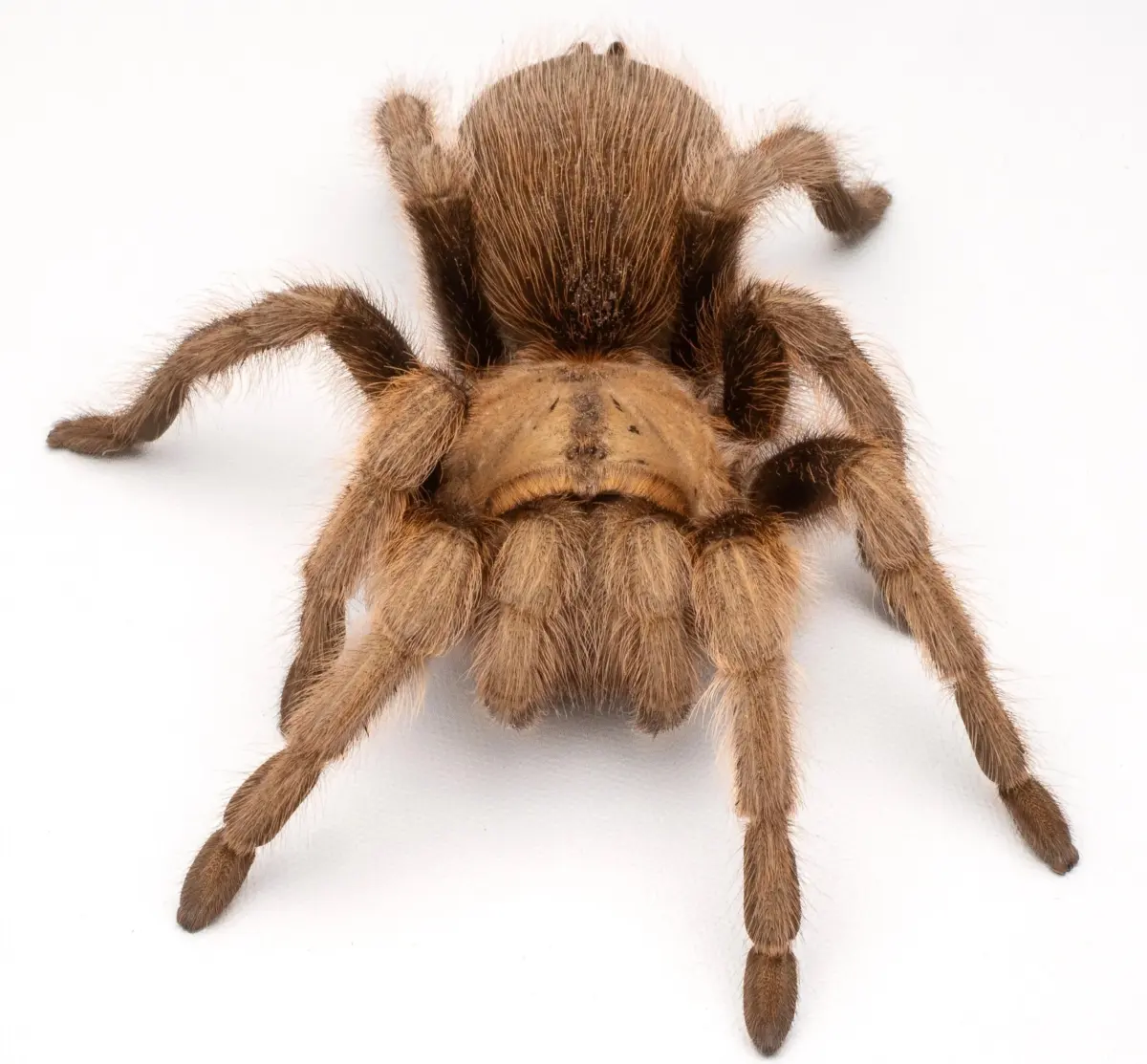
One of the most frequent errors people make is assuming that all tarantulas require the same level of humidity. A desert species, such as the Arizona Blond, will suffer from respiratory issues if kept in an environment that is too damp. Conversely, a tropical species, such as the Pinktoe tarantula, will quickly dehydrate if kept in a dry, desert-style setup. Always research the specific region of origin for your spider to ensure the substrate and moisture levels match its natural habitat.
Another mistake is over-handling or frequently disturbing the spider’s living space. Tarantulas are not social animals and do not benefit from human interaction; in fact, being handled often causes them significant stress. Frequent cleaning or rearranging of the enclosure can destroy the silk structures they rely on for security. By providing a stable, quiet environment that mimics their natural home, you allow the spider to exhibit its most natural and fascinating behaviors without the unnecessary stress of human interference.
Key facts
- Tarantulas inhabit every continent except Antarctica, thriving in diverse climates ranging from tropical rainforests to arid deserts.
- Most species are terrestrial, living in burrows they dig in the soil or find under rocks, logs, and debris.
- Arboreal tarantulas live in trees, constructing silk-lined retreats within hollows or between leaves to stay above the ground.
- These spiders are primarily nocturnal, remaining hidden in their shelters during the day to avoid heat and predators.
- In captivity, tarantulas require an enclosure that mimics their natural environment, such as deep substrate for burrowers or vertical space for climbers.
- Avoid placing a tarantula enclosure in direct sunlight, as the glass can magnify heat and quickly cause fatal overheating for the spider.
The bottom line
Tarantulas are remarkably adaptable arachnids found across the globe, excluding the coldest regions. Whether they occupy deep subterranean burrows or elevated arboreal retreats, their homes are essential for thermoregulation and protection. Understanding these natural preferences is critical for enthusiasts, as providing the correct habitat—whether terrestrial or arboreal—is the most important factor in ensuring the long-term health and survival of a captive tarantula.
People also ask
Do tarantulas live in houses?
While they prefer natural environments, tarantulas may wander into homes located near their natural habitats. They are generally shy and seek dark, undisturbed areas like basements or closets, but they do not infest homes like common house spiders.
How deep do tarantulas dig their burrows?
Depending on the species and environmental conditions, a tarantula's burrow can range from a few inches to over a foot deep. These burrows provide a stable microclimate, protecting the spider from extreme temperatures and humidity fluctuations.
Can tarantulas survive in cold climates?
Most tarantulas are adapted to warm or temperate regions and cannot survive freezing temperatures. Species found in cooler areas often hibernate or remain deep underground during winter months to escape the frost.
Do tarantulas live in groups?
Most tarantula species are solitary and highly territorial, often attacking or cannibalizing others of their kind if forced into close proximity. Only a few rare species, such as Monocentropus balfouri, exhibit communal behavior in the wild.
How do I identify a tarantula's habitat in the wild?
Look for small, silk-lined holes in the ground or webs stretched across tree crevices in warm, dry, or humid regions. If you see a patch of silk near a burrow entrance, it is a strong indicator that the spider is currently occupying that space.
Do tarantulas stay in the same place their whole lives?
Females are often sedentary and may live in the same burrow for many years, sometimes decades. Males, however, become nomadic once they reach maturity, traveling long distances in search of a mate.
This answer was created with the help of AI research tools and reference sources. Spotted an error? Let us know — we correct mistakes quickly. See our editorial policy.