How do you make banana bread?
Short answer
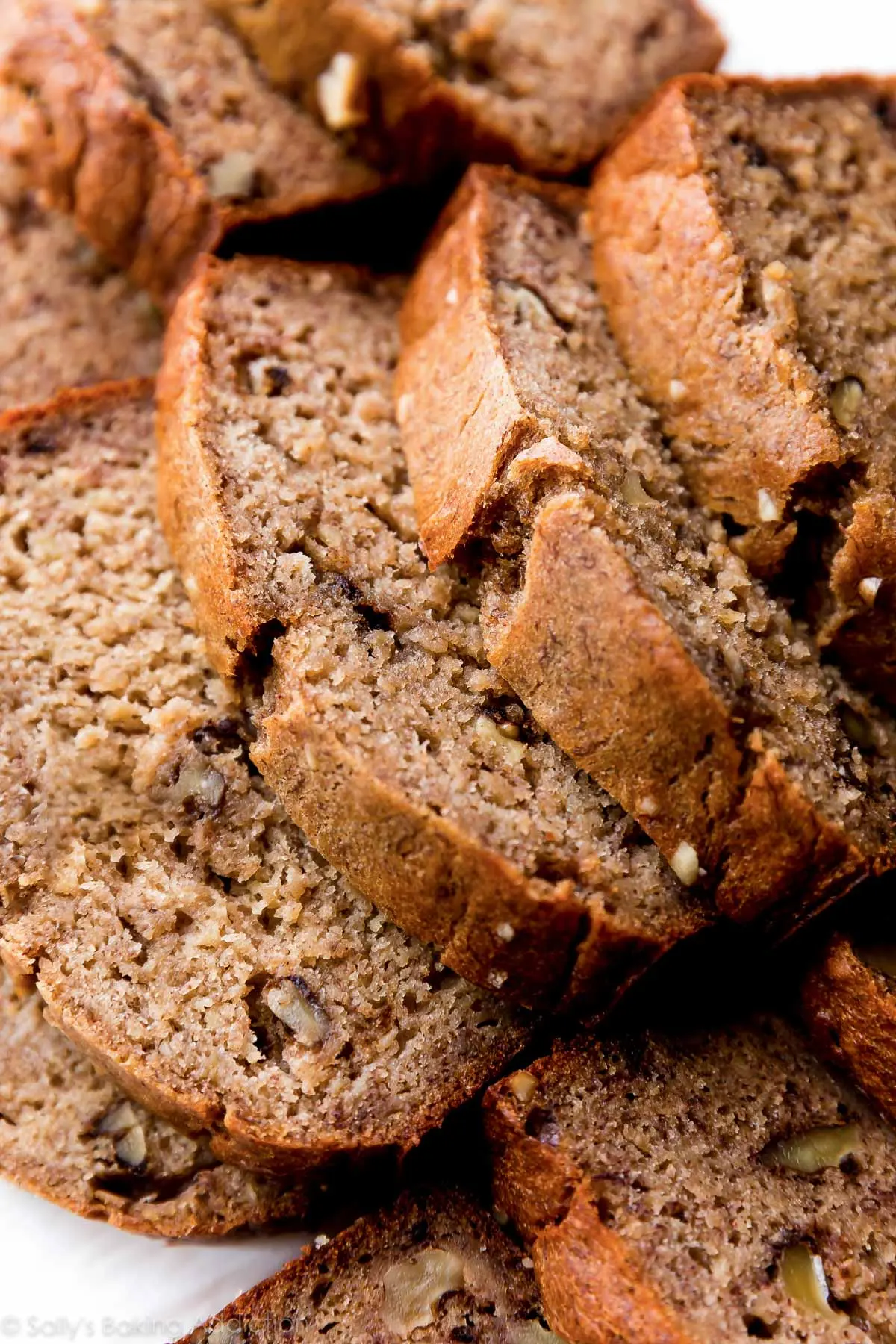
Banana bread is a quick bread made by mashing overripe bananas into a batter of flour, sugar, butter or oil, eggs, and leavening agents. Baked in a loaf pan, it relies on the natural moisture and sweetness of the fruit, resulting in a dense, moist crumb that is simple to prepare.
On this page
How to make classic banana bread
Making banana bread is a straightforward process that requires minimal equipment. The fundamental method involves creaming your fat and sugar, incorporating eggs and mashed bananas, and gently folding in the dry ingredients. You do not need an electric mixer for this; a sturdy spatula or a wooden spoon works perfectly to ensure the batter is not overmixed.
To achieve the best results, follow these standard preparation steps:
- Preheat your oven to 350°F (175°C) and grease a standard 9x5-inch loaf pan.
- In a large bowl, whisk together 1.5 cups of all-purpose flour, 1 teaspoon of baking soda, and a pinch of salt.
- In a separate bowl, mash 3 to 4 very ripe bananas with 1/2 cup of melted butter.
- Stir in 3/4 cup of brown sugar, 1 large egg, and 1 teaspoon of vanilla extract until well combined.
- Fold the wet mixture into the dry ingredients until just combined, being careful not to overwork the gluten.
- Pour the batter into the prepared pan and bake for 55 to 65 minutes.
Why banana bread requires overripe fruit
The secret to superior banana bread lies entirely in the ripeness of the bananas. As bananas age, their starches break down into simple sugars, which significantly increases their sweetness and moisture content. Using green or yellow bananas will result in a bread that lacks depth of flavor and has a starchier, less desirable texture.
You should look for bananas that are heavily spotted with brown or even entirely black skins. While these may look unappealing for snacking, they are chemically ideal for baking. If you have bananas that are not quite ready, you can speed up the ripening process by placing them in a brown paper bag with an apple for 24 hours. Alternatively, if you have ripe bananas but are not ready to bake, you can store them in the freezer with their peels on; simply thaw them before mashing.
How long does it take to bake banana bread
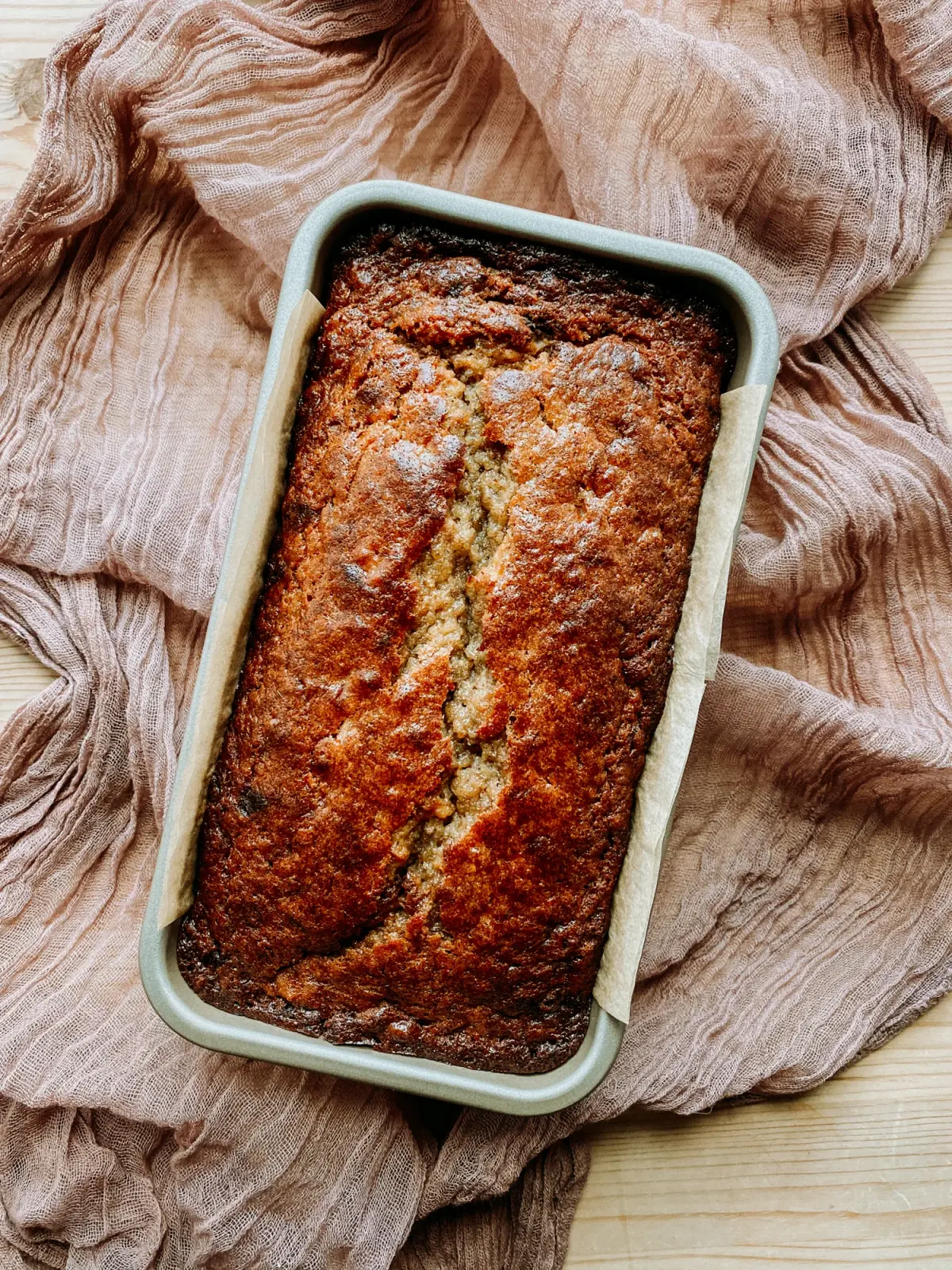
Baking time typically ranges between 50 and 70 minutes, depending on your oven's accuracy and the moisture content of your bananas. Because banana bread is a dense quick bread, it requires a lower temperature to ensure the center cooks through without burning the top. Start checking for doneness at the 50-minute mark to avoid drying out the loaf.
To determine if your bread is finished, use the following indicators:
- Insert a wooden skewer or toothpick into the center of the loaf; it should come out clean or with just a few moist crumbs attached.
- The top of the bread should be a deep golden brown and feel firm to the touch.
- The edges of the loaf will begin to pull slightly away from the sides of the pan.
- If the top browns too quickly before the center is set, loosely tent the pan with aluminum foil for the final 15 minutes.
Best ingredients for banana bread beginners
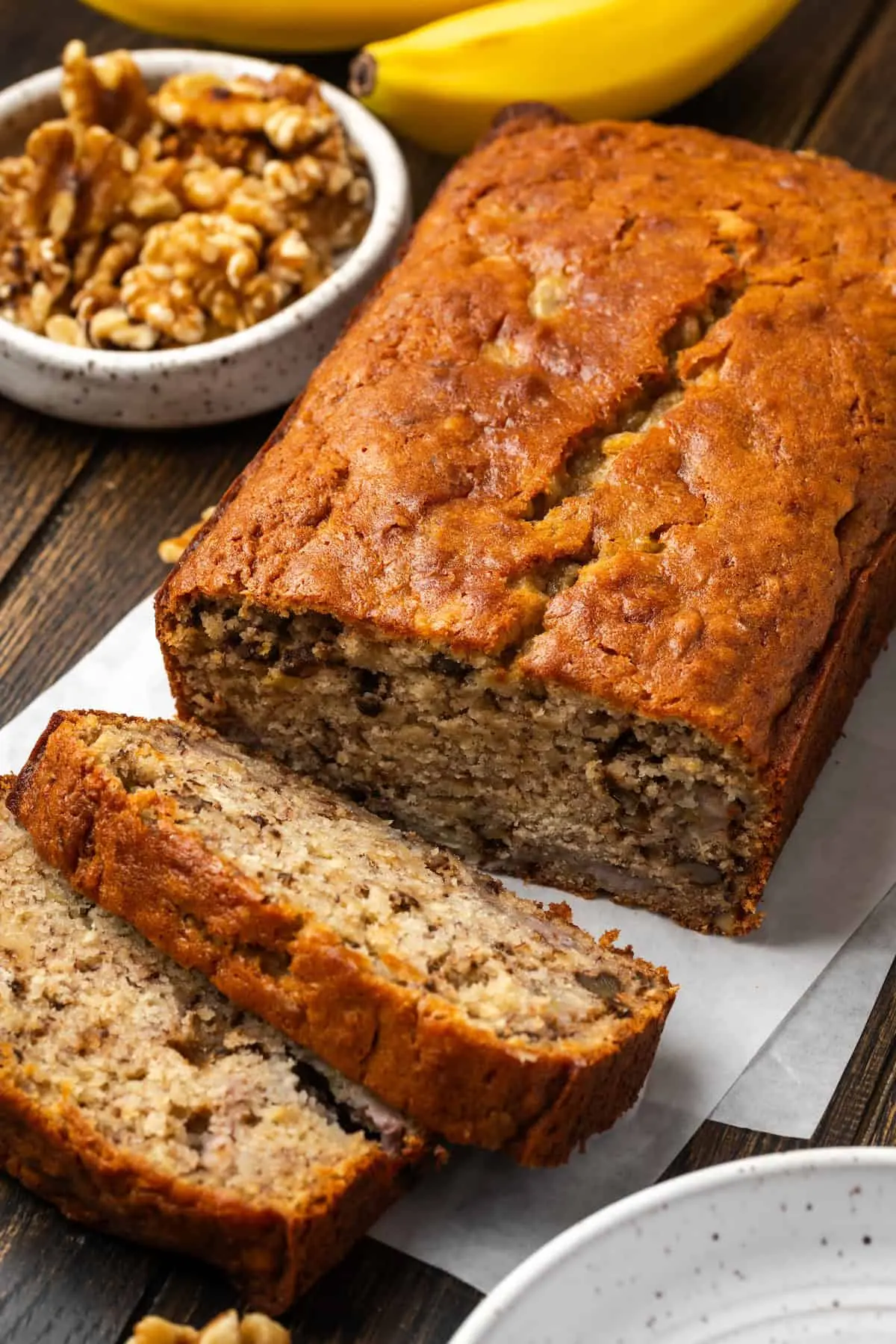
For those new to baking, keeping the ingredient list simple is the best way to ensure success. All-purpose flour provides the necessary structure, while baking soda acts as the leavening agent that reacts with the acidity of the bananas to help the bread rise. Using brown sugar instead of white sugar adds a subtle molasses note that complements the fruit perfectly.
While the base recipe is reliable, you can experiment with additions once you master the technique. Consider these popular mix-ins:
- 1/2 cup of chopped walnuts or pecans for added crunch.
- 1/2 cup of dark chocolate chips to balance the sweetness.
- A teaspoon of ground cinnamon or nutmeg for warmth.
- A tablespoon of sour cream or Greek yogurt to increase the moisture content even further.
Always toss nuts or chocolate chips in a small amount of flour before adding them to the batter; this prevents them from sinking to the bottom of the pan during the baking process.
Common mistakes when making banana bread
The most frequent error in banana bread preparation is overmixing the batter. Once the wet and dry ingredients meet, you should stir only until the streaks of flour disappear. Overmixing develops the gluten in the flour, which transforms a tender, moist loaf into one that is tough, rubbery, and dense. Another common mistake is failing to let the bread cool properly before slicing.
If you cut into the loaf while it is still steaming hot, the internal structure may collapse, causing the bread to appear gummy or undercooked. Allow the bread to rest in the pan for at least 10 minutes after removing it from the oven, then transfer it to a wire rack to cool completely. This resting period allows the moisture to redistribute evenly throughout the loaf, ensuring a perfect texture in every slice. Storing the bread in an airtight container once it has fully cooled will keep it fresh for up to four days at room temperature.
Key facts
- Use bananas that are heavily spotted or brown; their high sugar content and soft texture are essential for a moist loaf.
- Melted butter creates a denser, fudgy crumb, while softened butter creamed with sugar produces a lighter, cake-like texture.
- Do not overmix the batter once the dry ingredients are added, as this develops gluten and results in a tough, rubbery loaf.
- A standard 9x5 inch loaf pan is the industry-standard size for most banana bread recipes.
- Insert a toothpick into the center of the loaf; it should come out clean or with only a few moist crumbs when the bread is finished.
- Let the bread cool in the pan for 10 minutes before transferring it to a wire rack to prevent it from breaking apart.
The bottom line
Making the perfect banana bread relies on using overripe fruit and avoiding the common pitfall of overmixing the batter. By combining simple pantry staples with patience during the baking and cooling process, you can achieve a moist, flavorful result. Whether you prefer it plain or enhanced with nuts and chocolate, following these precise steps ensures a consistent, delicious loaf every single time you bake.
People also ask
Why did my banana bread turn out gummy in the middle?
This usually happens because the bread was underbaked or the bananas were not mashed thoroughly. Ensure your oven is properly calibrated and use a toothpick to verify the center is fully set before removing it.
Can I substitute frozen bananas for fresh ones?
Yes, frozen bananas are excellent for baking once thawed. Be sure to drain the excess liquid that accumulates during the thawing process to avoid adding too much moisture to your batter.
How can I prevent the top of my banana bread from burning?
If the top browns too quickly before the center is cooked, tent the pan loosely with a piece of aluminum foil. This protects the crust while allowing the interior to finish baking.
Is it necessary to use baking soda and baking powder?
Most recipes use baking soda to react with the acidity of the bananas for a proper rise. If a recipe calls for both, the baking powder provides extra lift, which is helpful if you are adding heavy mix-ins like nuts or chocolate chips.
How long should I store banana bread?
Properly wrapped in plastic or stored in an airtight container, banana bread stays fresh at room temperature for up to four days. For longer storage, you can freeze individual slices for up to three months.
Can I add mix-ins like walnuts or chocolate chips?
Absolutely, but toss them in a tablespoon of flour before folding them into the batter. This simple step prevents the ingredients from sinking to the bottom of the pan during the baking process.
This answer was created with the help of AI research tools and reference sources. Spotted an error? Let us know — we correct mistakes quickly. See our editorial policy.