Who is Poseidon?
Short answer
Poseidon is the Olympian god of the sea, earthquakes, and horses in ancient Greek mythology. As one of the three sons of Cronus and Rhea, he reigned over the watery depths with his signature trident. He remains a central figure in classical literature, representing both the life-giving and destructive power of nature.
On this page
Who is Poseidon in Greek mythology?
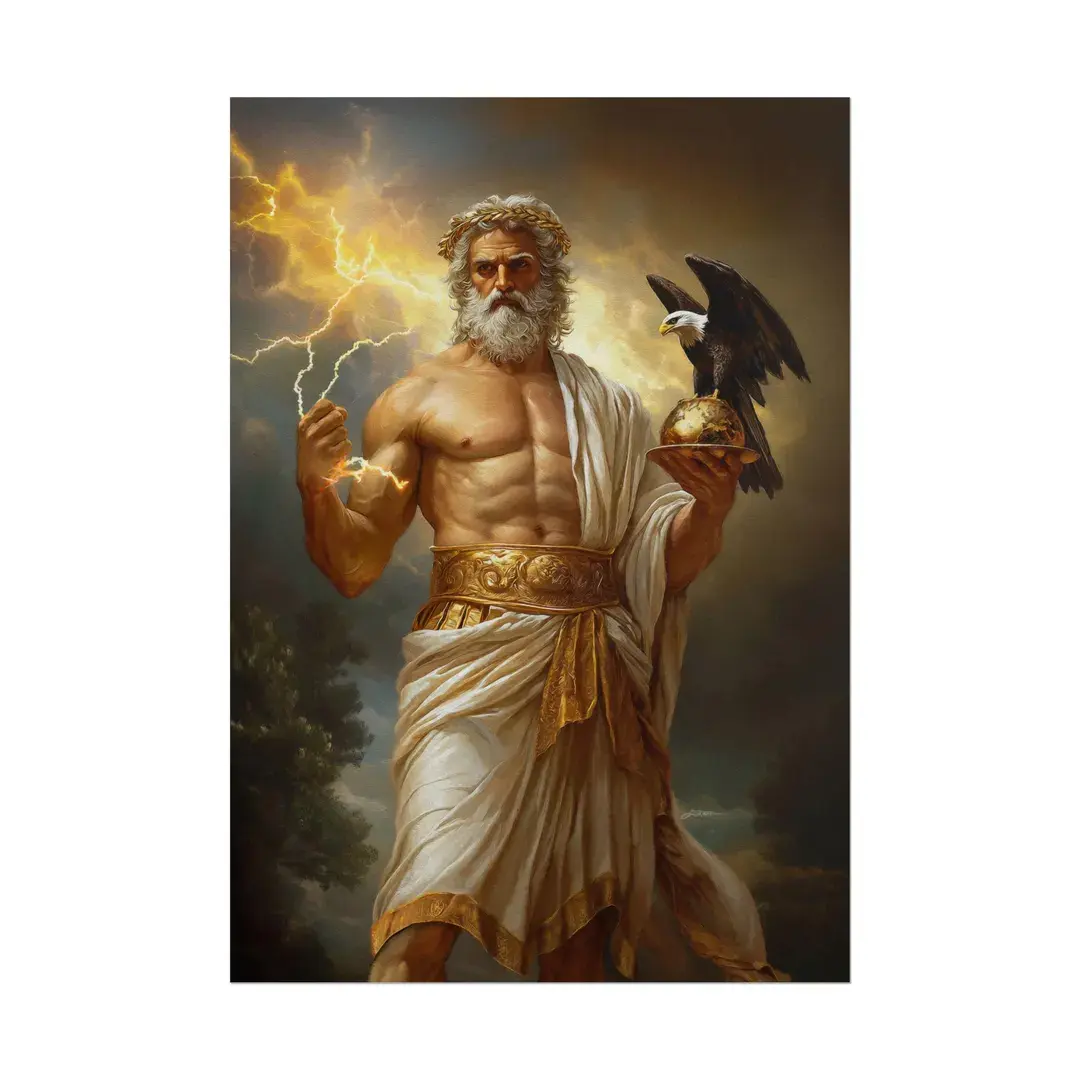
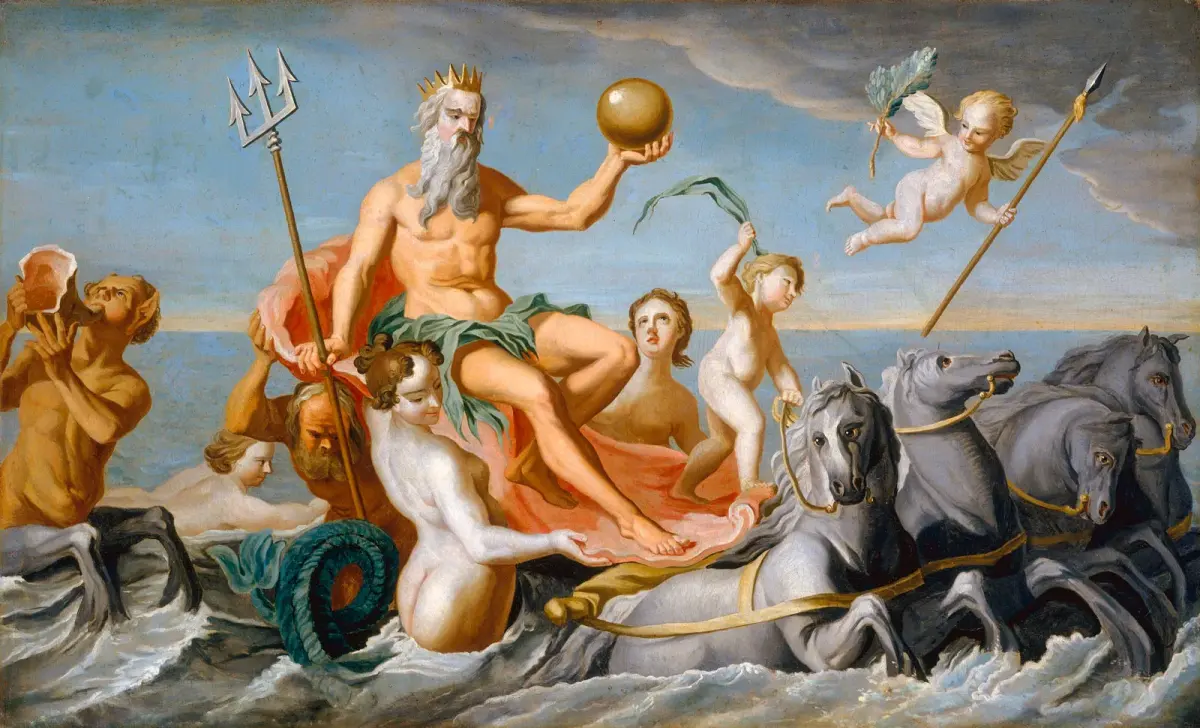
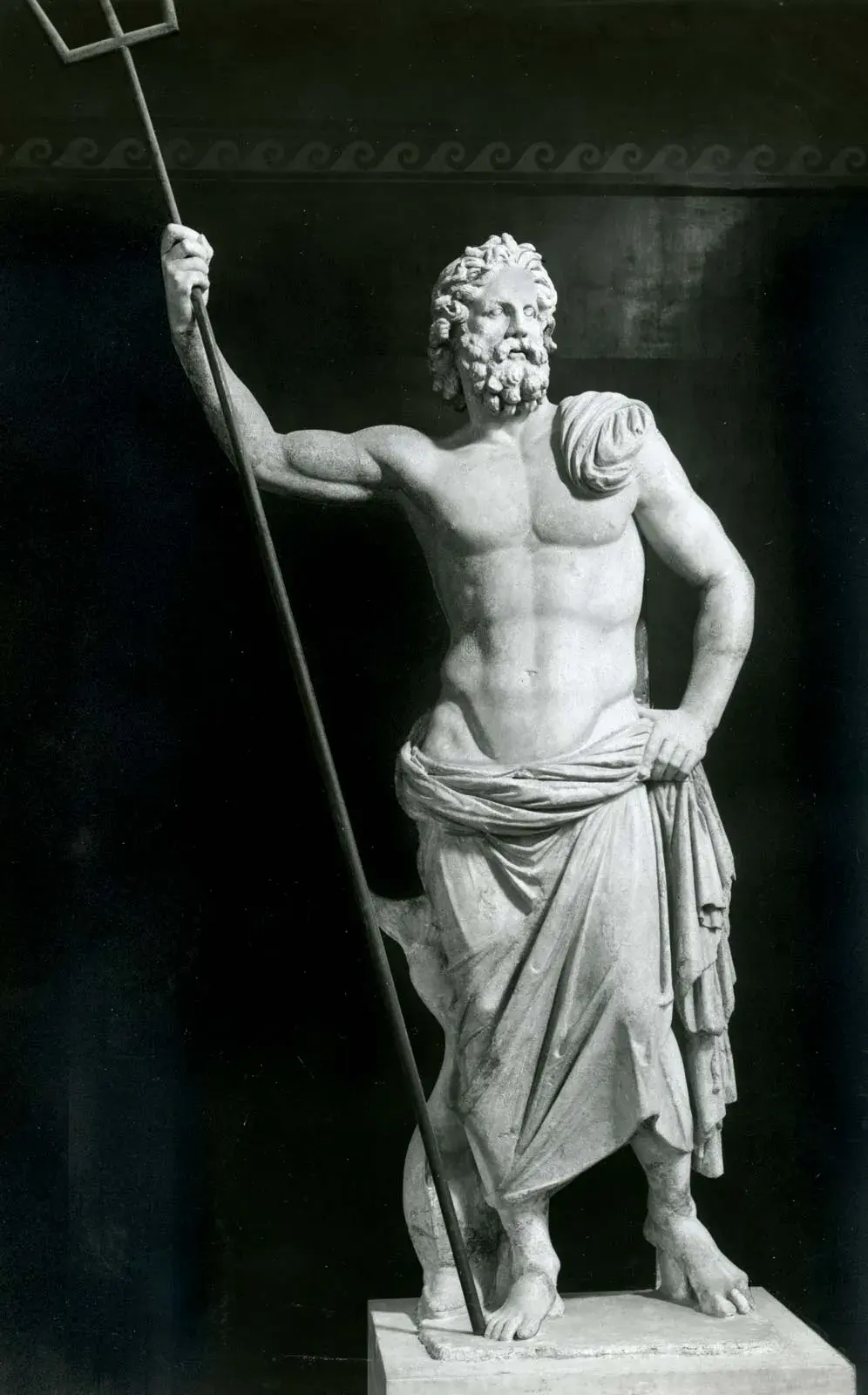
Poseidon is one of the twelve major Olympian deities, occupying a position of supreme power alongside his brothers, Zeus and Hades. Following the defeat of the Titans, the three brothers cast lots to divide the universe. Zeus claimed the heavens, Hades took the underworld, and Poseidon was granted dominion over the vast, unpredictable seas. He is typically depicted as a mature, bearded man carrying a three-pronged spear known as a trident, which he uses to stir the waves or shatter rocks.
Beyond his maritime authority, Poseidon is deeply associated with the earth and its creatures. He is frequently called the "Earth-Shaker" because he was believed to cause earthquakes by striking the ground with his trident. Furthermore, he holds a significant connection to horses, having allegedly created them from sea foam. This multifaceted role highlights his status as a volatile force that governed the physical foundations of the world as understood by the ancient Greeks.
What are the symbols and attributes of Poseidon?
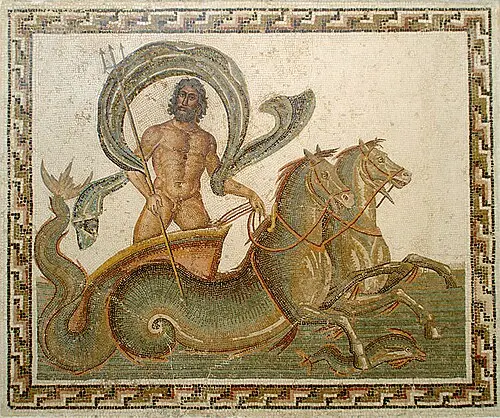
The iconography of Poseidon is consistent across ancient art, serving to identify him immediately to worshippers and observers. His most recognizable attribute is the trident, a weapon forged by the Cyclopes that symbolizes his absolute control over the tides and underwater currents. In addition to his primary weapon, he is often associated with specific creatures and elements that reflect his dual nature as a ruler of the sea and land.
Common symbols associated with the god include:
- The trident: His primary tool for manipulating the physical world.
- Dolphins: Representing his affinity for marine life and sailors.
- Horses: Symbolizing his role as the creator and patron of equines.
- Bulls: Often sacrificed to him to ensure safe passage during sea voyages.
- Sea foam: The substance from which he is said to have manifested his equine creations.
How was Poseidon worshipped in the ancient world?
Worship of Poseidon was vital for a civilization that relied heavily on maritime trade and naval power. Sailors and fishermen frequently offered prayers and sacrifices to the god before embarking on long voyages to ensure calm seas and favorable winds. These rituals were essential for survival, as the sea was viewed as a dangerous and temperamental environment that required constant appeasement of its divine master.
Major centers of worship were located along the coastlines, where temples were constructed to honor his influence. The most famous of these was the Isthmian Sanctuary near Corinth, which hosted the Isthmian Games every two years. These athletic competitions were held in his honor, mirroring the Olympic Games dedicated to Zeus. Participants engaged in various sports, including chariot racing, which served as a direct tribute to his mastery over horses and his status as a patron of competitive physical excellence.
What myths involve Poseidon?
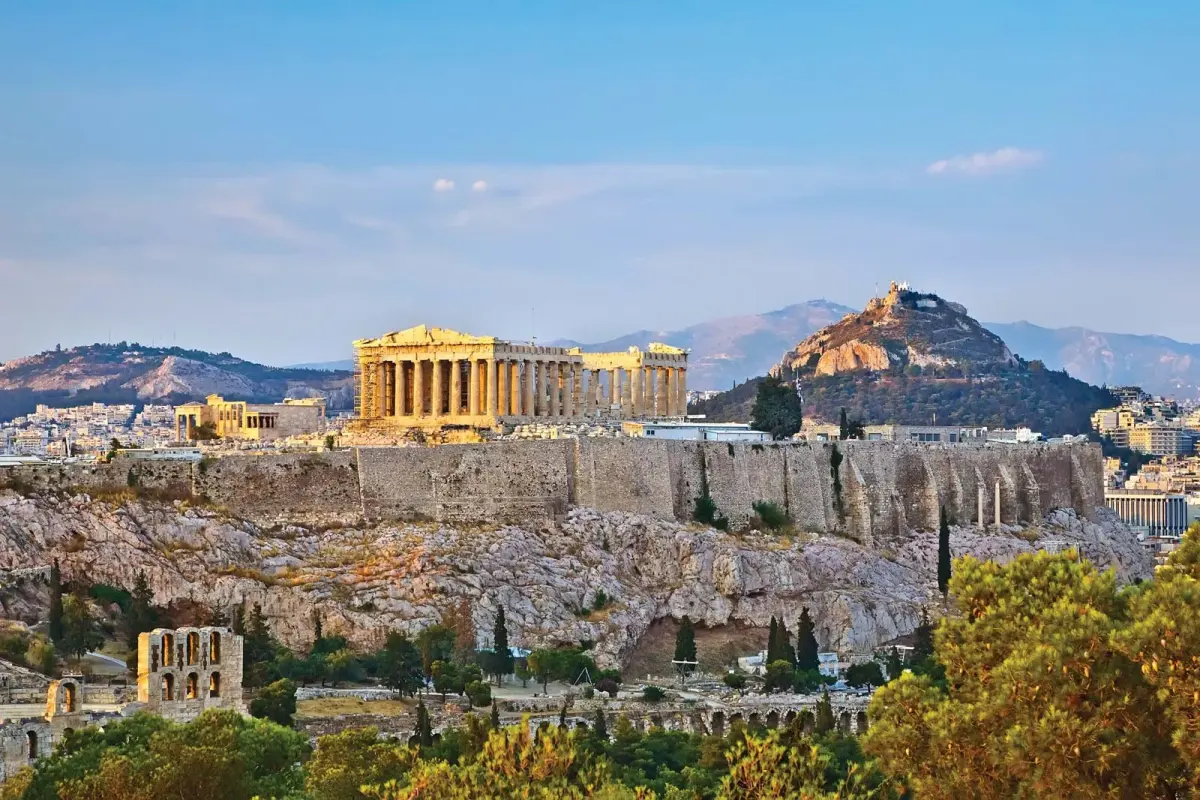
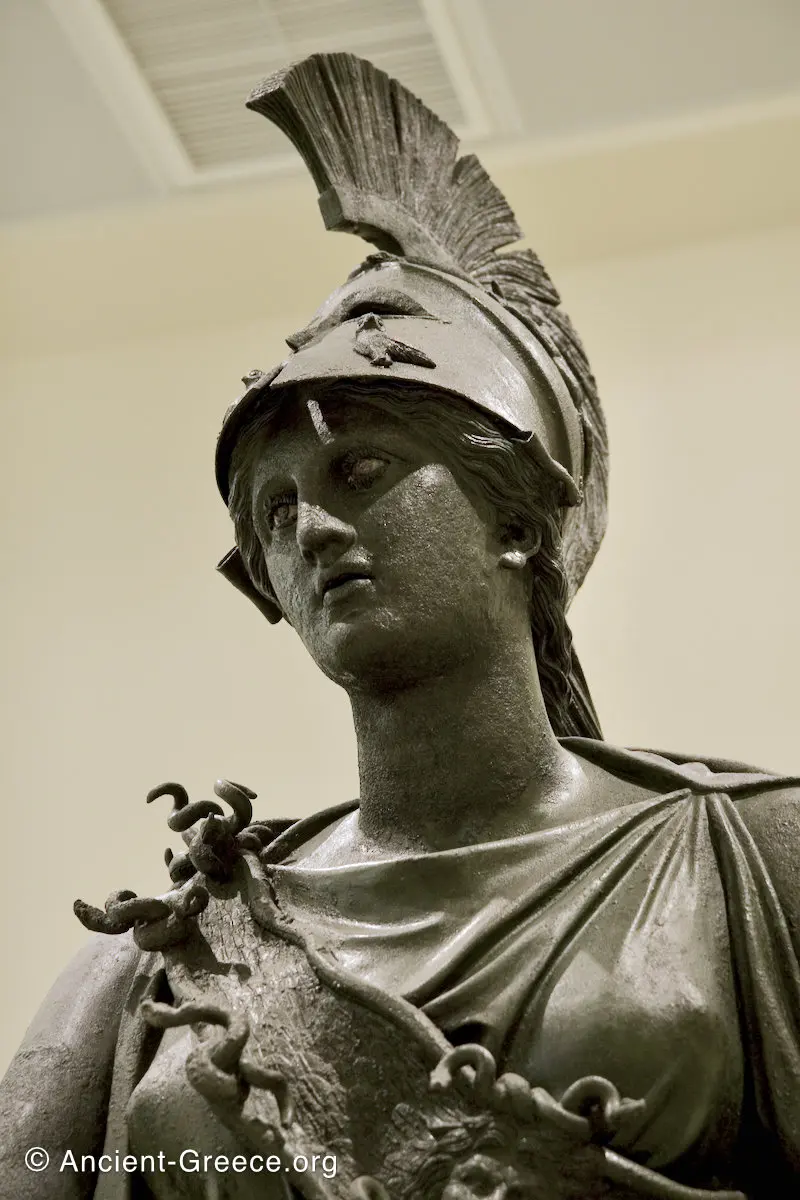
Poseidon is a central character in many foundational Greek myths, often appearing as a formidable and sometimes vengeful figure. One of the most famous stories involves his contest with Athena for the patronage of Athens. Poseidon struck the Acropolis with his trident, creating a saltwater spring, while Athena planted an olive tree. The citizens chose Athena’s gift, leading to a long-standing rivalry between the two deities that colored many subsequent mythological narratives.
Another significant myth features the hero Odysseus, who incurred Poseidon’s wrath by blinding the god’s son, the Cyclops Polyphemus. This act sparked a ten-year odyssey during which Poseidon relentlessly hindered the hero’s return home, demonstrating the god's capacity for long-term retribution. These stories illustrate how Poseidon functioned as a narrative obstacle, representing the unpredictable hazards that humans faced when navigating the world.
Common mistakes when studying Poseidon
A frequent error is assuming that Poseidon is strictly a "god of the ocean" in the modern sense. While he is the ruler of the sea, his mythological reach extends to inland geography and the animal kingdom. Confusing him with Roman equivalents is another common pitfall; while he is often equated with the Roman god Neptune, their cultural origins and the specific nuances of their worship differ significantly. Scholars emphasize that Poseidon’s character is defined by his volatility, which contrasts with the more orderly nature of his brother Zeus.
To better understand his role, follow these guidelines:
- Research the geographical context of his temples to see how his worship changed based on proximity to the coast.
- Distinguish between his roles as a creator of nature and a destroyer of cities.
- Compare his interactions with other gods to identify his specific sphere of influence.
- Avoid interpreting him solely through the lens of modern environmentalism or purely nautical themes, as his connection to earthquakes and horses is equally important to his historical identity.
Key facts
- Poseidon is the Greek god of the sea, earthquakes, storms, and horses.
- He is one of the twelve Olympians and a brother to Zeus and Hades.
- His primary weapon is a three-pronged trident, which he uses to stir the seas and shatter rocks.
- Ancient Greeks often sacrificed horses to him by drowning them in the sea to ensure calm waters.
- Sailors frequently prayed to him before voyages, offering gifts to prevent shipwrecks and ensure favorable winds.
- When visiting coastal shrines, avoid pointing your trident-shaped souvenirs toward the water, as this was traditionally considered a grave insult to the deity.
The bottom line
Poseidon remains a central figure in Greek mythology, representing the volatile and unpredictable power of the ocean. As a sibling to Zeus, he commanded immense authority over both the natural world and human maritime endeavors. Understanding his dual nature—as both a provider of seafaring safety and a source of destructive earthquakes—offers deep insight into how ancient civilizations perceived and respected the untamable forces of nature.
People also ask
Who were Poseidon's parents?
Poseidon was the son of the Titans Cronus and Rhea. After his birth, he was swallowed by his father but was later rescued by his brother Zeus.
What is the Roman equivalent of Poseidon?
The Roman counterpart to Poseidon is Neptune. While they share many attributes, Neptune was originally associated specifically with freshwater before his mythology merged with the Greek tradition.
Why was Poseidon often depicted with horses?
Poseidon is credited with the creation of the horse, and he was frequently worshipped as "Poseidon Hippios." Ancient myths suggest he created the animal from sea foam or earth to impress a lover.
Did Poseidon have a wife?
His wife was the Nereid Amphitrite, a sea goddess. Together, they had a son named Triton, who is often depicted as a merman with a conch shell.
What was Poseidon's role in the Trojan War?
Poseidon generally supported the Greeks against the Trojans. He frequently intervened in the conflict by sending storms or physically appearing on the battlefield to bolster Greek morale.
How did Poseidon lose the city of Athens?
Poseidon competed with Athena to become the patron deity of Athens. He struck the Acropolis with his trident to produce a saltwater spring, but Athena offered an olive tree, which the citizens deemed more useful.
This answer was created with the help of AI research tools and reference sources. Spotted an error? Let us know — we correct mistakes quickly. See our editorial policy.